Recyclable Material Design of Smart Power Distribution Units in Telecom Cabinets to Reduce E-Waste


You play a vital role in reducing e-waste when you choose recyclable materials for telecom cabinets. Smart Power Distribution Unit designs use metals and eco-friendly coatings that help you minimize environmental impact. ESTEL leads the industry by offering solutions that support sustainability and innovation. When you adopt recyclable designs, you improve both environmental health and operational efficiency. Consider how your choices create lasting benefits for your business and the planet.
Key Takeaways
Choosing recyclable materials for telecom cabinets helps reduce e-waste and protects the environment.
Using durable metals like aluminum and stainless steel improves the lifespan and efficiency of your equipment.
Designing products for easy disassembly makes recycling simpler and supports a circular economy.
Following guidelines for material selection can lower your environmental impact and operational costs.
Collaborating with suppliers and adhering to standards enhances sustainability and builds customer trust.
Reducing E-Waste with Recyclable Materials
E-Waste in Telecom Cabinets
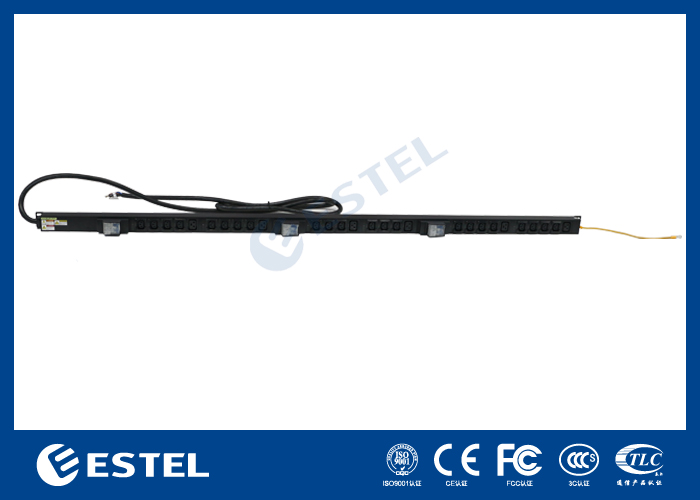
You may not realize how much electronic waste telecom cabinets generate each year. Old equipment, outdated components, and damaged units often end up in landfills. Many Smart Power Distribution Units use recyclable materials, which helps you support sustainability efforts. When you recycle these units properly, you prevent toxic substances like lead, mercury, and cadmium from contaminating soil and water.
Tip: Always check if your telecom equipment contains recyclable metals or eco-friendly coatings before disposal. This small step can make a big difference for the environment.
Benefits of Recyclable Design
Choosing recyclable designs for your telecom infrastructure brings several advantages. You help reduce e-waste and promote a cleaner environment. Using recyclable materials such as aluminum and stainless steel increases the durability of your equipment. These metals also make it easier to maintain and upgrade your systems.
Here is a table that shows how recyclable materials impact the lifecycle and disposal of smart power distribution units:
Benefit | Description |
|---|---|
The use of recyclable materials helps minimize electronic waste generated from PDUs. | |
Enhances sustainability | Incorporating recyclable components contributes to overall environmental sustainability efforts. |
Facilitates maintenance and upgrades | Recyclable designs simplify the process of maintaining and upgrading telecom infrastructure. |
Improves durability | Materials like aluminum and stainless steel increase the lifespan of smart PDUs. |
Supports energy efficiency | Smart PDUs with recyclable components can enhance operational effectiveness and energy usage. |
When you use recyclable materials in telecom cabinets, you also lower your operational costs. Preventive maintenance becomes easier, and you can recover valuable materials from old equipment. This approach reduces waste and helps you save money over time. Energy-efficient designs further decrease your operating expenses, making your telecom systems more sustainable and cost-effective.
By choosing recyclable designs, you not only protect the environment but also improve the efficiency and longevity of your telecom infrastructure.
Smart Power Distribution Unit: Sustainable Design
Material Choices and Eco-Friendly Coatings
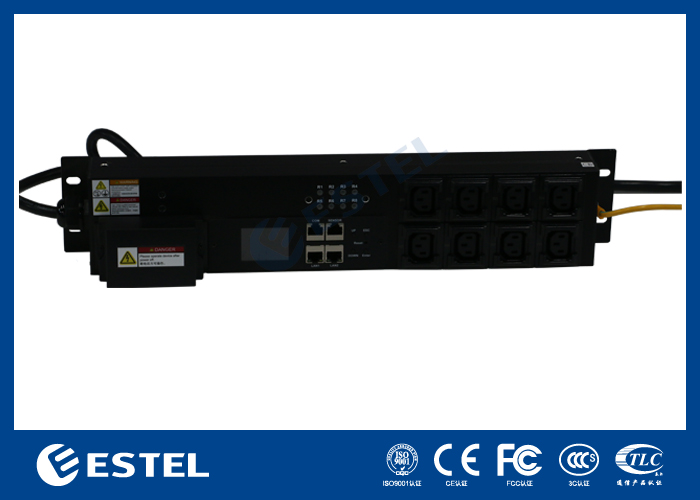
You make a significant impact on sustainability when you select the right materials for your Smart Power Distribution Unit. ESTEL uses recyclable metals and eco-friendly coatings to ensure that each unit supports both durability and environmental responsibility. Stainless steel and mild steel form the core structure, offering strength and full recyclability. High-purity copper and aluminum conductors provide excellent electrical performance and can be recycled at the end of their service life.
You also benefit from advanced coatings and paints. Water-based or powder-coat finishes protect the unit from corrosion and harsh weather. These coatings contain no heavy metals and release very low levels of volatile organic compounds (VOCs), which helps keep the air clean around your telecom site. Insulation materials, such as thermally upgraded cellulose or aramid paper, are biodegradable and long-lasting. ESTEL’s use of natural ester oils for insulation further reduces environmental risks, as these fluids are non-toxic and biodegradable.
Here is a table that highlights some of the most effective green materials and their advantages:
Component / Material | Eco-Friendly Variant | Environmental Benefit |
|---|---|---|
Core Lamination | Amorphous steel, Hi-B CRGO | Up to 70% less energy loss |
Tank and Frame | Recyclable mild steel, stainless steel | Fully recyclable, corrosion-resistant |
Conductors | High-purity copper, aluminum | Low resistive loss, fully recyclable |
Insulating Fluid | Natural ester oil | Biodegradable, non-toxic |
Insulation Paper | Cellulose, aramid paper | Biodegradable, long-life |
Coatings & Paints | Water-based, powder-coat, lead-free | Low VOCs, no heavy metals |
Fasteners | Stainless steel, zinc-coated | Rustproof, reusable |
You help reduce emissions and energy use by choosing low-emission insulation materials. These materials require less energy to produce and emit fewer greenhouse gases during manufacturing. When you use them in your Smart Power Distribution Unit, you support energy efficiency throughout the unit’s life. This approach also makes it easier to reuse or recycle insulation at the end of the unit’s service.
Tip: Always look for RoHS-compliant and lead-free components when selecting power distribution equipment. These choices protect both your team and the environment.
Design for Disassembly and Recycling
You can further support sustainability by choosing products designed for easy disassembly. ESTEL’s Smart Power Distribution Unit uses modular sub-assemblies and standard fasteners. This design allows you to separate different materials quickly when the unit reaches the end of its life. You can remove recyclable metals, insulation, and electronic parts without special tools or complex processes.
Design for disassembly helps you comply with Extended Producer Responsibility (EPR) regulations. You reduce landfill waste because you can recycle or reuse most parts of the unit. This approach fits well with circular economy principles, where products are designed to stay in use longer and materials are kept in circulation.
You save time and money during maintenance and upgrades.
You make recycling more efficient and effective.
You help your company meet environmental standards and customer expectations.
ESTEL applies eco-design principles to every Smart Power Distribution Unit. You see this in the choice of recyclable materials, the use of non-toxic coatings, and the focus on modular construction. By following these principles, you help create a telecom infrastructure that is both high-performing and environmentally responsible.
🌱 Note: When you choose a Smart Power Distribution Unit designed for disassembly, you make recycling easier and help build a greener future for telecom.
ESTEL’s Approach and Industry Practices
ESTEL’s Recyclable Solutions
You see ESTEL’s dedication to sustainability in every product. The company follows strict standards to ensure quality and environmental responsibility. You benefit from equipment that meets NEMA and IP ratings, which means your telecom cabinets and power units perform reliably in tough conditions. ESTEL’s systems track energy use and carbon emissions, helping you comply with environmental regulations. You can use these tools to work toward certifications like LEED or ISO 14001.
You find recyclable features in both the Outdoor Telecom Cabinet and the Smart Power Distribution Unit. ESTEL uses galvanized steel, stainless steel, and high-purity copper. These materials last long and can be recycled at the end of their service life. The company applies powder coatings that contain no heavy metals and release low emissions. You also get modular designs, which make it easy to separate and recycle parts.
Here are some ways ESTEL stands out:
GreenLine series offers up to 30% energy savings with advanced technology.
Real-time monitoring and outlet-level control help you spot and fix inefficiencies.
Compliance with Energy Star and RoHS standards shows a strong commitment to sustainability.
Industry Trends and Case Studies
You notice that the telecom industry is moving toward greener materials and smarter designs. Many manufacturers now use recycled metals, biodegradable composites, and reclaimed polymers. These choices reduce environmental impact and support a circular economy.
Material Type | Benefits | Source |
|---|---|---|
High-Density Polyethylene | Durable, eco-friendly, resists water and UV | Future-Ready Outdoor Cabinets for 5G and Beyond |
Recycled Metals | Reduces environmental impact, maintains strength | Future-Ready Outdoor Cabinets for 5G and Beyond |
Biodegradable Composites | Supports a greener future | Future-Ready Outdoor Cabinets for 5G and Beyond |
Reclaimed Polymers | Lowers emissions during manufacturing | Future-Ready Outdoor Cabinets for 5G and Beyond |
Solar-Powered Fans | Eco-friendly cooling technology | What is a Telecom Cabinet: Real-World Uses, Ratings & Components 2025 |
Greener LED Tech | Improves sustainability in infrastructure | What is a Telecom Cabinet: Real-World Uses, Ratings & Components 2025 |
You can learn from real-world examples. Solar-powered telecom towers have cut diesel use by 80%. Hybrid solar systems save over $30,000 a year on fuel. GreenConnect reduced energy use by 30% and CO2 emissions by 40%. ESTEL’s hybrid power solutions combine renewable energy with traditional systems, giving you a cost-effective and sustainable option.
🌱 By choosing recyclable designs and advanced monitoring, you help lead the telecom industry toward a cleaner future.
Implementation Steps for Telecom Leaders
Material Selection Guidelines
You can make a big difference by following clear guidelines when choosing materials for your telecom cabinets. Start by focusing on materials that are easy to recycle at the end of their life. Design your equipment so that you can separate parts quickly and without special tools. Use modular components to make upgrades and repairs simple. These steps help you reduce waste and support a circular economy.
Here is a table that summarizes the main guidelines for selecting recyclable materials:
Guideline | Description |
|---|---|
Prioritize recyclable materials | Use materials that can be easily recycled after use. |
Simplify disassembly | Design parts to be easily separated, using uniform materials for connections. |
Incorporate modularity | Make sure parts are accessible and easy to replace or recycle. |
When you follow these guidelines, you lower your environmental footprint. Companies like Cisco show that using recyclable materials and reducing non-renewable content improves recyclability. Packaging made from single or separable materials also helps reduce waste. By cutting down on foam and plastics, you keep more materials out of landfills.
Collaboration and Standards
You achieve better results when you work with your supply chain partners. Ericsson’s move from single-use plastics to fiber-based packaging shows how teamwork can cut plastic use from 20% to less than 1%. This change also reduced packaging size and resource use, proving that collaboration leads to both sustainability and efficiency.
To ensure your products meet global expectations, follow international standards and certifications. The SCS-103 Certification Standard for Recycled Content sets minimum recycled content levels for telecom cabinets. Meeting these standards builds customer trust and encourages innovation in recycling.
You can take these actionable steps:
Extend the life of your equipment through maintenance and upgrades.
Facilitate recycling and refurbishment of old devices.
Use renewable energy and compostable packaging in your operations.
Monitor e-waste sites to prevent pollution.
Support low-carbon transport for shipping.
ESTEL’s solutions offer a strong model for sustainable innovation. Their telecom power systems provide reliability and energy efficiency. By integrating renewable energy and advanced monitoring, you can reduce your carbon footprint and improve operational performance.
🛠️ Tip: Work closely with suppliers and adopt certified materials to lead your company toward a greener future.
You gain both environmental and business advantages by choosing recyclable material designs for smart power distribution units and telecom cabinets. These choices lower costs, attract eco-conscious customers, and help you meet regulations.
Benefit | Description |
|---|---|
Cost Savings | Energy efficiency, reduced e-waste, and extended equipment lifecycles lower operational costs. |
Customer Preference | Brands aligned with sustainability values attract more consumers and improve loyalty. |
Regulatory Compliance | Sustainability efforts prepare companies for future regulations on environmental impact. |
ESTEL leads with innovative solutions that use eco-friendly materials, advanced energy management, and support for circular economy practices. You help build a greener future when you adopt these standards. Explore ESTEL’s products and set a new benchmark for sustainable telecom infrastructure.
FAQ
What materials in smart power distribution units can you recycle?
You can recycle metals like aluminum, stainless steel, and copper. Many units also use eco-friendly coatings and insulation that support recycling.
♻️ Always check the product label for recyclable symbols before disposal.
How does recyclable design help reduce e-waste in telecom cabinets?
Recyclable design lets you separate and reuse valuable materials. This process keeps harmful substances out of landfills.
You protect the environment.
You save resources.
Can you upgrade or repair recyclable telecom cabinets easily?
Yes, modular and recyclable designs make upgrades and repairs simple. You can replace parts without special tools.
This approach saves you time and reduces waste.
What certifications should you look for in sustainable telecom equipment?
Look for certifications like RoHS, ISO 14001, and Energy Star.
Certification | What It Means |
|---|---|
RoHS | Restricts hazardous substances |
ISO 14001 | Environmental management |
Energy Star | Energy efficiency |
See Also
Ensuring Consistent Power Supply for Telecom Equipment
Innovative Outdoor Communication Cabinets Designed for 2025
Solar Energy Storage Solutions for Telecom Cabinet Systems
ESTEL's Intelligent Energy Storage for Microgrid Telecom Cabinets
CALL US DIRECTLY
86-13752765943
3A-8, SHUIWAN 1979 SQUARE (PHASE II), NO.111, TAIZI ROAD,SHUIWAN COMMUNITY, ZHAOSHANG STREET, NANSHAN DISTRICT, SHENZHEN, GUANGDONG, CHINA
