Pilot Case-Verified Smart PDU Solution for Scalable Deployment Feasibility in Telecom Cabinets

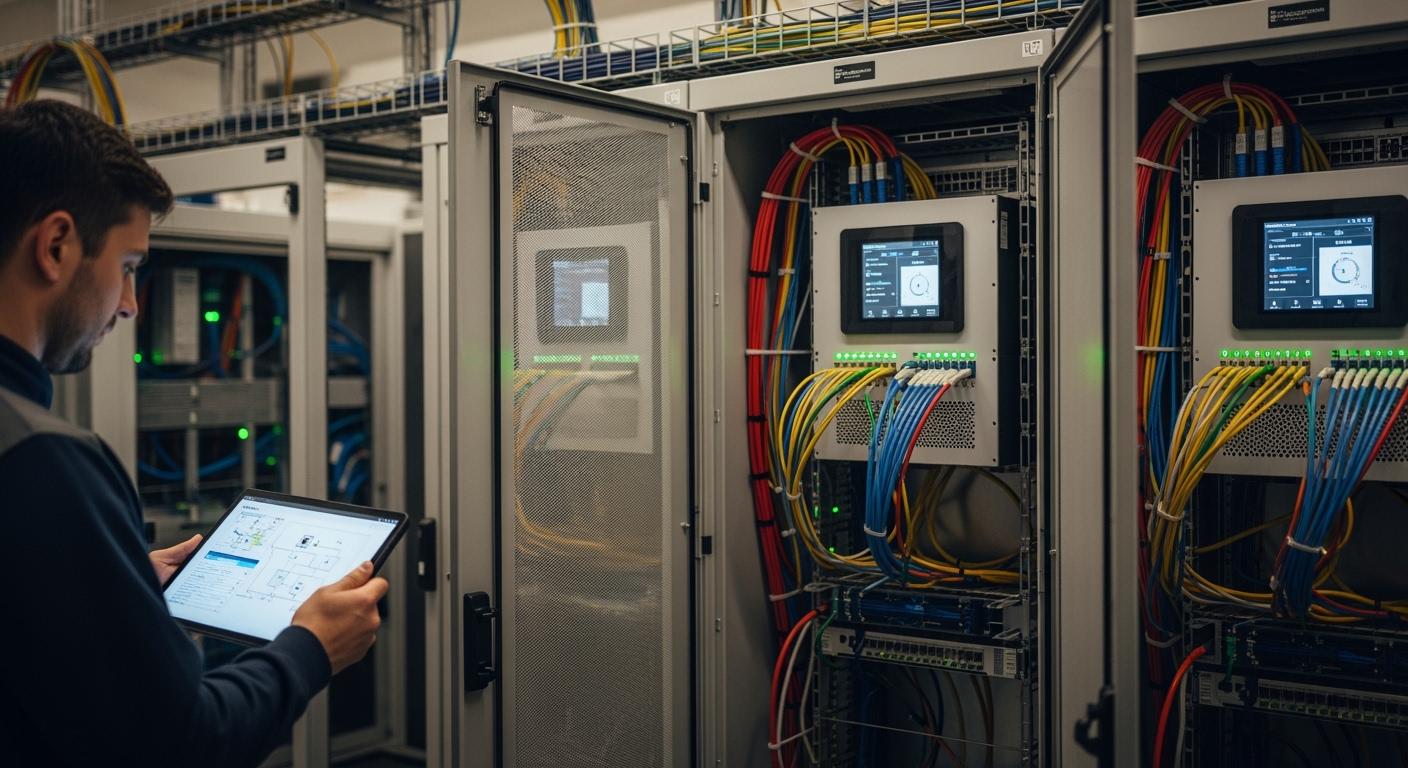
You can rely on pilot case-verified Smart Power Distribution Unit solutions for scalable deployment in telecom cabinets. Real-world testing shows that these units deliver reliable performance and easy expansion. The global market for data center PDUs reached $2.3 billion in 2023 and could double by 2032, showing strong demand for scalable power solutions.
Modular designs and real-time power tracking help you manage energy use and grow your network efficiently.
Evidence Type | Description |
|---|---|
Beta Testing | Extensive field testing ensures quick installation and updates. |
Customer Feedback | Field engineers report improved scalability and efficiency. |
Digital Twin Simulation | Virtual testing reduces risks and boosts reliability in telecom cabinets. |
Key Takeaways
Smart Power Distribution Units (PDUs) enhance reliability and efficiency in telecom cabinets, reducing downtime by up to 30%.
Real-time monitoring and automated alerts help you detect issues early, preventing outages and ensuring consistent performance.
Upgrading to modern PDUs can lower maintenance costs by 30% and improve energy efficiency by up to 20%.
Field engineers recommend evaluating total costs and focusing on integration tests for successful deployment of new power solutions.
Adopting advanced PDUs future-proofs your network, making it easier to expand and adapt to growing demands.
Deployment Challenges in Telecom Cabinets
Power Management Issues
You face several power management challenges when deploying telecom cabinets. Electrical failures often occur because rectifier modules wear out or voltage spikes from lightning damage circuits. Poor grounding can cause erratic behavior. Thermal failures happen when blocked airflow or failed fans increase heat, which damages components and shortens equipment life. Mechanical failures result from vibration and poor mounting, while worn seals let dust and moisture inside. Environmental failures are common in coastal areas, where humidity and dust cause corrosion and intermittent faults in electrical connections. Operational failures arise from integration issues and human factors, such as inadequate training.
Type of Failure | Description |
|---|---|
Electrical Failures | Rectifier modules wear out, voltage spikes from lightning damage circuits, and poor grounding causes erratic behavior. |
Thermal Failures | Excessive heat from blocked airflow or failed fans can damage components and reduce equipment life. |
Mechanical Failures | Vibration and poor mounting lead to breakdowns, while worn seals allow dust and moisture in. |
Environmental Failures | Coastal humidity and dust can cause corrosion and intermittent faults in electrical connections. |
Operational Failures | Integration issues and human factors like inadequate training can disrupt cabinet performance. |
You can see the impact of these issues in system efficiency. At 80% discharge, system efficiency reaches 64%. At 20% discharge, efficiency drops to 36%. A 10% reduction in energy consumption saves telecom operators millions each year. AI algorithms help optimize energy consumption by managing cellular resources. AI can deactivate cells during low-traffic periods and conserve power during active calls by detecting pauses in conversations. These improvements reduce environmental stress on equipment, prevent surge-related failures, and provide thermal stability for consistent performance. The Smart Power Distribution Unit addresses many of these challenges by offering advanced monitoring and control.
Risks of Legacy Systems
Legacy power distribution systems present significant risks. You may encounter overloads during emergency events, which threaten network stability. Human error often causes outages, especially when procedures are not followed. Failures from third-party providers can make these risks worse. Older systems rely on copper wiring and T1 technology, which increases the likelihood of overloads. Natural disasters and unexpected surges in demand can lead to major disruptions. Upgrading to modern solutions reduces these risks and improves reliability.
Legacy systems are vulnerable to overloads during emergencies.
Human error contributes to outages due to procedural non-compliance.
Failures from third-party providers can exacerbate risks.
Reliance on copper wiring and T1 systems increases overload likelihood.
Natural disasters and demand surges cause network instability.
You benefit from deploying advanced solutions that offer real-time monitoring, surge protection, and environmental controls. These features ensure consistent performance and minimize downtime.
Smart Power Distribution Unit Features and Integration
Key Functions and Benefits
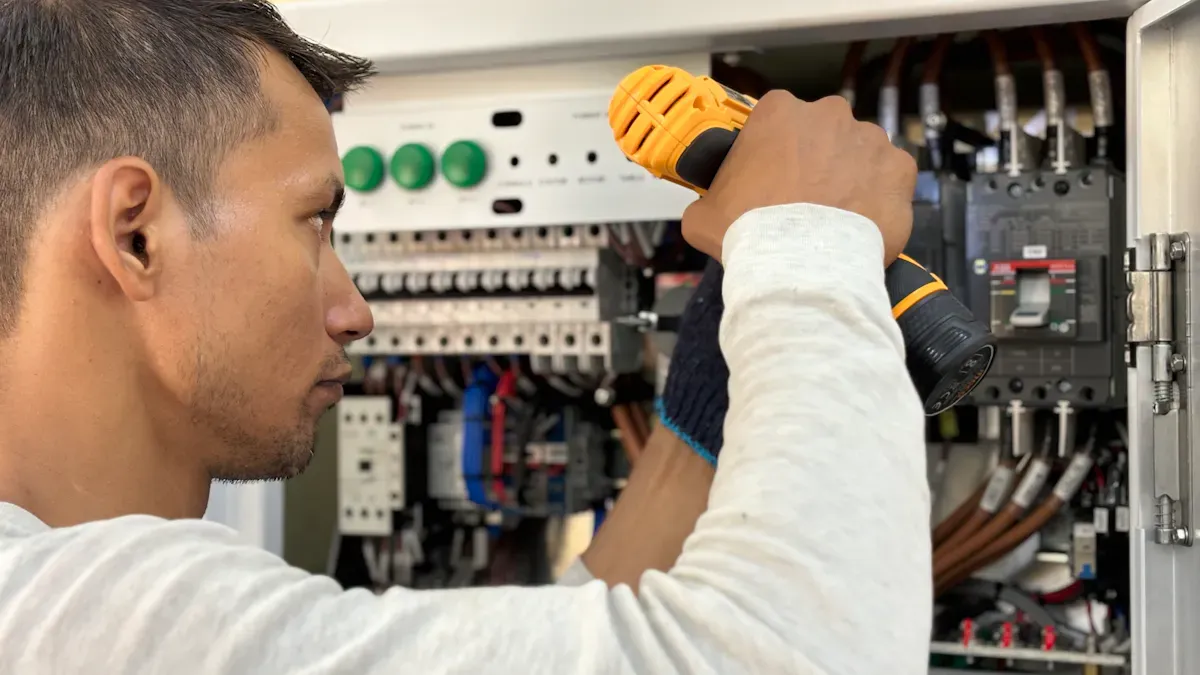
You gain many advantages when you use a Smart Power Distribution Unit in your telecom cabinets. These units go beyond basic power distribution. They offer advanced features like real-time monitoring, load statistics, and alarm functions. You can see the main differences in the table below:
Feature | Smart PDU | Basic PDU |
|---|---|---|
Function | Advanced power distribution, real-time monitoring, load statistics, alarm functions | Basic power distribution |
Monitoring Capability | Remote monitoring available | No monitoring capabilities |
Control Capability | Remote control features | No control capabilities |
Alarm Function | Automatic alarms for threshold breaches | Typically lacks alarm functions |
Applicability | Large data centers needing reliability and efficiency | Small or traditional data centers |
Cost | Higher cost due to advanced features | Lower cost, budget-friendly |
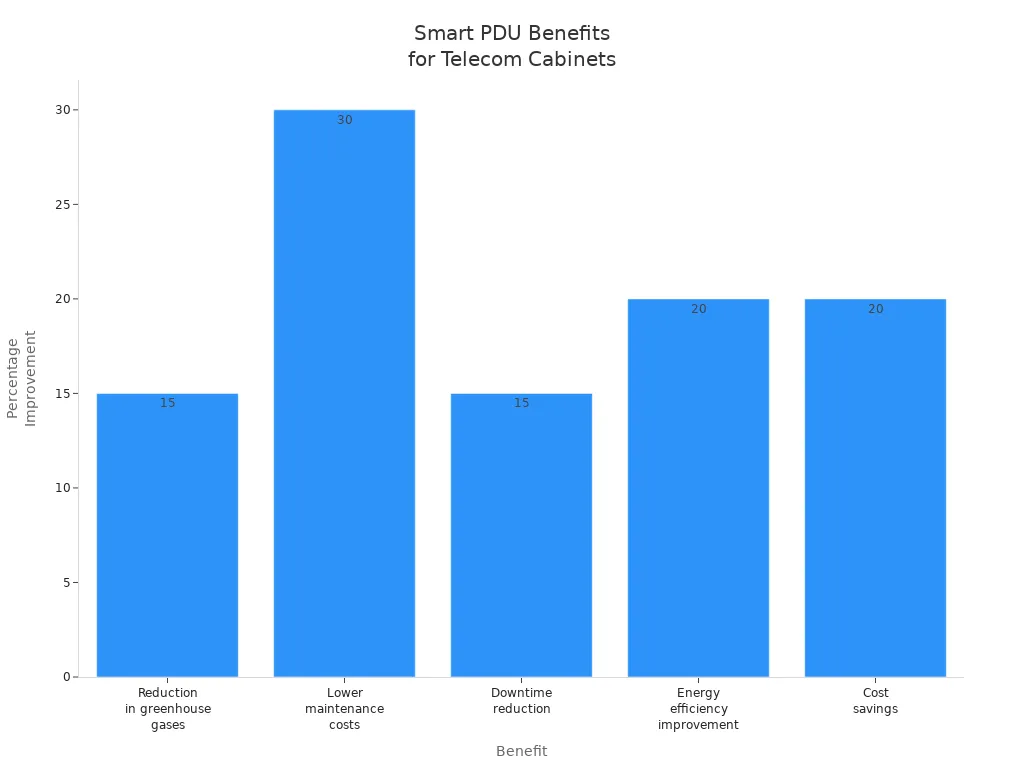
Smart Power Distribution Units help you reduce greenhouse gases by 15%, lower maintenance costs by 30%, and cut downtime by 15%. You can also improve energy efficiency by up to 20% and save up to 20% on costs.
Remote Monitoring and Control
You can monitor and control your telecom cabinets from anywhere with remote access. Real-time monitoring gives you instant insights into power usage and system health. Automated alerts notify you about power events, so you can act quickly. Predictive maintenance features help you spot issues like overheating before they cause failures. You can optimize energy use by shutting down inactive components and adjusting load distribution. Mobile access lets you check power status and energy consumption at any time.
Feature | Benefit |
|---|---|
Real-time monitoring | Immediate insights into power usage and potential issues |
Predictive maintenance | Early detection of problems for timely intervention |
Automated alerts | Quick response to power anomalies |
Energy optimization | Adjusts load and shuts down inactive parts for better efficiency |
Remote management | Access and control from anywhere |
ESTEL Product Highlights
ESTEL’s Smart Power Distribution Unit stands out for its robust construction and intelligent protocols. You get weatherproof cabinets, surge protection, and dehumidifying functions, which keep your equipment safe in harsh outdoor environments. The unit meets international standards like NEMA, FCC Part 15 Class A, TUVus, and IEC 62368, ensuring safety and reliability. You can easily integrate the unit with telecom power systems and cabinets, thanks to its flexible design and compatibility with industry-standard racks. Real-time monitoring and advanced heat dissipation help maintain stable performance, even in challenging conditions. ESTEL’s solution supports seamless operation and long-term durability for your telecom infrastructure.
Pilot Case Results and User Feedback
Deployment Scenario Overview
You can learn a lot from the real-world deployment of advanced power solutions in telecom cabinets. In a recent pilot case, engineers installed a Smart Power Distribution Unit across several outdoor telecom sites. These sites faced harsh weather, high humidity, and frequent power fluctuations. The deployment team followed a structured process. They began with site assessments and equipment preparation. They then installed the units, integrated them with existing telecom power systems, and trained local staff.
During the rollout, you might encounter challenges such as IT security concerns, data privacy, and the need for management support. The team addressed these by generating anonymized historical data for analysis and securing executive sponsorship. Dedicated project managers guided the process and motivated operators to engage with the new technology. This approach ensured a smooth transition and high adoption rates.
IT security and data privacy required careful planning and anonymized data.
Management support and active involvement helped drive project success.
Dedicated project managers kept the deployment on track.
Operator engagement improved through targeted training and clear procedures.
Testing and Performance Metrics
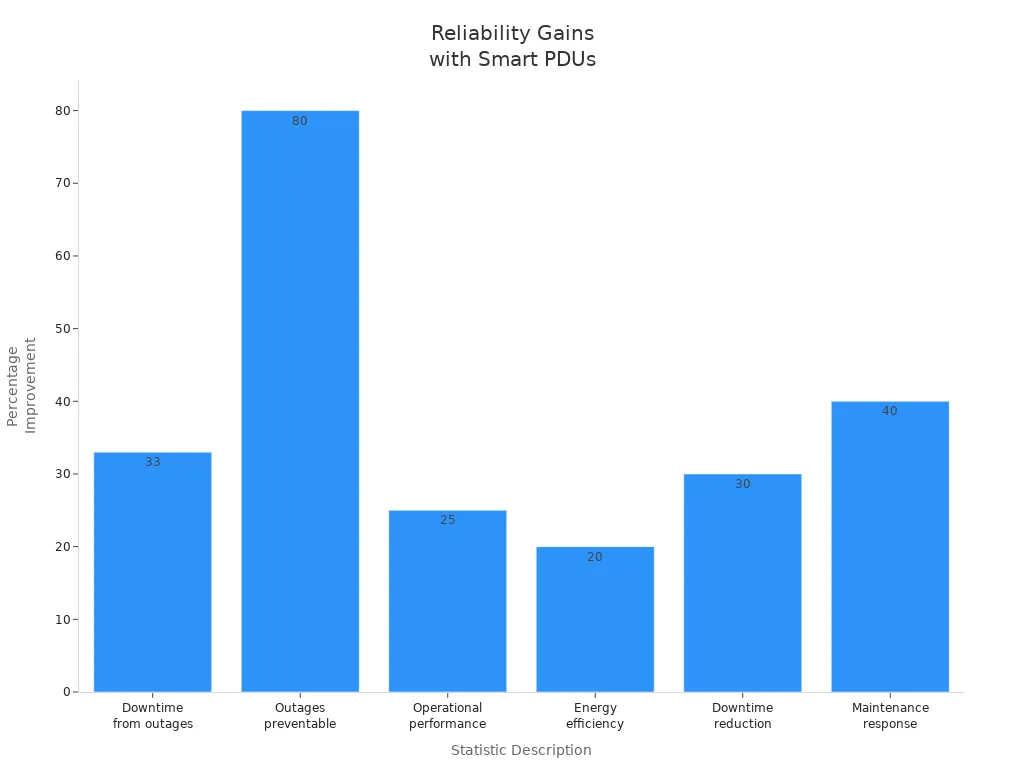
You can measure the impact of the Smart Power Distribution Unit through several key performance metrics. The pilot case focused on reliability, operational efficiency, and cost savings. Testing included integration checks, Factory Acceptance Testing (FAT), and site acceptance tests. The team monitored downtime incidents, maintenance response times, and energy efficiency before and after deployment.
The results showed significant improvements:
Statistic Description | Value / Impact |
|---|---|
Percentage of downtime caused by power outages | 33% |
Percentage of outages preventable by PDUs | 80% |
Improvement in operational performance with balanced loads | 25% |
Energy efficiency increase with metered PDUs | Up to 20% |
Reduction in downtime incidents | 30% decrease |
Improvement in maintenance response times | 40% faster |
You can see these improvements visually:
You also benefit from reduced network complexity. By consolidating multiple relays into one device, you simplify your infrastructure. The pilot case achieved up to 15 percent savings in life cycle costs. Real-time monitoring and remote management allowed you to track power usage and control outlets efficiently. Automated alerts helped prevent overloads and optimized resource allocation.
Benefit | Description |
|---|---|
Downtime Reduction | Intelligent PDUs reduce downtime by 25% or more through proactive monitoring and alerts. |
Efficiency Improvement | Automation of power management tasks improves efficiency and reduces manual intervention. |
Load Balancing | Distributes power evenly, preventing overloads and overheating. |
Security Measures | Ensures only authorized personnel can access critical systems. |
Environmental Monitoring | Helps maintain equipment reliability. |
Energy Cost Reduction | Companies have reported energy cost reductions of up to 20% through real-time monitoring. |
Scalability and Field Engineer Insights
You can scale your telecom infrastructure more easily with the right deployment strategy. Field engineers who participated in the pilot case shared valuable recommendations for future rollouts. They emphasized the importance of evaluating the total cost of ownership, including installation, operation, and training. As you increase purchase volumes, you can expect average costs to decrease.
Recommendation Type | Details |
|---|---|
Cost Evaluation | Consider the total cost of ownership, including purchase, installation, operation, maintenance, and training costs. Expect a decrease in average costs due to higher purchase volumes. |
Design and Engineering | Implement a new streamlined utility standard for process-based PACS rather than adapting legacy standards. Use a top-down IEC 61850 based engineering approach with interoperability requirements. |
Serial Deployment | Develop a PACS policy for digital solutions, standard PACS solutions, staff training, and knowledge conservation policies. |
Test Strategy | Focus on integration tests and Factory Acceptance Testing (FAT) before site acceptance. |
Commissioning Challenges | Address the need for new testing and commissioning tools, and manage the cultural shift and training required for staff. |
You should focus on integration tests and Factory Acceptance Testing before site acceptance. Field engineers also recommend developing policies for digital solutions and staff training. You need to address new testing tools and manage the cultural shift for your teams.
"The Smart Power Distribution Unit made our job easier. We spent less time on manual checks and responded faster to issues. The remote monitoring feature helped us prevent problems before they affected service."
— Field Engineer, Pilot Case
You can expect a 30% decrease in downtime incidents and a 40% improvement in maintenance response times. These results confirm the operational feasibility and scalability of the solution. As you expand your network, you will see consistent performance and cost savings.
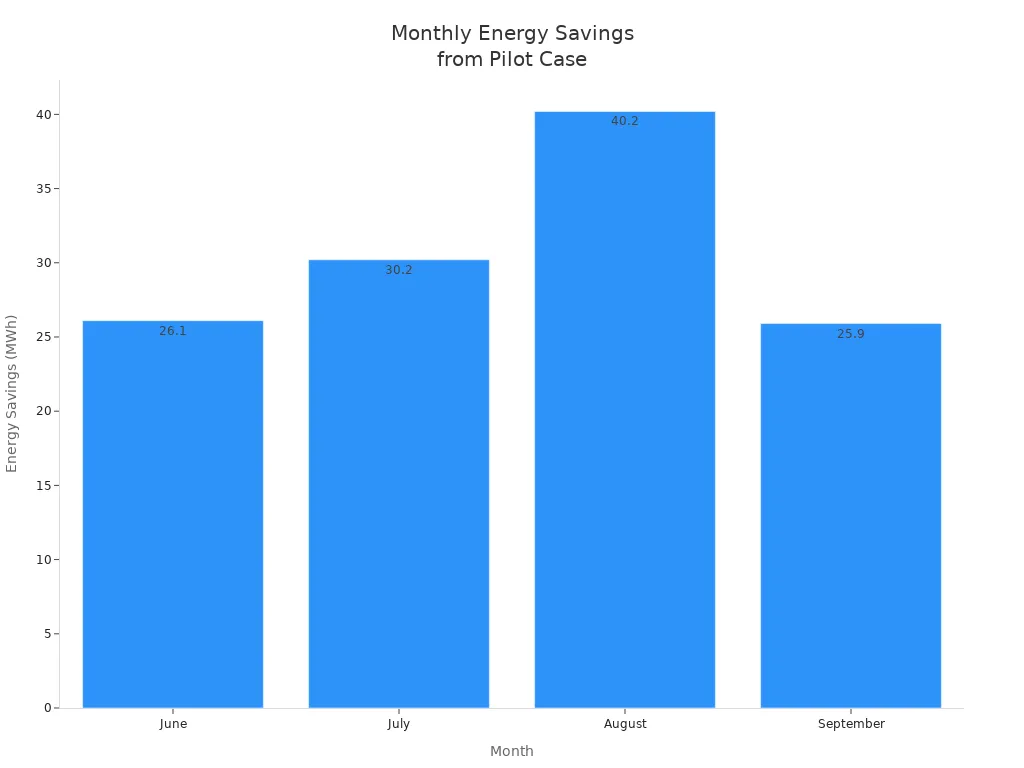
You see clear proof that ESTEL’s Smart Power Distribution Unit delivers scalable, reliable power management for telecom cabinets. The pilot case showed strong energy savings each month:
Month | Energy Savings (MWh) | Percentage of Annual Total |
|---|---|---|
June | 26.1 | 13.20% |
July | 30.2 | 13.53% |
August | 40.2 | 18.50% |
September | 25.9 | 13.07% |
Total |
You gain practical benefits:
Improved reliability and operational efficiency
Lower maintenance costs and less downtime
Easy expansion with modular, scalable solutions
Real-time monitoring for proactive management
You can future-proof your network by adopting ESTEL’s pilot case-verified solutions.
FAQ
How does the Smart Power Distribution Unit improve reliability in telecom cabinets?
You get real-time monitoring, surge protection, and automated alerts. These features help you detect issues early and prevent outages. You can trust your network to stay online, even in harsh environments.
Can you manage the Smart PDU remotely?
Yes, you can. The Smart PDU supports remote monitoring and control. You can check power status, adjust settings, and receive alerts from anywhere using a secure interface.
What makes ESTEL’s Smart PDU suitable for outdoor telecom sites?
ESTEL’s Smart PDU uses weatherproof construction, dehumidifying functions, and robust surge protection. You can deploy it in coastal, humid, or dusty locations with confidence.
What are the main technical specifications?
Feature | Specification |
|---|---|
Input Current | Up to 16A |
Outlets | 8 to 19 |
Dimensions | 600×450×185mm |
Display | LCD |
Dehumidifying | Yes |
How does the Smart PDU help reduce maintenance costs?
You can use predictive maintenance and remote diagnostics. These tools let you fix problems before they cause failures. You save time and lower your maintenance expenses.
See Also
Ensuring Consistent Power Supply for Telecom Equipment Cabinets
Solar Energy Storage Solutions for Telecom Equipment Cabinets
Understanding ESTEL PDUs and Their Importance in Data Centers
Latest Innovations in Outdoor Telecom Equipment Cabinets
Exploring the Functions and Applications of Telecom Cabinets
CALL US DIRECTLY
86-13752765943
3A-8, SHUIWAN 1979 SQUARE (PHASE II), NO.111, TAIZI ROAD,SHUIWAN COMMUNITY, ZHAOSHANG STREET, NANSHAN DISTRICT, SHENZHEN, GUANGDONG, CHINA
