Smart PDU and Sensor Network Integration in Telecom Cabinets: Linked Analysis of Environmental Parameters and Power Data

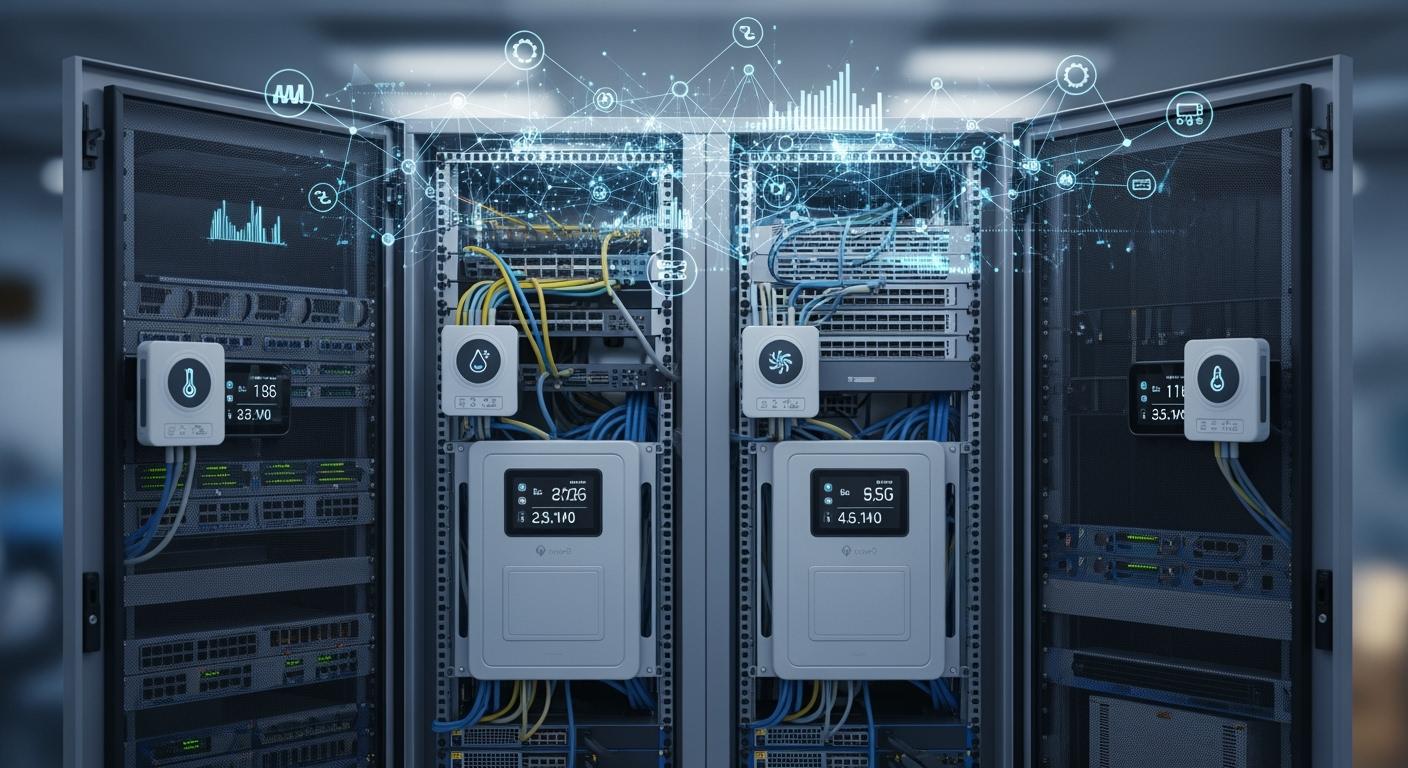
When you integrate a Smart Power Distribution Unit with sensor networks in your telecom cabinets, you unlock actionable insights by linking power and environmental data. This approach brings you measurable gains:
Improvement Type | Description |
|---|---|
Energy Efficiency | Real-time monitoring of power usage helps data centers save costs. |
Equipment Uptime | Improved equipment uptime by 20% through outlet-level monitoring. |
Reduced Maintenance | Lower maintenance costs due to smart technology integration. |
Load Balancing | Prevents overloads and extends equipment lifespan, ensuring reliable operations. |
Remote Management | Control power distribution from anywhere, improving response times. |
You benefit from advanced features like remote monitoring, which lets you analyze trends, reduce unnecessary site visits, and support sustainability. ESTEL leads the industry with innovative solutions that help you achieve greater efficiency and reliability in your telecom infrastructure.
Key Takeaways
Integrating Smart PDUs with sensor networks improves energy efficiency, reducing costs by up to 30%.
Real-time monitoring helps prevent downtime, increasing equipment uptime by 20%.
Remote management tools allow you to control power distribution from anywhere, saving time and resources.
Predictive maintenance alerts you to potential issues before they cause problems, enhancing network reliability.
Unified data insights from linked power and environmental data support better decision-making and operational efficiency.
Linked Analysis for Telecom Cabinets
Unified Data Insights
You gain a powerful advantage when you combine data from your Smart Power Distribution Unit and sensor networks in telecom cabinets. This integration allows you to see how power and environmental factors interact. You can track patterns, spot risks, and make informed decisions quickly. The following table shows the main types of data you can link and analyze:
Data Type | Importance |
|---|---|
Load Cycle Data | Essential for modeling remaining useful life (RUL) by tracking charge-discharge cycles and stress on components. |
Voltage and Current | Critical for assessing health of power systems; fluctuations can indicate potential failures and inefficiencies. |
Temperature Data | Vital for predicting RUL; high temperatures can accelerate degradation and risk of failure. |
You use unified data analysis to get a complete view of your telecom power systems. This approach brings several benefits:
You integrate technical, operational, and business data for a comprehensive perspective.
You improve decision-making speed and accuracy with consistent and reliable information.
You enable real-time monitoring and AI-powered insights, which help you identify risks and opportunities quickly.
You promote better collaboration across departments by using a unified data set.
You support predictive maintenance and automated alerts, reducing downtime and optimizing site performance.
Tip: Unified data insights help you anticipate problems before they affect your network. You can act early and avoid costly outages.
Operational Benefits
When you link environmental and power data, you unlock new ways to manage your telecom cabinets. You can use AI to control energy consumption across your network. For example, you can optimize cooling systems, adjust server workloads, and shut down idle resources. This ensures you use energy efficiently and keep costs low.
You can look at Google's DeepMind AI as an example. It reduced energy used for cooling in data centers by 40%. You can apply similar AI-driven solutions in your telecom cabinets to improve energy management.
You also benefit from a focus on renewable energy. Some telecom operators have achieved minimal Scope 2 carbon footprints. This shift lowers operational costs and prepares you for increased demand as climate change drives more telecom service usage.
You use the Smart Power Distribution Unit to monitor and control power in real time. You combine this with sensor data to maintain optimal conditions. You reduce maintenance costs, extend equipment life, and support sustainability goals.
Note: Linked analysis helps you meet regulatory requirements and environmental standards. You build a more resilient and future-ready telecom infrastructure.
Smart Power Distribution Unit Overview
Key Features of ESTEL’s Smart PDU
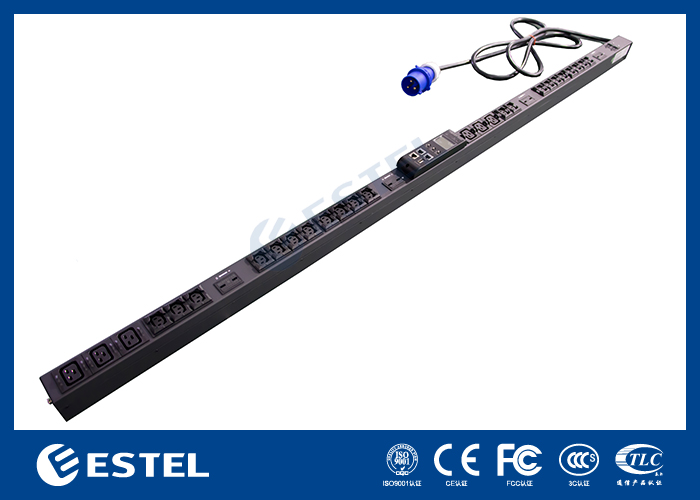
You rely on the Smart Power Distribution Unit to manage electricity in your telecom cabinets. This device gives you control over power flow and helps you avoid disruptions. You can monitor temperature, humidity, airflow, smoke, water leaks, and security. The unit tracks energy usage and carbon emissions, which helps you meet regulations. You access the system remotely and solve problems quickly. After installation, you see energy consumption drop by up to 15%.
Here is a summary of the main functions and technical specifications:
Feature | Description |
|---|---|
Power Management | Efficiently manages and distributes electricity in telecom cabinets. |
Reliability | Ensures steady and reliable electricity to prevent disruptions. |
Environmental Monitoring | Monitors temperature, humidity, airflow, smoke, water leaks, and security. |
Energy Tracking | Tracks energy usage and carbon emissions for compliance with regulations. |
Remote Access | Allows quick problem resolution to minimize downtime. |
Efficiency Improvement | Reduces energy consumption by up to 15% after installation. |
You notice several advanced features that set ESTEL’s Smart Power Distribution Unit apart from traditional models. You get remote monitoring, outlet-level control, and real-time data analysis. You also benefit from advanced energy efficiency management.
Feature | Smart PDUs (ESTEL) | Traditional PDUs |
|---|---|---|
Remote Monitoring | Yes | No |
Outlet-Level Control | Yes | No |
Real-Time Data Analysis | Yes | No |
Energy Efficiency Management | Advanced capabilities | Basic capabilities |
Tip: You improve your cabinet’s reliability and efficiency when you choose a Smart Power Distribution Unit with these advanced features.
Environmental Sensor Integration
You integrate environmental sensors with your Smart Power Distribution Unit for complete monitoring. Sensors measure temperature, humidity, and airflow. You detect smoke and water leaks early. Security sensors alert you to unauthorized access. The unit collects all sensor data and sends it to your central management system. You view real-time conditions and respond to changes immediately.
You use this integration to protect your equipment and maintain optimal performance. You reduce downtime and extend the life of your telecom infrastructure. You also support sustainability by tracking energy use and environmental impact.
Note: You create a safer and smarter telecom cabinet when you combine power management with environmental monitoring.
Integration Process and Connectivity
Communication Protocols
You need reliable communication protocols to connect your Smart Power Distribution Unit and sensor networks in telecom cabinets. These protocols help devices share data and work together smoothly. The table below shows the most common options you will encounter:
Protocol | Description |
|---|---|
Modbus | Connects industrial electronic devices, widely used for automation. |
PROFIBUS | Offers reliable communication in noisy environments. |
EtherNet/IP | Combines Ethernet hardware with manufacturing-specific functions. |
OPC UA | Provides platform independence and strong security for integration. |
You select a protocol based on your cabinet’s environment and the types of devices you use. Modbus and EtherNet/IP work well for most telecom setups. OPC UA gives you extra security and flexibility if you need to connect different brands or platforms.
Centralized Management
You improve efficiency and scalability when you manage your telecom cabinet systems from a single dashboard. Centralized platforms let you monitor power and environmental data together. You see instant alerts and analytics, which help you make quick decisions and prevent problems.
Centralized platforms consolidate monitoring data, allowing management of various sensor types from a single dashboard.
This unified view enhances operational efficiency and supports proactive maintenance.
Real-time remote monitoring provides instant alerts and detailed analytics, enabling informed decision-making to improve reliability and reduce costs.
Multisensors combine several technologies in one device, making installation easier. Platforms such as Raritan’s Smart Rack Controller handle data from many sensors and work with your existing infrastructure. Features like API access and SNMP support let you customize your system and connect it to other IT management tools.
Tip: Calibrate your monitoring components regularly. Accurate sensors and alarms help you meet industry standards and reduce the risk of power failures.
Recommended Steps for Integration
You follow these steps to integrate smart PDUs and sensor networks in your telecom cabinets:
Inspect the cabinet for dust and moisture. Clean the area to prevent future problems.
Mount the PDU securely. Use the provided hardware for stability.
Connect the input power cable. Make sure the voltage and current ratings match the unit’s requirements.
Attach devices to the outlets. Label each connection for easy identification.
Power on the unit. Watch the LCD display for startup information.
Test each outlet. Confirm that surge protection and monitoring features work as expected.
You maintain reliability by following a regular maintenance schedule. Visual inspections help you spot wear or damage early. Cleaning the unit reduces dust buildup and improves energy efficiency. Document every maintenance activity for future reference.
Note: Integrating your Smart Power Distribution Unit with sensor networks and centralized management platforms prepares your telecom cabinets for future growth and evolving technology.
Real-Time Monitoring and Remote Control
Power and Environment Monitoring
You gain a clear advantage when you use real-time monitoring in your telecom cabinets. The Smart Power Distribution Unit works with environmental sensors to give you instant feedback on your system’s health. You see live data on power usage, temperature, and humidity. This information helps you protect your equipment and optimize performance.
You track power consumption in real time, which lets you analyze trends and spot inefficiencies.
Sensors measure temperature and humidity, so you can prevent overheating and moisture damage.
You receive alerts when conditions move outside safe limits, allowing you to act before problems escalate.
Outlet-level control ensures each device gets the right amount of power.
Real-time insights help you avoid failures and keep your network running smoothly.
You use this data to make quick decisions. Proactive management reduces downtime and improves energy efficiency. You keep your equipment safe and extend its lifespan.
Remote Management with ESTEL Solutions
You control your telecom cabinets from anywhere with ESTEL’s remote management tools. This capability means you do not need to visit sites as often. For example, a telecom operator in Alaska reduced site visits from four times a year to just once by using remote monitoring software. The system tracked over 85 alarm points, which improved reliability and cut operational costs.
You see several benefits from remote management:
You reduce energy consumption by 15%.
Equipment uptime improves by 20%.
Maintenance response times become 40% faster.
You also use predictive maintenance to spot early warning signs. This approach helps you prevent unplanned outages and lowers operational costs. You respond to issues quickly, keeping your network reliable and efficient.
Tip: Remote management gives you peace of mind. You know your telecom cabinets stay protected and efficient, even in remote or harsh environments.
Data Analytics and Reporting
Actionable Insights
You gain powerful insights when you analyze power and environmental data from your telecom cabinets. These insights help you make smarter decisions and improve your operations. You can see where energy gets wasted, spot trends in equipment performance, and identify risks before they become problems. Data analytics lets you track key metrics that matter for your business and the environment.
Here is a table that shows what you can achieve with strong analytics:
Metric | Value |
|---|---|
Estimated annual electricity savings | |
Cost reduction | $163 million annually |
Reduction in greenhouse gas emissions | 596,114 metric tons |
Potential outage prevention | Up to 80% |
You use these numbers to set goals and measure progress. For example, you can lower your electricity bills and reduce your carbon footprint. You also prevent outages, which keeps your network running smoothly. Analytics helps you find the best ways to save money and protect the environment.
Tip: Review your analytics dashboard regularly. You will spot patterns and catch issues early.
Predictive Maintenance
You improve reliability when you use predictive maintenance powered by linked data analysis. This approach uses AI to watch for early signs of equipment trouble. You get alerts before failures happen, so you can fix problems before they cause downtime. Predictive maintenance also helps you plan your work and avoid unnecessary repairs.
The table below highlights the main benefits:
Benefit | Description |
|---|---|
AI predictive technology identifies early signs of equipment failure, allowing proactive maintenance to prevent service disruptions. | |
Cost Savings | Optimizing maintenance schedules based on actual equipment condition reduces unnecessary tasks and costs associated with emergency repairs. |
Enhanced Customer Satisfaction | A stable network ensures fast and reliable services, leading to higher user satisfaction and trust. |
You keep your network stable and your customers happy. You also save money by fixing only what needs attention. Predictive maintenance turns your data into real value for your business.
Note: Predictive maintenance helps you move from reactive to proactive operations. You stay ahead of problems and build a stronger telecom network.
Implementation and Best Practices
Planning and Installation
You start by preparing your telecom cabinet for installation. Remove any debris and check that the cabinet size matches the Smart Power Distribution Unit specifications. Position the PDU securely in the designated spot to ensure stability. Connect the PDU to the main power supply, confirming that the voltage and current ratings are correct. Distribute power to your telecom devices using labeled cables. This step helps you identify connections quickly during future maintenance. Power on the unit and test each outlet to confirm stable power delivery.
Here is a checklist to guide your installation process:
Clean the cabinet and verify size compatibility.
Securely mount the Smart PDU.
Connect to the main power supply with correct ratings.
Label and attach device cables.
Test the unit for stable operation.
You benefit from real-time alerts that notify you of power issues. Environmental sensors track temperature and humidity, helping you maintain optimal conditions. Remote management lets you control devices from anywhere. Automated responses reduce Mean Time to Repair (MTTR). Unified monitoring gives you better visibility and helps you plan for future upgrades.
Tip: Careful planning during installation ensures reliable performance and simplifies future maintenance.
Maintenance and Optimization
You keep your system running smoothly by following a regular maintenance schedule. Monitor power consumption to spot inefficiencies early. Balance loads across outlets to prevent overheating and extend equipment lifespan. Clean the cabinet and inspect electrical connections to catch wear or issues before they cause problems. Upgrade to intelligent PDUs for real-time energy tracking and optimized power distribution. Address power quality issues by using monitoring systems that detect and resolve problems quickly.
Strategy | Description |
|---|---|
Regular Monitoring | Track power use and catch inefficiencies before they escalate. |
Balanced Loads | Distribute power evenly to avoid overheating and equipment damage. |
Cleaning and Inspections | Identify wear or connection issues for reliable operations. |
Upgrading to Intelligent PDUs | Use advanced features for real-time monitoring and energy optimization. |
Addressing Power Quality | Detect and resolve issues before they impact equipment performance. |
Utilize predictive maintenance strategies to anticipate equipment issues before they arise. This approach extends the lifespan of your network equipment and reduces the risk of outages.
Note: Consistent maintenance and optimization help you maximize the value of your Smart Power Distribution Unit and sensor networks.
Overcoming Integration Challenges
Data Security
You face several challenges when you protect power and environmental data in smart telecom cabinets. Strong data security keeps your network safe and reliable. You must address both physical and digital threats.
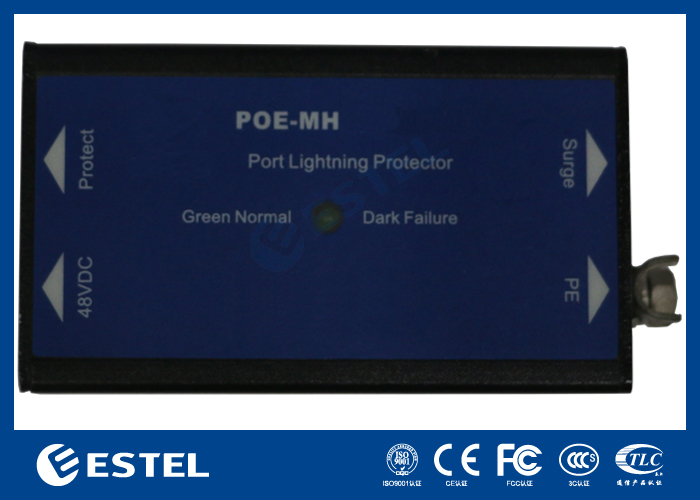
Surge protection for AC or DC power inputs prevents service disruptions. You keep your equipment safe from unexpected voltage spikes.
Environmental protection matters. You use thermal regulation, sealing against water and dust, corrosion resistance, and EMI shielding. These features guard your cabinet from harsh conditions.
Locking cabinets with advanced steel and tamper-resistant designs stop unauthorized access. You add another layer of defense.
Access control systems with smart locks, such as RFID or biometric locks, ensure only authorized personnel enter. You control who can reach sensitive equipment.
Durable designs and advanced protective measures help you prevent vandalism and theft. You secure your investment in outdoor locations.
Tip: Combine physical security with digital monitoring for the best protection. Regularly check your systems for signs of tampering or damage.
Legacy System Compatibility
You may need to integrate smart PDUs and sensor networks with older telecom cabinets. Careful planning helps you avoid common pitfalls. You can follow a clear process to ensure compatibility.
Step | Description |
|---|---|
1 | Careful planning and expert support are essential for overcoming integration hurdles. |
2 | Use plug-and-play designs for rapid retrofitting of legacy equipment. |
3 | Implement real-time monitoring and remote management to ensure system reliability. |
You also improve your installation process with a few practical tips:
Use labeled cables to avoid mistakes during setup.
Match all specifications to ensure each device works as intended.
Inspect each unit and sensor for damage before installation.
Note: Upgrading legacy systems with smart technology increases reliability and extends the life of your telecom infrastructure. You gain the benefits of modern monitoring without replacing your entire setup.
ESTEL Case Study
Deployment Success Story
You can see how ESTEL’s integrated smart PDU and sensor network solutions transform telecom cabinet operations. GreenConnect, a major telecom operator, faced frequent downtime and high energy costs at several remote sites. You might recognize similar challenges in your own network. GreenConnect chose ESTEL’s outdoor telecom cabinets with smart PDUs and environmental sensors. The installation team followed a step-by-step process. They mounted the smart PDU, connected sensors for temperature and humidity, and linked everything to a centralized management platform.
You benefit from real-time monitoring and remote control. The system sends instant alerts when conditions change. You can adjust power distribution and environmental settings without visiting the site. GreenConnect reduced the number of emergency maintenance trips. You save time and resources by using remote management tools.
A leading telecom provider also adopted ESTEL’s solution for a network expansion project. You can scale your infrastructure easily. The provider integrated smart PDUs with legacy cabinets. You detect issues early and maintain high reliability. The seamless integration supports future upgrades.
Tip: You improve network stability and reduce operational costs when you choose a proven deployment strategy.
Measurable Outcomes
You want to know the results. ESTEL’s clients report significant improvements after deploying smart PDUs and sensor networks. The following table shows key performance metrics and cost savings:
Client / Case Study | Performance Metrics and Cost Savings Reported |
|---|---|
GreenConnect | 30% reduction in energy use; 25% reduction in downtime; 40% reduction in CO2 emissions |
Leading Telecom Provider | Energy efficiency up to 97.8%; early issue detection; seamless network expansion |
You achieve up to 30% lower energy consumption. You experience 25% less downtime. You help your company cut carbon emissions by 40%. You reach energy efficiency levels near 98%. You spot problems before they affect service. You expand your network without major disruptions.
Note: You can use ESTEL’s integrated solutions to reach your sustainability goals and improve your telecom cabinet performance.
Future Trends in Smart Cabinets
AI and IoT Evolution
You will see artificial intelligence and the Internet of Things (IoT) change how you manage telecom cabinets. AI now plays a key role in making your network smarter and more reliable. You can use AI to predict hardware failures by analyzing historical data and spotting patterns. This helps you fix problems before they cause downtime.
AI-driven automation lets your system monitor and adjust network conditions on its own. You do not need to make every decision manually. This automation improves reliability and lowers your costs. Tools like Power Saving Advisor use AI to study your power usage and suggest ways to save energy. You can align your operations with environmental goals more easily.
AI also helps create self-optimizing networks. These networks use real-time traffic data to improve quality without your direct input. You get a network that learns and adapts, making your job easier.
AI predicts hardware failures using pattern recognition.
Automation powered by AI adjusts network conditions for you.
Power-saving tools analyze usage and suggest improvements.
Self-optimizing networks enhance quality based on live data.
Note: AI and IoT together give you more control and insight, making your telecom cabinets smarter every year.
Expanding Capabilities
You can expect new features in the next generation of smart PDUs and sensor networks. Real-time monitoring will let you track energy use and environmental conditions all the time. You will see intelligent power management that adjusts load distribution based on live data. This means your system can react quickly to changes and avoid overloads.
Smart cabinets will also support renewable energy sources. You can connect solar panels or wind turbines directly to your cabinet. This helps you use cleaner energy and reduce your carbon footprint.
Real-time monitoring keeps you updated on energy and environment.
Intelligent power management balances loads for better efficiency.
Integration with renewables supports sustainability goals.
You will find these new capabilities make your network more efficient, reliable, and eco-friendly. Smart cabinets will continue to evolve, giving you tools to meet tomorrow’s challenges.
You gain clear advantages when you integrate smart PDUs and sensor networks in your telecom cabinets. The table below shows how these solutions outperform traditional methods:
Benefit | Smart PDUs | Traditional Methods |
|---|---|---|
Energy Efficiency | N/A | |
Downtime Reduction | Decreases downtime by 25% | N/A |
Real-time Monitoring | Yes | No |
Predictive Maintenance | Yes | No |
Remote Management | Yes | Limited |
ESTEL stands out for quality and innovation. Customers trust ESTEL for reliable power solutions, with rectifier modules deployed in over 50 countries and industry-leading efficiency up to 96%. Looking ahead, you will see smarter cabinets with IoT integration, modular designs, and improved energy efficiency. These trends will help you build a more reliable and sustainable telecom network.
FAQ
What is a Smart Power Distribution Unit (PDU)?
A Smart PDU lets you monitor and control power in telecom cabinets. You get real-time data, remote management, and surge protection. You improve efficiency and protect your equipment.
How do environmental sensors work with a Smart PDU?
Sensors measure temperature, humidity, and airflow. You connect them to the Smart PDU. The system sends alerts if conditions change. You keep your equipment safe and avoid downtime.
Can you manage ESTEL’s Smart PDU remotely?
Yes, you use remote management tools. You monitor power, receive alerts, and control outlets from anywhere. You reduce site visits and respond faster to issues.
What benefits do you get from integrating smart PDUs and sensors?
You save energy, lower costs, and improve reliability. You spot problems early and extend equipment life. You support sustainability and meet regulatory standards.
See Also
Understanding ESTEL PDUs and Their Importance in Data Centers
Solar Energy Storage Solutions for Telecom Equipment Cabinets
Ensuring Effective Monitoring for Outdoor Telecom Equipment
Guaranteeing Consistent Power Supply for Telecom Equipment Cabinets
Enhancing Outdoor Cabinets with Power, Cooling, and Monitoring
CALL US DIRECTLY
86-13752765943
3A-8, SHUIWAN 1979 SQUARE (PHASE II), NO.111, TAIZI ROAD,SHUIWAN COMMUNITY, ZHAOSHANG STREET, NANSHAN DISTRICT, SHENZHEN, GUANGDONG, CHINA
