Predictive Alerts: How Modern Rectifiers Warn Before They Fail.

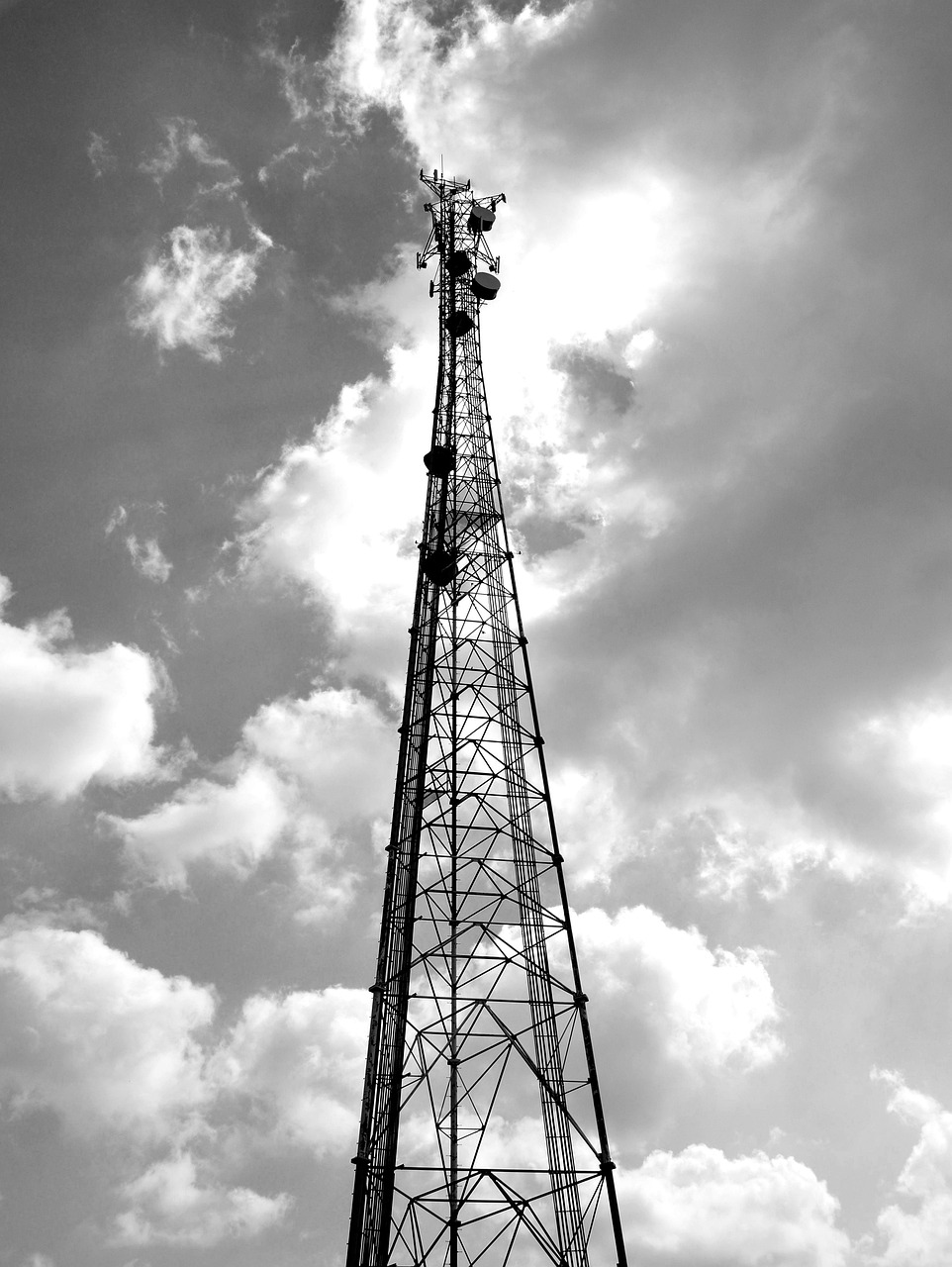
A sudden failure in a smart telecom cabinet can disrupt vital communication services. Modern rectifiers, such as ESTEL’s, use predictive alerts to warn operators before equipment stops working. These systems track voltage, current, and temperature in real time, using AI and machine learning to spot early warning signs. Recent studies show that predictive maintenance improves network reliability, cuts costs, and reduces downtime. Early detection helps ensure strong service quality and uninterrupted connectivity.
Key Takeaways
Predictive alerts in modern rectifiers help operators detect issues before failures occur, ensuring uninterrupted communication services.
Real-time monitoring of voltage, current, and temperature allows for early identification of potential problems, reducing downtime and maintenance costs.
Automated alerts notify operators instantly of abnormal conditions, enabling proactive maintenance and minimizing the risk of major outages.
Machine learning enhances predictive maintenance by analyzing data patterns, leading to improved accuracy and reduced labor costs.
Investing in predictive maintenance strategies can significantly improve network reliability and extend the lifespan of telecom equipment.
Predictive Maintenance in Smart Telecom Cabinets
Role of Real-Time Monitoring
Predictive maintenance in a smart telecom cabinet relies on continuous observation of critical parameters. Operators use real-time monitoring to track voltage, current, and temperature. This approach helps them identify problems before they cause outages. High-efficiency rectifier modules work with advanced sensors to collect data every second. These sensors measure temperature, humidity, airflow, and power metrics. The system uses this data to spot unusual patterns that may signal a fault.
Sensor Type | Function |
|---|---|
IoT Sensors | Track critical parameters such as temperature, humidity, airflow, and power metrics in real time. |
Environmental Monitoring Sensors | Prevent equipment damage by maintaining optimal conditions inside the cabinet. |
Fault Detection Systems | Monitor temperature, humidity, smoke, water ingress, door status, and battery health. |
AI-driven Analytics | Identify issues before they escalate using predictive analytics and real-time alerts. |
Operators benefit from remote monitoring tools that allow them to check the status of high-efficiency rectifier modules from any location. Remote monitoring also supports quick responses to abnormal readings. This system reduces the need for frequent site visits and helps maintain service quality.
Note: Real-time monitoring not only tracks essential metrics but also integrates built-in safeguards like overload protection and thermal management. These features help prevent equipment damage and extend the life of smart rectifier module features.
Automated Alerts for Early Warning
Automated alerts form a core part of predictive maintenance features in smart telecom cabinets. The system uses data from sensors to trigger alerts when it detects abnormal conditions. Operators receive these alerts instantly, which allows them to act before minor issues become major failures.
Feature | Description |
|---|---|
Real-Time Status Checks | Operators can monitor rectifier status, power distribution, battery health, and environmental conditions. |
Automated Alerts | Intelligent alarms notify staff of deviations, failures, or unauthorized access through various channels. |
Integration with Third-Party | Protocols like SNMP, ModbusTCP, MQTT, and HTTP enable seamless data sharing and centralized management. |
Flexible Access | Remote management tools allow quick responses outside regular hours. |
Scalability | Modular design supports easy expansion and high operational reliability. |
Automated alerts are delivered through remote monitoring systems. These systems let operators set custom thresholds for temperature, humidity, and security. When sensors detect a problem, the system sends an alert through email, SMS, or a central dashboard. This immediate notification helps prevent outages and reduces maintenance costs.
Operators can manage multiple smart telecom cabinets from a single platform. IoT-enabled systems connect all sensors and devices, making data collection and monitoring efficient. This connectivity ensures that operators receive timely alerts and can respond quickly to any issue.
A modern predictive maintenance system in a smart telecom cabinet includes several important components:
AI integration for optimizing environmental conditions and early fault detection.
Dynamic energy management and real-time monitoring to minimize equipment wear.
Modular and scalable designs for infrastructure growth.
Routine cleaning and inspection schedules for solar panels and connections.
Monitoring battery health and establishing preventive maintenance schedules.
Weatherproofing all components to protect against environmental hazards.
Keeping detailed records of maintenance activities.
Training staff on maintenance procedures and monitoring tools.
ESTEL’s predictive maintenance solutions use advanced algorithms and real-time monitoring to detect potential failures before they happen. This approach leads to lower downtime and maintenance costs compared to traditional methods. By using predictive maintenance, organizations can address issues early, improve operational efficiency, and avoid emergency repairs.
Machine Learning and Data Analytics in Rectifiers
Detecting Anomalies and Patterns
Machine learning has transformed predictive maintenance in telecom infrastructure. High-efficiency rectifier modules now use sensors to collect data on voltage, current, and temperature. These systems compare actual performance with expected results over time. This process helps operators schedule maintenance before equipment degradation leads to failure. Machine learning can spot subtle changes in data that manual inspection might miss. Early fault detection becomes possible because algorithms recognize patterns and anomalies in real time.
The table below compares pattern recognition with manual inspection for predicting rectifier failures:
Aspect | Pattern Recognition (PCB_SS) | Manual Inspection |
|---|---|---|
Accuracy | Improved accuracy in defect detection | Higher chances of false detection |
Labor Costs | Reduced labor costs | High labor costs due to manual verification |
Speed | 25 ms per inspection | Time-consuming |
Data Handling | Utilizes both labeled and unlabeled data | Relies solely on labeled data |
Error Resistance | Robust against noisy data | Prone to errors without expertise |
Pattern recognition not only improves accuracy but also reduces labor costs and inspection time. High-efficiency rectifier modules benefit from these advances, as they can process large volumes of data quickly and reliably.
AI-Driven Predictive Alerts
AI-driven predictive alerts play a key role in remote monitoring and predictive maintenance. These alerts use data analytics to trigger notifications only when significant changes occur in equipment conditions. This approach reduces false positives and helps maintenance teams focus on real issues. Operators receive fewer unnecessary alerts, which prevents alert fatigue and wasted resources.
AI-driven predictive maintenance can reduce downtime by up to 50%.
Maintenance costs may decrease by as much as 30%.
Operators using AI-powered dynamic power optimization have reported 20% energy savings.
AI adapts to changing machine behavior in real time, leading to minimal false alarms.
Maintenance teams may only receive one anomaly alert every couple of months, reducing alert fatigue.
Dynamic scheduling based on actual equipment health prevents wasted resources.
Remote monitoring platforms integrate smart rectifier module features with advanced analytics. These systems ensure that operators can act before outages occur. By using machine learning and data analytics, telecom operators can extend the lifespan of their equipment and maintain reliable service.
Operational Benefits of Automated Alerts

Reducing Downtime and Costs
Automated alerts give operators the power to act before failures occur. These systems use remote monitoring and sensors to detect abnormal conditions in high-efficiency rectifier modules. Operators receive instant notifications, which allows them to schedule repairs before outages happen. Predictive maintenance becomes possible because the system analyzes data from smart rectifier module features and identifies early warning signs.
AI-driven predictive maintenance can reduce downtime by up to 50%.
GreenConnect achieved a 25% reduction in downtime through advanced rectifier technology and predictive maintenance.
Automated alerts enable proactive maintenance by detecting potential failures early.
Early detection minimizes downtime and reduces the need for costly emergency repairs.
Remote monitoring platforms collect data from network devices and sensors. Machine learning analyzes this information to spot patterns that indicate possible faults. By monitoring key performance indicators, the system generates timely alerts. Operators can then plan maintenance activities, which lowers labor costs and prevents emergency interventions. These insights help organizations extend the lifespan of high-efficiency rectifier modules and maintain service quality.
Improving Reliability and Safety
Automated alerts improve the reliability of telecom networks by enabling real-time monitoring and rapid issue identification. Operators can respond quickly to problems, which reduces service disruptions and increases operational efficiency. Machine learning techniques provide more accurate anomaly detection than traditional methods, which helps minimize false positives.
Evidence Description | Impact on Safety Compliance |
|---|---|
Automated alert systems notify you immediately of faults. | This allows for rapid troubleshooting and early intervention, enhancing safety compliance. |
Operators receive alerts when sensors detect abnormal conditions. | This enables teams to act before small issues escalate into major problems, ensuring compliance. |
Automated alerts ensure that no critical event goes unnoticed. | Teams receive notifications via various channels, allowing for timely responses to safety issues. |
Remote monitoring ensures that operators never miss a critical event. Automated alerts support compliance with safety standards by providing immediate notifications. Teams can address hazards before they become serious, which protects both equipment and personnel. These benefits make predictive maintenance and automated alerts essential for modern telecom operations.
Implementation Challenges and Best Practices
Integration and Data Management
Telecom operators often face significant challenges when integrating predictive maintenance systems with legacy infrastructure. Many older systems lack real-time monitoring and predictive capabilities. Compatibility issues arise because legacy equipment struggles to communicate with modern technologies. These limitations can lead to operational inefficiencies and reliability concerns. Scalability also becomes a problem, as outdated systems cannot handle the increased data demands of advanced operations.
Legacy infrastructure limitations restrict real-time monitoring.
Compatibility issues hinder communication between old and new systems.
Scalability limitations require upgrades to support more data.
Reliability concerns increase maintenance costs and risk downtime.
Telecom Solutions Ltd. addressed these challenges by implementing predictive analytics and automated alert systems. They managed complex service contracts more efficiently, reducing dispute cases by 50% and detecting breaches 80% faster. The company avoided $2.4 million in penalties within the first year. These results show how predictive maintenance and machine learning can deliver valuable insights and improve grid resilience, especially during extreme weather events.
Cybersecurity and Worker Guidance
Securing data remains a top priority for telecom operators. Companies use encryption and access controls to protect confidentiality. Blockchain technology ensures data integrity by creating permanent, unchangeable records. Decentralized storage solutions maintain data availability even during cascading failures. Multi-factor authentication and regular security audits further strengthen defenses.
Blockchain delivers great data integrity by default due to its immutable nature. Once data is added to the blockchain, it cannot be changed, ensuring a permanent and irreversible record.
Training programs play a key role in preparing workers to interpret and act on predictive alerts. About 30% of CIOs and CSOs now implement training for AI-enhanced infrastructure. These programs include interpreting predictive analytics alerts, conducting simulated outage drills, and documenting escalation paths. Training in targeted inspections and predictive maintenance for telecom infrastructure helps teams move beyond traditional maintenance strategies.
Best Practices for Deployment:
Conduct regular performance checks on power distribution units.
Set thresholds and alerts for power consumption.
Perform routine preventative maintenance and annual testing.
Use remote monitoring and automated alerts.
Deploy AI and IoT sensors for predictive maintenance.
Train personnel to interpret alarm codes and respond quickly.
Design cabinets for modularity and scalability.
Predictive maintenance in modern rectifiers offers telecom operators reduced downtime, cost savings, and longer equipment life. ESTEL’s advanced monitoring tools help teams detect issues early and act before failures occur. As AI and machine learning continue to evolve, these technologies will deliver even greater accuracy and efficiency. Operators who invest in predictive strategies can expect improved reliability and smarter resource management. For more insights, industry reports and technical guides provide valuable information.
FAQ
What is a predictive alert in a rectifier system?
A predictive alert warns operators about possible equipment issues before failure occurs. The system uses sensor data and analytics to detect abnormal patterns. Operators receive notifications to take action early.
How does machine learning improve rectifier maintenance?
Machine learning analyzes sensor data to find patterns and anomalies. The system predicts faults before they happen. Operators use these insights to schedule maintenance and avoid unexpected downtime.
Can predictive alerts reduce maintenance costs?
Predictive alerts help operators fix problems before they become serious. Early intervention lowers repair costs and prevents emergency service calls. Companies save money by reducing downtime and extending equipment life.
Are predictive alert systems difficult to install?
Most modern predictive alert systems offer modular designs. Operators can integrate them with existing infrastructure using standard protocols. Training and support resources help teams set up and use the systems effectively.
What security measures protect predictive alert data?
Companies use encryption, access controls, and blockchain technology to secure data. Regular audits and multi-factor authentication strengthen defenses. These measures keep sensitive information safe from unauthorized access.
See Also
A Complete Overview of Telecom Cabinet Battery Risk Assessment
Ensuring Outdoor Communication Cabinet Safety Through Intelligent Upkeep
Exploring the Pros and Cons of Lead-Acid Battery Usage
The Role of Air Conditioning in Safeguarding Communication Gear
Strategies for Maintaining Consistent Power in Telecom Cabinets
CALL US DIRECTLY
86-13752765943
3A-8, SHUIWAN 1979 SQUARE (PHASE II), NO.111, TAIZI ROAD,SHUIWAN COMMUNITY, ZHAOSHANG STREET, NANSHAN DISTRICT, SHENZHEN, GUANGDONG, CHINA
