Centralized Monitoring and Control for Your Rectifier Fleet.

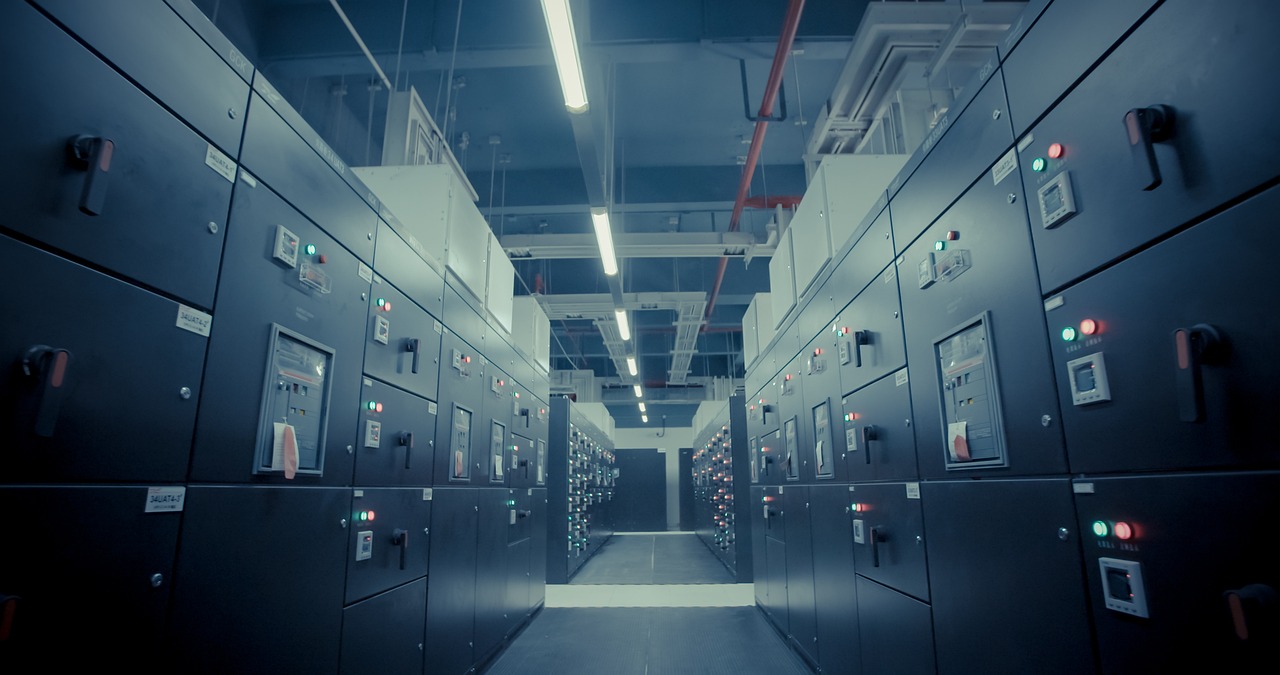
Centralized monitoring and control change how companies manage rectifier fleets. Smart Telecom Power solutions use AI and modular designs to improve reliability. Operators see reduced downtime and greater energy savings.
Companies save 8% to 12% over preventive maintenance and up to 40% over reactive maintenance.
Systems address failures early and keep operations running smoothly.
Modular cooling adapts to each site’s needs. This flexibility protects equipment and lowers the risk of interruptions. Advanced technology leads to efficient telecom power management.
Key Takeaways
Centralized monitoring improves telecom fleet management by providing real-time data and insights, helping operators respond quickly to issues.
AI technology enhances efficiency by predicting failures and optimizing maintenance schedules, leading to significant cost savings.
Modular and hybrid power systems offer flexibility, allowing operators to customize setups and expand capacity without major disruptions.
Automated maintenance systems reduce downtime and improve productivity by ensuring tasks are completed correctly and on time.
Investing in centralized monitoring leads to measurable improvements in reliability, efficiency, and overall operational costs.
Centralized Monitoring Overview
Key Concepts and Functions
Centralized monitoring systems serve as the backbone of modern telecom power management. These platforms collect data from multiple rectifier units and present it in a unified dashboard. Operators gain real-time insights into system health, performance, and energy consumption. SCADA technology acts as a control tower, allowing teams to identify issues before they escalate. The system sends alarm notifications, such as "Site Offline," which prompt immediate troubleshooting and reduce service interruptions.
Evidence | Explanation |
|---|---|
SCADA acts as a centralized "control tower" | This ensures that issues are identified proactively rather than reactively, enhancing operational visibility. |
Continuous visibility provided by SCADA | Allows for immediate response to incidents, improving fleet management and reducing downtime. |
Remote troubleshooting capabilities | Enables quick identification of issues without the need for site visits, thus improving operational efficiency. |
Smart Telecom Power solutions use these monitoring functions to optimize energy use and extend equipment life. Operators rely on continuous visibility to maintain reliable service and minimize downtime.
Application in Telecom Rectifiers
Telecom operators integrate centralized monitoring with rectifier infrastructure to streamline management and reporting. OpenData software supports seamless integration with both legacy and new equipment, regardless of manufacturer. This approach consolidates data into a single interface, making it easier to track performance and schedule maintenance.
Feature | Description |
|---|---|
Seamless Integration | OpenData integrates easily with both legacy and new equipment from any manufacturer, consolidating data into a single pane of glass for efficient management and reporting. |
Reduced Truck Rolls | By enabling remote diagnostics and management, OpenData minimizes unnecessary site visits, ensuring field teams are dispatched only when truly needed and with the right information. |
Scalability and Security | The distributed, edge-ready architecture of OpenData supports secure, scalable deployment from a handful to hundreds of sites, making it ideal for rapid 5G expansion and evolving regulatory requirements. |
Unified Monitoring | Unified monitoring across legacy and modern systems eliminates fragmented tools and limited insights, enhancing operational efficiency. |
Predictive Analytics | Predictive analytics and capacity planning help anticipate bottlenecks and optimize resource allocation, crucial for managing complex telecom infrastructures. |
Smart Telecom Power platforms leverage predictive analytics to anticipate bottlenecks and optimize resource allocation. This capability supports rapid network expansion and evolving regulatory needs.
Industry Leaders and Trends
Several companies lead the way in centralized rectifier monitoring and control. These organizations set industry standards and drive innovation in Smart Telecom Power systems.
Dynapower
Onsemi
CommScope
STMicroelectronics
Monolithic Power Systems
Kanetec
Hishiko Corporation
MagnetoolInc.
Sarda Magnets Group
Braillon Magnetics
Industry leaders focus on scalable, secure, and unified monitoring solutions. Their technologies help telecom operators achieve higher reliability and efficiency across their rectifier fleets.
Smart Telecom Power Benefits
Real-Time Tracking and AI Optimization
Telecom operators rely on real-time tracking and AI optimization to manage rectifier fleets efficiently. AI systems deliver instant insights into fleet status and location, which helps teams respond quickly to operational changes. GPS integration and predictive analytics allow businesses to monitor energy use, plan maintenance, and optimize routes. This approach leads to lower fuel costs and improved service timelines.
AI provides a live feed of fleet activities, giving managers a dynamic view of operations.
Operations teams can address challenges as they arise, which streamlines performance.
AI-powered route optimization and traffic analysis support better decision-making and greater efficiency.
These capabilities result in measurable improvements. Companies report up to 25% savings in maintenance costs, a 30% boost in operational efficiency, and a 20% increase in equipment uptime. Real-time insights into energy usage patterns also help operators make informed decisions about consumption. Reduced heat generation lowers cooling needs, which decreases both energy use and maintenance expenses.
Industry leaders such as Huawei, ZTE, and ESTEL have adopted Smart Telecom Power solutions that leverage AI for predictive maintenance and energy management. Their platforms set benchmarks for efficiency and reliability in telecom infrastructure.
Hybrid and Modular Power Systems
Hybrid and modular power systems offer unmatched flexibility for telecom rectifier fleets. These systems allow operators to tailor configurations to specific power needs and expand capacity without major reconfigurations. Seamless integration with existing hardware ensures that upgrades do not disrupt ongoing operations.
Hybrid systems combine renewable energy sources with traditional power, ensuring continuous operation even when one source is unavailable.
Modular designs enable easy expansion and customization, supporting rapid network growth.
Operators can integrate new modules as demand increases, which protects investments and future-proofs infrastructure.
Exicom’s DC power systems and Cat hybrid energy solutions exemplify these benefits. Exicom’s modular design allows for high efficiency and reliability, while Cat’s hybrid solutions integrate renewable energy with backup generators for uninterrupted service.
Energy Savings Statistic | Description |
|---|---|
Over 96% efficiency | Modern telecom rectifiers achieve energy conversion efficiency above 96%, minimizing energy waste and reducing operational costs. |
20% energy saving | A city provider using ESTEL rectifiers reported a 20% reduction in energy consumption, directly lowering expenses. |
30% energy reduction | GreenConnect implemented smart rectifiers at 500 sites, cutting energy use by 30% and CO2 emissions by 40%. |
Operators who invest in network-wide rectifier upgrades often see a 35% reduction in operational costs. These improvements highlight the value of hybrid and modular systems in Smart Telecom Power strategies.
Maintenance and Reporting Efficiency
Centralized monitoring transforms maintenance scheduling and reporting for rectifier fleets. Computerized Maintenance Management Systems (CMMS) automate routine tasks, ensuring that teams follow established protocols and avoid mistakes. This automation increases productivity and reduces downtime.
Evidence | Explanation |
|---|---|
CMMS automates various aspects of routine upkeep | Automation ensures that maintenance tasks follow established protocols, leading to fewer mistakes and increased productivity among maintenance teams. |
CMMS enhances transparency and accountability | Clear documentation reduces misunderstandings and prevents neglectful oversights, which is crucial for effective maintenance scheduling. |
CMMS enables predictive maintenance strategies | Analyzing historical data allows for proactive measures, helping to anticipate issues before they escalate, thus reducing downtime and repair costs. |
Reporting and analytics tools within CMMS provide a foundation for informed decision-making. Leveraging data and analytics is essential for a successful maintenance organization. Industry leaders such as Huawei, ZTE, and ESTEL use these tools to maintain high standards of reliability and efficiency.
Tip: Smart Telecom Power platforms that integrate advanced maintenance and reporting features help operators reduce costs, extend equipment life, and ensure regulatory compliance.
Implementation Steps
System Components
A centralized rectifier monitoring system relies on both hardware and software working together. Hardware devices collect data from rectifiers and other equipment at each site. Software platforms process this information and display it for operators. The system supports both intelligent and non-intelligent devices. Operators can monitor real-time operating parameters and working status. They can also perform remote signaling, telemetry, control, and adjustment. The system allows for remote operations on monitored objects as needed.
The system collects real-time operating parameters and device status.
It monitors both intelligent and non-intelligent equipment.
Operators can use remote signaling, telemetry, control, and adjustment.
The system tracks various working states and parameters of on-site equipment.
Remote control operations are possible when required.
This combination of hardware and software ensures that operators have full visibility and control over their rectifier fleet.
Integration Process
Integrating a centralized monitoring system involves several steps. Operators must connect hardware devices to the network and configure the software platform. They need to ensure compatibility with both legacy and new equipment. During integration, teams often face challenges that can affect efficiency and reliability.
Challenge Type | Description |
|---|---|
Fragmented Systems | Multiple interfaces required for monitoring lead to inefficiencies and increased risk of missed alarms. |
Security Threats | Poorly configured firewalls create vulnerabilities, risking unauthorized access to the network. |
Outdated Firmware Processes | Manual updates are time-consuming and prone to errors, causing operational disruptions. |
Disjointed Alarm Notifications | Inconsistent alerts due to multiple monitoring points can lead to critical alarms being overlooked. |
Need for Unified Monitoring Solution | A centralized system is necessary to consolidate data and improve network management efficiency. |
A unified monitoring solution helps address these challenges. It consolidates data, reduces the risk of missed alarms, and streamlines network management.
Security Considerations
Security plays a key role in centralized monitoring. Operators must protect the system from unauthorized access and cyber threats. They should use strong firewalls and keep firmware updated. Regular security audits help identify and fix vulnerabilities. Operators should also control user access and monitor system activity. These steps ensure that the monitoring system remains reliable and secure.
Tip: Regular training for staff on security best practices helps maintain a strong defense against evolving threats.
Real-World Outcomes
Improved Reliability and Uptime
Centralized monitoring systems have transformed reliability for telecom rectifier fleets. Operators now detect power issues early and intervene before outages occur. Environmental sensors track temperature and humidity, helping teams maintain optimal equipment conditions. These actions extend the lifespan of rectifiers. Real-time data allows engineers to resolve incidents faster, which reduces Mean Time to Repair (MTTR). Predictive maintenance schedules repairs during low-traffic periods, minimizing service disruptions. Automation and edge response decrease the need for manual intervention, boosting operational efficiency.
Early detection of power issues enables proactive intervention.
Environmental condition monitoring maintains optimal equipment health.
Real-time data shortens incident resolution times.
Predictive maintenance reduces service interruptions.
Automation improves operational efficiency.
Cost and Energy Savings
Telecom operators measure the impact of centralized monitoring by tracking service continuity and operational costs. A validated incident response plan helps minimize the effects of outages. Regular testing of business continuity mechanisms ensures systems work under different conditions. Network Operations Centers (NOCs) analyze incidents to improve processes and infrastructure resilience. Operators use telecom analytics to monitor service quality and identify trends. Predictive capabilities address issues before they affect customers, which increases satisfaction.
Incident response plans reduce downtime and protect revenue.
Business continuity testing ensures reliability in all scenarios.
Post-mortem analyses drive continuous improvement.
Real-time analytics support proactive maintenance.
Predictive monitoring enhances customer experience.
Case Examples
Several telecom providers have reported significant improvements after adopting centralized monitoring. One national operator reduced MTTR by 40% and extended equipment lifespan by 25%. Another provider saw a 30% drop in energy consumption after upgrading to smart rectifiers. A city network improved service continuity by implementing predictive maintenance, which led to fewer outages and higher customer satisfaction.
Provider | Outcome | Benefit |
|---|---|---|
National Operator | 40% lower MTTR, 25% longer lifespan | Faster repairs, reduced costs |
City Network | Predictive maintenance, fewer outages | Improved service continuity |
Regional Provider | 30% less energy use | Lower operational expenses |
Operators who invest in centralized monitoring see measurable gains in reliability, efficiency, and cost savings. These outcomes demonstrate the value of advanced telecom power management.
Centralized monitoring and Smart Telecom Power solutions help telecom operators protect critical infrastructure and maintain service continuity. Operators benefit from real-time monitoring, proactive fault prevention, and remote management. The table below highlights key features:
Feature | Description |
|---|---|
Comprehensive Monitoring | Real-time data and predictive insights for energy and asset management. |
Proactive Fault Prevention | Early warnings and maintenance to avoid outages. |
Remote Management | Efficient operations with fewer site visits. |
AI, hybrid systems, and modular designs support future-proofing by enabling data-driven decisions and sustainable growth. Operators should explore unified monitoring systems to optimize reliability and efficiency.
FAQ
What is centralized monitoring in telecom rectifier fleets?
Centralized monitoring collects data from all rectifiers and displays it on one dashboard. Operators track performance, spot issues early, and manage maintenance from a single location.
How does AI improve rectifier fleet management?
AI analyzes real-time data and predicts failures. Operators use these insights to schedule maintenance, reduce downtime, and optimize energy use.
Can centralized systems work with older rectifiers?
Many platforms support legacy equipment. Operators integrate older rectifiers using compatible software and hardware, ensuring unified monitoring and control.
What security measures protect centralized monitoring systems?
Operators use firewalls, regular software updates, and access controls. Security audits help identify risks. Staff training keeps teams aware of best practices.
See Also
Tips for Effective Monitoring of Outdoor Telecom Cabinets
Telecom Cabinets: Integrated Battery and Solar Power Solutions
Smart Energy Storage Solutions for Telecom Cabinets Today
Ensuring Consistent Power Supply for Telecom Cabinet Operations
CALL US DIRECTLY
86-13752765943
3A-8, SHUIWAN 1979 SQUARE (PHASE II), NO.111, TAIZI ROAD,SHUIWAN COMMUNITY, ZHAOSHANG STREET, NANSHAN DISTRICT, SHENZHEN, GUANGDONG, CHINA
