How Telecom Rectifiers Provide Clean, Steady 48V DC for Sensitive Equipment.


Sensitive telecom equipment depends on a clean, steady 48V DC power supply to function reliably. Telecom rectifiers, such as ESTEL's Telecom Rectifier System, play a crucial role in converting incoming AC power into a stable power supply that meets strict industry requirements. International standards like IEC 62368 and 3GPP guidelines ensure safety and technical compliance for these systems. The telecom industry uses several power architectures to guarantee performance:
Architecture | Description |
|---|---|
AC/DC Front-End Module + DC/DC Point-of-Load (PoL) Converters | Converts AC input to a high-voltage DC bus, with PoL converters providing precise low voltage to loads. |
Integrated AC/DC Power Module | Compact module integrating all functions from AC input to final DC output, used in space-constrained scenarios. |
Rack-Mounted/System-Level Power Supply | Provides higher output power with redundancy configurations, commonly outputs 48V or 12V. |
Distributed Power Architecture (DPA) | Central unit generates HVDC bus, with distributed converters for low DC voltages, offering high efficiency. |
Outdoor Power System | Designed for harsh environments, includes features for reliability and battery management. |
A robust rectifier system ensures that telecom networks stay operational and equipment remains protected.
Key Takeaways
Telecom rectifiers convert AC power to stable 48V DC, essential for sensitive equipment like routers and switches.
Regular maintenance and monitoring of rectifier systems enhance reliability and prevent unexpected failures.
Using 48V DC reduces energy loss, allows for thinner cables, and minimizes the risk of corrosion, ensuring long-lasting equipment.
Advanced features in modern rectifiers, like remote monitoring, support proactive maintenance and system efficiency.
Choosing a high-efficiency rectifier system can significantly lower operational costs and improve network performance.
Role of Telecom Rectifiers
Power Conversion Process
Telecom rectifiers play a vital role in delivering a stable power supply to sensitive equipment. They convert alternating current (AC) from the grid into direct current (DC), which telecom devices require. The conversion process involves several key steps:
Rectification: Diodes allow current to flow in only one direction, changing AC into DC.
Half-Wave Rectification: This method uses only one half of the AC waveform, but it is less efficient.
Full-Wave Rectification: Both halves of the AC waveform are used, resulting in a more continuous DC output.
Filtering: Filters smooth out the DC voltage, removing ripples and noise.
Voltage Regulation: Regulators keep the output voltage steady, even when input conditions change.
This process ensures that telecom networks receive a stable power supply, which is essential for continuous operation.
Importance for Sensitive Equipment
Sensitive telecom equipment, such as switches and routers, needs a clean and steady DC voltage. Fluctuations or noise in the power supply can cause malfunctions, data loss, or even hardware damage. Telecom rectifiers help prevent these issues by:
Delivering consistent voltage levels.
Filtering out electrical noise.
Supporting backup systems to minimize downtime.
A stable power supply protects equipment and keeps communication networks running smoothly. Advanced monitoring features in modern rectifiers allow for early detection of potential problems, reducing the risk of unexpected failures.
Tip: Regular maintenance and remote monitoring can further enhance the reliability of telecom power systems.
ESTEL Telecom Rectifier System Overview
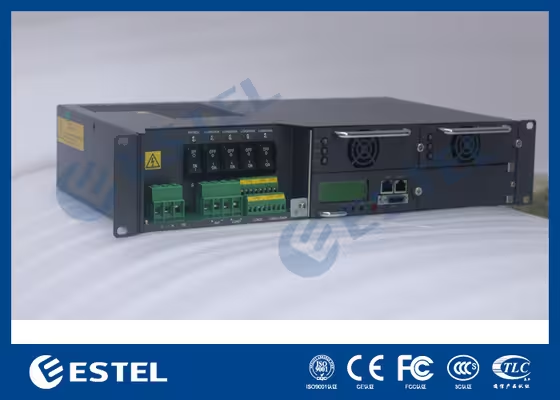
ESTEL's Telecom Rectifier System stands out in modern telecom networks. The system combines high efficiency, reliability, and advanced monitoring to ensure a stable power supply. Key functions include:
Function | Description |
|---|---|
Power Conversion | Converts AC to DC, ensuring stable power delivery to network components. |
Efficiency | Operates with over 91% efficiency, reducing energy waste. |
Reliability | Provides a stable and reliable power supply for uninterrupted operations. |
Advanced Monitoring | Features remote checks and easy maintenance for enhanced reliability. |
ESTEL uses the latest switched mode rectifier technology, which offers better performance and energy savings compared to older designs. The modular design allows for easy upgrades and maintenance, making it a practical choice for telecom operators who need a stable power supply in demanding environments.
Why 48V DC Is Standard
Historical Reasons
The telecom industry adopted -48V DC as a standard due to early telephone systems. These systems relied on local batteries for power. Over time, engineers found that -48V DC provided reliable operation for switching equipment. The infrastructure built around this voltage became widespread. Changing the standard would require replacing a vast amount of equipment. This would be costly and disruptive. As a result, telecom networks continue to use -48V DC to maintain compatibility and reliability.
Technical Benefits
Telecom operators choose 48V DC for several technical reasons:
48V DC ensures compatibility between different telecom devices. Routers, switches, and other equipment can connect seamlessly.
The voltage level allows for lower current flow. This means thinner cables can be used, which reduces material costs and voltage drop.
Many telecom devices operate most efficiently at 48V DC. This is especially important for remote sites where power consumption matters.
48V DC is considered a safe low voltage. It allows for low signal loss over long distances.
The negative polarity of -48V DC helps prevent corrosion on metal parts. This extends the life of connectors and wiring.
Note: Using 48V DC helps telecom networks achieve high efficiency and reliability with minimal energy loss.
Safety and Maintenance
Safety plays a key role in the choice of 48V DC. This voltage poses a lower risk of electric shock compared to higher AC voltages. The negative polarity further protects equipment and personnel. It reduces the chance of corrosion, which can damage connections and cause failures. Maintenance teams benefit from safer working conditions and less frequent repairs. Battery backup systems also integrate easily with 48V DC, ensuring continuous operation during power outages.
Telecom operators can maintain stable, efficient, and safe networks by following the 48V DC standard.
Ensuring Stable Power Supply
Voltage Regulation and Noise Filtering
Telecom rectifiers maintain voltage stability by controlling fluctuations that can disrupt sensitive equipment. Voltage instability often results from insufficient reactive power, heavy loading, or limitations in voltage control devices. The table below outlines the main causes:
Cause of Voltage Instability | Explanation |
|---|---|
Insufficient reactive power | Leads to voltage drops and instability due to lack of support for voltage levels. |
Heavy loading conditions | Increases current flow, consuming more reactive power and reducing voltage support. |
Issues with voltage control devices | Limits of devices like generators and SVCs can lead to inadequate reactive power support. |
Rectifiers use advanced regulation circuits to keep output voltage steady, even when input conditions change. They also filter electrical noise, which can damage telecom systems. The most detrimental types of electrical noise include conducted EMI, radiated EMI, radio frequency interference, ground loops, and line power quality issues. The table below describes these noise sources:
Type of Noise | Description |
|---|---|
Conducted EMI | Interference from adjacent equipment that travels through electrical wiring, often from high-power devices. |
Radiated EMI | Noise that travels through the air as electromagnetic waves, sourced from devices like radio towers. |
Radio Frequency Interference (RFI) | High-frequency noise from wireless technologies such as cell phones and Wi-Fi routers. |
Ground Loops | Unintended current paths due to multiple grounding connections, which can corrupt data. |
Line Power Quality | Fluctuations in the power supply that introduce noise affecting measurements, especially in unstable environments. |
Operators can reduce these risks by using rectifiers with built-in noise filtering and voltage regulation. These features help deliver a stable power supply to all connected equipment.
Tip: Regular monitoring and maintenance of rectifier systems can prevent voltage instability and minimize electrical noise.
Battery Backup Integration
Battery backup systems work with telecom rectifiers to ensure continuous operation during power outages. Operators rely on 48V battery banks to provide DC power when the grid fails. Modern telecom sites use lithium-ion batteries, which offer higher efficiency and longer life than traditional lead-acid batteries. These batteries integrate seamlessly with rectifiers and monitoring systems.
Telecom battery backup systems maintain connectivity during outages.
Advanced energy storage technologies, such as lithium-based batteries, enhance efficiency and resilience.
A 48V telecom battery system provides DC backup power during grid outages.
The system works with rectifiers and monitoring systems to ensure a stable power supply.
The industry is moving from lead-acid to lithium-ion batteries, allowing for innovative backup strategies and improved reliability.
Operators should regularly test battery backup systems and monitor their performance. This practice helps maintain a stable power supply and protects sensitive equipment from unexpected shutdowns.
ESTEL System Features
ESTEL's Telecom Rectifier System offers several features that support a stable power supply for telecom networks. The system achieves high efficiency rates, often exceeding 96%, which reduces energy loss and operational costs. Leading brands like Unipower and Huawei also reach similar efficiency levels, losing only about 4% of power during conversion.
Operators benefit from the modular design of ESTEL's rectifier system. They can add or replace modules as network demands grow, supporting scalability and future-proof investments. The table below highlights key features and benefits:
Feature | Benefit |
|---|---|
Built-in Redundancy | Ensures uninterrupted power supply |
Remote Monitoring | Allows for proactive maintenance and oversight |
Scalable Design | Facilitates easy expansion of systems |
The modular approach allows operators to match load requirements and improve overall efficiency. Space-efficient rack-mount designs make ESTEL's system ideal for remote base stations and sites with limited access.
Operators can mitigate common causes of rectifier failures by choosing high-efficiency systems and following best practices. These include regular inspections, monitoring output voltage, using predictive maintenance tools, inspecting cooling systems, and cleaning dust filters.
High efficiency in telecom rectifiers reduces operational expenses by minimizing heat dissipation.
Site maintenance costs for mobile network operators can account for 2% to 5% of total revenue. High-efficiency systems help mitigate these costs by enhancing reliability.
The need for a reliable power supply unit increases with higher utilization and uneven data traffic, especially in 5G deployments.
Operators who choose ESTEL's Telecom Rectifier System gain a stable power supply, scalability, and cost savings. These features support network growth and protect sensitive telecom equipment in demanding environments.
Installation and System Configuration
Grounding and Polarity
Proper grounding protects telecom equipment from electrical surges and ensures safe operation. Installers should always verify that all equipment is properly grounded. This step prevents damage from lightning strikes and electrical faults. Correct polarity also matters. Technicians must connect the negative terminal to the designated ground point, following industry standards for -48V DC systems. This practice reduces the risk of accidental shorts and equipment failure.
Tip: Always double-check grounding connections before powering up the system.
Wiring Best Practices
Careful wiring prevents many common issues in telecom rectifier installations. Installers should:
Regularly inspect and tighten all electrical connections to ensure stability and security.
Check connectors and terminals for signs of looseness or wear.
Seal any gaps with weatherproof materials to prevent water ingress and corrosion.
Visually examine cables for cracks, fraying, or discoloration.
Clean corroded connectors and apply protective coatings.
Replace cables with damaged insulation to prevent short circuits.
Following these steps helps maintain a reliable power supply and reduces downtime.
Preventing Corrosion
Corrosion can damage connectors and reduce system lifespan. Installers can use several methods to prevent corrosion:
Method | Description |
|---|---|
Material Selection | Choose materials that resist corrosion for long-term protection. |
Coatings | Apply protective coatings to shield components from harsh environments. |
Cathodic Protection | Use electrochemical techniques to make structures act as a cathode, reducing corrosion risk. |
Zinc coatings and tin-zinc alloy coatings offer effective, RoHS-compliant protection for connectors and enclosures. Cathodic protection further reduces corrosion by making oxidation thermodynamically unfavorable.
Choosing ESTEL for Reliability
ESTEL's Telecom Rectifier System stands out in harsh environments. The system operates efficiently in temperatures from -25°C to +55°C. Advanced thermal management ensures consistent performance in outdoor applications, such as roadside cabinets. ESTEL rectifiers include surge protection and AC voltage stabilization, safeguarding equipment from environmental hazards. High-quality cabinets use corrosion-resistant materials and support environmental monitoring, making them ideal for remote or unmanned sites.
Note: Field deployments show that ESTEL rectifiers can reduce maintenance costs by 35% and increase system uptime by 25%.
Selecting the right telecom rectifier system ensures a stable power supply for sensitive equipment. Operators should consider cooling methods, input voltage range, temperature requirements, signal monitoring, and system connectivity. ESTEL's Telecom Rectifier System offers enhanced efficiency, improved reliability, advanced safety features, and scalability. Telecom operators have reported lower energy consumption and seamless integration with hybrid power systems. Regular maintenance, such as inspecting cables and testing batteries, helps maintain ongoing stability and protects network performance.
FAQ
What steps should operators follow to install a telecom rectifier system?
Operators should check the input voltage, connect the grounding bar, verify polarity, and secure all wiring. They should test the system before connecting sensitive equipment. Regular inspections help maintain reliability.
How can technicians prevent corrosion in outdoor installations?
Technicians should use corrosion-resistant materials, apply protective coatings, and seal cable entry points. They should inspect connectors for signs of rust and clean them as needed.
Why is voltage regulation important for telecom equipment?
Voltage regulation keeps the output voltage steady. This protects sensitive devices from power fluctuations. Stable voltage helps prevent malfunctions and extends equipment life.
What maintenance tasks keep rectifier systems reliable?
Technicians should inspect cables, clean dust filters, check battery status, and monitor system alarms. They should schedule regular maintenance to catch issues early.
How does ESTEL’s modular design help with system upgrades?
ESTEL’s modular design allows operators to add or replace modules easily. This supports network growth and reduces downtime during upgrades or repairs.
See Also
Ensuring Consistent Power Supply for Telecom Equipment Cabinets
Understanding -48VDC Voltage Use in Telecom Cabinets Explained
Essential Features of Telecom Power Supply Systems Explained
Introductory Guide to Telecom Power Supply Systems for Beginners
How ESTEL Maintains Correct Voltage in Communication Cabinets
CALL US DIRECTLY
86-13752765943
3A-8, SHUIWAN 1979 SQUARE (PHASE II), NO.111, TAIZI ROAD,SHUIWAN COMMUNITY, ZHAOSHANG STREET, NANSHAN DISTRICT, SHENZHEN, GUANGDONG, CHINA
