Tamper-Proof Design of Smart PDUs in Telecom Cabinets: Hardware-Level Protection for Configuration Security


You face increasing challenges in securing telecom cabinets as threats grow more advanced. Tamper-Proof Design at the hardware level protects your smart PDU configurations from physical and digital risks. Features such as overload protection, surge suppression, and access controls help prevent unauthorized changes and equipment damage. ESTEL’s Smart Power Distribution Unit and Outdoor Telecom Cabinet offer robust solutions that combine environmental sensors and real-time monitoring. These measures ensure your telecom infrastructure stays safe and meets strict regulatory requirements.
Key Takeaways
Tamper-Proof Design protects telecom cabinets from unauthorized access and physical threats, ensuring network reliability.
Implement strong security features like secure locks and intrusion detection sensors to safeguard your smart PDUs.
Regular monitoring and maintenance of telecom cabinets help catch issues early, reducing downtime and operational costs.
Adhere to industry standards and compliance requirements to enhance security and maintain the integrity of your telecom infrastructure.
Investing in advanced security measures pays off by preventing costly disruptions and extending the life of your equipment.
Security Risks in Telecom Cabinets

Telecom cabinets face many security risks that can threaten your network’s reliability and safety. You need to understand both physical and configuration risks to protect your smart PDUs and maintain uninterrupted service.
Physical Threats to Smart PDUs
Physical threats can disrupt your telecom operations and damage critical equipment. You may encounter risks such as:
Unauthorized access can lead to power being cut off to critical devices, resulting in service disruptions.
Hackers can exploit vulnerabilities in PDUs, potentially compromising the entire network.
In 2024, breaches in major U.S. telecom networks highlighted how unauthorized access can lead to significant service interruptions.
You must address these threats with strong physical security measures. Tamper-Proof Design helps prevent unauthorized entry and vandalism, which keeps your equipment safe and your network running smoothly.
Configuration Vulnerabilities
Configuration vulnerabilities can expose your network to cyberattacks and operational failures. You need to watch for risks such as:
Security Risk | Description |
|---|---|
Cybersecurity threats | Potential attacks that can compromise the integrity of the PDU and network. |
Unauthorized access | Risk of remote power cycling and outages due to lack of access controls. |
Firmware vulnerabilities | Exploitation of weaknesses in firmware that can lead to system breaches. |
Telecom operators use several strategies to manage these risks:
Prioritize board-level engagement by briefing senior leadership on security risks and investments.
Embrace security by design in all projects, integrating security assessments early.
Implement robust configuration and patch management with continuous audits.
Invest in holistic protective monitoring and incident response plans.
Focus on supply chain and third-party risk management.
By understanding these risks and applying best practices, you can strengthen your telecom cabinet security and reduce the chance of costly disruptions.
Tamper-Proof Design Principles
Core Security Features
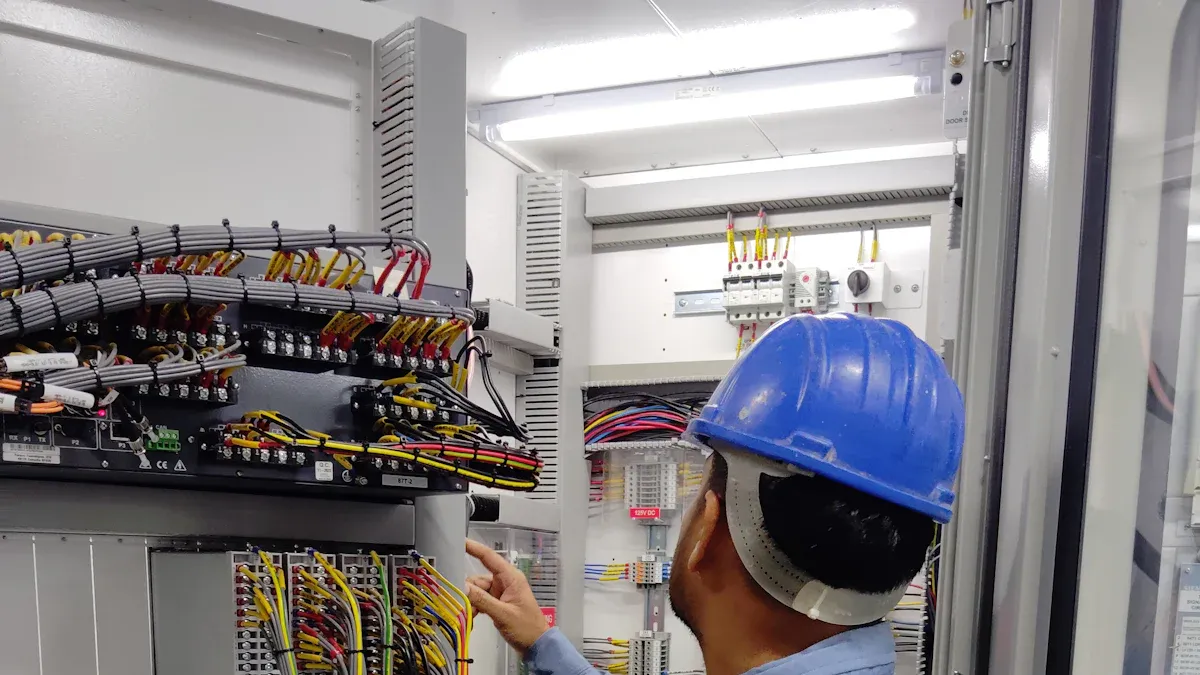
You need to focus on the right features when you want to secure your telecom cabinets. Tamper-Proof Design uses several layers of protection to keep your smart PDUs safe from physical attacks and unauthorized access. The table below shows the main features you should look for:
Feature | Description |
|---|---|
Protect against theft and unauthorized access with anti-theft three-point locks. | |
Tamper-proof designs | Include reinforced hinges and concealed locks to enhance protection against tampering. |
High-quality materials | Used in locks and seals to ensure mechanical security and maintain integrity over time. |
Tamper-proof locks | Provide enhanced security for telecom cabinets. |
Aluminum or steel-reinforced | Construction materials that add durability and resistance to tampering. |
Alarm-triggering sensors | Integrated systems that alert to unauthorized access attempts. |
You also benefit from advanced lock technologies. These include anti-drill protection, anti-pick technology, and anti-bump design. You get extra safety from anti-snap reinforcement and anti-3D-printed key protection. Key control and registration systems make sure only authorized people can access your equipment.
Tip: Choose cabinets with alarm-triggering sensors. These sensors alert you right away if someone tries to open the cabinet without permission.
Importance for Configuration Security
You must protect your smart PDU configurations at the hardware level. Tamper-Proof Design gives you a strong defense against unauthorized access. This approach helps you manage who can enter your cabinets and lets you monitor access in real time. You also meet industry standards, which keeps your sensitive equipment and configurations safe.
Hardware-level protection stops intruders before they can reach your network settings.
Real-time monitoring helps you respond quickly to any threats.
Following these principles ensures your telecom cabinets stay compliant with regulations.
You may see higher costs when you add these security features. However, the investment pays off by reducing risks and protecting your network from costly downtime.
Hardware Protection with ESTEL Solutions
You need strong hardware protection to secure your telecom cabinets. ESTEL’s Smart Power Distribution Unit and Outdoor Telecom Cabinet offer advanced features that help you defend your equipment and configuration data. These solutions use Tamper-Proof Design principles to keep your network safe from physical and digital threats.
Tamper-Proof Locks and Enclosures
You face risks like theft, vandalism, and tampering in public spaces. Tamper-Proof Design addresses these risks with reinforced locks and enclosures. ESTEL’s cabinets use multi-point locking systems and tamper-resistant mechanisms. These features make it difficult for unauthorized people to access your equipment.
Outdoor enclosures include advanced security features such as reinforced locks.
Tamper-proof designs significantly enhance physical protection.
Multi-point locking systems prevent unauthorized access.
Enclosures reduce the risk of theft or damage.
You benefit from durable materials like galvanized steel and aluminum. These materials resist corrosion and extend the life of your hardware. The combination of clear Lexan front doors and solid steel rear doors adds another layer of security. You can trust these enclosures to protect your telecom equipment in harsh environments.
Note: Physical security is your first line of defense. Tamper-Proof Design helps you maintain control over who can access your cabinets.
Intrusion Detection and Sensors
You need to know when someone tries to access your cabinets. ESTEL solutions use intrusion detection sensors to monitor every access event. Door sensors log each time a cabinet opens or closes. If someone tries to force entry or leaves a door open, the system records the event and sends an alert.
Intrusion detection systems trigger alarms or lock down cabinets automatically.
Contact closure sensors, vibration sensors, and proximity sensors monitor cabinet doors.
Devices combine sensing technologies, including temperature, humidity, and water leak detection.
Real-time monitoring offers alerts and audit trails for security incidents.
These sensors help you maintain strict control over sensitive equipment. You can respond quickly to unauthorized access attempts. Enhanced security features protect your equipment and data from vandalism and tampering.
Tip: Use real-time alerts to improve your response time and reduce risks.
Secure Boot and Encryption
You must protect your configuration data from tampering. ESTEL’s Smart Power Distribution Unit uses secure boot technology. This feature ensures only verified firmware runs on the device. Trusted modules prevent unauthorized updates and maintain configuration integrity.
You also benefit from AES-256 encryption. This encryption standard uses a 256-bit key to secure stored data. Attackers find it extremely difficult to break this level of protection. Even if someone gains physical access, your configuration data remains safe.
SSL/TLS protocols secure data during transmission.
Authentication and Public Key Infrastructure verify identities and maintain a chain of trust.
Defense-in-depth strategy combines AES-256 and SSL/TLS for layered protection.
You can rely on these features to keep your smart PDU configuration data secure. Tamper-Proof Design at the hardware level blocks unauthorized changes and protects your network settings.
Description | |
|---|---|
Secure Boot | Ensures only verified firmware runs on the device, blocking unauthorized changes. |
Trusted Modules | Prevent tampering and unauthorized updates, ensuring configuration integrity. |
Surge Protection | Diverts dangerous voltages away from equipment during power disturbances. |
Environmental Controls | Monitors heat and moisture, using thermal regulation and sealing to protect hardware. |
Advanced Locking Technologies | Combines clear Lexan front door and solid steel rear door for physical security. |
Intrusion Detection | Provides early alerts for unauthorized access attempts using sensors and motion-activated cameras. |
Real-Time Monitoring | Offers real-time alerts and audit trails for security incidents. |
IP55 Ingress Protection | Shields equipment from dust, water, and environmental hazards. |
Durable Materials | Utilizes galvanized steel and aluminum to resist corrosion and extend hardware life. |
You gain peace of mind knowing your telecom cabinets use Tamper-Proof Design and advanced hardware protection. These features help you meet regulatory requirements and maintain reliable service.
Implementation Best Practices
System Integration
You should approach system integration with careful planning. Start by selecting tamper-proof hardware that matches your cabinet’s environment and risk profile. Use proprietary tools for installation and follow step-by-step guides with diagrams. This helps prevent mistakes and ensures only authorized personnel can access the hardware. Secure the cabinet to the floor with anchor bolts and choose a location with enough space and ventilation. Connect all devices to the smart PDU and check load balancing across phases. Proper installation supports long-term reliability and safety.
Best Practice Category | Recommendations |
|---|---|
Installation Protocols | Specify correct torque values. Use proprietary tools. Follow detailed guides. |
Maintenance Procedures | Allow non-destructive removal and reinstallation. |
Security Assessment | Select hardware after a risk assessment. Pair with surveillance or alarms. |
Monitoring and Maintenance
You need to keep your smart PDUs in top condition. Clean them regularly to remove dust and debris. Inspect the cabinets often to check for signs of tampering or wear. Use protective enclosures to shield PDUs from contaminants. Modular PDUs make it easy to expand or reconfigure your setup. Intelligent features like real-time monitoring and environmental sensors help you spot issues early. IoT and AI integration can predict maintenance needs and improve energy management.
Clean PDUs to prevent dust buildup.
Inspect for physical integrity and tampering.
Use protective enclosures for added security.
Regular monitoring helps you catch problems before they grow. Many companies see lower energy costs and better performance with precise power tracking.
Compliance Considerations
You must meet industry standards when installing tamper-proof hardware. NEMA ratings define how well your cabinets protect against dust and water. NEBS compliance ensures your equipment can handle environmental stresses. These standards help you maintain safety and reliability.
Compliance Standard | Description |
|---|---|
NEMA Ratings | Protection against dust and water hazards. |
NEBS Compliance | Withstands thermal and mechanical stresses. |
Tamper-Proof Design not only protects your assets but also extends the life of your telecom cabinets. This reduces maintenance needs and keeps your network secure.
Benefits for Telecom Operators
Enhanced Security and Uptime
You want your telecom network to run smoothly and stay secure. Tamper-Proof Design helps you achieve this by protecting your equipment from unauthorized access and physical threats. When you use smart PDUs with advanced security features, you gain several operational advantages:
Early detection of power issues allows you to act before outages happen.
Monitoring environmental conditions helps you extend the life of your equipment.
Real-time data reduces the time needed to fix problems, so your network recovers faster.
Predictive maintenance lets you schedule repairs during low-traffic periods, which keeps disruptions to a minimum.
Automation and edge response mean your system can handle some issues without waiting for human help, increasing uptime.
These benefits help you keep your network reliable and your customers satisfied.
Regulatory Compliance
You must follow strict rules in the telecom industry. Tamper-Proof Design supports your compliance efforts by providing secure access controls and automated alerts. Smart PDUs also make it easier to generate reports for audits and meet regulatory standards. The table below shows how these features help you:
Benefit | Description |
|---|---|
Enhanced Security | Secure access controls and tamper alerts |
Compliance | Automated reporting for audit and regulatory standards |
By using these features, you can show regulators that your network meets all necessary requirements.
Operational Efficiency
You face many challenges when you upgrade to tamper-proof smart PDUs. These include cybersecurity threats, legacy systems, cost concerns, maintenance needs, and the demand for scalable solutions. However, Tamper-Proof Design helps you overcome these obstacles by streamlining operations and reducing manual work. You can monitor your network in real time, automate routine tasks, and respond quickly to incidents. This approach saves you time and money, while also making your network more flexible and easier to manage.
Tip: Regularly review your system’s performance data to spot trends and plan upgrades before problems arise.
You gain real advantages by choosing tamper-proof, hardware-level protection for smart PDUs in telecom cabinets. Tamper-Proof Design uses features like heavy-duty locking systems, intrusion detection sensors, and anti-drill plates to keep your equipment secure:
Security Feature | Description |
|---|---|
Heavy-duty locking systems | Tamper-proof bolts and padlock-compatible hasps enhance physical security. |
Intrusion detection sensors | Door switches and motion detectors provide real-time alerts for unauthorized access. |
Anti-drill plates and concealed hinges | These deter forced entry attempts and secure the cabinet against tampering. |
ESTEL’s solutions deliver advanced sensors, modular design, and international compliance, which help you improve uptime and protect your network. You should schedule regular inspections, use remote monitoring, and adapt to new threats to keep your telecom infrastructure resilient.
FAQ
What makes a telecom cabinet tamper-proof?
You get tamper-proof protection from reinforced locks, durable materials, and intrusion sensors. These features stop unauthorized access and alert you to any attempts. Tamper-proof cabinets keep your equipment safe in harsh environments.
How does ESTEL’s Smart PDU protect configuration data?
You benefit from secure boot technology and AES-256 encryption. These features ensure only verified firmware runs and your configuration data stays safe from tampering or unauthorized changes.
Can you monitor access to your telecom cabinet in real time?
Yes, you can. Intrusion detection sensors and real-time alerts let you track every access event. You respond quickly to threats and maintain strict control over your equipment.
Are ESTEL cabinets compliant with industry standards?
You meet industry standards with ESTEL cabinets. They offer IP55 to IP65 protection ratings and follow NEBS and NEMA guidelines. This ensures your equipment stays reliable and secure.
What maintenance steps help keep smart PDUs secure?
You should clean PDUs regularly, inspect for signs of tampering, and use protective enclosures. Real-time monitoring and scheduled maintenance help you spot issues early and keep your network running smoothly.
See Also
Essential Advice for Safeguarding Communication Cabinets in Risky Locations
Effective Techniques to Enhance Anti-Theft Features of Communication Cabinets
Ways to Safeguard Equipment Using Outdoor Telecom Cabinets
Design Guidelines for ESTEL Telecommunication Cabinet Structures
Safety Features of Customized ESTEL Outdoor Telecom Cabinets
CALL US DIRECTLY
86-13752765943
3A-8, SHUIWAN 1979 SQUARE (PHASE II), NO.111, TAIZI ROAD,SHUIWAN COMMUNITY, ZHAOSHANG STREET, NANSHAN DISTRICT, SHENZHEN, GUANGDONG, CHINA
