Telecommunication Power Supply System: A Deep Dive into 48V Rectifier Technology

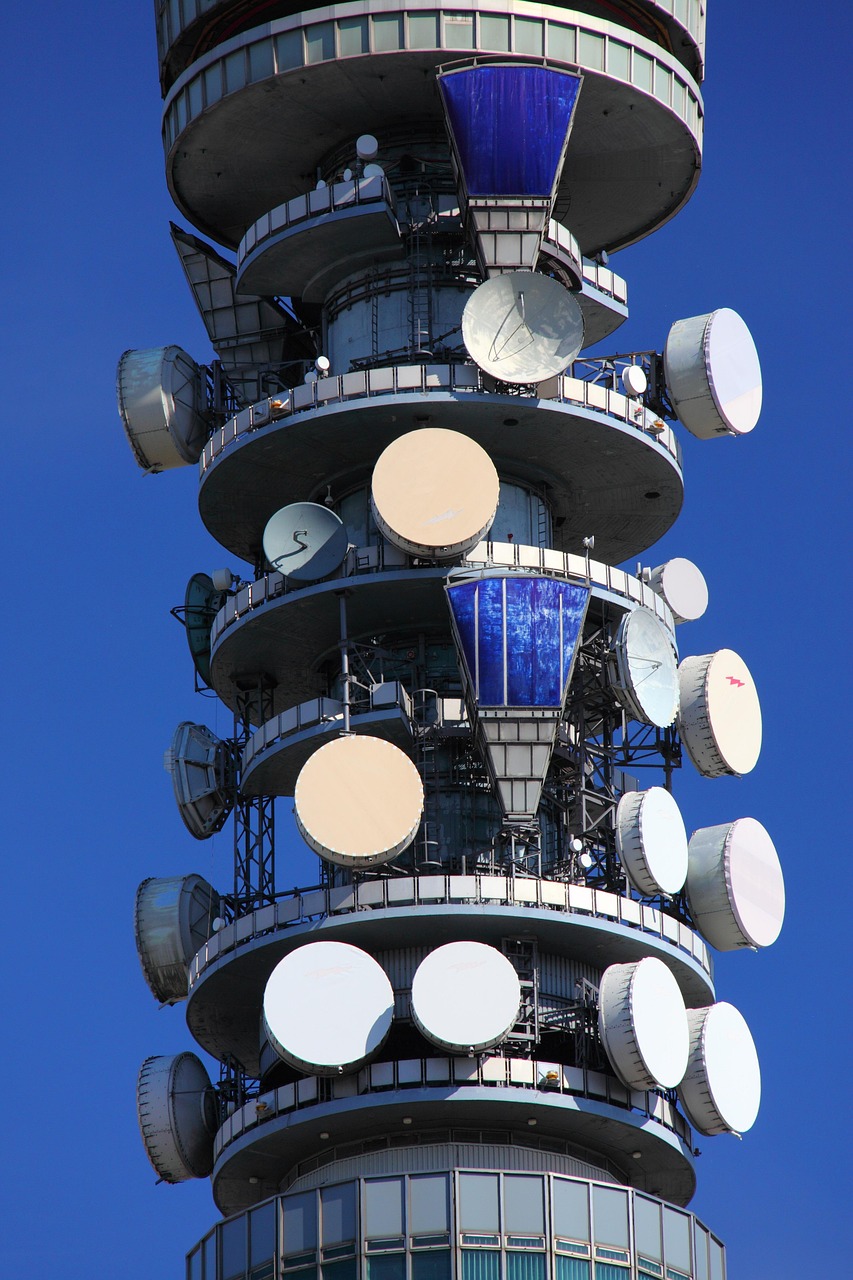
Reliable power forms the backbone of every telecom network. The industry relies on -48VDC for several reasons:
Compatibility with existing equipment and enhanced safety for technicians.
Voltage below 50V minimizes shock risk, while higher voltage reduces energy loss.
Negative polarity prevents corrosion, supporting long-term reliability.
Standardization traces back to telegraph and telephony systems, simplifying maintenance.
Backup batteries and seamless integration with the Telecom Power Cabinet ensure uninterrupted operation during outages. These technical choices support efficient, scalable, and safe communication infrastructure.
Key Takeaways
Understanding -48VDC is crucial for telecom safety and efficiency. This standard minimizes shock risks and enhances equipment longevity.
Choosing 48V rectifiers supports reliable power supply in telecom networks. They ensure seamless operation during outages and reduce energy loss.
Integrating renewable energy with 48V systems boosts sustainability. This approach lowers energy costs and enhances resilience in telecom operations.
ESTEL leads innovation in telecom power solutions. Their advanced products improve efficiency and support the evolving needs of modern networks.
Why -48VDC is Standard
Historical Choice of 48V
Telecommunication networks have relied on direct current since the earliest days of telephony. Early telephone systems used local batteries to power equipment, establishing a precedent for DC power in communication infrastructure. Over time, operators found that a 48V DC system provided reliable service, especially during outages. This reliability became essential for maintaining voice networks and ensuring service continuity. The selection of 48V DC balanced safety and power delivery, making it suitable for large networks. Negative polarity, or -48V, helped prevent corrosion and battery sulfation, which increased the durability of telecom infrastructure. The widespread adoption of -48V DC resulted from its proven reliability and the extensive infrastructure already in place. Changing to a different voltage would have required significant investment and disruption, so the industry maintained the standard.
A table summarizes the driving factors behind the transition to the 48V standard:
Factor | Explanation |
|---|---|
Safety | -48VDC supports signals without posing danger to technicians. |
Efficiency | The system delivers energy efficiently, reducing the need for multiple power conversions. |
Electrochemical Prevention | Negative voltage prevents reactions that damage buried copper cables. |
Backup Power Capability | 12-volt lead-acid batteries in series provide backup during power failures. |
Safety and Compatibility
Telecom environments require power systems that protect both equipment and personnel. The -48VDC standard offers several safety advantages compared to higher voltage levels. Voltages above -48VDC can cause personal injury, so the industry chose a level that minimizes risk. Negative polarity also prevents corrosion of electrical components, which extends the lifespan of network infrastructure. The system experiences less noise and interference, improving overall performance.
A table highlights the safety benefits of -48VDC:
Safety Advantage | Explanation |
|---|---|
Reduced risk of personal injury | -48VDC is safer for users than higher voltages. |
Minimized corrosion | Negative grounding prevents corrosion of electrical components. |
Lower system noise and interference | Negative power supply reduces ground noise, enhancing system reliability. |
Compatibility remains a key reason for the continued use of -48VDC. Most telecom equipment is designed to operate at this voltage, which simplifies installation and maintenance. The standardization of -48VDC allows operators to integrate new devices without extensive modifications, supporting efficient network expansion.
Tip: Choosing -48VDC helps telecom companies maintain safe, reliable, and scalable networks.
+48V vs -48V Explained
The telecom industry predominantly prefers -48V systems because of their historical significance and technical advantages. Negative polarity enhances safety and efficiency, making -48VDC the standard for most telecom applications. In North America, 48V systems remain relevant, especially as technology evolves and new applications emerge.
Different regions have unique power supply standards, shaped by infrastructure and regulations.
-48VDC offers a balance of safety and efficiency, addressing challenges faced by other voltage standards.
Positive grounding in -48V systems increases reliability and protects equipment from corrosion.
The 48V telecom battery plays a crucial role in network reliability, especially in North America.
Advancements in technology continue to change how 48V systems are applied in modern networks.
Understanding the differences between +48V and -48V helps operators optimize performance and reliability. The choice of negative polarity supports long-term durability and reduces maintenance costs, making -48VDC the preferred option for telecom power supply systems.
System Architecture
Rectifiers and Battery Backup
A typical telecommunication power supply system includes several main components. These components work together to provide stable and reliable power for network equipment. The table below outlines the core elements:
Component Type | Description |
|---|---|
Charger / Rectifier | Converts AC power to DC for telecom equipment and battery charging. |
Batteries | Store energy to supply power during outages. |
Distribution | Delivers power to various devices and subsystems. |
Rectifiers play a key role in converting alternating current from the grid into direct current. This conversion is necessary because most telecom devices operate on DC power. Battery backup systems store energy and release it when the main power source fails. Uninterruptible Power Supply (UPS) systems support critical equipment, while rectifiers handle general DC loads. Together, these systems ensure that the Telecom Power Cabinet continues to operate even during power interruptions.
Distribution and Grounding
Power distribution units manage the flow of electricity from rectifiers and batteries to all connected devices. Proper grounding practices protect both equipment and personnel. The table below shows important grounding components:
Component | Description |
|---|---|
Isolated Ground | Prevents electrical shock by not bonding to the telecom panel. |
Single Point Ground | Connects all grounds to one bar, reducing the risk of ground loops. |
Grounding of Batteries | Uses positive ground to protect components and ensure stable power supply. |
Grounding the positive terminal helps prevent corrosion and maintains reliable communication. Adhering to industry standards, such as the National Electrical Code, reduces the risk of faults that can cause downtime. Regular inspection and maintenance of grounding systems are essential for the long-term reliability of the Telecom Power Cabinet.
ESTEL Solutions
ESTEL specializes in integrated outdoor telecom cabinet and temperature control solutions. The company offers a wide range of products, including rectifiers, power supply systems, and outdoor integrated telecom equipment cabinets. ESTEL integrates backup batteries, distribution units, and advanced battery management systems to ensure continuous power supply. Their solutions include power distribution units that manage energy flow and maintain system stability. ESTEL’s products meet international standards and serve major telecom operators worldwide. These solutions help operators maintain safe, efficient, and reliable networks in diverse environments.
Telecom Power Cabinet Integration
Cabinet Design and Function
A telecom power cabinet protects sensitive network equipment from environmental hazards. It uses robust enclosures that shield devices from dust, moisture, and physical damage. The design often includes modular racks and accessible doors. These features allow technicians to perform upgrades or repairs quickly, reducing downtime. Many cabinets use fan systems, air conditioning units, or heat exchangers to maintain optimal temperatures. These thermal management options help prevent overheating in both rural and urban deployments.
The following table highlights key design features and their benefits:
Design Feature | Benefit |
|---|---|
Enhanced Network Uptime and Reliability | Protects equipment from environmental hazards, reducing system failures and disruptions. |
Cost Savings and Efficiency | Minimizes repairs and replacements, enhancing equipment lifespan and operational cost savings. |
Customizability for Diverse Needs | Tailors solutions to specific operator requirements, integrating with various telecom equipment. |
Compliance with Industry Standards | Meets IP55 and IK10 standards for environmental protection, ensuring reliability and safety. |
A telecom power cabinet also integrates power distribution units, uninterruptible power supplies, and battery systems. These components ensure continuous operation during outages and provide redundancy for critical infrastructure.
ESTEL Telecom Power Cabinet
ESTEL telecom power cabinets stand out for their advanced technology and reliability. Their rectifiers operate efficiently in extreme temperatures, making them suitable for outdoor applications. The modular design allows operators to scale power capacity as network demands grow. Real-time monitoring and integration with DCIM tools enhance operational efficiency and support compliance with international standards.
ESTEL solutions feature advanced automation and predictive maintenance. These capabilities reduce the risk of unexpected failures and lower maintenance costs. The cabinets achieve energy conversion rates above 96%, which helps operators save on energy expenses. Advanced thermal management systems ensure consistent performance, even in harsh environments.
Rural and High-Density Applications
A telecom power cabinet adapts to both rural and high-density urban scenarios. In rural areas, energy storage supports remote sites with limited power access. Cabinets can integrate renewable energy sources, such as solar panels, to provide reliable service where grid power is unstable. Islanded mode operation allows these cabinets to deliver power independently.
In urban environments, the telecom power cabinet enhances energy efficiency and supports sustainability goals. It prioritizes critical components during peak hours, ensuring uninterrupted service for high-density networks like 5G. Real-time monitoring and IoT sensors enable predictive maintenance, which helps prevent equipment failures and reduces downtime.
Note: Physical and network security features, such as locks, alarms, and firewalls, protect both equipment and data in all deployment scenarios.
48V Rectifier Applications
Cell Towers and BTS
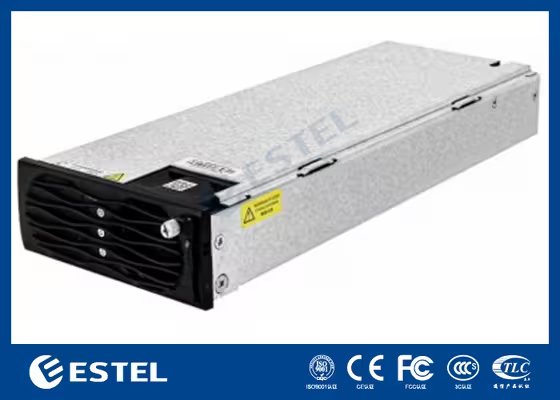
48V rectifiers play a central role in powering cell towers and base transceiver stations (BTS). These rectifiers supply stable -48VDC power, which is the industry standard for telecom equipment. This standardization helps maintain operational reliability across different telecom services. The rectifier cabinet powers critical devices such as base stations and small cells. It also supports edge computing devices, which process data closer to the user for faster service.
Operators choose 48V rectifiers for several reasons:
They ensure reliable network performance by minimizing disruptions.
The modular design allows for easy expansion as network demand grows.
The system adapts to both wired and wireless services, enhancing overall network performance.
Note: The use of -48VDC in cell towers and BTS reduces the risk of equipment failure and supports continuous communication.
Data Centers and Cost Benefits
Data centers require efficient and reliable power systems. 48V rectifiers provide significant advantages over traditional 12V systems. They handle higher power loads and reduce energy waste, which leads to cost savings.
Feature | 48V Systems | 12V Systems |
|---|---|---|
Power Handling | Up to 30 kW/m | 2.5 kW/m |
Efficiency | 97.83% | N/A |
Energy Waste Reduction | Yes | N/A |
A 48V system supports more servers in a smaller space. Higher efficiency means less heat, which lowers cooling costs. These benefits make 48V rectifiers a preferred choice for modern data centers.
Next-Gen and Scalable Solutions
Next-generation telecom networks demand scalable and flexible power solutions. 48V rectifiers meet these needs through modular design and high connection density. Operators can expand capacity without risking infrastructure failures. The compact nature of these cabinets fits well in urban environments where space is limited. High power density supports configurations with capacities exceeding 1MW, which is important for future growth.
Benefit | Description |
|---|---|
Modular Design | Enables easy capacity expansion without risking infrastructure failures. |
High Connection Density | Supports configurations with capacities exceeding 1MW, suitable for future growth. |
Compatibility with Renewables | Ensures optimal performance while integrating renewable energy sources in telecom networks. |
These features make 48V rectifiers ideal for supporting 5G, IoT, and renewable energy integration in telecom networks.
Future Trends
Technology Advancements
Recent advancements in 48V rectifier technology are shaping the future of telecom and related industries. The automotive sector now uses 80V and 100V MOSFETs to meet higher power demands in 48V systems. These components improve power efficiency and reliability for DC-DC converters and motor control. Battery electric vehicles (BEVs) increasingly rely on 48V architecture for steering, autonomous features, and energy harvesting. The shift to 48V systems supports better power management and paves the way for advanced electric and hybrid vehicles. Enhanced electrification and integration of solar panels also boost energy efficiency in non-propulsion systems. The widespread adoption of 48V systems is expected to drive innovations in driver assistance and infotainment technologies.
The transition to 48V architecture signals a major step toward efficient and reliable power management across multiple industries.
Renewable Integration
Telecom power supply systems now integrate renewable energy sources with 48V rectifiers. Hybrid solar rectifier systems use advanced modules and controllers to optimize energy extraction and system performance. The following table shows key components and their functions:
Component | Function |
|---|---|
MCU microprocessor control | Manages the operation of the hybrid solar rectifier system. |
Max Power Point Tracking | Ensures optimal energy extraction from solar panels. |
DC 48V output | Supplies necessary power for charging batteries and powering DC loads in telecom equipment. |
Hybrid MPPT module | Optimizes solar energy capture and integrates it with battery and grid power. |
AC-DC rectifier module | Converts AC and DC inputs to a stable 48V DC output for telecom devices. |
Controller module (RS485&SNMP) | Provides monitoring capabilities for system performance. |
Solar modules | Generate solar power to be used directly or to charge batteries. |
Rectifier modules | Provide floating charge current for communication devices and batteries. |
These components work together to support sustainable and reliable telecom operations.
ESTEL's Innovation
ESTEL introduces innovative solutions for future-ready telecom power supply systems. Their products combine renewable energy sources with traditional power, enabling hybrid power systems. Smart monitoring technologies allow real-time tracking and management of power systems, which enhances reliability. Energy-saving cabinet PDUs can reduce energy consumption by up to 20%, making them eco-friendly for data centers. Advanced cooling technologies maintain optimal operating temperatures, improving system performance in challenging environments.
Innovation Type | Description |
|---|---|
Hybrid Power Systems | Combines renewable energy sources like solar and wind with traditional power solutions. |
Renewable Energy Integration | Integrates renewable energy into telecom power systems for sustainability. |
Smart Monitoring Technologies | Enables real-time tracking and management of power systems for enhanced reliability. |
Energy-Saving Cabinet PDUs | Can save up to 20% energy, making them eco-friendly for data centers. |
Advanced Cooling Technologies | Maintains optimal operating temperatures, enhancing system performance in challenging environments. |
ESTEL’s commitment to innovation supports the evolution of telecom power supply systems, ensuring efficiency and sustainability for future networks.
The -48VDC and 48V rectifier technology provide lasting value in telecom networks. Key benefits include:
Compatibility with diverse equipment simplifies maintenance.
Safety features reduce risks for technicians.
High efficiency supports remote and urban installations.
Historical use ensures seamless integration.
Aspect | Impact on Cost Efficiency |
|---|---|
Backup Power | Reduces service interruptions and revenue loss. |
Renewable Integration | Lowers energy costs and boosts resilience. |
Advanced PDUs, real-time monitoring, and new battery technologies drive future innovation. ESTEL leads these advancements, supporting reliable and efficient telecom power systems.
FAQ
What is a 48V rectifier in telecom power systems?
A 48V rectifier converts alternating current (AC) from the grid into direct current (DC) at -48V. Telecom networks use this DC power to operate equipment and charge backup batteries.
What makes -48VDC safer for telecom applications?
-48VDC reduces the risk of electric shock for technicians. The negative polarity also helps prevent corrosion on copper wires, which increases the lifespan of network infrastructure.
What does a telecom power cabinet do?
A telecom power cabinet houses rectifiers, batteries, and distribution units. It protects equipment from dust, moisture, and temperature changes. The cabinet ensures continuous power for telecom devices.
What are the main benefits of using 48V rectifiers?
48V rectifiers offer high efficiency, easy scalability, and compatibility with most telecom equipment. They also support reliable backup power and reduce energy loss.
What role does ESTEL play in telecom power supply systems?
ESTEL provides advanced rectifiers, integrated power cabinets, and smart monitoring solutions. Their products help telecom operators maintain reliable, efficient, and scalable networks.
See Also
Essential Insights Into Telecom Power Supply Systems For Beginners
Key Features You Should Understand About Telecom Power Supplies
Tips For Maintaining Reliable Power Supply In Telecom Cabinets
CALL US DIRECTLY
86-13752765943
3A-8, SHUIWAN 1979 SQUARE (PHASE II), NO.111, TAIZI ROAD,SHUIWAN COMMUNITY, ZHAOSHANG STREET, NANSHAN DISTRICT, SHENZHEN, GUANGDONG, CHINA
