Agricultural IoT Node Power Supply of Telecom Rectifier Systems: Off-Grid Solution with Solar+Mains Hybrid

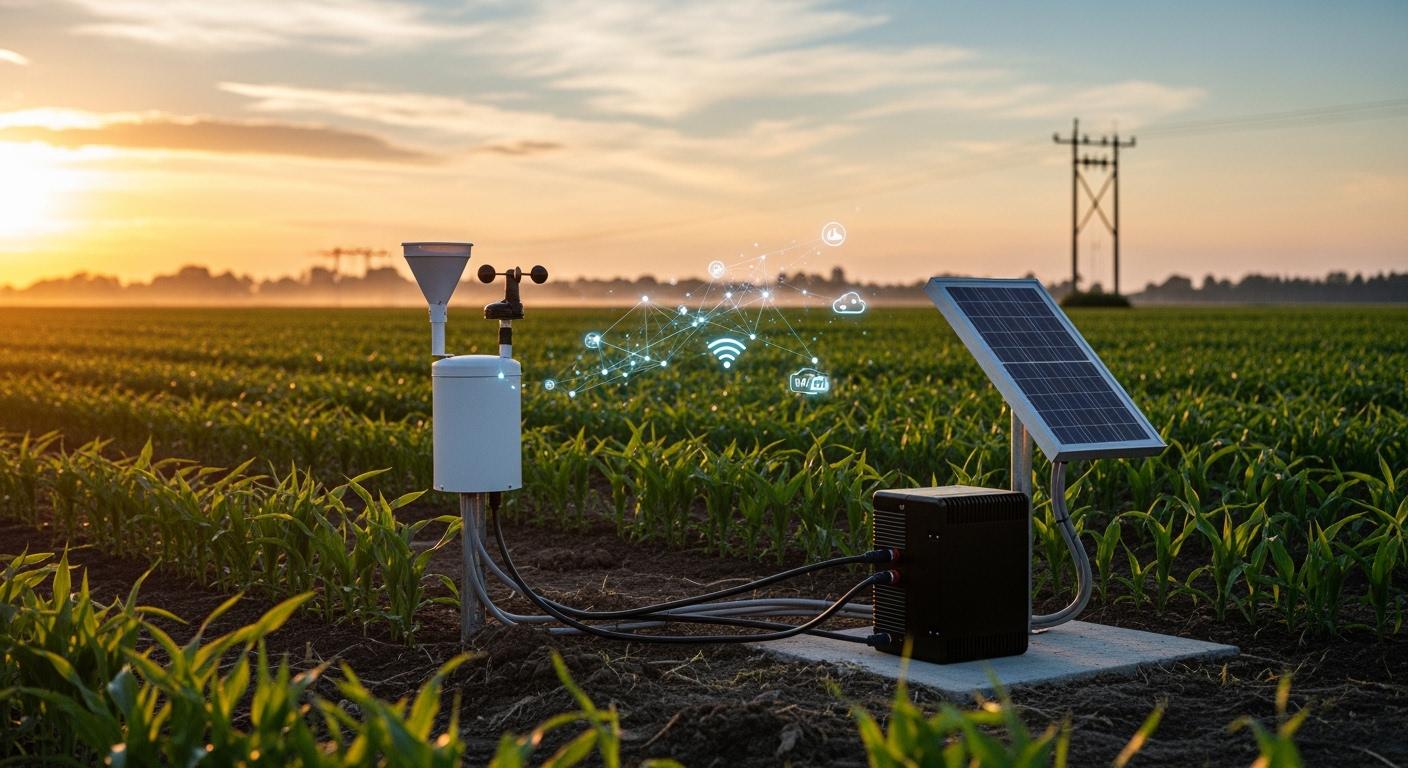
You need reliable power for agricultural IoT nodes, especially in remote areas. ESTEL’s Telecom Power System and Rectifier System give you steady energy, even in harsh environments. You can trust these solutions for continuous operation and energy efficiency. Hybrid solar and mains architecture helps you adapt to changing power needs. This technology supports your smart agriculture goals and keeps your systems running without interruption.
Key Takeaways
Reliable power is essential for agricultural IoT nodes, especially in remote areas. Use ESTEL’s Telecom Power System for consistent energy supply.
Hybrid solar and mains systems provide flexibility and reliability. They adapt to changing power needs and ensure continuous operation.
Monitor environmental factors like temperature and humidity to protect crops. Use IoT devices for real-time data to optimize farming practices.
The modular design of ESTEL systems allows for easy expansion as your farm grows. Add more power modules without disrupting operations.
Cost savings come from high efficiency and reduced maintenance needs. Natural cooling lowers energy use, saving money over time.
Power Challenges for Agricultural IoT
Off-Grid Limitations
You face many obstacles when you power IoT nodes in remote agricultural areas. Most IoT devices rely on batteries, which means you must replace or recharge them often. Data transmission uses the most energy, so your network can lose efficiency if power runs low. You also depend on strong network infrastructure, which is not always available in rural regions.
IoT nodes in agriculture often use batteries, which limits how long they can operate.
Data transmission drains the most power from your devices.
Reliable 6G or advanced network infrastructure is not always present in rural areas.
Traditional off-grid power solutions bring their own set of challenges. The table below highlights some common limitations:
Limitation Type | Description |
|---|---|
Power Density Limitations | Non-solar technologies generate insufficient power for practical applications without extensive arrays. |
Environmental Variability | Harvesting efficiency varies with conditions like light intensity and temperature gradients. |
Energy Storage Integration | Mismatch between harvesting patterns and power demands complicates energy storage solutions. |
Material Degradation | Outdoor deployments face performance degradation from environmental exposure. |
Long-term Reliability Concerns | Harsh conditions lead to fatigue failures in mechanical harvesters. |
Economic Barriers | High costs of energy harvesting technologies limit their adoption compared to grid electricity. |
Environmental Demands
You must consider the environment when you deploy IoT nodes in agriculture. Extreme temperatures, humidity, and weather events can affect both your crops and your technology. The following table shows how these factors impact agriculture and IoT applications:
Environmental Factor | Impact on Agriculture | IoT Application |
|---|---|---|
High Temperatures | Causes water stress, reduces nutrient absorption, yield | Monitoring for timely interventions |
Low Temperatures | Slows growth, delays flowering and fruiting | Weather forecasting for protective measures |
High Humidity | Encourages pests and diseases | Real-time monitoring to predict outbreaks |
Heatwaves | Causes potential yield losses | Proactive responses through continuous data |
Frost Events | Threatens crop viability | Monitoring to mitigate risks |
You need power systems that can withstand these harsh conditions and keep your IoT devices running.
Need for Hybrid Solutions
You see that no single power source can meet all the needs of agricultural IoT. Seasonal changes, isolated locations, and varying power requirements make energy management complex. Hybrid systems combine different energy sources, such as solar and mains, to provide reliable power throughout the year.
Key Findings | Description |
|---|---|
Energy Challenges | Agriculture faces unique energy challenges such as seasonal needs, isolated locations, and varying power requirements. |
Hybrid Systems | Hybrid systems combine complementary energy sources, providing solutions to energy issues in agriculture. |
Research Gaps | There are gaps in integrating renewable energy with other systems and in balancing cost, reliability, and sustainability. |
You can overcome many power challenges by choosing a hybrid solution that adapts to your environment and operational needs.
ESTEL Telecom Power System for IoT Nodes
System Overview
You need a dependable power solution for your agricultural IoT nodes. The ESTEL Telecom Power System gives you reliable energy for sensors and devices in remote fields. You can install this system on a standard 19-inch rack or inside a cabinet. The system supports a wide AC input voltage range, so you can use it with different power sources. You get natural cooling, which keeps the system running without extra equipment. The Telecom Power System works well in harsh outdoor environments, making it ideal for agriculture.
You can trust the ESTEL Telecom Rectifier System to deliver high efficiency. It converts AC power to DC power, which your IoT devices need. The rectifier system uses a modular design, so you can scale it up or down based on your needs. You get consistent DC48V output, which is crucial for telecom and IoT applications.
Key Features & Advantages
You benefit from several advanced features when you use the ESTEL Telecom Power System. These features help you achieve reliable and efficient operation in agricultural settings.
Wide input voltage range (90 to 300 Vac) lets you connect to various power sources.
Natural cooling reduces maintenance and lowers operational costs.
Modular design allows you to adjust the system for different terrains and environments.
You can configure the system for flat roofs, sloped surfaces, or uneven ground.
The structures support different panel types, so you can use various sizes and technologies.
Multiple communication ports make integration with your existing network easy.
High efficiency rates (over 96%) minimize energy loss and save money.
Rack-mount installation optimizes space and simplifies setup.
Tip: You can expand the system as your farm grows. The modular design makes upgrades and maintenance simple.
Feature | Benefit for Agriculture |
|---|---|
Wide Input Voltage | Works with unstable rural power sources |
Natural Cooling | No need for extra cooling equipment |
Modular Design | Fits any terrain or farm layout |
High Efficiency | Saves energy and reduces costs |
Rack-Mount Installation | Easy integration with existing infrastructure |
Integration with IoT Applications
You can use the ESTEL Telecom Power System with many agricultural IoT devices and sensors. The system enables remote monitoring of soil moisture, temperature, and weather conditions. You collect data that helps you optimize irrigation schedules and conserve water. You also track weather patterns and soil conditions, so you can adjust your farming practices when climate changes.
You monitor soil moisture to prevent overwatering.
You track temperature and weather for timely interventions.
You adjust irrigation and fertilization based on real-time data.
You respond quickly to environmental changes, protecting your crops.
The Telecom Power System supports continuous operation of your IoT network. You keep your sensors running, even during power fluctuations or harsh weather. You get reliable performance, which is essential for smart agriculture.
Note: You improve resource management and crop yields by using real-time data from your IoT devices.
Solar+Mains Hybrid Architecture
System Design
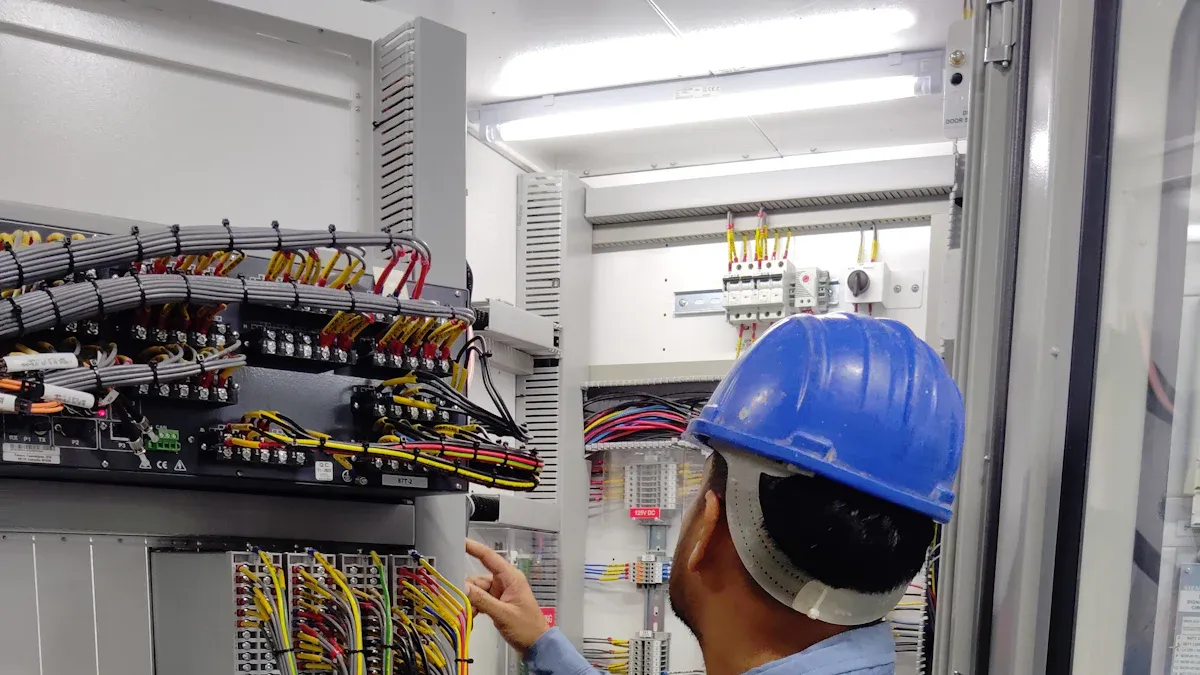
You combine solar panels and mains electricity to create a hybrid power system. Solar panels generate energy during the day. Batteries store excess energy for later use. When solar energy is low, mains electricity supplies power. Hybrid inverters manage the flow of energy. They convert DC from solar panels to AC for your devices. These inverters also store surplus energy in batteries. You get a seamless transition between power sources. The Telecom Power System integrates with this architecture, ensuring your agricultural IoT nodes always have power.
Note: Hybrid systems use battery storage to provide backup energy during outages or cloudy days. You keep your IoT devices running without interruption.
Reliability & Efficiency
You achieve continuous operation with hybrid systems. When the grid fails, batteries supply power instantly. Hybrid inverters switch between sources without delay. You maximize solar energy investment by using stored energy when sunlight is low. This setup reduces energy waste. You can use electricity directly, store it, or send it to the grid. Hybrid systems optimize self-consumption and lower dependence on grid electricity. You benefit from high efficiency and stable power for your agricultural IoT network.
Feature | How It Improves Efficiency |
|---|---|
Battery Storage | Provides backup during outages |
Hybrid Inverter | Converts and stores energy efficiently |
Seamless Switching | Maintains continuous operation |
Benefits for Agriculture
You see many advantages when you use hybrid power for agricultural IoT. Cost savings stand out. You reduce energy bills by using solar power. You also lower carbon emissions, helping the environment. Surveys show high satisfaction scores for hybrid systems in agriculture. Farmers report reliable power supply and improved efficiency. Hybrid modules for wireless sensor networks generate enough power for livestock tracking and crop monitoring. You manage variable power demands easily. Batteries respond quickly to changes, keeping your IoT devices stable. You support smart farming with dependable energy.
Tip: Hybrid systems help you adapt to changing weather and power needs. You protect your crops and livestock with reliable data from IoT sensors.
Advantages of ESTEL Solutions
Reliability & Uptime
You need your agricultural IoT nodes to work all the time, even in tough conditions. ESTEL solutions give you high reliability. The Telecom Power System keeps your devices running, even when the weather changes or the grid fails. You get stable voltage and current, which protects your sensors and communication equipment. The natural cooling system prevents overheating, so you do not worry about breakdowns. You can trust your data collection and monitoring to continue without interruption.
Tip: Reliable power means you can make decisions based on real-time data. You do not lose important information during storms or outages.
Scalability & Flexibility
You want your power system to grow with your farm. ESTEL designs its systems with modular components. You can add more power modules as you expand your IoT network. The rack-mount design lets you fit the system into different spaces, from small cabinets to large control rooms. You can use the same system for many types of sensors and devices. This flexibility helps you adapt to new technologies and changing needs.
Add more modules as your farm grows.
Use the system for different sensors and applications.
Install in various locations with ease.
Feature | Benefit for You |
|---|---|
Modular Design | Easy upgrades |
Rack-Mount System | Fits many environments |
Wide Compatibility | Supports many devices |
Cost & Maintenance Benefits
You save money with ESTEL solutions. The natural cooling system reduces energy use and lowers your electricity bills. You do not need extra fans or air conditioners. The modular design makes maintenance simple. You can replace one part without shutting down the whole system. High efficiency means less energy waste, which cuts costs over time. The Telecom Power System helps you avoid expensive repairs and downtime.
Note: Lower maintenance needs mean you spend less time fixing problems and more time focusing on your crops.
Deployment & Real-World Results
Implementation Steps
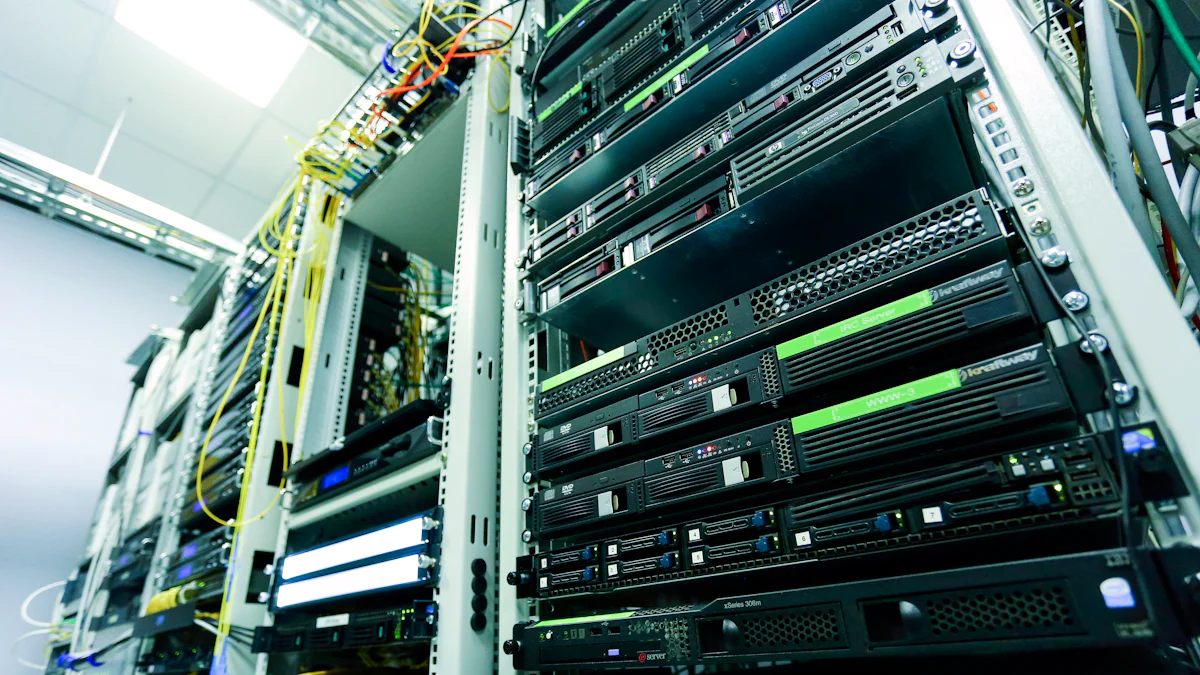
You can set up an ESTEL-powered agricultural IoT system by following a clear process. First, you select the right location for your telecom cabinet and solar panels. You check for sunlight exposure and easy access for maintenance. Next, you install the ESTEL Telecom Power System and Rectifier System inside a standard 19-inch rack or outdoor cabinet. You connect your IoT sensors and devices to the power system. You then integrate solar panels and batteries with the hybrid inverter. Finally, you test the system to ensure stable power delivery and reliable data transmission.
Tip: Always check connections and grounding before activating your system. This step helps prevent faults and ensures safety.
Sizing & Monitoring
You need to size your power system based on the number of IoT nodes and their energy needs. Calculate the total power consumption of your sensors, communication devices, and controllers. Choose the right battery capacity to support your network during cloudy days or grid outages. ESTEL systems make it easy to monitor performance in real time. You can track soil moisture, temperature, and system status using a mobile app.
The table below shows how you can monitor soil moisture before and after irrigation on different farms:
Farm | Before Irrigation (Moisture %) | After Irrigation (Moisture %) | Status on Mobile App |
|---|---|---|---|
Napier Farm | 22% - 42% | 45% - 69% | Humid |
Ruzi Farm | 12% - 34% | 38% - 81% | Dry, Humid, Wet, Check |
You receive instant updates on your phone. This helps you make quick decisions and improve water management.
Case Studies with ESTEL
You can see the impact of ESTEL solutions in real-world farms. On Napier Farm, you maintain healthy soil moisture levels with automated alerts. You avoid overwatering and save resources. On Ruzi Farm, you track changes in soil conditions and adjust irrigation schedules. You notice improved crop yields and reduced water waste. Farmers report fewer equipment failures and less downtime. You benefit from reliable power, efficient monitoring, and better farm management.
Note: ESTEL’s hybrid power systems help you achieve smart agriculture goals, even in remote or challenging environments.
You can solve off-grid power challenges for agricultural IoT nodes with ESTEL’s Telecom Power System and Rectifier System. These solutions give you reliable energy, high efficiency, and easy expansion. You save money and reduce downtime. You support smart farming with continuous data and stable operation. If you want to upgrade your agricultural IoT power, contact ESTEL for expert advice and solutions.
Ready to power your farm’s future? Visit ESTEL’s website or reach out for a consultation.
FAQ
How does the ESTEL Telecom Power System handle power outages?
You get backup power from batteries during outages. The system switches automatically to stored energy, so your IoT nodes keep running without interruption.
Can you expand the ESTEL system as your farm grows?
Yes, you can. The modular design lets you add more power modules or rectifiers. You scale your system easily to support more sensors or devices.
What maintenance does the system require?
You check connections and clean solar panels regularly.
You monitor system status using the app.
You replace modules only when needed.
Is the system suitable for harsh outdoor environments?
Feature | Benefit |
|---|---|
Natural Cooling | Prevents overheating |
Weatherproof Design | Withstands rain and dust |
You can trust the system to work in tough conditions.
See Also
Energy Storage Solutions for Telecom Cabinets Using Photovoltaics
Telecom Cabinets Powered by Grid-Connected Solar Inverter Systems
Smart Energy Storage Systems for Telecom Cabinets with Microgrid
Ensuring Consistent Power Supply for Telecom Cabinet Operations
Essential Insights on Features of Telecom Power Supply Systems
CALL US DIRECTLY
86-13752765943
3A-8, SHUIWAN 1979 SQUARE (PHASE II), NO.111, TAIZI ROAD,SHUIWAN COMMUNITY, ZHAOSHANG STREET, NANSHAN DISTRICT, SHENZHEN, GUANGDONG, CHINA
