Submarine Cable Repeater Station Adaptation of Telecom Power Systems: Anti-Corrosion Design for High Salinity+Pressure

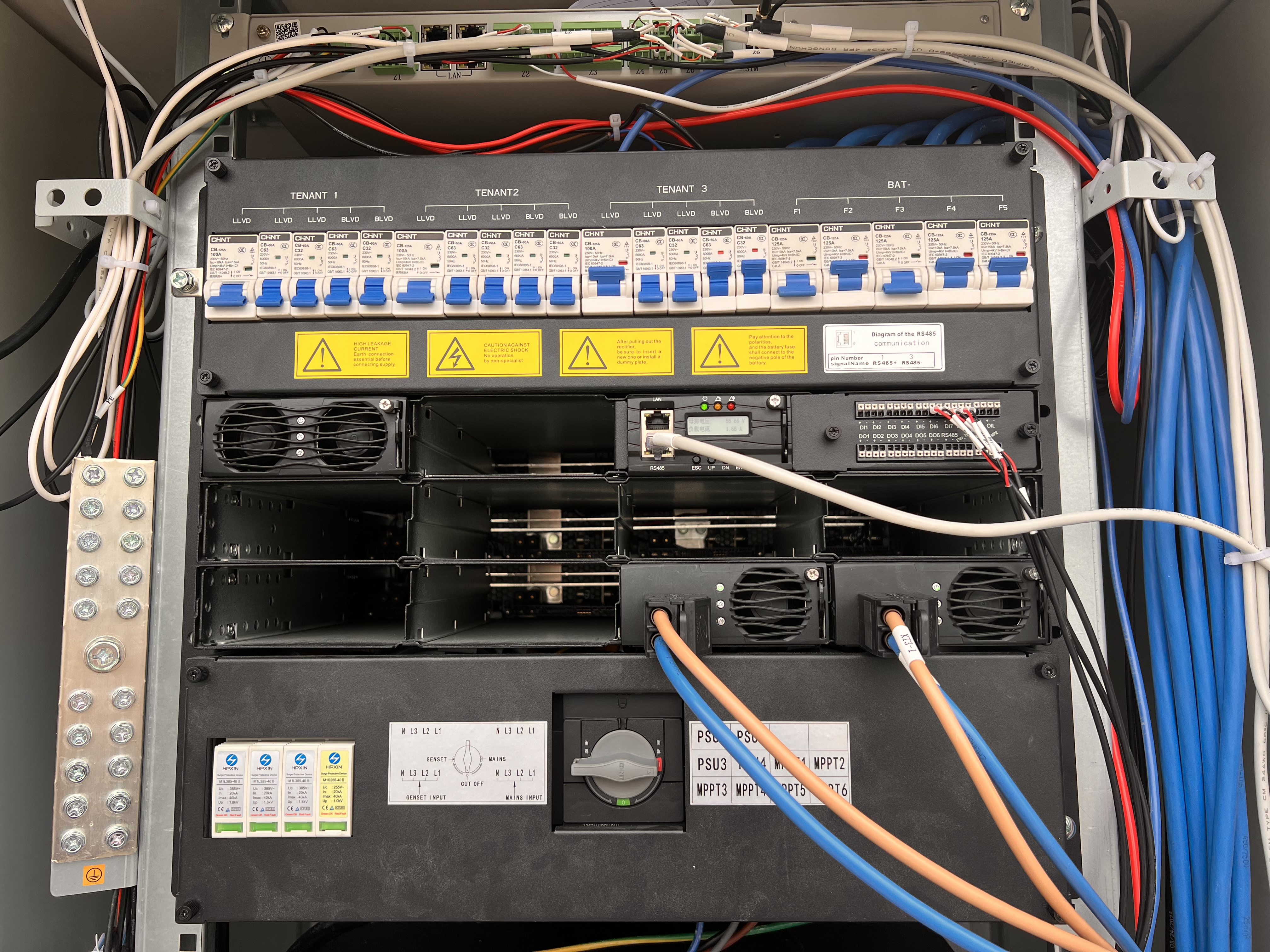
You rely on anti-corrosion design to keep the Telecom Power System operating smoothly in submarine cable repeater stations. High salinity and pressure can damage electrical equipment, but robust systems prevent failures. ESTEL delivers advanced solutions with strict quality control and innovative engineering. Long-term reliability matters in extreme marine environments, so anti-corrosion strategies protect your investment and ensure consistent performance.
Key Takeaways
Anti-corrosion design is crucial for submarine cable repeater stations. It protects equipment from high salinity and pressure, ensuring reliable operation.
Choose materials like marine-grade aluminum and stainless steel for their excellent corrosion resistance. This selection extends the life of your telecom power system.
Implement real-time corrosion monitoring technologies. Early detection helps prevent major failures and reduces costly repairs.
Follow strict maintenance protocols. Regular inspections and timely repairs keep your equipment functioning well in harsh marine conditions.
Invest in modular and corrosion-resistant systems. They improve reliability and lower long-term maintenance costs.
Anti-Corrosion Design for Submarine Cable Stations
Impact on Power System Reliability
You face unique challenges when you operate a submarine cable repeater station. High salinity and pressure can cause rapid corrosion and mechanical stress. Anti-corrosion design protects your Telecom Power System from these harsh conditions. Reliable operation depends on several principles. Materials must resist seawater and pressure. Structural integrity ensures that the system stays strong and lightweight. Designers avoid aluminum because it reacts with seawater. Service life must exceed 25 years to reduce maintenance needs.
Here is a table that shows the most effective anti-corrosion design principles:
Design Principle | Description |
|---|---|
Adaptation to marine environments | Cables withstand submarine pressure, wear, corrosion, and biological factors |
Armored layer | Prevents damage from fishing trawls, anchors, and sharks |
Minimization of water infiltration | Limits cable exposure to seawater in case of a break |
Hydrogen prevention | Stops external hydrogen penetration and internal generation |
Low resistance | Ensures efficiency in remote power supply circuits |
Structural integrity | Uses strong, lightweight materials; avoids aluminum |
Service life | Exceeds 25 years |
You also need to consider cable type, structure, and burial depth. In seismic risk areas, you enhance cable structure to resist deformation. You increase slack based on predictions and establish multiple routing protections for critical cables. These strategies help your Telecom Power System deliver consistent performance.
ESTEL’s Approach to Anti-Corrosion
ESTEL uses advanced engineering to protect your equipment. You benefit from strict quality control and innovative materials. ESTEL designs outdoor telecom cabinets with anti-corrosion powder coatings. These coatings shield your Telecom Power System from saltwater and pressure. The company selects strong materials and applies robust sealing techniques. You get cabinets with high ingress protection ratings and heat insulation. ESTEL ensures that your system operates reliably in extreme marine environments. You can trust their solutions to maintain performance and reduce downtime.
Tip: Choose equipment with proven anti-corrosion features for long-term reliability in submarine cable stations.
Environmental Challenges: Salinity and Pressure

Effects on Electrical Components
You encounter unique environmental variables when you operate submarine cable repeater stations. These variables include conductivity, temperature, salinity, pressure, and sound velocity. Salinity is calculated from conductivity, which changes with temperature. You must understand these factors to detect anomalies and protect your equipment.
Saltwater is highly corrosive. It attacks unprotected metal surfaces quickly. Connectors without proper plating can suffer pitting corrosion in just a few weeks. This leads to early failure and costly repairs. Extreme pressure at ocean depths adds another challenge. Submarine cables must withstand both the crushing force of water and the corrosive effects of salt. Dynamic seabed activity, such as shifting sands or rocks, can also threaten the integrity of your electrical components.
Manufacturers use multiple protective layers to improve durability. Advanced engineering techniques help your equipment resist deep-sea pressures and corrosive conditions. You benefit from these innovations because they extend the life of your telecom power systems.
Tip: Always check for signs of corrosion or damage during routine inspections. Early detection prevents major failures.
Housing and Sealing Solutions
You need strong housing and effective sealing to protect your telecom power system. Engineers select materials and coatings that resist corrosion and maintain integrity under extreme marine conditions. Here is a table showing proven solutions:
Material / Coating | Corrosion Resistance | Relative Cost | Best Application |
|---|---|---|---|
Marine-Grade Aluminum | Excellent | Medium | Portable PV frames |
316 Stainless Steel | Excellent | High | Fasteners, brackets, critical hardware |
Zinc-Magnesium-Aluminum Alloy | Exceptional | Medium-High | Mounting systems, structural profiles |
Advanced alloys like marine-grade aluminum (5000 & 6000 series) provide enhanced corrosion resistance. 316-grade stainless steel works well for fasteners because it resists chloride corrosion. Zinc-Magnesium-Aluminum alloys offer self-healing properties, giving you extra protection.
Researchers have developed new materials, such as a tungsten carbide-zirconium-copper composite, which creates a dense and highly corrosion-resistant surface. You can rely on these innovations to keep your equipment safe and functional in harsh marine environments.
Telecom Power System Adaptation Strategies
Material Selection and Protective Coatings
You need to choose materials and coatings that protect your equipment from saltwater and pressure. Corrosion-resistant platings such as gold, platinum, and palladium prevent oxidation and keep surfaces conductive. Many engineers use a multi-layer plating strategy. Nickel forms a base barrier layer for structural adhesion, while noble metals provide corrosion resistance. Electroless nickel plating gives uniform coverage, even on complex connector shapes. Specialized alloy platings fight specific environmental threats, so your system lasts longer without major degradation.
You also see high-performance plastics in hybrid connectors. These plastics reduce weight and provide electrical insulation. Surface Activation® helps these plastics bond with metallic layers. When you select these materials, you extend the operational lifespan of your Telecom Power System.
Here is a table showing how material selection and coatings affect durability:
Material Type | Performance Metric | Durability Evidence |
|---|---|---|
Marine-grade aluminum alloys | Salt-spray resistance certifications | Maintains structural stability for 15+ years under chloride exposure |
Standard galvanized steel cabinets | Perforation corrosion | Experiences corrosion within 7 years |
Aluminum-magnesium alloy variants | Structural stability | Maintains integrity for 15+ years |
During this period, you notice no macroscopic defects on the surface of the coatings. The coatings still protect your equipment. When corrosive media saturate the coating, defects form, and the metal becomes exposed. This process speeds up failure. Timely detection and maintenance are essential.
Specialized Connectors and Interfaces
You rely on specialized connectors to keep your Telecom Power System safe and efficient. These connectors use advanced materials like nickel-plated brass, stainless steel, or polymer composites. These materials resist environmental degradation. Robust sealing mechanisms, such as IP68 or IP69K-rated gaskets, ensure long-term durability. You get reliable electrical performance, even in harsh conditions with moisture, salt, and extreme temperatures.
You benefit from these features:
Specialized connectors maintain system efficiency and safety.
Advanced materials prevent corrosion and electrical faults.
Sealing mechanisms block water and salt from entering the system.
When you use these connectors, you reduce the risk of failure and extend the life of your Telecom Power System.
Integration of ESTEL Telecom Power System
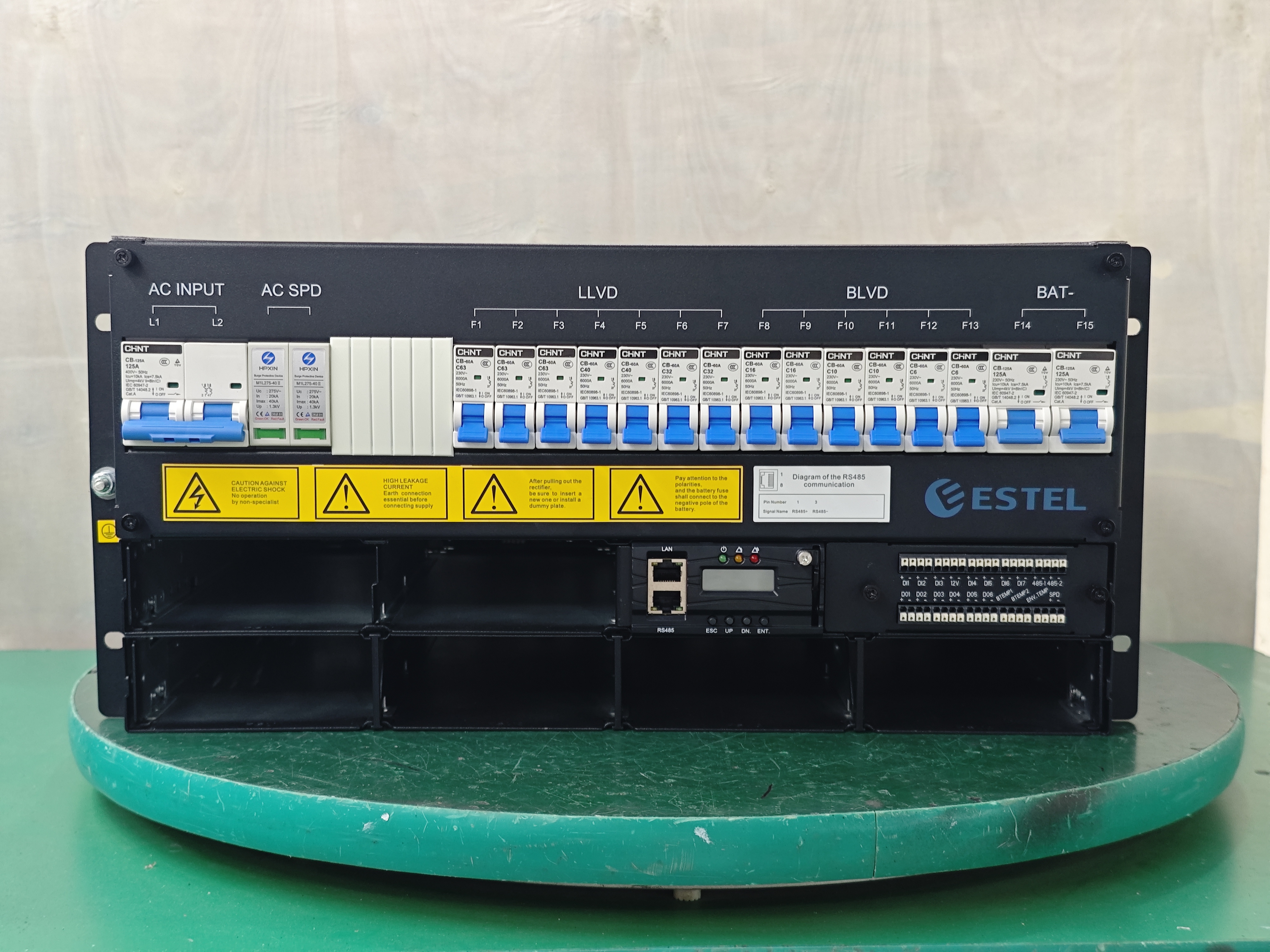
You need a power solution that adapts to marine environments. ESTEL’s Telecom Power System and Rectifier System are engineered for anti-corrosion and high-pressure conditions. You get cabinets with anti-corrosion powder coatings and robust sealing. These features protect your equipment from saltwater and pressure.
ESTEL’s Telecom Power System offers natural cooling. You do not need extra cooling equipment, which lowers maintenance needs. The system supports a wide AC input voltage range from 90 to 300 Vac. You can install it on a standard 19-inch rack or inside a cabinet. Modular design lets you scale and maintain your system easily. Multiple communication ports help you integrate the system with your network.
The Telecom Rectifier System provides high efficiency rates above 96%. You get flexible input voltage options and consistent DC48V output. Modular design allows for easy maintenance and scalability. Grounding protection and flexible cable inlets improve safety and installation.
Here is a table showing cost implications for advanced anti-corrosion strategies:
Cost Factor | Description | Cost Implication |
|---|---|---|
Corrosion-resistant coatings | Use of materials like polyethylene and specialized polymers for protection. | Increases initial costs but enhances durability. |
Heavy armoring | Double-layer steel wires for high-risk areas. | Can increase costs by 40–60%. |
Smart investment | Emphasizes reliability over lowest price. | Long-term savings through reduced maintenance. |
You make a smart investment when you choose ESTEL’s Telecom Power System. You pay more at first, but you save money over time because you reduce maintenance and downtime. You can learn more about ESTEL’s solutions at ESTEL’s official website.
Tip: Choose modular and corrosion-resistant systems for submarine cable stations. You improve reliability and reduce long-term costs.
Monitoring, Maintenance, and Reliability Standards
Real-Time Corrosion Monitoring
You need to monitor corrosion in submarine cable repeater stations to protect your telecom power system. Real-time monitoring helps you detect problems early and prevent failures. You can use several advanced technologies to track corrosion:
Atmospheric Corrosion Monitoring (ACM) uses galvanic corrosion sensors. These sensors measure corrosion current and rate. You get accurate data about how fast corrosion happens.
Electrochemical Impedance Spectroscopy (EIS) checks the condition of protective coatings. This non-destructive method measures surface impedance. You can see if coatings still protect your equipment.
Electrochemical Noise (EN) tracks current and potential changes on corroding electrodes. You learn about corrosion mechanisms and rates.
You benefit from these tools because they give you real-time feedback. You can respond quickly to any changes and keep your system safe.
Tip: Use real-time monitoring to catch corrosion early and avoid costly repairs.
Maintenance Protocols for Submarine Environments
You must follow strict maintenance protocols in submarine environments. Regular inspections help you find corrosion or damage before it spreads. You clean and check connectors, seals, and coatings. You replace worn parts and reapply protective coatings as needed. You use remote monitoring systems to track performance and spot issues without sending teams underwater.
You keep detailed records of maintenance activities. These records help you plan future inspections and repairs. You train your staff to recognize early signs of corrosion. You use modular systems, like ESTEL’s Telecom Power System, to make maintenance easier and faster.
Note: Scheduled maintenance reduces downtime and extends the life of your equipment.
Compliance with International Standards
You must meet international standards to ensure reliability and safety. Standards like ISO9001 set requirements for quality management. You follow guidelines from IEC and ITU for telecom equipment in marine environments. These standards cover material selection, protective coatings, and testing procedures.
You choose products that meet or exceed these standards. ESTEL designs its telecom power systems to comply with global regulations. You gain confidence knowing your equipment is built for durability and performance.
Standard | Focus Area | Benefit to You |
|---|---|---|
ISO9001 | Quality management | Consistent product reliability |
IEC | Electrical safety | Safe operation in harsh conditions |
ITU | Telecom infrastructure | Long-term system performance |
Alert: Always check for certifications when selecting equipment for submarine cable stations.
Future Trends in Anti-Corrosion Design
Emerging Materials and Technologies
You see new materials and technologies changing how you protect telecom power systems in submarine cable stations. XLPO cables offer excellent anti-corrosion properties. These cables keep a stable, water-repellent surface and strong dielectric strength. You benefit from longer-lasting performance in harsh marine conditions. Multifunctional surface coatings and nanocoatings increase hydrophobicity and block biofouling. You get cables that resist both water and marine organisms. Smart technologies, such as embedded sensors, help you monitor cable health in real time.
XLPO cables provide superior anti-corrosion and water resistance.
Nanocoatings improve hydrophobicity and prevent biofouling.
Embedded sensors allow you to track cable performance and detect issues early.
Predictive Maintenance and AI
You use predictive maintenance and artificial intelligence to keep your systems reliable. Sensors collect data about corrosion, temperature, and pressure. AI analyzes this data and predicts when maintenance is needed. You avoid unexpected failures and reduce downtime. You schedule repairs before problems grow. This approach saves you money and keeps your telecom power system running smoothly. You rely on real-time monitoring to make smart decisions.
Predictive maintenance helps you plan ahead and protect your investment.
ESTEL’s Vision for Innovation
You trust ESTEL to lead in anti-corrosion design. ESTEL invests in research and development to create durable telecom power systems. The company uses hermetic sealing, advanced jacket materials, and corrosion-resistant layers. You see these features in the latest products:
Feature | Description |
|---|---|
Hermetic Sealing | Seamless, water-blocking barrier with copper or aluminum tubes around the fiber core |
Outer Jacket Materials | PVC jackets for general use; LSZH jackets for reduced toxic emissions in sensitive areas |
Corrosion-Resistant Layers | Stainless steel armor or polymer coatings for saltwater protection |
ESTEL aims to combine smart monitoring, advanced materials, and modular designs. You get solutions that last longer and perform better in extreme marine environments. You can expect ESTEL to continue innovating and setting new standards for telecom infrastructure.
You protect your telecom power system in submarine cable repeater stations by using anti-corrosion strategies like advanced coatings, strong materials, and modular designs. ESTEL delivers durable solutions that help you reduce downtime and extend equipment life. Ongoing innovation and strict adherence to international standards drive economic growth and improve digital services. You secure your investment and future-proof your infrastructure by choosing quality and reliable products.
Investing in robust telecom systems supports long-term reliability and boosts economic potential.
FAQ
What makes ESTEL’s Telecom Power System suitable for submarine cable stations?
You get anti-corrosion powder coatings, robust sealing, and modular design. These features protect your equipment from saltwater and pressure. You can rely on ESTEL for long-term reliability in extreme marine environments.
How do you monitor corrosion in submarine cable repeater stations?
You use real-time sensors like ACM and EIS. These tools help you detect corrosion early. You can respond quickly and prevent equipment failure.
Why is material selection important for anti-corrosion design?
You choose materials like marine-grade aluminum and stainless steel. These resist saltwater corrosion. You extend the life of your telecom power system and reduce maintenance needs.
Can you install ESTEL’s Telecom Power System in standard racks?
You can install the system on a standard 19-inch rack or inside a cabinet. This flexibility makes integration easy and supports efficient maintenance.
See Also
Creating A Durable Outdoor Communication Cabinet For Any Climate
Safeguarding Equipment Using Outdoor Telecom Cabinet Solutions
Essential Design Features For Outdoor Communication Base Stations
Proven Strategies For Protecting Cabinets In Risky Locations
CALL US DIRECTLY
86-13752765943
3A-8, SHUIWAN 1979 SQUARE (PHASE II), NO.111, TAIZI ROAD,SHUIWAN COMMUNITY, ZHAOSHANG STREET, NANSHAN DISTRICT, SHENZHEN, GUANGDONG, CHINA
