Full DC Evolution of Telecom Power Systems: From Traditional to Efficient DC/DC Architectures

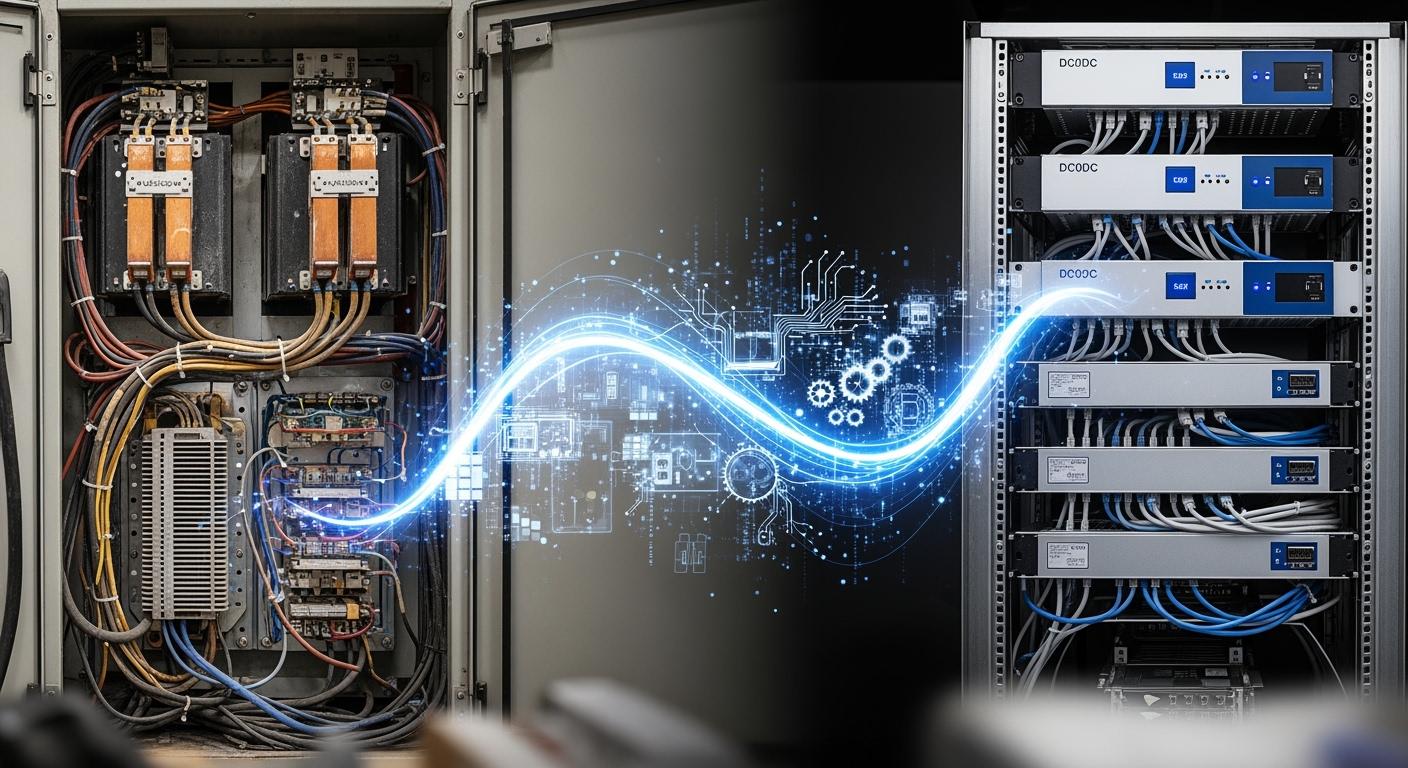
You see a shift in telecom power systems as companies move from traditional designs to efficient DC/DC architectures. Reliability, efficiency, and scalability now drive performance in modern telecom infrastructure.
DC Power Systems are projected to reach a 34.2% market share in 2026.
These systems support seamless integration with hybrid energy solutions and deliver improved reliability.
Digital communication systems reduce costs and boost reliability. The Telecom Power System stands out as a solution that adapts to evolving industry needs.
Key Takeaways
Transitioning to DC/DC architectures boosts efficiency, reducing energy loss and operational costs.
Modern telecom power systems enhance reliability, minimizing outages and improving service continuity.
Adopting modular designs allows for easy scalability, enabling networks to grow without major overhauls.
Integrating renewable energy sources with DC systems supports sustainability goals and reduces carbon emissions.
Utilizing advanced monitoring technologies helps optimize performance and predict maintenance needs, ensuring smooth operations.
Traditional Power System Challenges
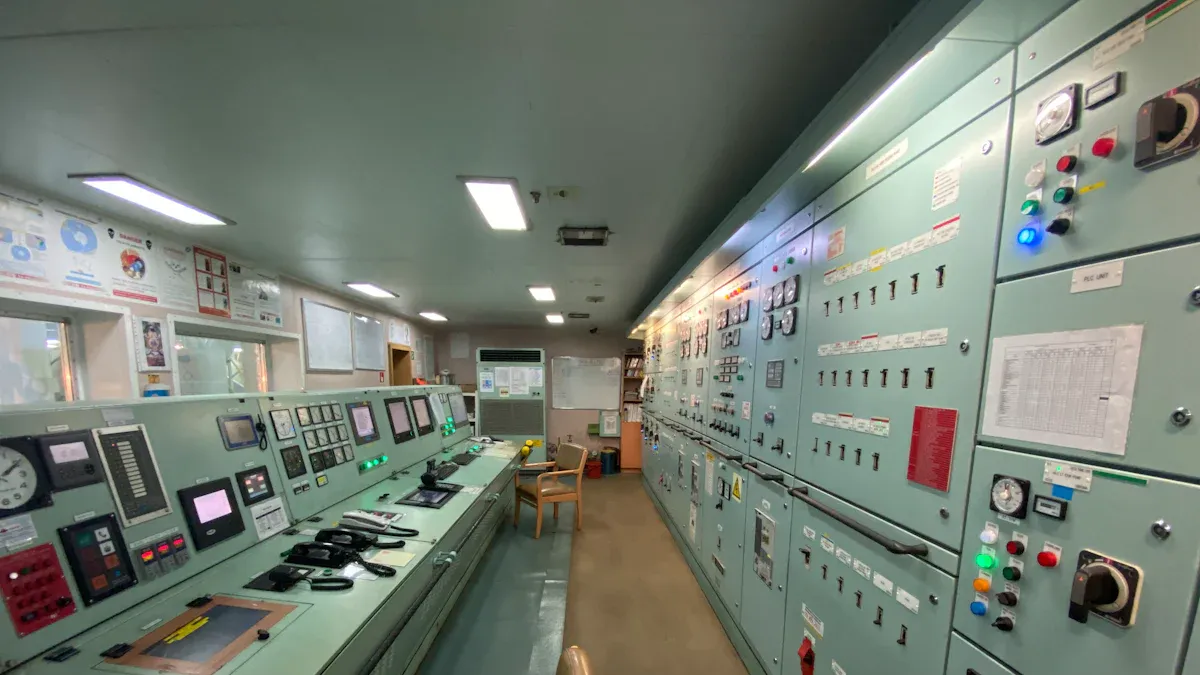
AC/DC Limitations
You may notice that traditional telecom networks often rely on AC/DC power conversion. This approach brings several challenges that can affect your network’s performance and costs. High temperatures can shorten battery life, making replacements more frequent. Sudden changes in power system parameters can cause instability, which may disrupt your service. When power demands increase quickly or overloads occur, failures become more likely. If you do not follow safety procedures, electric shock incidents can happen during equipment handling. Regular maintenance is necessary, but neglecting it can reduce the lifespan of your power system.
Here are some common limitations you might encounter:
High temperature environments reduce battery life.
Instability from arbitrary changes in power system parameters.
Failures caused by frequent power increases and overloads.
Safety risks during loading and unloading.
The need for regular maintenance to prevent early system failure.
You also face increased operational costs and maintenance needs due to these limitations. The table below shows how complexity in AC/DC systems can impact your operations:
Complexity Factor | Impact on Operational Costs and Maintenance |
|---|---|
Increased complexity | Higher management effort and more potential for errors |
Hidden failure points | Unexpected outages and longer repair times |
Frequent maintenance needs | More labor costs and resource allocation |
Layered power systems | Unnecessary power conversions and higher operational risks |
Internal power supply failures | Immediate outages and complicated recovery efforts |
Need for rethinking power delivery | Integrated approaches can lower costs and improve reliability |
Reliability Concerns
You depend on your network to deliver consistent service, but traditional power systems often struggle with reliability. Power-related failures account for about 43% of telecom network outages. Common issues include battery aging, poor fuel management for backup generators, load imbalances, and inefficient rectifiers. You may also lack real-time visibility into energy consumption, making it harder to prevent problems before they occur.
Other reliability concerns include:
Battery capacity degradation over time
Inefficient fuel management for backup power
Load imbalance and rectifier inefficiency
Limited monitoring of energy use
You also face risks from external events. Natural disasters can damage power infrastructure and disrupt service. Grid failures from equipment malfunctions or overloading can cause outages. Aging components and power surges may lead to equipment failures. Energy shortages sometimes require backup systems to keep your telecom power system running.
Tip: Upgrading to modern power solutions can help you reduce these risks and improve network reliability.
DC/DC Architecture Principles
Converter Technologies
You rely on DC/DC converter technologies to ensure your telecom network operates efficiently and reliably. These converters play a key role in transforming voltage levels to match the needs of different equipment. Modern converters offer a wide input range, often covering both 24V and 48V DC bus voltages. This flexibility allows you to use a single model for multiple applications, which simplifies your system design and reduces inventory costs.
Feature | Description |
|---|---|
Input Range | Wide input range covers both 24V and 48V DC bus voltages. |
Voltage Handling | Manages voltage variations and transients effectively. |
System Design Simplification | Uses a single model for multiple voltages, reducing complexity. |
Resilience | Enhances system resilience to power disturbances. |
You benefit from high conversion efficiency, which means less energy is lost as heat. This efficiency leads to cost savings and supports your sustainability goals. Leading converter models, such as those from Recom Power Gmbh and CUI, achieve efficiency ratings up to 98%. These high-performance converters help you maintain reliable service, even in demanding environments.
Note: Rectifiers are mission-critical in any Telecom Power System. You must ensure the rectifier capacity matches your site load to prevent outages. Redundancy, such as N+1 configurations, is essential for network stability.
Distributed Power Design
Distributed power design gives you greater control over your network’s reliability and scalability. By placing power conversion closer to the load, you reduce transmission losses and improve operational stability. This approach allows you to scale your system easily as your network grows.
Key Element | Description |
|---|---|
System Availability | Determines uptime and reliability of power supply. |
Scalability | Accommodates future load growth. |
Operational Stability | Ensures continuous power supply under various conditions. |
Redundancy Implementation | Integrates backup systems to prevent outages. |
Load Balancing | Distributes power evenly to prevent overloads. |
Failure Isolation | Allows quick identification and resolution of issues. |
You also gain the advantage of easier integration with renewable energy sources. Distributed power design enhances reliability by localizing power conversion, making your Telecom Power System more efficient and cost-effective compared to traditional AC systems.
Telecom Power System Integration
ESTEL Solutions Overview
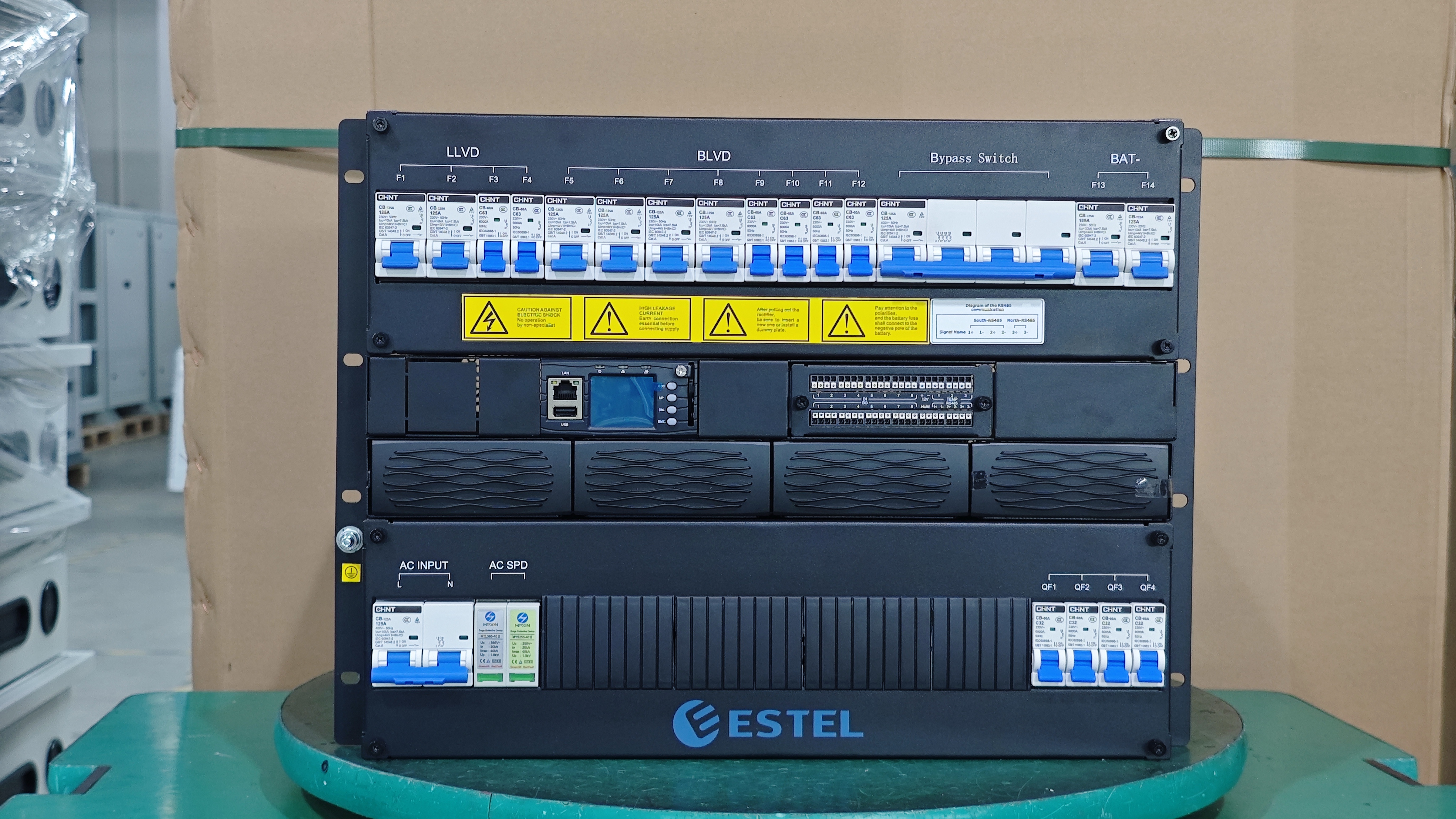
You want a power solution that adapts to your network’s changing needs. ESTEL delivers this flexibility through its advanced Telecom Power System and Telecom Rectifier System. These systems support a wide range of telecom applications, from urban base stations to remote mountain sites. You can rely on ESTEL to provide robust power management, even in harsh outdoor environments.
ESTEL stands out by offering modular and scalable solutions. You can expand your system as your network grows, without replacing existing equipment. The modular design also makes maintenance simple and fast. You can swap out components without shutting down your entire site.
When you compare ESTEL’s power distribution units to other industry leaders, you see clear advantages:
Feature | ESTEL PDUs | Schneider Electric PDUs |
|---|---|---|
Modular design | Yes, highly adaptable | Limited |
Adjustable mounting brackets | Yes | No |
Input/output compatibility | Wide range | Standardized |
You benefit from advanced software integration. ESTEL’s systems give you real-time insights into power usage and system health. You can monitor and control your power distribution remotely, which helps you respond quickly to any issues. This level of adaptability and monitoring gives you an edge in dynamic telecom environments.
ESTEL’s focus on real-time data and flexible configurations means you can meet complex telecom requirements with confidence. You gain more control and reliability compared to standardized solutions.
Product Features and Benefits
You need a Telecom Power System that delivers high performance and reliability. ESTEL’s solutions provide both. The Telecom Power System and Telecom Rectifier System use advanced technologies to ensure efficient power conversion and safe operation. You can count on these systems to protect your equipment and keep your network running smoothly.
Here are some key technical features:
Feature | Description |
|---|---|
Modularity | You can scale the system easily to fit your network’s size and needs. |
Scalability | Advanced design lets you future-proof your power infrastructure. |
Performance | Conversion efficiency exceeds 98%, so you lose less energy as heat. |
Advanced Protection | Built-in safeguards prevent over-voltage, short circuits, and overloads. |
Remote Monitoring | You get real-time access to system data and can manage performance remotely. |
You also benefit from wide input voltage compatibility. The Telecom Power System works with AC inputs from 90 to 300 Vac, making it suitable for different power sources. Natural cooling reduces the need for extra equipment, lowering your maintenance costs. You can install the system on a standard 19-inch rack or inside a cabinet, giving you flexibility in deployment.
Telecom operators report significant benefits after integrating ESTEL products. Many achieve operational and financial gains by using renewable energy, which lowers greenhouse gas emissions and reduces energy costs. Some operators reach near-zero emissions, attracting investors who value sustainability. ESTEL’s Telecom Power System supports efficient power management and easy integration with renewable solutions, helping you meet government requirements and reduce your environmental footprint.
You can also see real savings in fuel and maintenance. Solar-powered towers can cut fuel use by up to 80%. Hybrid systems can reduce generator use by over 90%. Some operators save more than $30,000 per site each year. Tax incentives in the U.S. and China make these upgrades even more attractive, increasing the adoption of renewable telecom power systems.
When you choose ESTEL, you invest in a solution that grows with your network, protects your equipment, and supports your sustainability goals. You gain reliable performance, advanced monitoring, and the flexibility to adapt to future demands.
Efficiency and Reliability Gains
Energy Loss Reduction
You can achieve significant energy savings by upgrading to a modern Telecom Power System with DC/DC architecture. These systems use advanced rectifiers that reach up to 98% efficiency. This high efficiency means less energy is lost during power conversion. When you reduce energy loss, you lower your operational costs and help the environment by cutting your carbon footprint. DC power systems also simplify cabling. Fewer conversions take place, so less energy turns into heat. This design keeps your equipment cooler and reduces the need for extra cooling devices. Over time, you save money not only on electricity but also on maintenance. Many telecom operators see a reduction in power loss by up to 75% compared to older systems. These improvements make your network more sustainable and cost-effective.
Tip: Choosing a high-efficiency Telecom Power System helps you meet both financial and environmental goals.
System Uptime Improvements
You want your network to stay online without interruptions. DC/DC power solutions help you reach this goal by improving system uptime in several ways:
Network reliability increases because DC power ensures your critical equipment keeps running.
Battery backup optimization extends battery life and keeps performance steady during outages.
Energy efficiency reduces waste, which lowers your costs and supports green initiatives.
Scalability lets you expand your network easily as demand grows.
Proper surge protection devices keep your service uninterrupted.
Lower maintenance needs mean fewer repairs and less downtime.
Stronger service-level agreement (SLA) performance results from better uptime.
When you use a reliable Telecom Power System, you gain peace of mind. Your network becomes more resilient, and your customers experience fewer disruptions. You also spend less on emergency repairs and maintenance, which improves your bottom line.
Real-World Deployments
Migration Strategies
You can achieve a smooth transition to DC/DC architectures by following a clear migration strategy. Start by documenting your current hardware, software, storage, and network configurations. This inventory helps you understand what you have and what needs upgrading. Next, plan your migration in waves. Begin with simpler resources and map out dependencies. This approach lets you address challenges step by step. Before moving everything, conduct a test migration. Move backup data to check readiness and estimate how long the process will take. Execute the migration in stages, focusing on automation and monitoring. After each stage, review your resource consumption and optimize where needed. You should also assess the business impact of applications being migrated. Secure buy-in from stakeholders and plan for operational changes. Staff adjustments may be necessary as you adopt new systems.
Tip: Careful planning and staged execution reduce risks and ensure your Telecom Power System operates efficiently after migration.
ESTEL Case Studies
You see real benefits when you deploy ESTEL solutions in your telecom infrastructure. One telecom operator reported a 30% reduction in downtime after installing ESTEL enclosures in a high-humidity region. The durability and smart features of these enclosures saved time and money. Another client praised the sustainability of ESTEL products, noting their alignment with green initiatives. You can rely on ESTEL to deliver robust performance and support your environmental goals. A satisfied customer stated, "ESTEL's enclosures transformed our operations." You gain improved reliability and operational efficiency when you choose ESTEL. The Telecom Power System adapts to challenging environments and supports seamless integration with renewable energy sources. These successful deployments show how ESTEL products enhance customer satisfaction and drive positive outcomes in real-world telecom projects.
Future Trends in Telecom Power
Emerging Technologies
You will see rapid changes in telecom power systems as new technologies emerge. Artificial Intelligence (AI) now plays a major role in energy management. You can use AI to monitor your power systems in real time and predict potential failures before they happen. This technology helps you optimize performance and reduce downtime. The Internet of Things (IoT) also transforms how you manage telecom power. IoT devices track battery health and analyze data to improve efficiency. You can use these insights to schedule maintenance only when needed, which saves time and money.
AI enables real-time monitoring and predictive analytics for your energy systems.
IoT devices help you track battery health and optimize efficiency through data analysis.
AI algorithms predict failures and optimize the performance of telecom rectifiers.
IoT integration supports predictive maintenance and real-time monitoring, which improves reliability.
You will also notice a growing demand for hybrid DC power systems. Telecom providers now invest in solutions that combine batteries and solar power. These systems help you reduce your reliance on diesel generators and support your carbon reduction goals. The expansion of 5G networks drives this shift, as modern networks require more efficient and scalable power architectures.
Sustainability Initiatives
You face increasing pressure to make your telecom operations more sustainable. Energy efficiency now stands at the center of modern power system design. You can achieve this by adopting DC power systems that work seamlessly with renewable energy sources like solar and wind. Many telecom companies now focus on integrating these renewables to minimize energy loss and lower emissions.
Sustainability initiatives encourage you to use energy-efficient technologies.
You can adopt renewable energy sources to power your telecom sites.
Circular economy principles guide you to reuse and recycle equipment.
Cloud computing and AI-driven asset management help you reduce your carbon footprint.
The table below highlights the environmental benefits you gain by adopting DC/DC architectures:
Benefit | Description |
|---|---|
Energy Efficiency | DC power systems reduce carbon emissions and energy waste, especially as 5G technology grows. |
Integration with Renewables | These systems work efficiently with solar and wind, minimizing energy loss. |
Reduced Carbon Emissions | Hybrid DC systems with renewables lower diesel use and reduce pollution. |
You will continue to see telecom companies invest in energy-efficient technologies and optimize their operations. These trends help you meet regulatory requirements and attract customers who value sustainability. As you move forward, you can expect even greater innovation in telecom power systems.
You gain clear advantages by adopting DC/DC architectures in your telecom power systems. These solutions boost efficiency, reliability, and scalability. ESTEL leads this progress with rectifier systems that reach 98% efficiency and a power factor of 0.99, outperforming industry standards:
Metric | ESTEL’s Rectifier System | Industry Standard Systems |
|---|---|---|
Conversion Efficiency | 98% | 95–96% |
Power Factor | 0.99 | 0.95 |
Total Harmonic Distortion | 1.12% | 3–5% |
You also see energy savings and lower emissions. As the industry moves toward renewable energy and modular designs, you can expect ongoing innovation and leadership from ESTEL.
FAQ
What is the main advantage of using a DC/DC architecture in telecom power systems?
You gain higher efficiency and reliability. DC/DC architectures reduce energy loss and simplify power management. This helps you lower operational costs and improve network uptime.
How does ESTEL’s Telecom Power System support renewable energy integration?
You can connect solar panels or other renewable sources directly to the system. ESTEL’s design allows easy integration, so you can reduce fuel use and support sustainability goals.
Can you install ESTEL’s Telecom Power System in harsh outdoor environments?
Yes. You benefit from weatherproof cabinets, anti-corrosion coatings, and advanced cooling. These features protect your equipment and ensure reliable operation in challenging conditions.
How does remote monitoring improve your telecom power system?
You get real-time data on system health and performance. This lets you detect issues early, schedule maintenance, and avoid unexpected downtime.
What makes ESTEL’s Telecom Rectifier System energy efficient?
You use a system with over 96% efficiency. This high efficiency means less energy turns into heat, so you save on electricity and cooling costs.
See Also
Essential Insights for Beginners on Telecom Power Supply Systems
Key Features You Should Understand About Telecom Power Supplies
Tips for Maintaining Reliable Power Supply in Telecom Cabinets
Integrating Solar Inverters and Batteries for Telecom Cabinets
Calculating Power Systems and Battery Needs for Telecom Cabinets
CALL US DIRECTLY
86-13752765943
3A-8, SHUIWAN 1979 SQUARE (PHASE II), NO.111, TAIZI ROAD,SHUIWAN COMMUNITY, ZHAOSHANG STREET, NANSHAN DISTRICT, SHENZHEN, GUANGDONG, CHINA
