From AC/DC to DC/DC: Evolution Trend of Fully DC Telecom Power Systems

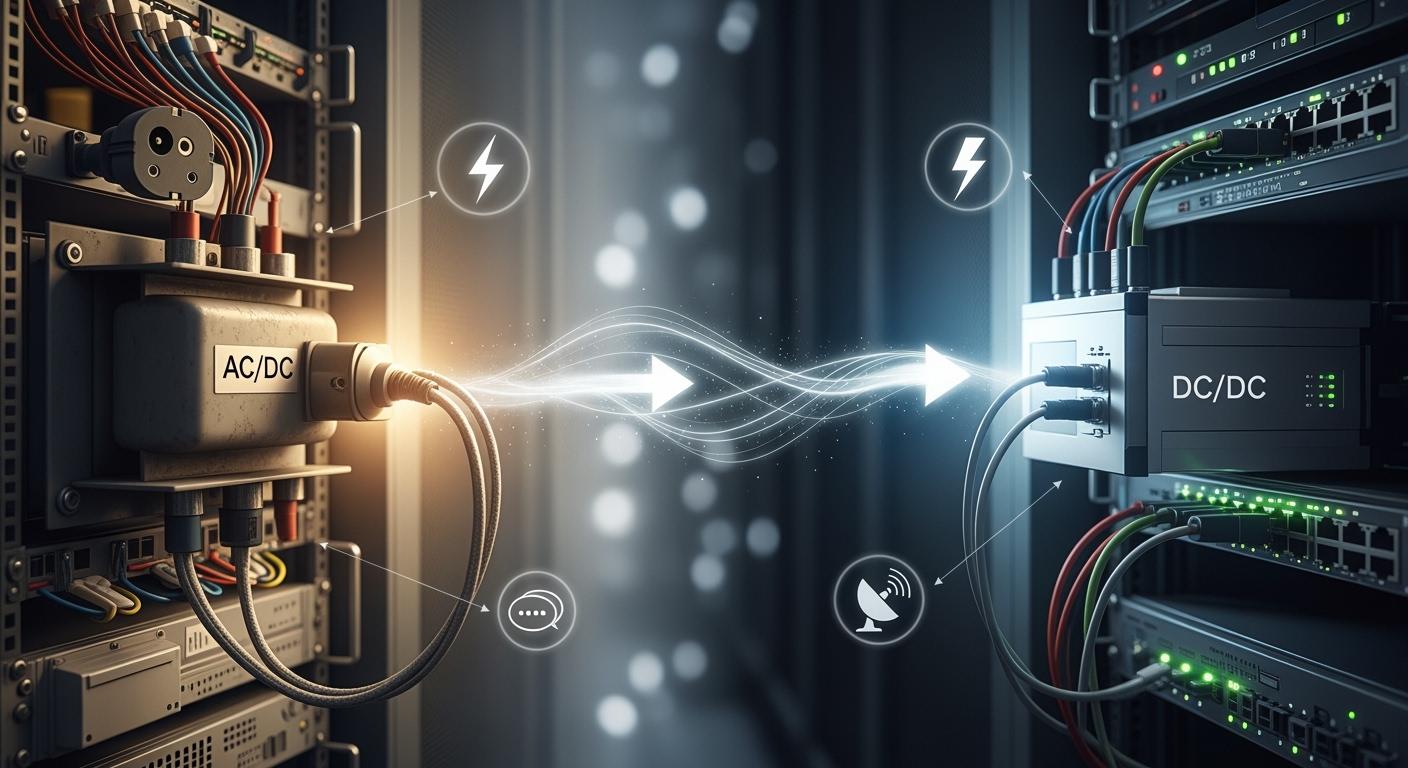
You see the telecom industry changing rapidly as companies seek greater efficiency and reliability. More operators now move from traditional AC/DC setups to advanced DC/DC power systems. This shift brings clear benefits in energy savings and operational performance.
The use of DC power technologies has grown by over 30% in recent years.
Nearly 40% of enterprises have started integrating DC systems to cut energy losses and boost efficiency.
Solutions like ESTEL’s Telecom Power System help you meet these new demands, making your network more robust and future-ready.
Key Takeaways
Switching to DC/DC power systems can improve efficiency by 8-10%, reducing energy loss and operational costs.
DC/DC systems offer higher reliability with fewer points of failure, leading to up to a 25% reduction in downtime.
Integrating renewable energy sources with DC systems supports sustainability goals and enhances network performance.
Modular designs in DC/DC systems allow for easy expansion and upgrades, making them adaptable to growing network needs.
Investing in advanced DC/DC technology positions your telecom network for future growth and improved service delivery.
Why the Shift to DC/DC?
Efficiency and Reliability
You want your telecom network to run smoothly and avoid costly interruptions. Modern DC/DC power systems help you achieve this goal by improving efficiency and reliability. When you compare traditional AC/DC setups to DC/DC systems, you see clear advantages.
Metric | Traditional AC/DC Systems | Modern DC/DC Systems |
|---|---|---|
Efficiency Increase | N/A | 8-10% |
Higher | Lower | |
Points of Failure | More | Fewer |
Backup Energy Sources | AC-based | DC-based |
DC/DC systems deliver higher efficiency, reducing energy loss and operational costs. You benefit from fewer points of failure, which means less downtime and better network reliability. Many telecom operators report a 25% reduction in downtime after switching to DC/DC systems. You also gain N+1 redundancy, ensuring continuous power even during maintenance or unexpected events. Smart monitoring features let you track system performance in real time and respond quickly to issues.
Cost and Sustainability
You care about both your budget and the environment. DC/DC power systems offer lower total cost of ownership and support sustainable operations.
You can place energy storage devices directly on the DC bus, making upgrades and installations faster.
DC systems require less space, allowing you to add more server racks or cooling equipment.
Improved efficiency leads to reduced cooling loads, saving energy and money.
Feature | DC Power Systems | AC Power Systems |
|---|---|---|
Efficiency | Higher efficiency due to lower losses | Lower efficiency due to higher losses |
Reliability | High reliability and redundancy | Varies, generally lower than DC |
Integration with Renewables | Easier integration with renewable sources | More complex integration with renewables |
Telecom providers like Verizon have seen improved reliability and less downtime after adopting modular DC-DC power modules in their 5G infrastructure. A major cloud service provider reduced energy consumption by 20% and achieved a payback period of just 12 months after upgrading to advanced DC-DC chips. You can expect easier integration with renewable energy sources, helping you meet sustainability goals and future-proof your network.
Telecom Power System Evolution

From AC/DC to DC/DC
You have seen telecom power systems change a lot over the years. In the early 20th century, engineers used vacuum tube technology to convert AC to DC. This step made it possible to power early telecom equipment. By the 1950s and 1960s, the industry moved to semiconductor diodes and transistors. These new components made power systems more reliable and efficient. In the late 1980s, switching power supplies appeared. These supplies improved power management in electronic devices and set the stage for modern telecom networks.
Today, you find that centralized DC power systems have become common in data centers. These systems distribute DC power across server farms. This approach reduces the need for many small AC-to-DC converters. You save energy and cut down on losses. Many operators now use rack-level DC power distribution. This method minimizes energy waste by reducing conversion steps.
You can see that the evolution from AC/DC to DC/DC is not just about technology. It is about making your network more efficient and reliable. The Telecom Power System you choose today builds on decades of innovation. ESTEL has played a key role in this transition. The company offers advanced rectifier modules and customizable power systems. These solutions help you achieve higher efficiency and better reliability in your network.
Key Drivers in the Market
You face new challenges in the telecom industry every day. Several key drivers push the adoption of DC/DC power systems:
The global push for enhanced energy efficiency means you must find ways to reduce energy waste.
The integration of DC-native distributed energy resources, such as solar photovoltaics and battery storage, makes DC/DC systems more attractive.
The rapid expansion of electric vehicle fast-charging infrastructure increases the demand for robust DC distribution systems.
You need to support energy-efficient data center operations and reduce losses from AC-to-DC conversions.
You also see high-power charging stations using direct current to bypass onboard converters. This trend shows the growing importance of DC distribution in many sectors. As you manage high-voltage loads and try to avoid grid strain, you need reliable and flexible power solutions.
ESTEL supports you in meeting these challenges. The company invests in research and development to create Telecom Power System solutions that set new industry standards. You benefit from features like advanced monitoring systems and energy-efficient rectifiers. These innovations help you lower operational costs and reduce your environmental impact. ESTEL’s focus on sustainability ensures that your network stays future-ready.
Note: When you choose a modern Telecom Power System, you invest in efficiency, reliability, and long-term value for your telecom network.
Technical Advances in DC Power
DC/DC Converter Technology
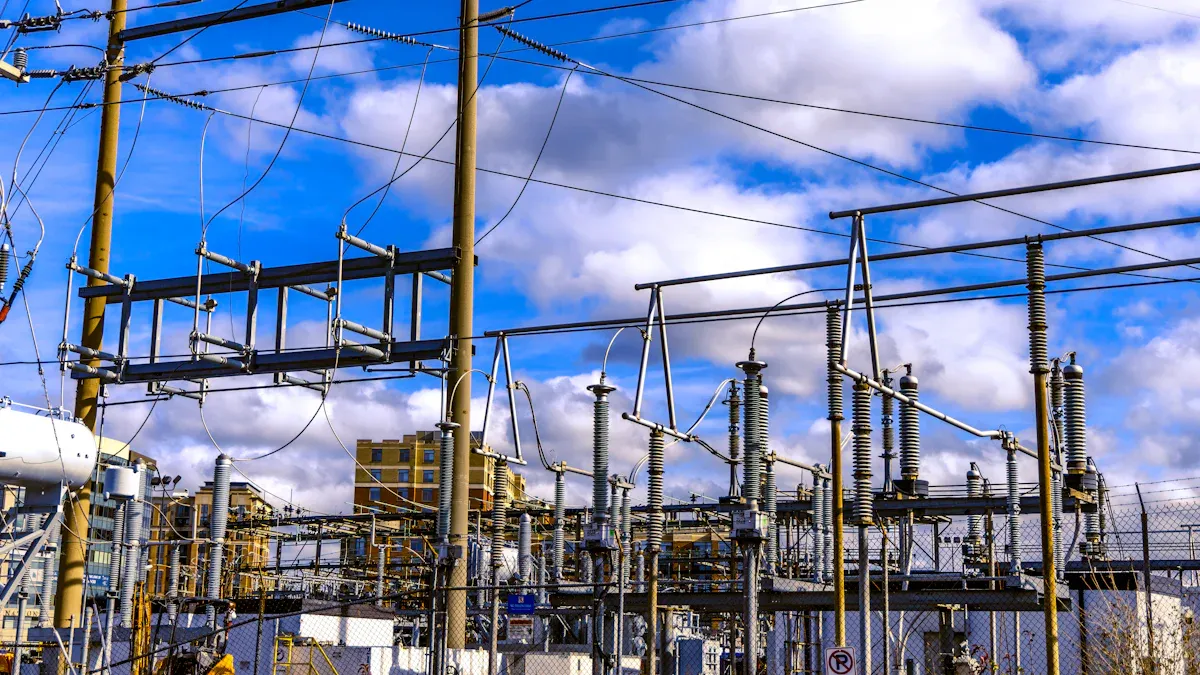
You see rapid progress in DC/DC converter technology shaping the future of telecom power systems. Modern converters now deliver higher efficiency and reliability, which means you get more power with less energy loss. You benefit from several key advancements:
Multi-port DC/DC converters (MPDCs) increase efficiency and reduce the number of components you need. These converters work well in telecom, electric vehicles, and renewable energy systems.
Modular designs give you system redundancy and make it easy to expand capacity. You can add more modules as your network grows. Features like over-voltage protection and load sharing ensure safe and stable operation.
Hybrid Ratio-Regulated (HRR) converters combine fixed ratio and regulated output. This design improves power density and keeps performance high, even when input voltage changes.
The global DC-DC converter market continues to grow. You see this growth driven by new technology in renewable energy and the demand for efficient power conversion in telecom.
You also notice that high efficiency minimizes energy losses, which is crucial for battery-powered devices. Less energy lost means less heat, so you need fewer cooling solutions. This improvement increases the reliability and lifespan of your equipment. Digital control features let you regulate output voltage precisely and adapt quickly to load changes. Advanced switching techniques, such as zero-voltage and zero-current switching, further reduce losses and stress on components.
Integration with Renewables
You play a key role in making telecom networks more sustainable. The integration of renewable energy sources, such as solar panels and wind turbines, enhances the efficiency of DC/DC power systems. You reduce power losses and maintain stable voltage outputs, even in areas with unstable grid conditions. This reliability becomes essential for keeping your network running, especially when you rely on renewable energy projects. By adopting these advanced systems, you support both operational continuity and environmental goals.
ESTEL’s Telecom Power System Solutions
Product Features and Benefits
You want a power solution that keeps your telecom network running smoothly. ESTEL’s Telecom Power System and Telecom Rectifier System give you this reliability. These systems use advanced technology to deliver stable DC power, even in tough environments. You can install them on standard 19-inch racks or inside cabinets, which makes them easy to fit into your existing setup. Natural cooling reduces the need for extra equipment and lowers your maintenance costs.
You benefit from a wide input voltage range, so your system works well with different power sources. The modular design lets you scale up as your network grows. Multiple communication ports help you monitor and manage your power system in real time. High efficiency means you save energy and reduce operational costs. The Telecom Power System supports both small and large sites, giving you flexibility for different projects.
Note: ESTEL’s solutions help you meet your efficiency and sustainability goals by supporting renewable energy integration and reducing energy waste.
Application Scenarios
You can use ESTEL’s DC/DC solutions in many telecom settings. These systems show strong performance improvements in several key areas:
Telecom Application Scenario | Performance Improvement |
|---|---|
5G small cells | Significant reduction in energy costs and improved network performance |
Macro base stations | Enhanced operational reliability and energy efficiency |
Data centers | Stable power delivery and reduced latency for edge computing devices |
You also support environmental sustainability when you choose ESTEL. The power cabinets can save up to 75% energy through effective cooling. Using renewable energy sources helps you lower emissions and build a greener network. Solar-powered telecom infrastructure reduces your carbon footprint and supports sustainable development, especially in off-grid locations.
Adopting solar-powered cell sites helps you deliver reliable service in remote areas.
Integrating green energy solutions from ESTEL supports both your operational and environmental objectives.
You see that ESTEL’s Telecom Power System solutions give you the tools to build efficient, reliable, and sustainable telecom networks.
Adoption Trends and Case Studies
Industry Examples
You see telecom operators adopting DC/DC power systems to improve reliability and reduce costs. InfoWest, a regional internet provider, switched from AC uninterruptible power supplies to modular DC power systems. This change helped InfoWest meet the rising demand for robust internet connectivity. The company needed better backup and monitoring as more people worked remotely and streamed content.
Aspect | Details |
|---|---|
Company | InfoWest |
Solution Implemented | ICT DC power systems for enhanced reliability and reduced operating costs |
Business Benefits | Lowered operating expenses, complete monitoring and control of power conditions, increased network reliability |
Business Challenge | Need for robust internet connectivity due to increased demand from remote work and streaming services |
Previous System | AC uninterruptible power supplies (AC UPS) with limited backup |
New System | ICT’s Modular Power Series and DIN Series DC power systems |
Key Features | Remote management, enhanced reliability, SNMP support for network management integration |
Outcome | Improved reliability, reduced costs, and enhanced service continuity |
You can achieve similar results by using ESTEL’s Telecom Power System. ESTEL’s solutions offer modular designs, advanced monitoring, and compatibility with renewable energy sources. You gain reliable power delivery and lower operational costs. Many telecom operators now choose DC/DC systems to support 5G networks, edge computing, and remote sites.
Tip: You improve network uptime and service quality when you upgrade to advanced DC/DC power systems.
Regulatory and Market Influences
You notice strong market growth and regulatory support for DC/DC telecom power systems.
The market for DC/DC telecom power systems is projected to grow at a compound annual growth rate of about 6.5% over the next five years.
Market value is expected to exceed $34 billion by 2028.
Global rollout of 5G networks drives demand for efficient power solutions.
Expansion of enterprise networks and data centers increases the need for reliable DC power.
Regulatory bodies encourage energy-efficient infrastructure and integration with renewable sources.
You see that industry standards now focus on sustainability and reliability. You benefit from incentives and guidelines that support the adoption of DC/DC power systems. ESTEL’s products meet international standards and help you comply with evolving regulations. You position your network for future growth and improved performance.
Challenges and Future Outlook
Transition Barriers
You face several challenges when you move from AC/DC to fully DC/DC power systems in telecom networks. Legacy infrastructure often slows down the transition. Many sites still rely on older equipment that does not support modern DC/DC technology. You must invest in upgrades and training for your staff. Some operators worry about compatibility with existing systems. You need to plan carefully to avoid service interruptions.
Regulatory requirements sometimes create obstacles. You must comply with local and international standards. These rules change as new technologies emerge. You also deal with budget constraints. Upgrading power systems requires capital investment. You need to balance short-term costs with long-term benefits.
You may encounter resistance from stakeholders who prefer familiar solutions. Change management becomes important. You must educate your team about the advantages of DC/DC systems. You also need to address concerns about reliability and maintenance.
Opportunities Ahead
You see many opportunities as the telecom industry adopts DC/DC power systems. New technologies make your network more efficient and flexible. Programmable power supplies now act as software-defined instruments. You can integrate them into test automation and adapt quickly to new demands.
Industry experts observe that programmable power supplies are evolving from being perceived as mere 'static hardware' to being recognized as 'software-defined instruments embedded within the test automation lifecycle.' This shift indicates a growing reliance on advanced power solutions in the telecom sector, particularly as the industry adapts to new technologies like 5G.
Emerging innovations help you build smarter networks. You benefit from advancements in battery technology, renewable energy integration, and intelligent power management. The table below shows key technologies that enhance DC/DC power systems:
Emerging Technology | Description |
|---|---|
Advancements in battery technologies | Continuous innovation, particularly in lithium-ion batteries, enhances energy storage capabilities. |
Integration of renewable energy sources | Incorporating renewable energy improves sustainability and reduces operational costs. |
Intelligent power management solutions | These solutions optimize power usage, especially in edge computing environments. |
Smart and IoT features in rectifiers | Advanced capabilities in rectifier systems lead to improved efficiency and device miniaturization. |
AI optimization | Enhances the efficiency of DC rectifier systems through intelligent algorithms. |
Advanced materials | Use of silicon carbide and gallium nitride for compact and efficient rectifiers. |
You can leverage these technologies to improve your network’s performance. You reduce energy costs and support sustainability goals. You also prepare your infrastructure for future growth and new services. The evolution of DC/DC power systems gives you a pathway to build resilient and innovative telecom networks.
You gain several advantages by transitioning to DC/DC power systems:
Increased spectrum requirements and higher power consumption drive the need for efficient solutions.
The number of base stations for 5G will multiply, making reliable backup power essential.
Many sites may not meet backup requirements without modern upgrades.
Feature | Description |
|---|---|
Advanced Technology | ESTEL uses cutting-edge systems for optimal performance. |
Energy Efficiency | High efficiency supports sustainability. |
Integration with Renewables | ESTEL enhances reliability and environmental friendliness. |
Challenge | Description |
|---|---|
High Initial Investment Costs | Upfront costs can be a barrier. |
Lack of Standardization | Inconsistent standards hinder expansion. |
Limited Skilled Workforce | Shortage of experts slows growth. |
Concerns about Safety and Reliability | Safety and reliability must be addressed. |
"Modern telecom infrastructure depends on programmable power systems that optimize efficiency and protect sensitive equipment. You position your network for future competitiveness by adopting advanced solutions like ESTEL’s Telecom Power System."
FAQ
What is a DC/DC telecom power system?
A DC/DC telecom power system converts one DC voltage level to another. You use it to supply stable power to telecom equipment. This system improves efficiency and reduces energy loss in your network.
Why should you upgrade from AC/DC to DC/DC systems?
You gain higher efficiency and better reliability. DC/DC systems reduce downtime and energy costs. You also find it easier to integrate renewable energy sources.
Can you install ESTEL’s Telecom Power System in any environment?
Yes, you can. ESTEL’s system fits standard 19-inch racks or cabinets. You use it in outdoor, indoor, or remote telecom sites.
How does natural cooling benefit your power system?
Natural cooling lowers maintenance needs and saves energy. You avoid extra cooling equipment. This feature helps your system run longer and more efficiently.
Where can you learn more about ESTEL’s solutions?
Visit ESTEL’s official website for detailed product information, technical support, and contact details.
See Also
Essential Insights for Newcomers to Telecom Power Systems
Key Aspects of Telecom Power Supply You Should Understand
Tips for Maintaining Consistent Power in Telecom Cabinets
Calculating Power Systems and Battery Needs for Telecom Cabinets
A Guide to Global Standards for Communication Power Supplies
CALL US DIRECTLY
86-13752765943
3A-8, SHUIWAN 1979 SQUARE (PHASE II), NO.111, TAIZI ROAD,SHUIWAN COMMUNITY, ZHAOSHANG STREET, NANSHAN DISTRICT, SHENZHEN, GUANGDONG, CHINA
