High Energy Efficiency Rating of Telecom Power Systems: Empirical Evidence of Electricity Savings in Long-Term Operation

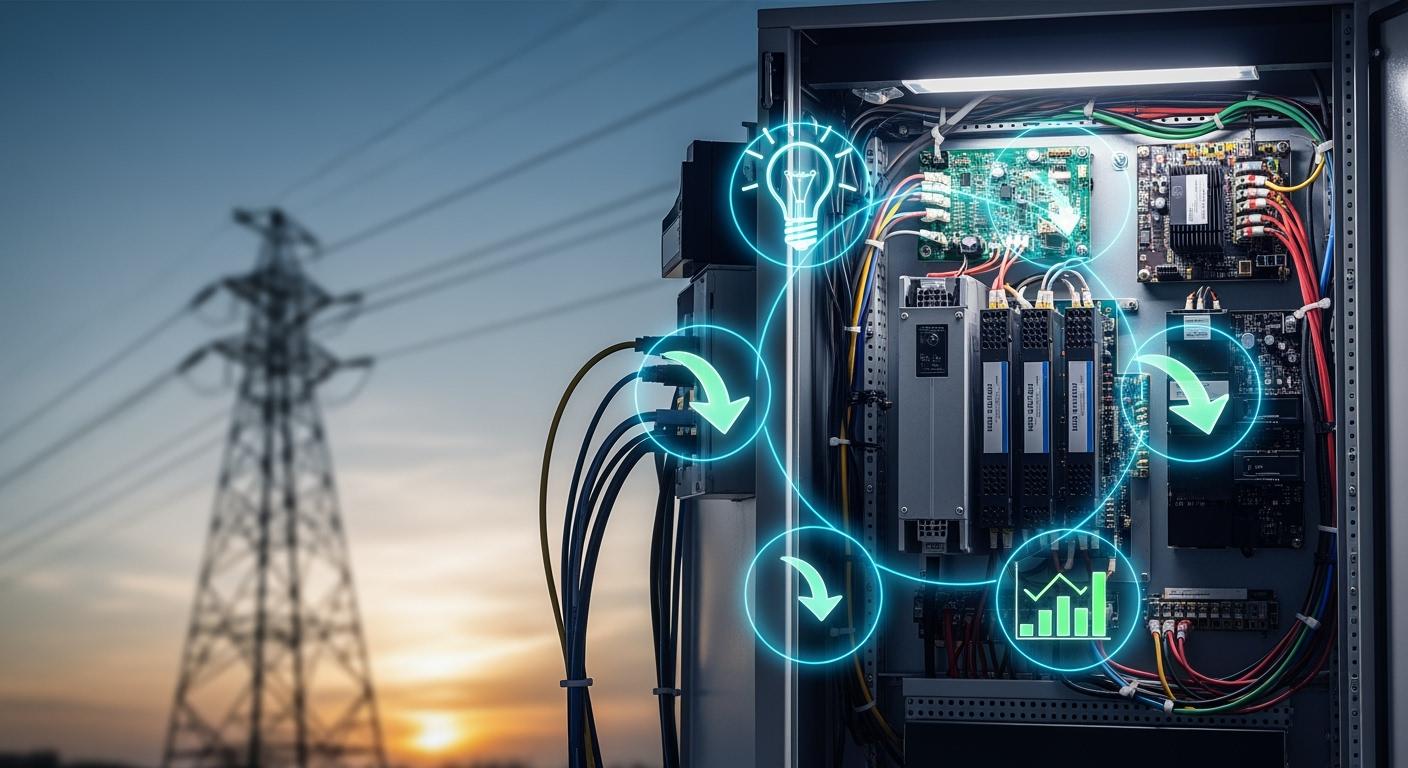
You can achieve remarkable electricity and cost savings by upgrading to a high-efficiency Telecom Power System. Real-world data shows that operators have reduced grid electricity costs by up to 30% and diesel fuel consumption by as much as 70% through advanced solutions. Over a ten-year period, some networks saved more than $650,000 in maintenance costs and saw an 83% drop in emissions. These long-term results demonstrate both financial and environmental benefits for your network.
Savings Type | Real-World Results |
|---|---|
Grid Electricity Cost Reduction | Up to 30% savings with solar module integration |
Diesel Fuel Consumption | Up to 70% reduction with hybrid solar-grid systems |
Operational Expenditure | Up to 75% reduction using hybrid solar-grid solutions |
Maintenance Cost Savings | Over $650,000 saved in ten years with less generator runtime |
Emission Reduction | 83% decrease in indirect emissions from logistics and maintenance |
Key Takeaways
Upgrading to high-efficiency telecom power systems can reduce electricity costs by up to 30% and diesel fuel consumption by 70%.
Investing in these systems leads to significant long-term savings, with many operators recovering their initial investment within two years.
High-efficiency systems not only lower operational costs but also reduce emissions by up to 83%, supporting environmental sustainability.
Real-world data shows energy savings can be four to six times higher than vendor estimates, enhancing financial performance.
Choosing reliable solutions like ESTEL ensures your network benefits from advanced technology and ongoing support for efficiency.
Long-Term Savings with High Efficiency
Efficiency Ratings and Power Use
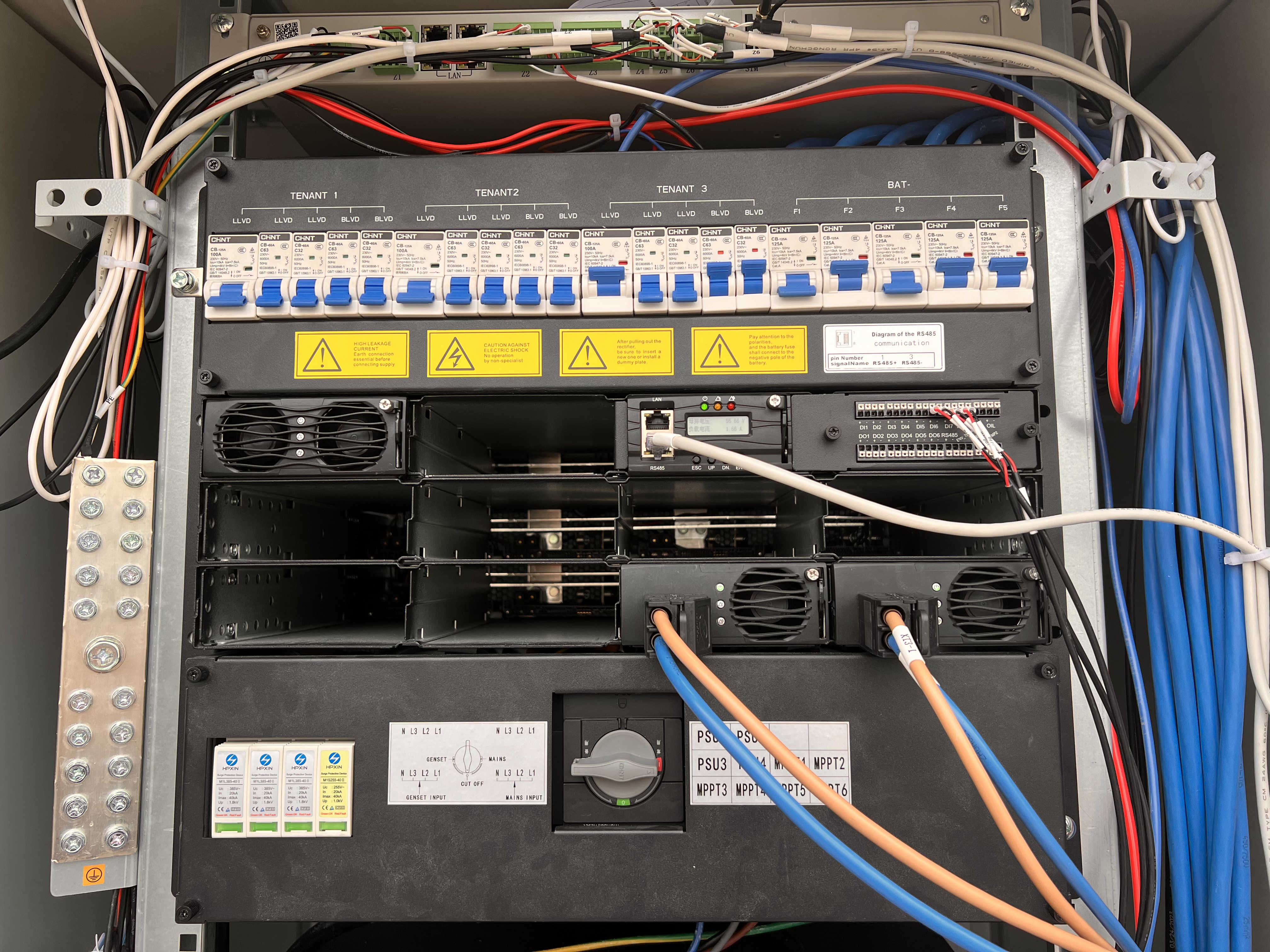
You can see a direct link between efficiency ratings and the amount of power your network uses. High-efficiency power systems convert more of the input energy into usable output, which means less energy gets wasted as heat. For example, a Telecom Power System with a 96% efficiency rating will waste much less electricity than one with a 92% rating. This difference may seem small, but it adds up quickly across hundreds or thousands of sites.
When you choose a high-efficiency Telecom Power System, you reduce the amount of electricity your network needs from the grid. Lower energy use also means your equipment generates less heat, which reduces the need for cooling. This not only saves electricity but also extends the life of your equipment.
Empirical Data on Electricity Savings
Real-world case studies show that high-efficiency power systems deliver impressive savings. You can find examples where operators achieved energy savings four to six times higher than what vendors promised, depending on network traffic and configuration. After deploying high-efficiency systems at nearly 1,000 radio sites for one year, operators saved $474,000—more than the expected $425,000—because utility prices increased during that period. The electricity saved also meant a reduction of 255 tons of CO2 emissions.
Energy savings four to six times higher than vendor estimates, depending on network setup.
$474,000 saved in one year across 1,000 sites, surpassing initial expectations.
255 tons of CO2 emissions avoided due to lower electricity use.
These results show that you can achieve both financial and environmental benefits by upgrading your network’s power systems.
Cost Reduction Over Time
You will notice that the savings from a high-efficiency Telecom Power System continue to grow each year. Upgrading to high-efficiency rectifier modules leads to significant annual energy savings, which helps you recover your initial investment quickly. Many operators report a payback period of about two years, thanks to lower electricity bills and reduced operational costs. Higher efficiency also means your network needs less cooling, which further reduces expenses.
Annual energy savings help you recover your investment in about two years.
Lower electricity bills and less need for cooling offset the initial upgrade cost.
Ongoing savings continue to add up, making your network more profitable over time.
Tip: When you invest in high-efficiency power systems, you not only cut costs but also make your network more sustainable and reliable for the long term.
Why Energy Efficiency Matters in Telecom Power System
Impact on Electricity Costs
You face rising electricity costs as network traffic grows and energy prices climb. Energy costs for telecom operators now make up 8-12% of operational expenses. For mobile-focused operators, electricity can account for up to 15% of total spending. High-efficiency systems help you control these costs by optimizing energy consumption. When you upgrade your network, you can lower your electricity bills and free up resources for other investments.
Electricity costs represent about 5% of overall operating expenditures for most telecom operators.
Mobile-focused networks may see this figure rise to 15%.
High-efficiency systems can reduce these costs, making your operations more sustainable.
Operational Performance Benefits
You improve network reliability and reduce downtime when you invest in high-efficiency power systems. Rectifier systems with N+1 redundancy ensure your equipment receives continuous power. Operators who upgrade to high-efficiency rectifier modules report up to 50% less energy consumption. You also benefit from lower operational costs and faster returns on investment.
High-efficiency rectifiers can cut power loss by up to 75% compared to older models.
Quick return on investment helps you offset rising energy costs.
Reliable power delivery keeps your network running and supports better service for your customers.
Industry experts agree that cost savings from efficient systems boost both financial performance and operational efficiency. Reliable power means your network stays online, which is critical for telecom operations.
ESTEL’s Role in Advancing Efficiency
ESTEL leads the way in energy-efficient telecom solutions. The company’s products meet international energy efficiency standards, helping you reduce power consumption and carbon emissions. You gain significant cost savings and support lower energy demand when you choose ESTEL’s Telecom Power System.
Metric | Impact |
|---|---|
Energy Savings | ~30% reduction in energy costs |
Carbon Footprint Reduction | ~40% decrease in emissions |
Network Reliability | 25% reduction in downtime |
Smart monitoring systems and IoT-enabled devices from ESTEL optimize energy use and track environmental factors. Predictive maintenance powered by AI helps you avoid equipment failures, reducing downtime by up to 50% and lowering maintenance costs by 30%. ESTEL’s commitment to innovation ensures you get reliable, efficient, and sustainable telecom infrastructure.
Input Power and Savings Calculations
Comparing Standard and High-Efficiency Systems
You can see a clear difference in energy use when you compare standard rectifier modules to high-efficiency models. Standard rectifiers often operate at about 92% efficiency. Modern high-efficiency rectifiers, like those in the ESTEL Telecom Power System, reach 96% or even higher. This improvement means less energy gets wasted as heat and more power goes directly to your telecom equipment.
Efficiency Improvement | Annual Savings per 1000A Load | Energy Usage Reduction |
|---|---|---|
$7,000 | 15-20% | |
Modern Rectifiers | Above 97% |
When you upgrade to a high-efficiency Telecom Power System, you immediately lower your electricity bills. Less wasted energy also means your cooling systems work less, which reduces wear and saves even more money. Over time, these savings can add up to millions, especially if you manage a large network.
You see immediate reductions in electricity bills.
Less energy waste means less strain on cooling systems.
Long-term savings can reach millions for large networks.
Annual Savings per Cabinet
Upgrading each telecom cabinet to a high-efficiency power system brings measurable results. For example, if you move from a 92% efficient rectifier to a 96% efficient one, you save about 3,726 kWh per year. At an average electricity rate, this equals roughly $559 saved per cabinet every year. If you choose a rectifier with 98% efficiency, your annual savings can reach 6,013 kWh, or about $902 per cabinet.
Upgrading from 92% to 96% efficiency saves about 3,726 kWh and $559 per year per cabinet.
Upgrading from 92% to 98% efficiency saves about 6,013 kWh and $902 per year per cabinet.
These numbers show that even a small increase in efficiency can make a big difference. When you multiply these savings by the number of cabinets in your network, the impact grows quickly.
Note: ESTEL’s Telecom Power System uses advanced rectifier modules that help you achieve these high efficiency levels, making it easier to reach your energy-saving goals.
Network-Wide Impact
When you upgrade your entire network to high-efficiency power systems, the benefits multiply. High-efficiency rectifiers can reach up to 98% efficiency, cutting power loss by 75%. This leads to lower operational costs, less maintenance, and a smaller environmental footprint.
Benefit | Description |
|---|---|
Energy Efficiency | High-efficiency rectifiers achieve up to 98% efficiency, reducing power loss by 75%. |
Cost Savings | Lower operational and maintenance costs deliver significant long-term savings. |
Environmental Impact | Efficient systems reduce energy waste and support sustainability targets. |
Future Growth | Advanced rectifiers prepare your network for reliable and sustainable operations. |
Integration with Renewables | Hybrid systems can cut cumulative cash flow by nearly 75%, showing strong financial benefits. |
ESTEL’s real-world projects show how these upgrades work in practice. For example, energy storage systems from ESTEL improve the efficiency and reliability of renewable energy installations. Smart city projects using ESTEL’s IoT energy platforms have reduced municipal energy use by up to 30%. Dynamic load balancing for electric vehicle charging has optimized power distribution and reduced charging times. These examples prove that investing in high-efficiency systems leads to lower operational expenses and long-term cost savings.
ESTEL batteries provide long-term cost savings.
High energy efficiency reduces waste during storage and discharge.
Optimized power usage lowers your operational expenses.
When you choose a high-efficiency Telecom Power System, you set your network up for reliable service, lower costs, and a greener future.
Additional Benefits of Efficient Systems
Reduced Heat and Cooling Needs
You benefit from high-efficiency telecom power systems because they generate less heat during operation. Less heat means your equipment stays cooler, which helps maintain optimal performance. Cooling systems in telecom facilities use energy to keep temperatures down, but efficient power systems reduce the overall energy required. You can see up to 30–50% lower power consumption when using EC technology compared to traditional AC fans. This leads to significant cost savings on energy bills. High-efficiency cooling systems also prevent your equipment from working harder in hot conditions, which lowers total energy consumption and extends equipment life.
Cooling systems help maintain ideal conditions and reduce energy use.
EC technology can cut power consumption by up to half compared to AC fans.
Efficient cooling prevents equipment from overheating and wasting energy.
Lower Maintenance Costs
You save money on maintenance when you choose high-efficiency power systems. Upgrading to certified power supplies can reduce energy use by 25–30%. This drop in energy use means less heat, which leads to lower cooling and maintenance costs. Many operators report a faster return on investment after switching to high-efficiency systems. Efficient rectifier modules generate less heat, so you need less frequent maintenance. Advanced features like modularity and smart monitoring improve reliability and uptime. IoT-enabled devices monitor equipment health in real time, predict failures, and automate maintenance tasks. Sensors at telecom towers detect problems early, allowing you to fix issues before they cause breakdowns. This proactive approach reduces downtime and extends the lifespan of your equipment.
Environmental Impact
You help protect the environment by upgrading to high-efficiency telecom power systems. The telecom sector produces about 3 to 4% of global CO2 emissions, which is twice as much as the aviation industry. Without action, this share could rise sharply as data traffic grows. High-efficiency systems improve energy use and make it easier to use renewable energy sources. Deloitte predicts a 2% reduction in carbon footprint for telecom companies, equal to 12 million tons of CO2e each year. Many operators aim to get half their energy from renewables by 2025. You can support sustainability goals by using cleaner fuels, adopting AI-driven optimization tools, and implementing energy-saving practices in your network. These steps reduce greenhouse gas emissions and help create a greener future.
Upgrading to ESTEL Telecom Power System
Payback Period and ROI
You want to see a fast return when you invest in new technology. ESTEL high-efficiency power systems deliver quick results. Most telecom operators recover their investment within one year. You save money through lower energy bills and reduced maintenance. Upgrading from a 92% efficient system to a 96% efficient one can save about 4,000 kWh per cabinet each year. This translates to nearly $600 in annual savings for every cabinet.
Typical payback period is within one year.
Energy savings and lower operational costs drive fast ROI.
Each upgraded cabinet can save about $600 per year.
Compare the return on investment for ESTEL systems to traditional options:
Feature | Traditional Systems | ESTEL Systems |
|---|---|---|
Initial Cost | Low | Moderate |
Maintenance Costs | High | Low |
Lifespan (Years) | 3-5 | Up to 10 |
ROI | Moderate | High |
Implementation Tips
You can make your upgrade process smooth by following a few key steps:
Conduct a site assessment to understand your energy needs and local conditions.
Design your system by analyzing load requirements and sizing any solar components.
Select high-efficiency parts that meet performance standards.
Install the system with certified professionals and follow all regulations.
Schedule regular maintenance, including cleaning and inspections.
Tip: Careful planning and professional installation help you maximize the benefits of your new Telecom Power System.
Choosing ESTEL for Reliable Solutions
You gain flexibility when you choose ESTEL. The company offers customizable solutions for different telecom needs. You can select battery capacities, rectifier types, and monitoring features that fit your network. ESTEL also supports integration with renewable energy, which is ideal for remote sites.
ESTEL focuses on quality and innovation. Their systems use high-grade materials and advanced monitoring tools. These features help you spot inefficiencies and keep your network running smoothly.
ESTEL provides extensive support throughout the lifecycle of their products, enhancing operational efficiency and minimizing downtime.
You can rely on ESTEL for a Telecom Power System that delivers long-term value and dependable service.
You can achieve significant energy and cost savings by upgrading to high-efficiency telecom power systems. Studies show hardware upgrades can save up to 60% on energy, especially when usage is low.
Key Finding | Description |
|---|---|
Energy Savings | Hardware upgrades can lead to energy savings of up to 60%. |
Cost Effectiveness | The solution becomes more cost-effective as the unit energy cost increases. |
Network Deployment | Denser base station deployment can yield further savings. |
High-efficiency systems also improve reliability, support predictive maintenance, and help you meet sustainability goals. You should evaluate your network and consider ESTEL for trusted, efficient solutions.
FAQ
What is the main benefit of upgrading to a high-efficiency telecom power system?
You lower your electricity bills and reduce maintenance costs. High-efficiency systems waste less energy as heat. You also extend the life of your equipment and support sustainability goals.
How quickly can you see a return on investment with ESTEL’s power systems?
You usually recover your investment within one year. Energy savings and reduced maintenance costs help you achieve a fast payback period.
Can you integrate ESTEL power systems with renewable energy sources?
Yes, you can easily combine ESTEL power systems with solar panels or other renewables. This helps you cut energy costs and lower your carbon footprint.
Do high-efficiency systems require special maintenance?
No, you do not need special maintenance. High-efficiency systems often need less maintenance because they generate less heat and use advanced monitoring features.
Tip: Regular inspections help you maximize the benefits of your high-efficiency system.
See Also
Telecom Cabinets: Understanding Photovoltaic Energy Storage Solutions
Essential Features of Telecom Power Supply You Should Know
Calculating Power Systems and Batteries for Telecom Cabinets
CALL US DIRECTLY
86-13752765943
3A-8, SHUIWAN 1979 SQUARE (PHASE II), NO.111, TAIZI ROAD,SHUIWAN COMMUNITY, ZHAOSHANG STREET, NANSHAN DISTRICT, SHENZHEN, GUANGDONG, CHINA
