Complete Guide to Setting Up and Servicing a Telecom Power System

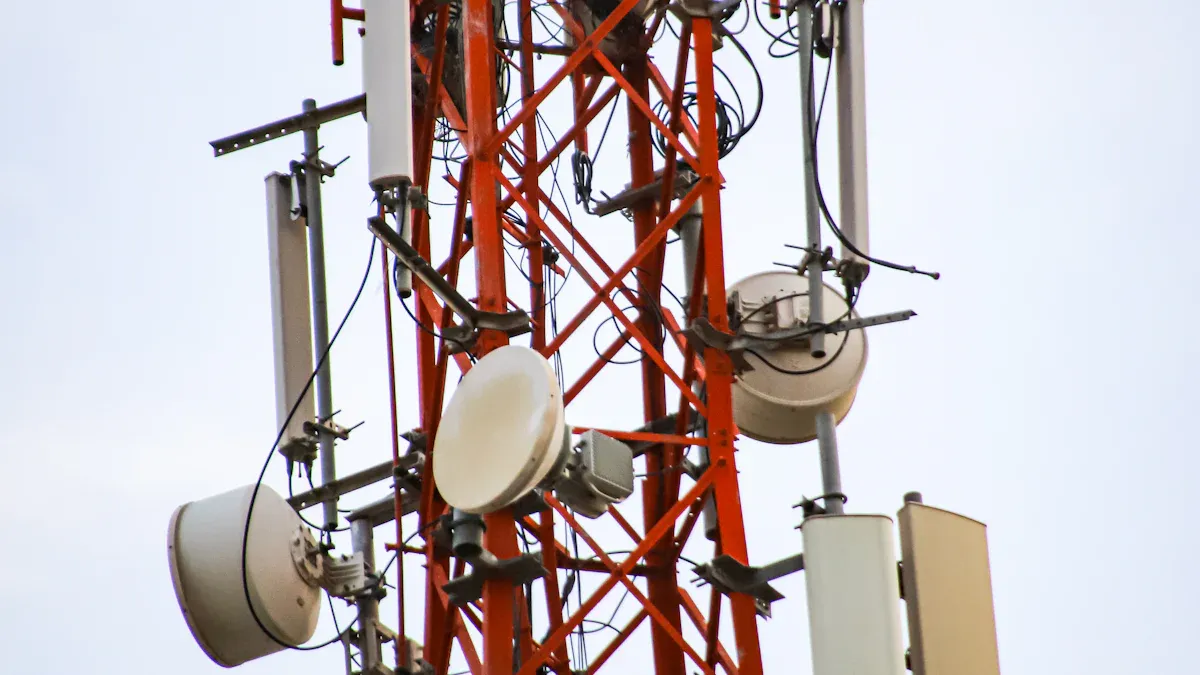
A telecom power system demands careful attention to detail and strict adherence to safety standards. Technicians rely on precise planning, safe installation practices, and consistent maintenance to ensure system reliability. ESTEL sets a benchmark for quality and support in this field. Readers find practical steps, checklists, and troubleshooting advice essential for maintaining peak performance and minimizing downtime.
Power Requirements and Site Planning
Load Calculation for Telecom Power Systems
Accurate load calculation forms the foundation of every telecom power system. Technicians start by identifying critical loads and determining the total power requirements for all equipment. They include a safety margin to account for future growth and unexpected surges. The following steps help ensure a robust and reliable power supply:
Identify all critical devices and their power specifications.
Calculate the total power requirements, focusing on -48V DC systems for stability.
Assess infrastructure such as UPS, generators, and PDUs to confirm they support the calculated load.
Implement redundancy using models like N+1 or 2N for higher reliability.
Monitor environmental conditions, including temperature and altitude, which affect capacity.
Select energy-efficient components to reduce operational costs.
Perform load testing to verify system capacity.
Use real-time monitoring tools for ongoing management.
Plan for emergency and failover scenarios.
Follow industry standards and regulations.
Redundancy plays a key role in maintaining stable power. Tier III and Tier IV configurations offer enhanced protection against outages, meeting strict service level agreements.
Site Preparation and Environmental Factors
Site preparation ensures telecom power systems operate with stable power. Technicians evaluate the foundation and shelter, considering environmental factors that impact performance. The table below highlights trends in site selection:
Environmental Factor | Percentage in 2022 | Expected Percentage in 2024 |
|---|---|---|
Companies factoring ESG concerns | 68% | Expected to rise |
Companies incorporating climate risk assessments | 74% | Expected to rise to 80% |
New sites chosen for renewable energy potential | 57% | Expected to reach 75% |
Proper site selection supports long-term reliability and energy efficiency. ESTEL solutions offer scalable options that adapt to changing environmental needs.
Planning for Expansion
Planning for expansion in telecom power systems requires a modular approach. Flexible designs allow easy scaling as business needs change. Standardization ensures seamless integration of new technologies, minimizing major changes during upgrades. Real-time monitoring and intelligent management tools enhance operational efficiency and reduce downtime. ESTEL provides scalable solutions that support incremental upgrades, helping operators maintain a stable power supply as their networks grow.
Equipment Selection for Telecom Power System
Choosing Rectifiers, Batteries, and PDUs
Selecting the right rectifiers, batteries, and PDUs forms the backbone of a reliable telecom power system. Technicians use a checklist to ensure each component meets strict standards for efficiency, reliability, and scalability. The table below summarizes the main criteria:
Factor | Description |
|---|---|
Efficiency | Higher efficiency lowers energy costs and boosts system performance. |
Reliability | DC rectifier systems deliver consistent power and minimize downtime. |
Scalability | Modular designs let you expand easily as your network grows. |
Integration | Compatibility with existing equipment simplifies installation. |
Compliance | Meeting industry standards ensures safety and effectiveness. |
Selecting Controllers and Monitoring Devices
A telecom cabinet power controller manages the flow of electricity and monitors system health. These devices help technicians track voltage, current, and temperature in real time. A telecom cabinet power controller also supports remote management, which reduces the need for on-site visits. ESTEL’s telecom cabinet power controller integrates seamlessly with other system components, providing advanced alarms and data logging. Technicians rely on a telecom cabinet power controller to maintain optimal performance and quickly detect faults. The telecom cabinet power controller also supports communication with network management systems. When selecting a telecom cabinet power controller, technicians check for compatibility with batteries, rectifiers, and PDUs. The telecom cabinet power controller should meet industry standards for safety and reliability. A telecom cabinet power controller with modular design allows for easy upgrades. ESTEL’s telecom cabinet power controller offers flexible configuration options. The telecom cabinet power controller also supports firmware updates for long-term support. A telecom cabinet power controller with user-friendly interfaces simplifies daily operations. The telecom cabinet power controller should provide clear alarms and event logs. Technicians prefer a telecom cabinet power controller that supports both local and remote access.
Ensuring Compatibility and Quality
Compatibility between system components prevents operational issues. Engineers use virtual simulation to model how a telecom cabinet power controller interacts with rectifiers, batteries, and PDUs. Interoperability testing helps identify mismatches in communication protocols and voltage levels. This process ensures that the telecom cabinet power controller and other devices work together smoothly before deployment. Quality assurance plays a key role in telecom power systems. Field teams follow a checklist that covers battery records, discharge tests, rectifiers, alarms, and audit stickers. They inspect solar arrays, housekeeping, and documentation. Urgent defects require escalation and post-audit registration for compliance. Technicians look for MIL and CSA certifications when choosing a telecom cabinet power controller and related equipment. These certifications confirm that the telecom cabinet power controller meets high standards for reliability and safety.
Tip: Always verify that the telecom cabinet power controller and all components meet industry certifications before installation.
System Design and Cabling
Layout and Space Optimization
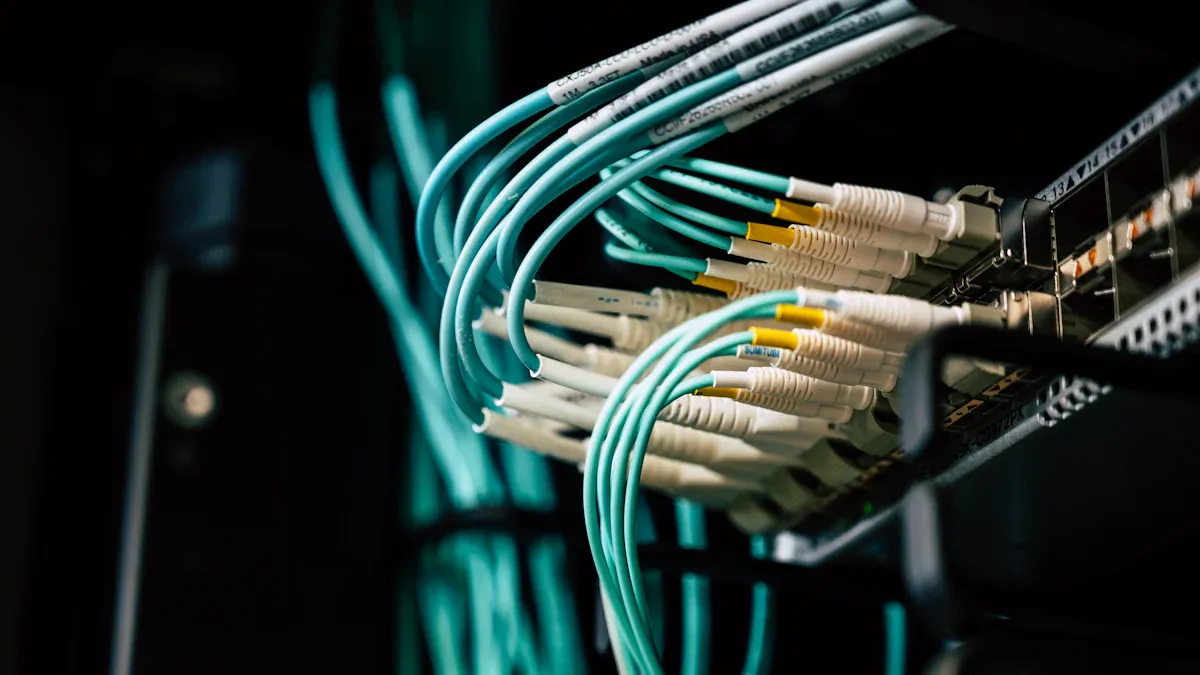
Technicians achieve efficient telecom power system design by focusing on layout and space optimization. They begin with thorough site surveys, assessing pathways, risers, and available rack space. Early coordination between outside plant (OSP) and inside plant (ISP) teams prevents conflicts at entry points and ensures smooth fiber transitions. Proper planning for power, grounding, and HVAC supports system uptime and compliance. Scalability remains a priority, so teams leave extra riser space and use modular racks for future expansion. Clear labeling and documentation of ISP assets simplify troubleshooting and audits.
Best Practice | Description |
|---|---|
Conduct Thorough Site Surveys | Begin with detailed assessments of pathways, risers, room layouts, and rack space. |
Align OSP and ISP Early | Coordination avoids conflicts at entry points and ensures seamless fiber transitions. |
Focus on Power and Grounding | Proper planning for electrical needs, grounding, and HVAC is critical for uptime and compliance. |
Plan for Scalability | Anticipate future growth: extra riser space, modular racks, and pathways for expansion. |
Label and Document Everything | Clear labeling and documentation of ISP assets simplify troubleshooting, maintenance, and audits. |
Cabling, Labeling, and Grounding
Proper cabling, labeling, and grounding and bonding practices ensure safety and system reliability. Technicians use the following techniques:
Grounding protects people and equipment. It includes protective, operational, and lightning grounding.
Single-point grounding works well for short distances, while split-single point bonding suits longer runs.
Both-ending bonding offers cost savings but may increase heating from circulating currents.
Cross bonding reduces induced voltage and circulating currents, making it ideal for long-distance lines.
For cable mounting, cloverleaf (triangular) arrangements minimize magnetic fields and losses, though they provide less heat dissipation. Flat (rectangular) mounting improves heat dissipation but requires more space and may cause voltage imbalances. Teams always label cables clearly and keep updated documentation for fast maintenance.
Tip: Consistent grounding and bonding practices help maintain system security and reduce the risk of electrical faults.
Surge Protection Methods
Surge protection shields telecom power systems from voltage spikes and equipment damage. Technicians install different types of surge arresters at strategic points:
Surge Protection Method | Description |
|---|---|
Type 1 Surge Arresters | Installed at critical entry points to intercept surges before they reach sensitive equipment. |
Type 2 Surge Arresters | Placed within the network to further reduce voltage spikes, enhancing reliability. |
Telecommunications Surge Arresters | Protect sensitive telecom equipment from transient voltage spikes, ensuring continuous operation. |
Surge protection devices work best when combined with proper grounding and bonding, creating a robust defense against electrical disturbances.
Telecom Power System Installation

Site Preparation and Safety Checks
Site preparation forms the foundation of a successful telecom installation. Technicians begin by acquiring the site and planning the layout. They conduct a thorough site survey to assess environmental conditions and identify potential hazards. Civil works follow, including preparing the foundation and ensuring proper shelter for the telecom power system. Safety checks remain essential throughout this process. Teams inspect the area for electrical risks, verify grounding points, and confirm that all tools and protective gear meet safety standards.
ESTEL recommends choosing the right site for installation and preparing the cabinet properly. Technicians prioritize safety by following strict protocols and using personal protective equipment. They check for clear access paths and ensure that fire extinguishers and emergency exits are available. Regular maintenance of the solar power system also supports long-term reliability.
Tip: Always document safety checks before starting equipment installation. This practice helps prevent accidents and ensures compliance with industry regulations.
Component Installation Steps
Technicians follow a structured approach during equipment installation. Each step builds on the previous one to create a reliable telecom power system. The process includes:
Site Acquisition & Planning: Teams select the location and plan the installation and wiring layout.
Site Survey & Civil Works: They assess the site and complete necessary construction tasks.
Equipment Installation: Technicians install cabinets, rectifiers, batteries, and power distribution units.
Transmission & Backhaul Setup: They connect transmission lines and configure backhaul links.
Integration & Commissioning: Teams integrate all components and test system performance.
Final Acceptance & Handover: They complete final inspections and hand over the system for operation.
During equipment installation, ESTEL best practices guide technicians to ensure proper placement of the power distribution unit and effective cable management. Teams label all cables and document connections for future maintenance. They use modular racks to support scalability and leave space for future upgrades.
Step | Description |
|---|---|
Cabinet Preparation | Position cabinets securely and check for proper ventilation. |
Place the unit for easy access and efficient power flow. | |
Cable Management | Route cables neatly and label each connection. |
Safety Protocols | Follow safety guidelines and use protective equipment. |
Maintenance Scheduling | Plan regular maintenance to maximize uptime and reliability. |
Safe Power Feed Connections
Safe power feed connections protect both equipment and personnel during telecom installation. Technicians use several methods to ensure safety:
Surge Protection: They install surge protection devices to divert excess voltage from lightning strikes or electrical transients to the ground. This step prevents damage to sensitive equipment.
Grounding Systems: Teams implement low-impedance grounding systems, aiming for a resistance of 5 ohms or lower. Effective grounding dissipates energy during surges and reduces the risk of electrical faults.
Bonding Methods: Technicians use bonding techniques such as Star-IBN and Mesh-IBN. These methods interconnect all grounding points, enhancing safety and minimizing potential differences.
ESTEL emphasizes the importance of following the correct installation process to minimize issues and enhance performance. Technicians verify all connections and test grounding systems before powering up the telecom power system. They schedule regular maintenance to check surge protection devices and grounding integrity.
Note: Proper installation and wiring of power feeds reduce downtime and extend the lifespan of telecom equipment.
Integration, Configuration, and Testing
Initial Power-Up and Parameter Setup
Technicians begin the commissioning process by powering up the telecom power system for the first time. They verify that all connections from the installation phase remain secure. The team checks voltage levels and ensures that the system operates within safe parameters. During this stage, they configure essential settings such as voltage thresholds, alarm limits, and battery charging profiles. Careful parameter setup supports accurate monitoring and smooth integration and commissioning. Technicians use the system’s interface to set up remote monitoring, which allows for real-time alerts and performance tracking.
System Integration and Communication
System integration connects the telecom power system with network management and monitoring platforms. Technicians select communication protocols that match the site’s requirements. The table below shows common protocols and their use cases:
Protocol | Communication Medium | Use Case |
|---|---|---|
Modbus RTU | RS-485, RS-232 | Real-time control over serial connections |
Modbus TCP | Ethernet (TCP/IP) | Integration with modern IP networks |
SNMP | Ethernet | Network management and remote monitoring |
Modbus provides efficient data transfer and supports both serial and Ethernet communication. RS-485 offers strong noise immunity and works well in harsh environments. SNMP enables remote monitoring, real-time alerts, and easy integration with network management tools. Technicians confirm that controllers, rectifiers, and monitoring devices communicate reliably before moving to the next commissioning step.
Functional Testing and Troubleshooting
Testing and commissioning ensure that the telecom power system performs as expected. Technicians follow a structured process:
Inspect all power distribution units and sensors for visible damage or loose connections.
Use multimeters and cable testers to check for damaged wires.
Test new PDU installations with acceptance checks.
Run electrical tests on circuit breakers, transformers, and bus connections.
Check the grounding system using a two-point continuity test.
Verify metering accuracy by injecting known voltages and currents.
Perform operational checks on sensors, controllers, and alarms.
Schedule professional inspections at least once a year.
When issues arise, technicians use a systematic troubleshooting approach. The table below outlines key steps:
Step | Description |
|---|---|
Visual Inspection | Check for damage, corrosion, and secure connections. |
Power Verification | Measure input/output voltages and inspect battery status. |
Component Isolation | Isolate faulty components for targeted repairs. |
System Validation | Validate the system post-repair to ensure performance and safety standards. |
Effective monitoring and regular testing and commissioning help maintain system reliability. Technicians document all results and update monitoring systems to support ongoing maintenance and future upgrades.
Maintenance and Monitoring
Routine Inspections and Servicing
Technicians maintain the reliability of a telecom power system by following a structured schedule for inspections and servicing. They perform visual checks, test batteries, and review system health at regular intervals. Routine maintenance reduces the risk of unexpected failures and keeps equipment running efficiently. The following table outlines recommended intervals and tasks:
Maintenance Interval | Tasks to Perform |
|---|---|
Monthly | Visual inspection of UPS, check ventilation system, test batteries for leaks, review battery monitoring results |
Quarterly | Inspect for damage, measure voltage of each cell, check temperatures of battery cells |
Semi-Annual | Inspect battery connections, clean UPS equipment, test overall system operation |
Annual | Power down and inspect all parts, conduct load test, measure torque of connections, run operational tests |
Technicians also focus on backup power systems during regular maintenance. They check for swelling, corrosion, and damage to batteries. They measure voltage and internal resistance to predict battery life and replace aging units proactively. Cleaning battery terminals prevents corrosion and supports optimal performance. Real-time monitoring tools help detect issues early, allowing for timely repairs. Proper charging setups ensure batteries do not suffer from overcharging or undercharging, which can shorten their lifespan.
Routine preventive maintenance remains a cost-effective strategy. It helps avert downtime and minimizes equipment failure and costly repairs. Testing and commissioning eliminate hidden risks before activating equipment, promoting reliability. Predictive maintenance technologies identify problems early, preventing unexpected shutdowns and increasing uptime.
Tip: Technicians should document all inspection results and update maintenance logs to support ongoing maintenance and future troubleshooting.
Remote Monitoring Solutions
Modern telecom power systems rely on real-time monitoring and remote management to maintain peak performance. Technicians use centralized monitoring platforms to track voltage, current, temperature, and humidity. ESTEL's monitoring systems provide real-time data and predictive maintenance features, which improve efficiency and reduce maintenance costs. Multitel's products offer environmental control and advanced analytics, enhancing reliability and reducing downtime.
The following solutions support remote management and real-time monitoring:
LiteVu™ Optical Monitoring: Delivers non-intrusive access to critical system information.
Sensaphone: Tracks power loads, temperature, humidity, and security status.
Intelligent Power Distribution Units (PDUs): Monitor voltage and current, allowing for early anomaly detection.
Predictive maintenance models use historical sensor data to forecast potential failures. This approach enables timely repairs and reduces unnecessary site visits. Real-time monitoring extends equipment lifespan and enhances operational efficiency. Technicians can access system data remotely, respond to alarms, and adjust parameters without visiting the site. Remote management tools also support firmware updates and configuration changes, streamlining monitoring and maintenance.
Note: Real-time monitoring and remote management help operators detect issues before they escalate, ensuring continuous operation and reducing downtime.
Emergency Procedures and Troubleshooting
Emergency procedures protect telecom power systems during unexpected failures. Technicians finalize and distribute a comprehensive emergency response plan that details procedures for power outages. They conduct regular emergency and evacuation drills to ensure staff understand the response plan.
During troubleshooting, technicians follow a systematic approach:
Perform a visual inspection for damage or loose connections.
Verify power input and output voltages.
Isolate faulty components for targeted repairs.
Validate system performance after repairs.
Battery health checks play a critical role in emergency readiness. Real-time monitoring alerts technicians to abnormal conditions, allowing for quick intervention. Backup power systems must remain operational during emergencies, so technicians test them regularly as part of ongoing maintenance.
Preventive maintenance strategies increase reliability and reduce downtime. Technicians use predictive maintenance technologies to identify problems early. Routine preventive maintenance and testing eliminate hidden risks and promote system stability.
Callout: A well-practiced emergency response plan and regular maintenance routines ensure telecom power systems remain resilient during crises.
A successful telecom power system setup relies on careful planning, safe installation, and ongoing maintenance. Trusted brands like ESTEL deliver proven reliability through advanced redundancy, backup power paths, and switched PDUs. Regular preventive maintenance and standardized procedures help technicians avoid costly outages and extend equipment life. The table below highlights long-term benefits of best practices:
Benefit | Description |
|---|---|
Improved Scalability | Modular systems adapt to new technologies like 5G and IoT. |
Enhanced Reliability | Advanced batteries last longer, supporting remote sites. |
Increased Efficiency | AI and IoT optimize energy use, reducing costs. |
Sustainability | Lower energy consumption supports eco-friendly operations. |
Technicians seeking advanced solutions can explore resources such as private LTE networks, GRIP funding, and specialized products from Advanced Energy. Industry support includes on-site crash kits, 24/7 monitoring, and unlimited help desk access for ongoing troubleshooting.
See Also
Essential Insights for Newcomers on Telecom Power Systems
Methods for Calculating Telecom Cabinet Power and Battery Needs
Key Features of Telecom Power Supply You Should Know
In-Depth Overview of Wiring and Cable Choices for Telecom Cabinets
Tips for Maintaining Consistent Power Supply in Telecom Cabinets
CALL US DIRECTLY
86-13752765943
3A-8, SHUIWAN 1979 SQUARE (PHASE II), NO.111, TAIZI ROAD,SHUIWAN COMMUNITY, ZHAOSHANG STREET, NANSHAN DISTRICT, SHENZHEN, GUANGDONG, CHINA
