Peak-Valley Arbitrage of Telecom Power Systems: Auto-Capture Low-Price Power for Reserve Storage

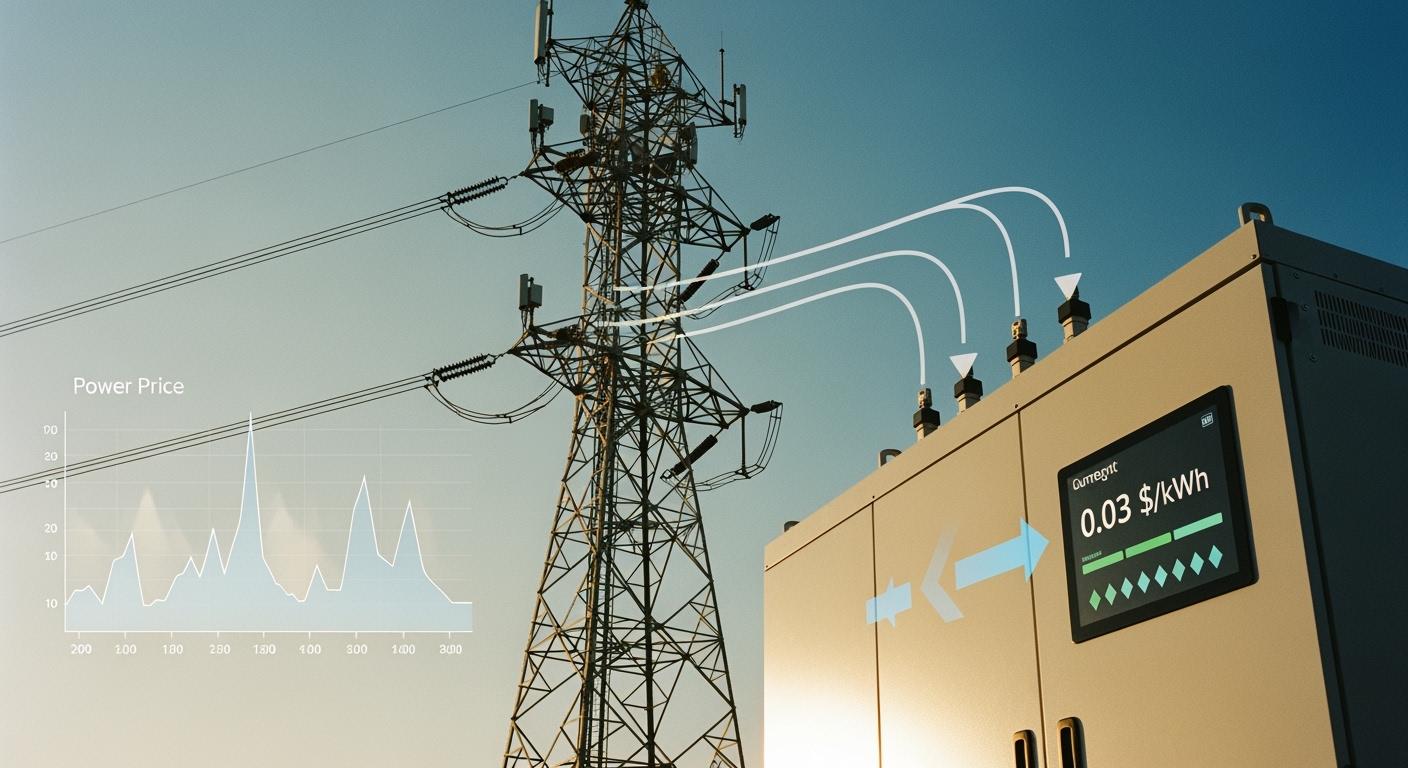
Peak-valley arbitrage lets you use your Telecom Power System to automatically capture low-price electricity during off-peak hours. Smart automation manages reserve storage, so you save money and improve backup reliability. You benefit from advanced technology that adjusts power input and storage without manual effort. ESTEL delivers solutions that help you optimize energy usage and maintain efficient operations.
Key Takeaways
Utilize peak-valley arbitrage to save money by charging batteries during low-price hours and discharging during peak times.
Implement smart automation in your Telecom Power System to optimize energy usage without manual effort, enhancing reliability.
Choose scalable power systems that adapt to your business growth, reducing long-term expenses and avoiding costly upgrades.
Leverage advanced algorithms for reserve storage optimization to extend battery life and improve overall system performance.
Stay informed about regulatory requirements and battery management to navigate challenges and maximize the benefits of your energy strategy.
Peak-Valley Arbitrage Mechanism
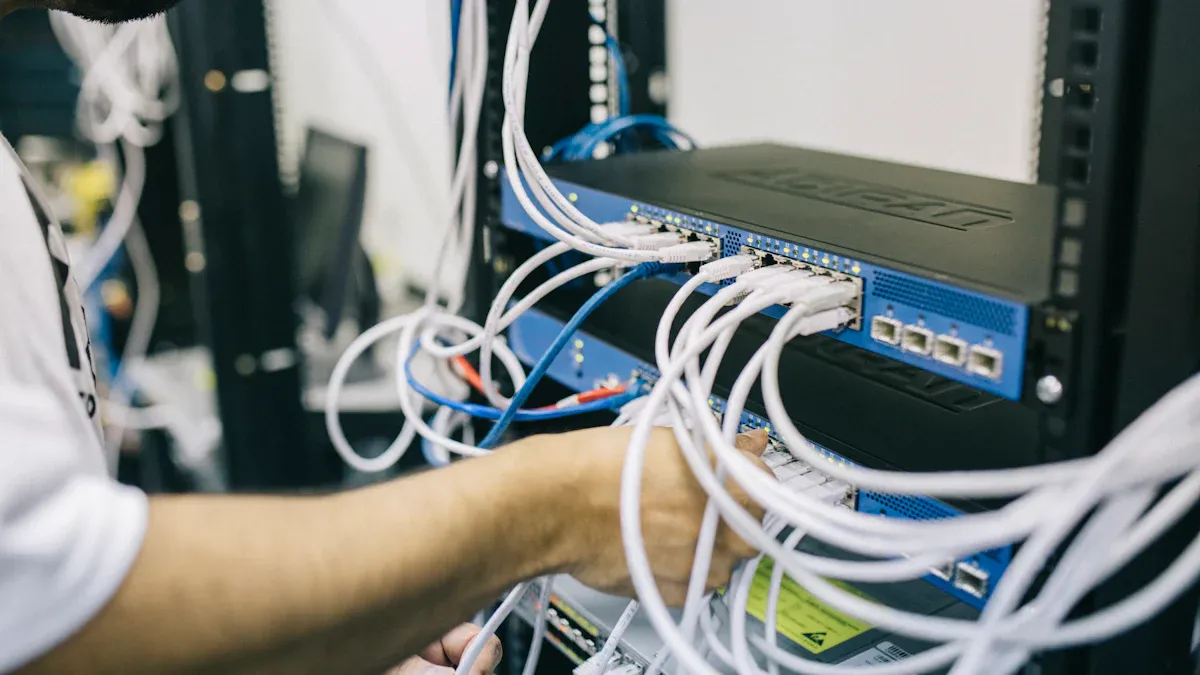
Time-of-Use Pricing in Telecom
You can lower your operational costs by taking advantage of time-of-use (TOU) pricing. Electricity prices change throughout the day. When you use your Telecom Power System to charge batteries during off-peak hours, you pay less for energy. Different sectors respond to TOU pricing in unique ways. The table below shows how TOU pricing impacts operational costs and seasonal effectiveness:
Sector | Seasonal Effectiveness | |
|---|---|---|
Industrial | Quick response to TOU pricing, reducing costs | Most effective in autumn/winter |
Public Services | Strong alignment with price signals | Higher flexibility observed |
Commercial Users | Pronounced peak-valley load patterns | Improved cost transmission |
You see the most savings when you match your charging schedule to periods of low electricity prices.
Automated Charging Strategies
Automation helps you capture low-price power without manual effort. Your Telecom Power System can use smart charging strategies to maximize savings and reliability. Here are some of the most effective approaches:
Reduce electricity costs by charging during low price periods and discharging during peak times.
Manage demand to smooth out power spikes and lower capacity charges.
Improve user experience by using energy storage to support high demand and ultra-fast charging.
Automation ensures you always use the best charging strategy for your site.
Reserve Storage Optimization
You can optimize reserve storage by using advanced algorithms. These algorithms help you decide when to charge and discharge batteries for maximum benefit. The table below lists common optimization methods:
Algorithm Type | Description |
|---|---|
Deterministic optimization | Uses a single forecast for prices and demand; best for low uncertainty. |
Stochastic optimization | Considers multiple scenarios to improve expected performance. |
Robust optimization | Focuses on worst-case outcomes for resilience. |
Dynamic programming | Balances immediate rewards with future consequences. |
Model predictive control (MPC) | Re-optimizes as time advances. |
Mixed-integer linear programming | Handles discrete decisions and linear relationships. |
Mixed-integer nonlinear programming | Manages nonlinearities like efficiency curves and battery degradation. |
Degradation-aware optimization | Extends battery life by considering aging effects. |
You gain more control and reliability when you use these optimization tools with your Telecom Power System.
Benefits of Telecom Power System Arbitrage
Cost Savings for Telecom Operators
You can achieve significant cost savings when you use peak-valley arbitrage with your Telecom Power System. Charging batteries during off-peak hours lowers your electricity bills. ESTEL's Telecom Power System and Rectifier System stand out because they deliver high energy efficiency, with rates over 96%. This efficiency reduces energy loss and cuts operational costs. You benefit from a modular design that allows you to scale your system as your needs grow. You avoid expensive upgrades and save money over time. Compared to other solutions, ESTEL helps you maximize your return on investment.
Tip: You can reduce your long-term expenses by choosing a scalable power system that adapts to your business growth.
Backup Reliability and Efficiency
You rely on your Telecom Power System to keep your network running during outages or peak demand. Automated reserve storage ensures you always have backup power available. ESTEL's systems use advanced control features to optimize charging and discharging. You get reliable performance, even in harsh outdoor conditions. Natural cooling keeps the system efficient without extra maintenance. You experience fewer interruptions and less downtime. Your operations stay smooth and your customers stay connected.
Reliable backup power keeps your network online.
Efficient energy management reduces maintenance needs.
Advanced controls optimize battery usage for maximum uptime.
Environmental Impact
You help the environment when you use energy storage and peak-valley arbitrage. These systems support renewable energy sources and reduce carbon emissions. You manage peak demand and optimize energy usage, which leads to a cleaner and more efficient operation. ESTEL's telecom power solutions meet strict environmental and safety standards. The table below shows the certifications that guarantee quality and environmental responsibility:
Certification | Description |
|---|---|
ISO9001 | Ensures consistent manufacturing processes for quality assurance. |
UL | Guarantees compliance with electrical safety standards. |
RoHS | Addresses environmental impact and safety. |
CE | Ensures compliance with health, safety, and environmental protection standards. |
VDE | Validates electrical safety and performance standards. |
IEC CB Scheme | Ensures compliance with international safety standards. |
FCC Compliance | Ensures devices do not interfere with other electronic devices. |
You can trust ESTEL to deliver solutions that protect both your business and the environment.
System Requirements and Smart Tools
Telecom Power System Selection
You need to choose the right Telecom Power System for your site. Start by estimating your daily energy demand and backup requirements. Calculate the total load of your telecom equipment and consider the peak hours when your system will draw the most power. Select a system with a wide input voltage range and natural cooling. ESTEL offers flexible installation options, so you can mount the system on a standard 19-inch rack or inside a cabinet. Look for modular designs that allow you to scale up as your network grows. Use the table below to compare sizing factors:
Sizing Factor | Description |
|---|---|
Load Capacity | Total power needed for equipment |
Backup Duration | Hours of reserve storage required |
Input Voltage Range | Compatibility with local grid |
Installation Mode | Rack or cabinet flexibility |
Scalability | Ability to expand system |
Tip: Always match your power system size to your current and future network needs.
Energy Management Platforms
You can improve your energy savings with advanced energy management platforms. These platforms use PCS energy storage converters to optimize charging and discharging cycles. You charge batteries during low-price periods and discharge them when prices rise. Intelligent management reduces your electricity costs and supports peak-valley arbitrage. The platform monitors real-time data and adjusts operations automatically. You gain better control over your energy use and ensure reliable backup power.
Integration with ESTEL Solutions
You integrate ESTEL solutions easily into your telecom infrastructure. ESTEL's Telecom Power System and Rectifier System feature multiple communication ports for seamless networking. You benefit from advanced control options that let you monitor and manage your system remotely. Installation flexibility means you can deploy the system in harsh outdoor environments or standard indoor racks. ESTEL products meet international standards, so you get reliable performance and long-lasting durability. You can trust ESTEL to deliver efficient, scalable, and environmentally friendly power solutions for your telecom network.
Real-World Outcomes and Profitability

ESTEL Case Study in Telecom Networks
You see real improvements when you deploy ESTEL's Telecom Power System in your network. Operators report fewer equipment failures and faster troubleshooting. Predictive maintenance tools help you spot issues early. Regular monitoring extends the lifespan of your equipment. The table below shows the impact of these deployments:
Evidence Description | Impact |
|---|---|
Equipment failure risk reduction | |
Troubleshooting time reduction | 30% |
Decrease in battery failure rates | 98% (2018-2024) |
Early detection of potential issues | Enabled |
Extended equipment lifespan | Achieved |
You gain peace of mind knowing your network stays reliable and efficient.
Financial Analysis and ROI
You want your investment to pay off. ESTEL's systems deliver high returns compared to traditional solutions. You spend a moderate amount upfront, but you save on maintenance costs. Your equipment lasts longer, so you avoid frequent replacements. The table below compares key features:
Feature | Traditional Systems | ESTEL Systems |
|---|---|---|
Initial Cost | Low | Moderate |
Maintenance Costs | High | Low |
Lifespan (Years) | 3-5 | |
ROI | Moderate | High |
You see a shorter payback period and higher profitability. Your operational expenses drop, and your network stays strong for years.
Tip: Investing in quality power systems helps you save money and reduce downtime over the long term.
Lessons from Industry Practice
You learn valuable lessons from operators who use peak-valley arbitrage. Automation and smart management make a big difference. You achieve better backup reliability and lower costs when you use advanced energy storage strategies. Regular analytics and monitoring help you catch problems before they affect your service. You build a network that adapts to changing demands and stays resilient. ESTEL's solutions show that smart investments lead to lasting benefits.
Challenges and Limitations
Regulatory Barriers
You face regulatory barriers when you implement peak-valley arbitrage in telecom power systems. Local rules may restrict how you participate in energy markets. Some regions require special permits for energy storage operations. You must follow grid codes and safety standards. These regulations protect the power grid and ensure fair competition. You need to stay updated on policy changes. Government incentives can help, but you must qualify for them. You should work with experts to navigate these requirements and avoid delays.
Battery Degradation
You must manage battery degradation to maintain reliable reserve storage. Frequent charge and discharge cycles can shorten battery life. You can minimize degradation by prioritizing batteries with the least wear during arbitrage operations. AI algorithms analyze battery data and predict degradation. These tools help you optimize battery usage and extend lifetimes. By forecasting the number of cycles each battery can handle, you plan upgrades and replacements more effectively. AI insights adapt to the latest battery health updates, allowing you to make informed decisions. You protect your investment and ensure long-term performance.
Note: Smart battery management extends battery life and reduces replacement costs.
Price Spread Feasibility
You need a significant price spread between peak and valley periods to achieve profitable arbitrage. Energy storage systems charge during low-cost periods and discharge when prices rise. The larger the difference, the greater your savings. For example:
Charging during off-peak hours can cost as low as 0.3 yuan/kWh.
Discharging during peak hours can reach prices as high as 1.2 yuan/kWh.
This price difference can lead to substantial annual savings.
Historical data shows how price spreads affect profitability:
Time | Price (MWh) | Description |
|---|---|---|
1 p.m. | $15 | Abundant solar output leads to low wholesale prices, creating an opportunity for battery charging. |
7 p.m. | $500 | As solar generation fades and demand peaks, prices spike, allowing for profitable battery discharge. |
Post-event | $250 | Battery discharge helps to moderate the price spike, demonstrating the impact of arbitrage on market prices. |
You reduce electricity costs and improve energy efficiency by leveraging these price differences. You support sustainable business growth and maximize economic returns.
You gain practical value from peak-valley arbitrage by charging energy storage during low demand and supplying power during peak times. The table below shows key mechanisms and strategies:
Mechanism | Description |
|---|---|
Energy Storage Charging | Charge at valley prices to save costs |
Energy Storage Discharging | Supply power at peak demand to maximize income |
Cost Savings | Lower electricity bills and reduce outage risks |
Load Management | Balance supply and demand for efficient operation |
Choose scalable systems and monitor battery health. ESTEL, recognized for innovative excellence, offers reliable, customizable solutions and exceptional support. Consider both benefits and challenges to optimize your telecom power strategy.
FAQ
What is peak-valley arbitrage in telecom power systems?
Peak-valley arbitrage lets you charge batteries during low-price periods and use stored energy when prices rise. You save money and improve backup reliability by managing energy storage smartly.
How do ESTEL power systems support automated energy management?
You use ESTEL’s advanced control features to automate charging and discharging. The system monitors real-time data and adjusts operations for maximum efficiency and reliability.
Can you install ESTEL power systems outdoors?
You can install ESTEL power systems in harsh outdoor environments. The cabinets feature weatherproof designs, anti-corrosion coatings, and efficient cooling to ensure reliable performance.
What certifications do ESTEL telecom power solutions have?
Certification | Purpose |
|---|---|
ISO9001 | Quality assurance |
CE | Safety and environmental |
RoHS | Environmental compliance |
You trust ESTEL products to meet international standards for safety and quality.
See Also
Telecom Cabinets Powered by Photovoltaic Energy Storage Solutions
Smart Energy Storage Systems for ESTEL Telecom Microgrids
Calculating Power Systems and Batteries for Telecom Cabinets
A Complete Guide to Analyzing Risks in Telecom Batteries
ESTEL Telecom Cabinets and Their Energy Storage Battery Solutions
CALL US DIRECTLY
86-13752765943
3A-8, SHUIWAN 1979 SQUARE (PHASE II), NO.111, TAIZI ROAD,SHUIWAN COMMUNITY, ZHAOSHANG STREET, NANSHAN DISTRICT, SHENZHEN, GUANGDONG, CHINA
