Standardized Interface Telecom Power System for Plug-and-Play Access of Third-Party Equipment

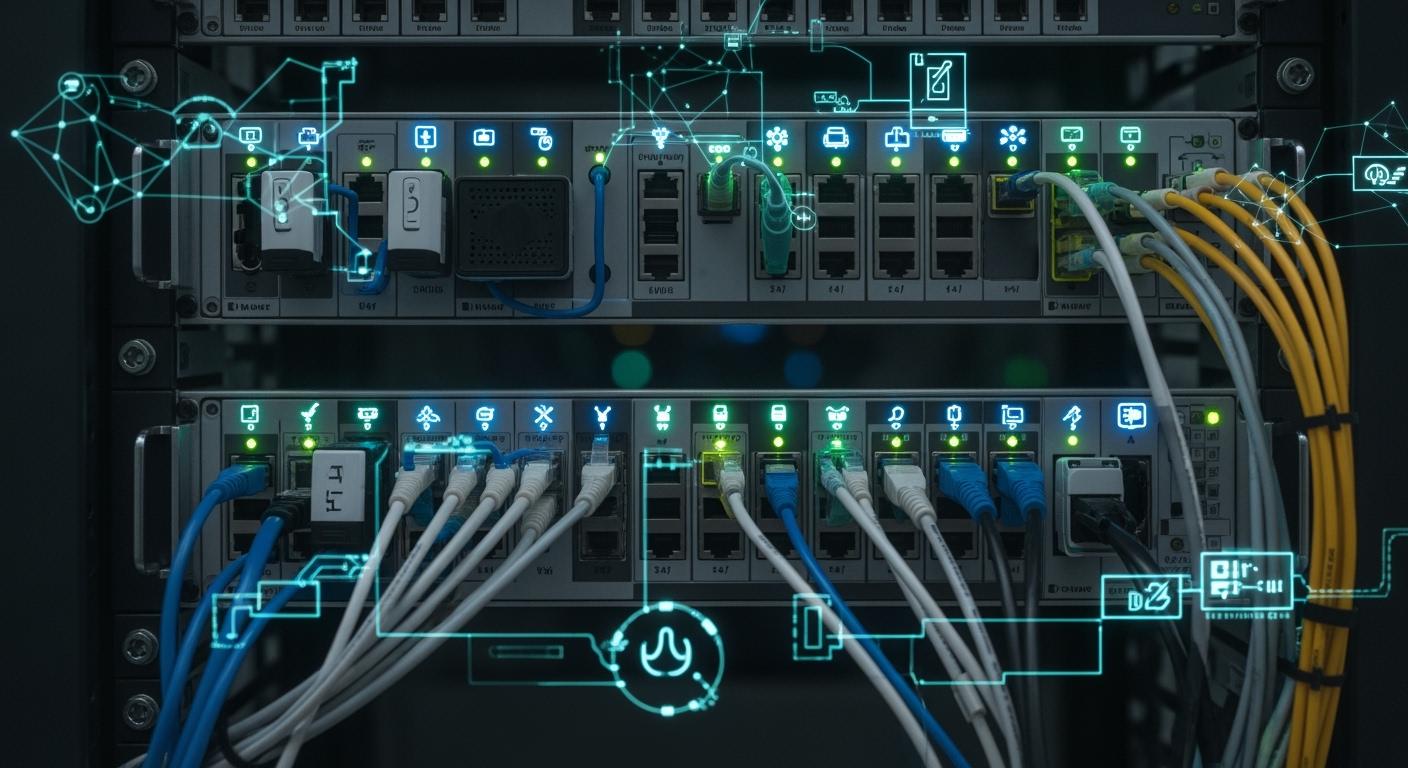
You want your telecom network to grow quickly and work with many types of equipment. Standardized interfaces in a Telecom Power System let you connect third-party devices without complex setup. This approach gives you faster integration and reduces technical headaches. International standards play a key role in making this possible. Leading brands like ESTEL help drive these advances, giving you tools for reliable and scalable telecom infrastructure.
Key Takeaways
Standardized interfaces allow seamless connection of third-party equipment, enhancing flexibility and reducing setup time.
Plug-and-play technology enables quick deployment of new devices without system downtime, saving time and minimizing errors.
Interoperability ensures that equipment from different vendors works together, making network upgrades easier and more efficient.
Adopting modular architectures and standardized designs helps future-proof your telecom network and reduces operational risks.
Following best practices and using solutions like ESTEL can enhance reliability, scalability, and security in your telecom infrastructure.
Standardized Interface Overview
Definition and Core Elements
You need to understand what makes a standardized interface important in a Telecom Power System. A standardized interface uses common design rules that allow different equipment to connect and work together. These rules cover how devices communicate, share power, and manage safety. The core elements of a standardized interface include input filtering, transient suppression, inrush current protection, hot swap capability, hold-up and under voltage shutdown, dual power feeds, monitoring, alarm, and power management. These features help you achieve reliable and efficient power distribution for your telecom equipment.
To see how standardized interfaces compare with proprietary solutions, look at the table below:
Aspect | Standardized Interfaces (SFP MSA) | Proprietary Solutions |
|---|---|---|
Design Approach | Open, multi-vendor agreement | Vendor-specific implementation |
Compatibility | Cross-vendor interoperability | Limited to same vendor |
Ecosystem | Broad and diverse | Closed and controlled |
Flexibility | High | Restricted |
Standardized interfaces give you more choices and flexibility. You can mix and match equipment from different vendors without worrying about compatibility.
Interoperability in Telecom Power Systems
Interoperability means your equipment can work with devices from other brands. This is essential for building a reliable and scalable network. Standards like the EMerge Alliance’s Interoperability Data Model and IEEE P1547.4 make it easier for you to connect and disconnect power systems. You can upgrade or expand your network with minimal disruption.
You benefit from several features that improve reliability and maintenance:
Continuous multi-parameter monitoring lets you track power metrics in real time.
Intelligent threshold-based alarms warn you before problems cause downtime.
Trend analysis and predictive analytics help you spot issues early and plan maintenance.
Integration with network management systems allows for quick corrective actions.
Energy optimization reduces operational costs while keeping your network stable.
When you use a Telecom Power System with standardized interfaces, you make your network more adaptable and future-proof.
Plug-and-Play in Telecom Power
Plug-and-Play Explained
You want to add new equipment to your network without long delays or complicated steps. Plug-and-play technology makes this possible. When you use plug-and-play in a Telecom Power System, you can connect new devices and have them work almost instantly. You do not need to power down the system or spend hours on manual configuration. This approach saves you time and reduces the risk of errors.
Plug-and-play access also speeds up deployment for third-party equipment. The system can automatically detect and configure new devices. For example, network management tools can apply the right settings and software as soon as you connect a device. You do not have to set up each device from scratch. This automation means you can get your network running faster and with less effort.
Key features make plug-and-play possible in telecom power systems. The table below shows some of these features and what they do:
Feature | Description |
|---|---|
Hot Swap Technology | Lets you install or replace modules without shutting down power |
19-inch Rack Mount Power Frame | Makes it easy to add units to existing cabinets |
Fully Front Operation | Allows you to maintain equipment from the front |
These features help you keep your network flexible and ready for growth.
Role of Standardized Interfaces
Standardized interfaces play a big role in making plug-and-play work. When you use equipment that follows common standards, you do not have to worry about compatibility. You can connect devices from different vendors, and they will work together. This gives you more choices and makes it easier to upgrade your network.
A Telecom Power System with standardized interfaces supports plug-and-play by ensuring that all connections follow the same rules. You can add or replace equipment quickly, knowing that the system will recognize and support new devices. This approach reduces downtime and helps you keep your network reliable.
Tip: Choose systems with standardized interfaces if you want to future-proof your telecom network and make expansion easier.
Benefits for Third-Party Equipment
Faster Deployment
You want to deploy new equipment quickly and avoid long delays. Standardized interfaces in a Telecom Power System help you achieve this goal. When you use equipment that follows common standards, you can connect devices from different vendors without extra steps. This approach reduces the time needed for installation and setup.
Industry reports show that standardized interfaces streamline communication between operators and customer appliances. For example, Distribution System Operators use established channels to control and integrate new devices. This direct control speeds up the deployment process and makes integration more efficient.
A real-world example comes from a hyperscale data center operator. They faced a tight schedule because of rapid growth in AI workloads. By choosing a modular power train architecture with plug-and-play features, they reduced on-site work and made deployment much faster. Unified monitoring and pre-integration tools allowed them to coordinate control and simplify operations. You can use similar strategies to accelerate your own projects and reduce complexity.
Tip: Choose systems with modular and standardized designs to save time and lower operational risks.
Compatibility and Flexibility
You need your network to work with many types of equipment. Standardized interfaces make this possible by ensuring compatibility across different brands and models. In a Telecom Power System, these interfaces allow you to add or replace third-party devices without worrying about technical conflicts.
Modern power systems use interfaces like PMBus, which provide precise control and monitoring. This standardization lets you integrate new equipment easily and manage your network more effectively. The SFP MSA standard also supports a competitive supplier ecosystem. You can select from various manufacturers, giving you flexibility in procurement and helping you reduce costs.
You gain the freedom to choose the best equipment for your needs.
You avoid being locked into one vendor.
You can upgrade or expand your network with less effort.
Standardized interfaces give you the tools to build a flexible, future-ready telecom network.
Challenges and Solutions in Telecom Power System
Technical and Security Challenges
You face several technical and security challenges when you integrate third-party equipment into your telecom network. These challenges can affect both the reliability and safety of your operations.
You may encounter risks of malware entering your system when you add third-party components. This can threaten the security of your entire network.
Traditional safeguards, such as licenses and warranties, do not always protect you from modern supply chain threats.
You might struggle to verify the security practices of your suppliers. This can leave your system vulnerable to external attacks.
Plug-and-play access brings its own set of risks. You must consider electrical hazards, mechanical issues, and user-interaction dangers that can arise during installation. These hazards can disrupt your network or even cause physical harm if not managed properly.
To address these risks, you should follow safety frameworks like UL 3700. This standard outlines best practices for safe installation and operation. By adhering to such guidelines, you can reduce the likelihood of accidents and ensure a safer environment for your team.
Best Practices and ESTEL Solutions
You can overcome many integration challenges by following industry best practices and choosing advanced solutions like those from ESTEL. The right approach helps you build a reliable and scalable telecom infrastructure.
Here are some best practices you should consider:
Use modular architectures to simplify digital interactions and avoid vendor lock-in.
Integrate standardized compliance modules into your management platforms for automated regulatory reporting.
Leverage international standards, such as TM Forum guidelines, to streamline operations and enhance digital channels.
The table below shows common challenges and effective solutions:
Challenge | Solution |
|---|---|
Outdated systems | Adopt modular architectures for easier upgrades and integration. |
Regulatory compliance | Use standardized compliance modules for automated reporting. |
Competition from OTT services | Apply TM Forum standards to improve digital operations and customer experience. |
ESTEL’s Telecom Power System and Telecom Rectifier System offer practical solutions to these challenges. You benefit from their modular design, which allows you to scale your power infrastructure as your network grows. Advanced cooling systems in ESTEL products help maintain optimal temperatures, increasing the longevity and reliability of your equipment. Integrated monitoring tools give you real-time insights into power usage and system health. This enables you to resolve issues before they impact your network.
You can see the results in real-world deployments. One telecom operator reduced downtime by 30% after installing ESTEL enclosures in a high-humidity area. This demonstrates the durability and efficiency of ESTEL’s systems. Another client praised the sustainability of ESTEL products, noting their alignment with green initiatives. The compatibility of ESTEL’s solutions with renewable energy sources supports diverse telecom applications and future-proofs your investment.
You also gain the advantage of centralized monitoring and control. ESTEL’s integration with unified management platforms lets you oversee your entire power infrastructure from one location. This leads to a more reliable, efficient, and scalable network.
Tip: Choose solutions that combine modular design, advanced monitoring, and compliance with international standards. This approach helps you address both technical and security challenges in your telecom network.
Real-World Applications with ESTEL
Multi-Vendor Integration
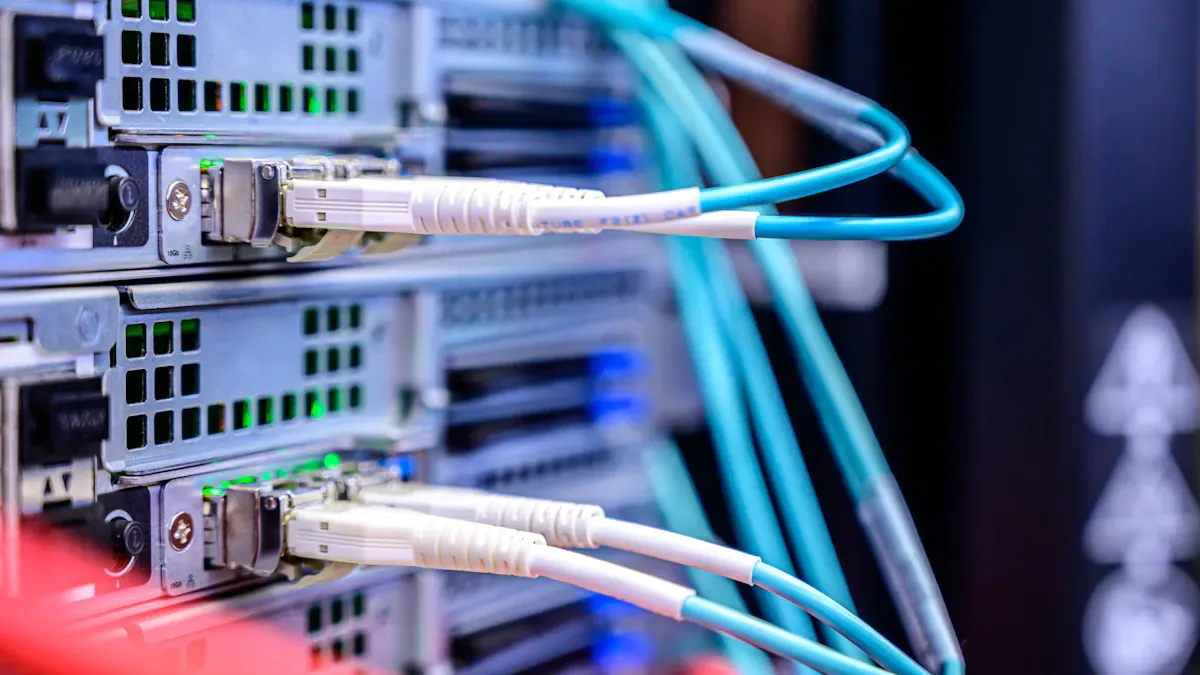
You often need to connect equipment from different vendors in your telecom network. Standardized interfaces make this process smooth and reliable. In a multi-vendor environment, you benefit from architectures that focus on interoperability and steady data flow. These systems use layers, such as the Smart Meter Layer and Billing Interface Layer, to define clear roles for each component. This structure helps you manage operations without confusion.
Key principles like modular design and strict adherence to standards allow you to roll out new equipment in phases. You can add or replace devices from various vendors without major changes to your network. This flexibility means you can respond quickly to new demands or technology updates.
Operators use a step-by-step approach to evaluate and deploy multi-vendor systems:
Vendors register their models and share performance details in a central catalogue.
You select the best models using APIs and performance benchmarks.
Integration happens through standardized interfaces, making deployment straightforward.
Continuous feedback helps you improve system performance over time.
By following these steps, you keep your network efficient and ready for growth.
ESTEL Case Example
You can see the benefits of standardized interfaces in real-world scenarios with ESTEL’s solutions. For example, a regional telecom operator needed to expand its network quickly. The operator chose ESTEL’s Telecom Power System and Telecom Rectifier System for their modularity and easy integration. The operator connected equipment from multiple vendors using the same power infrastructure. The rollout finished ahead of schedule, and the network remained stable during the process.
You can measure the adaptability and reliability of ESTEL’s systems using several important metrics:
Metric | Description |
|---|---|
Modularity | Lets you upgrade or adjust the system as your needs change. |
Scalability | Supports network growth without major redesigns. |
Lowers costs and reduces environmental impact. | |
Built-in Protections | Safeguards against voltage issues and short circuits. |
Voltage Regulation | Keeps DC power stable for uninterrupted operations. |
Power Filtering | Delivers clean power by removing noise and harmonics. |
When you use ESTEL’s solutions, you gain a flexible and reliable network. You can scale your operations, reduce costs, and maintain high service quality. Automation and open network principles further boost your efficiency, making your telecom infrastructure future-ready.
You gain real advantages when you choose standardized interfaces for your Telecom Power System. These interfaces let you connect third-party equipment quickly and reliably. Operators see better efficiency, scalability, and reliability, as shown in the table below:
Benefit | How It Helps Operators |
|---|---|
OSS Modernization | Easier integration and less vendor lock-in |
Dynamic Service Creation | Faster deployment and more agility |
Compliance & Interoperability | Smoother audits and cross-ecosystem collaboration |
Industry leaders like ESTEL set the standard by automating workflows and improving data quality. When you plan upgrades, follow best practices and learn from real-world examples to build a future-ready network.
FAQ
What is a standardized interface in a telecom power system?
A standardized interface uses common design rules. You can connect equipment from different brands without compatibility issues. This makes your network flexible and easy to upgrade.
How does plug-and-play access benefit you?
Plug-and-play access lets you add or replace equipment quickly. You do not need to shut down your system. This saves you time and reduces errors.
Why should you choose ESTEL’s Telecom Power System?
You get reliable power, modular design, and easy integration. ESTEL’s systems follow international standards. You can scale your network and ensure long-term performance.
Can you use third-party equipment with ESTEL solutions?
Yes. ESTEL’s standardized interfaces support third-party devices. You can mix and match equipment from different vendors without technical problems.
See Also
Ensuring Consistent Power Supply for Telecom Cabinets
Understanding the ESTEL Power System for Telecom Cabinets
A Comprehensive Guide to Telecom Cabinet Specifications
CALL US DIRECTLY
86-13752765943
3A-8, SHUIWAN 1979 SQUARE (PHASE II), NO.111, TAIZI ROAD,SHUIWAN COMMUNITY, ZHAOSHANG STREET, NANSHAN DISTRICT, SHENZHEN, GUANGDONG, CHINA
