30% TCO Reduction Proof for Telecom Rectifier Systems: Dual Cuts in Electricity & Maintenance Costs Over 5 Years

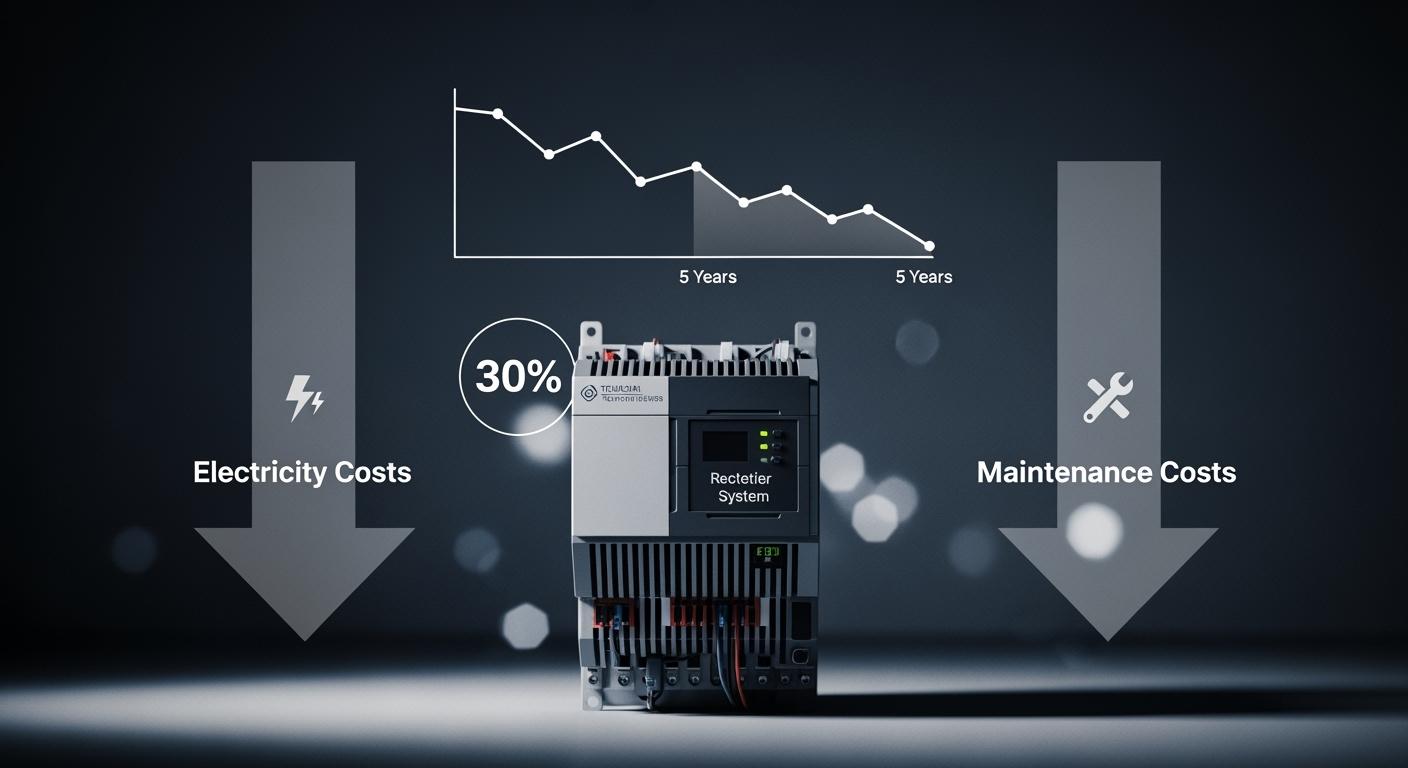
You can achieve a 30% TCO reduction with the right telecom rectifier system. Dual savings in electricity and maintenance drive these results. ESTEL’s high-efficiency solution helps you cut annual electricity costs by up to $902 per cabinet. Its modular design lowers maintenance expenses and reduces downtime. Real-world data over five years proves that these systems create significant value for telecom operators who demand reliability and efficiency.
Key Takeaways
Achieve a 30% reduction in total cost of ownership by using ESTEL's telecom rectifier systems, which lower both electricity and maintenance costs.
Save up to $902 per cabinet annually on electricity by upgrading to high-efficiency rectifier systems that operate above 96% efficiency.
Reduce maintenance costs by up to 25% with modular designs that allow for quick repairs and less downtime, keeping your services running smoothly.
Track your annual savings to measure the impact of your investment, helping you plan future upgrades and optimize operations.
Follow best practices for deployment and maintenance, including regular monitoring, to maximize savings and ensure system reliability.
Understanding TCO in Telecom Rectifier Systems
TCO Components and Key Drivers
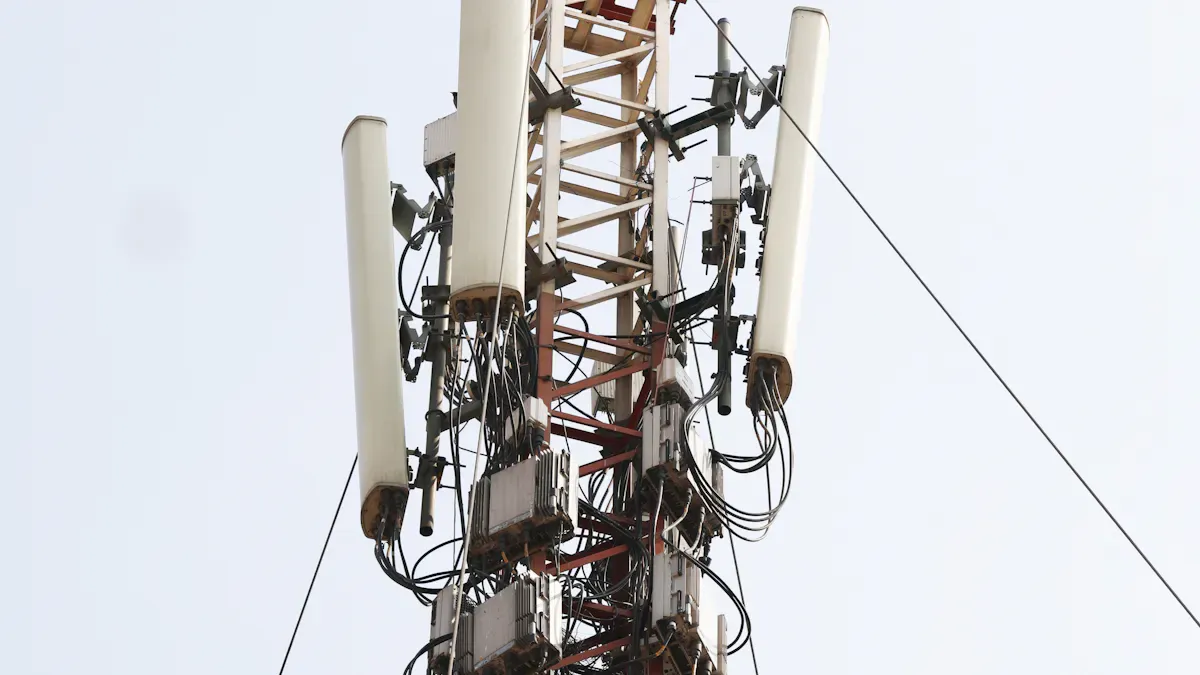
You need to understand the total cost of ownership when you evaluate telecom rectifier systems. TCO includes every cost you face during the system’s life. These costs fall into two main categories: capital expenditure (CapEx) and operating expenditure (OpEx). CapEx covers the initial investment in equipment and installation. OpEx includes all ongoing expenses, such as electricity, maintenance, and repairs.
The table below shows the main components of TCO for telecom rectifier systems:
Component | Description |
|---|---|
Capital Expenditure (CapEx) | Lower infrastructure and equipment costs due to simpler DC power supplies and distribution gear. |
Operating Expenditure (OpEx) | Reduced maintenance and operating costs from fewer power conversions and lower heat generation. |
You see that CapEx is a one-time cost, while OpEx continues year after year. For most telecom operators, OpEx makes up the largest share of TCO over time. This is why you should focus on solutions that lower both electricity and maintenance costs.
Why Electricity and Maintenance Matter Most
Electricity and maintenance drive most of your ongoing expenses. Telecom rectifier systems run 24/7, so even small improvements in efficiency can lead to big savings. High-efficiency systems use less power, which cuts your electricity bills. Maintenance costs also add up quickly. Older or less reliable systems need frequent repairs, which means more downtime and higher labor costs.
When you target both electricity and maintenance, you unlock the biggest tco reduction. Over five years, these savings can transform your bottom line. You get more value from your investment and reduce your environmental impact at the same time.
TCO Reduction Proof: ESTEL Telecom Rectifier System
High Efficiency and Cost Savings
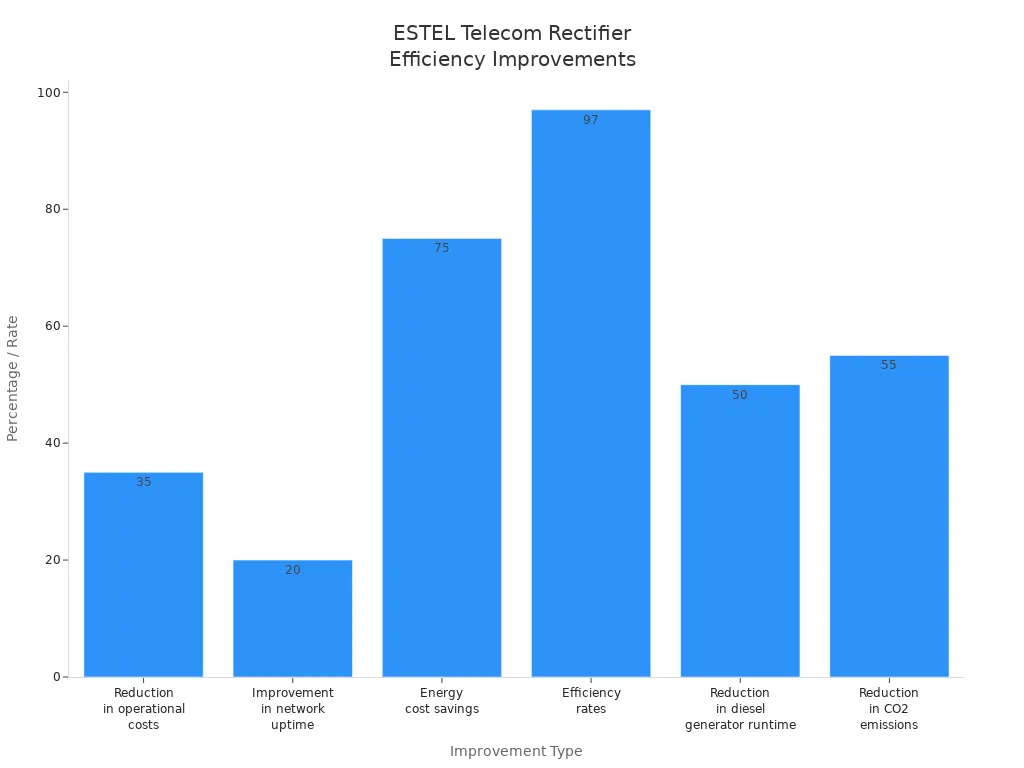
You see the impact of high efficiency in every aspect of your telecom rectifier system. ESTEL’s high-efficiency systems deliver efficiency rates above 97%, with some models reaching up to 98%. This improvement means less energy is wasted as heat, and more power goes directly to your mission-critical telecom equipment. Upgrading to a 96% efficient system saves about 3,726 kWh per cabinet each year, which equals $559 in electricity savings. If you choose a 98% efficient system, your annual savings rise to 6,013 kWh and about $902 per cabinet.
Operators report energy savings of up to 75% after switching to ESTEL telecom rectifier systems. These cost savings extend beyond electricity. Operational expenses drop by 25-35% after upgrading, and extended battery life reduces replacement and maintenance costs. You benefit from lower power loss, improved network uptime, and reduced CO2 emissions. The chart below shows the energy efficiency improvements after deploying ESTEL telecom rectifier systems in various environments.
Maintenance Reduction with Modular Design
Maintenance costs represent a major part of your total cost of ownership. ESTEL’s modular design tackles this challenge head-on. Each module operates independently, so technicians can replace or repair components without shutting down the entire system. This approach minimizes downtime and keeps your services running smoothly.
The table below highlights key features of ESTEL’s modular design and their benefits:
Feature | Benefit |
|---|---|
Significantly reduces setup time, leading to lower labor costs. | |
Modular components | Facilitates quick replacements and upgrades, minimizing downtime. |
Remote diagnostics | Reduces the need for on-site maintenance, thus lowering overall costs. |
Combining energy storage, structural support, and monitoring features into one unit reduces the number of separate parts. This integration leads to lower maintenance costs and easier management. Advanced monitoring systems enable predictive maintenance, so you can identify and resolve issues before they disrupt service. You also gain the ability to swap modules without shutting down the network, ensuring service continuity.
Operators report up to 25% savings in maintenance costs after switching to ESTEL telecom rectifier systems. Equipment uptime increases by 20%, and operational efficiency improves by 30%. High-efficiency systems achieve up to 98% efficiency, reducing power loss by as much as 75% compared to older models.
Case Study: Five-Year Results
You can measure the impact of ESTEL telecom rectifier systems over five years. Real-world deployments show energy cost savings reaching up to 75% due to reduced energy losses. Operational expenses decrease by 25-35%. Extended battery life leads to fewer replacements and lower maintenance costs.
The table below summarizes maintenance cost reductions observed in telecom sites using ESTEL rectifier systems:
Benefit | Description |
|---|---|
Energy Consumption Reduction | One city provider achieved a 20% reduction in energy consumption after installing ESTEL rectifiers, leading to significant operational savings. |
Downtime Reduction | Automation and AI-driven monitoring in ESTEL systems decreased downtime and maintenance expenses, improving equipment uptime. |
Overall Energy Use Reduction | Operators using ESTEL’s solutions reduced energy use by 15%, supporting both cost control and sustainability goals. |
Power Loss Reduction | High-efficiency rectifiers from ESTEL cut power loss by up to 75%, which directly lowers operational costs. |
Maintenance represents an ongoing expense for redundant power systems. Regular inspections and predictive monitoring help maintain system reliability. Advanced monitoring technologies reduce emergency repair costs and extend the life of your equipment.
You achieve a 30% tco reduction by combining high efficiency, modularity, and reliability. These savings transform your bottom line and support your sustainability goals. ESTEL’s telecom rectifier system delivers proven results for operators who demand cost savings, energy savings, and uninterrupted service.
Five-Year Cost Savings Analysis

Yearly Breakdown of Savings
You can see the impact of upgrading to ESTEL Telecom Rectifier Systems in your yearly budget. Each year, you benefit from lower electricity bills and reduced maintenance costs. These savings add up quickly. For example, you might save up to $902 per cabinet on electricity alone each year. Maintenance costs drop as well, thanks to the modular design and advanced monitoring features. Over five years, these annual savings create a significant reduction in your total cost of ownership.
Operators have reported a 30% reduction in total cost of ownership over five years after switching to ESTEL systems. This reduction comes mainly from lower energy use and fewer maintenance interventions. You gain more control over your expenses and improve your network’s reliability at the same time.
Tip: Track your annual savings to measure the real impact of your investment. This helps you plan future upgrades and optimize your operations.
Cumulative Impact and ROI
When you look at the cumulative effect, the savings become even more impressive. Over five years, the combined savings from electricity and maintenance can offset a large part of your initial investment. Many operators find that the payback period for ESTEL Telecom Rectifier Systems is less than two years. Some small-scale units reach payback in just over six months.
Payback Period | Description |
|---|---|
Typical payback period for telecom rectifier systems | |
1 Year 9 Months | Maximum payback period under certain energy prices |
6 Months 2 Weeks | Payback period for small-scale units |
Several factors influence how quickly you see a return on your investment. High initial investment costs and regulatory compliance can affect the timeline. However, modular designs and advanced controls help you achieve faster savings and better performance.
Factor | Description |
|---|---|
High Initial Investment Costs | Initial costs can exceed $1.5 million per site, deterring smaller operators. |
Regulatory Compliance Complexities | Compliance costs can reach $250,000 per site, adding to the overall investment burden. |
Infrastructure Needs | Upgrades to networks and power supplies are necessary for smart grid interoperability. |
Cost Considerations | Operational costs increase due to necessary upgrades and maintenance. |
Modular Designs | Modular systems improve operational efficiency and reduce long-term costs. |
Advanced Controls | Enhanced control features lead to better reliability and performance. |
You can achieve strong savings and a fast return on investment by choosing the right system and monitoring your results. Over five years, the reduction in costs will support your business goals and free up resources for future growth.
How to Achieve TCO Reduction with ESTEL
Selecting the Right Telecom Rectifier System
You can maximize your savings by choosing the right telecom rectifier system for your network. Start by evaluating your current power needs and future growth plans. Look for systems that offer high efficiency, as these deliver more power to your equipment while reducing wasted energy. ESTEL’s telecom rectifier system provides high efficiency rates above 96%, which leads to significant savings on electricity bills.
Consider modular designs. These allow you to scale your system as your network expands. Modular systems also make maintenance easier, which supports further reduction in operational costs. Review technical specifications such as input voltage range, output capacity, and compatibility with your existing infrastructure. ESTEL’s solutions support a wide range of input voltages and offer flexible installation options.
Tip: Always compare the efficiency ratings and maintenance features of different systems. High efficiency and modularity drive the largest long-term savings.
Best Practices for Deployment and Maintenance
You can achieve the greatest reduction in total cost of ownership by following best practices during deployment and maintenance. Begin with a careful site assessment to ensure optimal placement and integration. Use ESTEL’s technical documentation and training resources to guide your installation process. These resources help you avoid common mistakes and reduce downtime.
Regular monitoring and predictive maintenance are essential. ESTEL’s advanced monitoring tools give you real-time visibility and operational control. This helps you identify issues early and schedule maintenance before problems escalate. You also benefit from intelligent automation, which streamlines operations and supports ongoing savings.
Common challenges in telecom operations include fragmented data, limited field visibility, and delayed decision-making. ESTEL addresses these with unified platforms that enhance inventory management and partner performance. You gain better control over your network and can respond quickly to changes.
Assess your network’s needs and select a high efficiency telecom rectifier system.
Use modular designs for easy scaling and maintenance.
Rely on ESTEL’s support and training for smooth deployment.
Monitor your system regularly to maximize savings and reliability.
By following these steps, you unlock consistent savings and achieve a measurable reduction in your total cost of ownership.
You can achieve a 30% reduction in total cost of ownership with ESTEL’s Telecom Rectifier System. Over five years, you benefit from lower electricity bills and reduced maintenance. Operators have shared positive feedback:
A telecom operator in urban networks saw a 20% drop in electricity costs.
A data center manager praised the system’s remote monitoring and reliability.
Future trends will drive even more savings:
Trend | Description |
|---|---|
5G and IoT demand efficient, high-capacity batteries. | |
AI and machine learning | Predictive maintenance will optimize performance. |
Hybrid power generation | Renewables will support reliable power in off-grid areas. |
Choose ESTEL for reliable, efficient, and cost-effective power solutions.
FAQ
What does tco mean for telecom rectifier systems?
You measure tco as the total cost you pay over the system’s life. This includes your initial purchase, installation, electricity, and maintenance. You use tco to compare different systems and find the best value for your telecom network.
How does high efficiency impact tco?
You lower your tco when you use high-efficiency rectifier systems. These systems waste less energy, so you pay less for electricity. Over time, you see big savings. High efficiency also means less heat, which reduces wear and maintenance needs.
Why is modular design important for tco?
You benefit from modular design because you can replace parts quickly. This reduces downtime and lowers your maintenance costs. When you use modular systems, you keep your network running and control your tco more effectively.
How can you track tco savings over five years?
You track tco savings by recording your yearly electricity and maintenance costs. Compare these numbers before and after you upgrade your system. You see the difference in your budget and prove the value of your investment in tco terms.
What steps help you achieve the best tco reduction?
You start by choosing a high-efficiency, modular rectifier system. You follow best practices for installation and maintenance. You monitor your system’s performance and address issues early. These steps help you reach the lowest possible tco for your telecom site.
See Also
Methods for Calculating Power Systems and Batteries in Telecom
Ensuring Consistent Power Supply for Telecom Cabinet Systems
Photovoltaic Inverter and Battery Systems for Telecom Connectivity
Exploring Various Cooling Techniques for Telecom Cabinet Efficiency
Energy Storage Solutions Using Photovoltaics for Telecom Cabinets
CALL US DIRECTLY
86-13752765943
3A-8, SHUIWAN 1979 SQUARE (PHASE II), NO.111, TAIZI ROAD,SHUIWAN COMMUNITY, ZHAOSHANG STREET, NANSHAN DISTRICT, SHENZHEN, GUANGDONG, CHINA
