48V DC Power in Telecom: A Complete Guide to Rectifiers and DC Power Plants


You rely on stable power to keep telecom infrastructure running without interruption. The 48V DC power system provides consistent energy delivery and supports seamless battery backup, which ensures your network stays online during outages. Using -48V in telecom helps prevent corrosion inside equipment and allows safe handling, even over long cable runs. The TELECOM RETIFIER SYSTEM from ESTEL, including the ET48300-004, offers advanced features that protect your equipment and support continuous operations. When you focus on proper installation, safety, and regular maintenance, you maximize reliability and performance.
Key Takeaways
48V DC power systems provide reliable energy for telecom equipment, ensuring continuous operation during outages.
Using -48V DC helps prevent corrosion and enhances electromagnetic compatibility, protecting sensitive devices.
Regular maintenance and monitoring of rectifiers and battery systems are essential for optimal performance and longevity.
Choosing the right rectifier involves understanding power demands and ensuring compliance with industry standards.
Implementing redundancy models in your power system can significantly improve reliability and reduce downtime.
48V DC Power Basics
What Is 48V DC?
You encounter 48V DC every day in telecom environments. This voltage level refers to direct current, where electricity flows in one direction at a steady rate. Unlike alternating current, which changes direction, DC provides consistent energy delivery. In telecom, 48V DC has become the standard for powering switches, routers, and servers. The technology behind 48V DC is mature and reliable, supporting the continuous operation of critical equipment. You benefit from lower risks of electric shock because the voltage is much safer than higher AC levels.
Tip: 48V DC systems allow you to switch to battery backup instantly during outages, keeping your telecom equipment running without interruption.
Characteristic | Description |
|---|---|
Historical Significance | The 48V power supply system became traditional due to its early use in communication equipment. |
Efficiency and Reliability | Higher energy transmission efficiency reduces waste and improves reliability and stability of equipment. |
Safety Performance | Lower voltage compared to AC power enhances personal safety and reduces risks of electric shock. |
Application Range | Widely used in telecom equipment like switches, routers, and servers, with expanding applications. |
Mature Technology | The technology is well-established and continuously improved to meet evolving communication needs. |
Why Telecom Uses -48V DC
You see -48V DC used throughout telecom because it offers several advantages. Negative voltage helps prevent corrosion inside sensitive equipment, which extends the lifespan of your devices. This approach also improves electromagnetic compatibility, reducing interference that can disrupt signals. When you use -48V DC, you protect your telecom infrastructure from damage and ensure stable performance. The system design allows for seamless battery integration, so your network stays online even during power failures.
Negative voltage avoids equipment damage.
Enhanced electromagnetic compatibility supports reliable data transmission.
Seamless battery backup ensures continuous operation.
Industry Standards
You must follow industry standards when working with 48V DC in telecom. International organizations set guidelines for voltage levels, safety practices, and equipment compatibility. These standards help you maintain consistent performance and protect your investment. Most telecom companies adopt the -48V DC standard for their infrastructure, ensuring interoperability and safety across different sites. You can trust that the 48V DC system meets the requirements for modern telecom operations.
Telecom Rectifier System Overview
Rectifier Function in Telecom
You depend on the telecom rectifier system to keep your network running smoothly. The rectifier plays a central role in telecom by converting alternating current from the grid into direct current that your equipment can use. This process is essential because most telecom devices, such as switches and routers, require stable DC power for reliable operation. The telecom rectifier system ensures that your telecom infrastructure receives the correct voltage and current at all times.
The rectifier converts AC power to DC power, which is essential for telecom devices.
This conversion is necessary for powering devices like telecom cells.
Rectifiers enable effective operation of telecom infrastructure by supplying the required DC power.
The telecom rectifier system supports seamless integration with battery backup, so your network stays online during outages.
You can trust the telecom rectifier to deliver consistent performance, even in challenging environments.
The telecom rectifier system forms the backbone of your power supply, making it a critical component in every telecom installation.
AC to DC Conversion
You need to understand how the telecom rectifier system transforms AC into DC for your telecom applications. The process involves several important steps that guarantee stable and efficient power delivery.
Rectification: The process begins with the rectifier, which converts AC to DC. This step is crucial for telecom systems that require stable DC power.
Types of Rectifiers: You can choose between half-wave and full-wave rectifiers. Half-wave rectifiers are less efficient, while full-wave rectifiers provide a more stable output for your telecom equipment.
Output Stabilization: The rectifier ensures that the output voltage remains stable. This stability is essential for the reliable operation of your telecom devices.
The telecom rectifier system must maintain high power conversion efficiency to minimize energy loss and reduce operational costs. You benefit from a system that delivers clean, regulated DC power, which protects your sensitive telecom equipment from voltage fluctuations and electrical noise. The telecom rectifier also supports power conversion by integrating with battery management systems, allowing for seamless transitions during power interruptions.
Key Features to Consider
When you select a telecom rectifier system, you must evaluate several critical features to ensure optimal performance and reliability. The right choice will support your telecom operations and extend the lifespan of your equipment.
Feature | Description |
|---|---|
Application Frequency | Use standard diodes for low-frequency applications; Schottky or super-fast recovery for high-speed switching. |
Recovery Time | Affects switching speed and electromagnetic interference (EMI). |
Thermal Considerations | Select packages with appropriate heat dissipation for sustained operation. |
Package & Form Factor | Choose between surface-mount or through-hole, leaded or leadless packages based on assembly needs. |
Automotive Compliance | Ensure AEC-Q101 qualification for automotive-grade applications. |
Input Voltage (AC RMS/Peak) | Ensure the reverse voltage rating exceeds the peak AC input voltage with adequate margin. |
Output Current (Average/Peak) | Select a diode rated for continuous load current with headroom for peak inrush or transient conditions. |
Recovery Speed | Match to the switching frequency of your circuit. |
Package Type | Align the package with board layout and thermal requirements. |
Automotive Compliance | For automotive or mission-critical systems, select AEC-Q101 qualified diodes to meet reliability standards. |
You should also consider power conversion efficiency, as higher efficiency reduces energy waste and lowers your operating expenses. The telecom rectifier system must offer robust protection features, such as over-voltage, under-voltage, and short-circuit protection, to safeguard your telecom equipment. Look for telecom rectifiers with flexible mounting options and compact designs, which simplify installation and save valuable rack space.
The telecom rectifier system should support easy maintenance and integration with monitoring systems. You gain peace of mind when your telecom rectifier provides reliable power conversion and adapts to the evolving needs of your telecom network.
Telecommunications DC Power System
Main Components
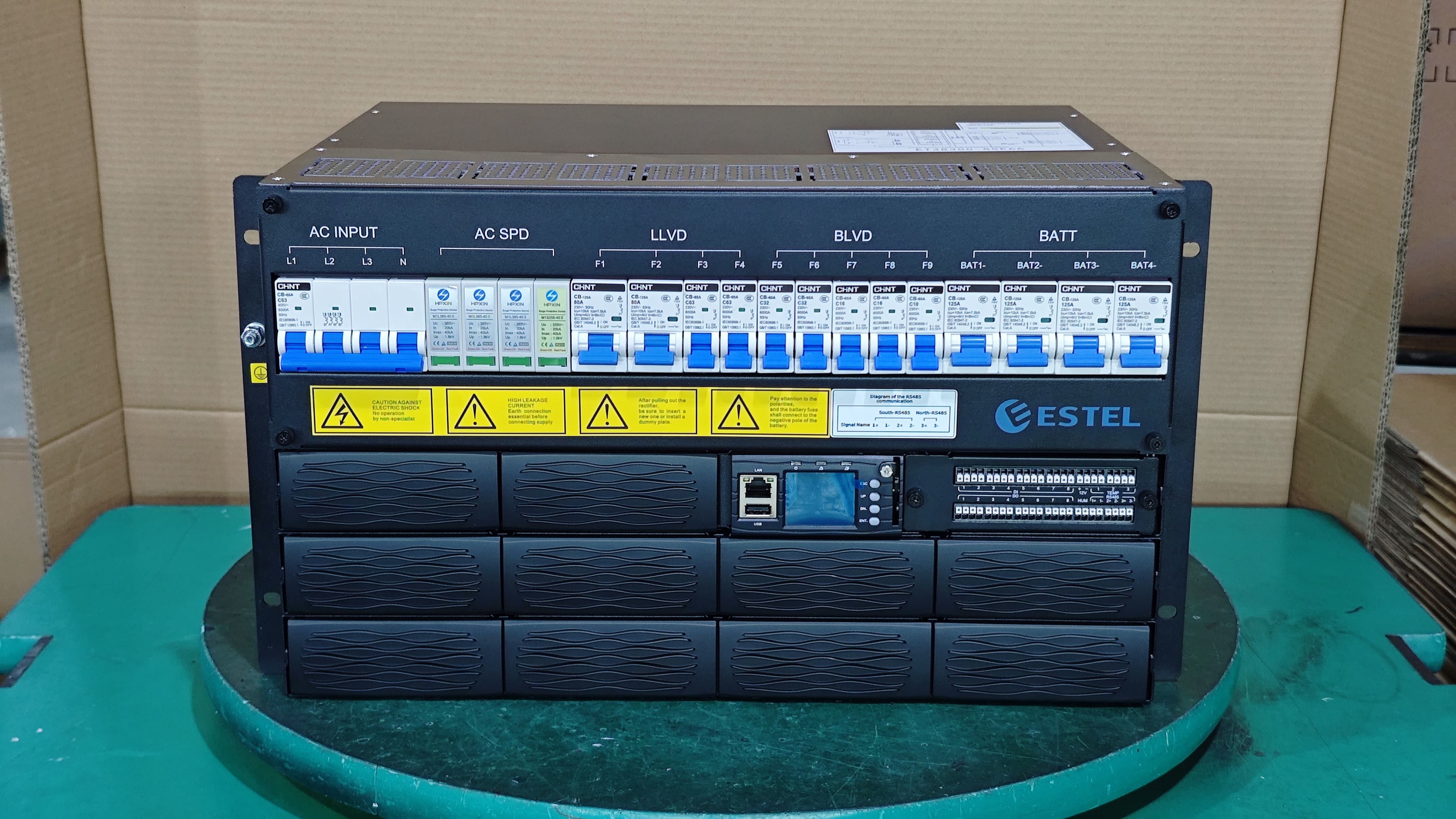
You rely on several essential parts to keep a telecommunications dc power system running smoothly. Each component plays a unique role in delivering stable power supply to your telecom equipment. Understanding these parts helps you maintain reliable operations and prevent unexpected downtime.
Rectifier: Converts alternating current from the grid into direct current. This process ensures your telecom devices receive the correct voltage and current.
Batteries: Store energy and provide backup power supply during outages. These batteries keep your network online when the main power source fails.
Controller: Monitors the performance of the entire system. You use the controller to track voltage, current, and battery status.
Distribution system: Delivers power supply to all connected telecom devices. This network ensures each piece of equipment receives the energy it needs.
Enclosure: Protects the telecommunications dc power system from dust, moisture, and other environmental hazards. The enclosure extends the lifespan of your equipment.
You see how each part works together to create a dependable power supply for your telecom infrastructure. When you choose high-quality components, you reduce the risk of failures and improve the efficiency of your systems.
Battery Backup and Management
Battery backup forms the backbone of any reliable telecommunications dc power system. You depend on these batteries to keep your network running during outages, grid failures, or natural disasters. Modern telecom systems use advanced battery technologies, such as lithium-ion and LiFePO4, which offer higher energy density and longer service life. These batteries perform well even in extreme temperatures, ensuring your network stays online in harsh conditions.
You benefit from smart battery management systems that monitor battery health in real time. These systems alert you to potential issues before they cause problems. Modular battery designs allow you to scale your backup power supply as your network grows. You can adapt quickly to changing demands without overhauling your entire setup.
Tip: Regularly check your battery management system for alerts or warnings. Early detection of battery issues helps you avoid unexpected downtime and costly repairs.
You also see improved sustainability when you integrate batteries with renewable energy sources. This approach reduces operational costs and supports green initiatives in your telecom operations.
Positive Grounding Explained
Positive grounding in telecom DC power systems is crucial for preventing corrosion and stabilizing the communication power supply. By connecting the positive terminal to the ground, it minimizes electrochemical reactions that can damage metal components, especially in environments with moisture. This practice not only protects the internal wiring and sensitive components but also enhances the longevity of the equipment, reducing maintenance costs and ensuring reliable operation.
You use positive grounding to protect your telecommunications dc power system from corrosion and electrical instability. This method connects the positive terminal of your power supply to the ground, which helps prevent damage to metal parts inside your equipment. Positive grounding also stabilizes the power supply, making your telecom systems more reliable and easier to maintain. You save money on repairs and extend the life of your telecom infrastructure by following this best practice.
ESTEL Solutions for Telecom Power
ET48300-004 Product Highlights
You need a rectifier that delivers reliable power and adapts to the demands of modern telecom infrastructure. The ET48300-004 stands out with its compact 5U height design, which saves valuable rack space and simplifies installation. You can fit this rectifier into standard 19-inch racks, making it easy to upgrade your existing setup. The dual input feature lets you connect either AC220V or DC48V, so you can maintain stable power even when grid conditions change. This design supports multipurpose use, from mobile stations to fiber transmission sites.
You benefit from a maximum output power of 18KW, which meets the needs of large-scale telecom operations. The front-accessible cable design allows for quick maintenance, reducing downtime and keeping your system running smoothly. You also get advanced battery management, which extends battery life and ensures your backup power is always ready.
Advanced Safety and Efficiency
You want a rectifier that protects your equipment and keeps your network safe. The ET48300-004 includes multiple protection mechanisms, such as input over/under voltage protection, output over-voltage protection, and short-circuit protection. These features guard your telecom infrastructure against unexpected events and electrical faults.
You also gain from high efficiency, which means less energy waste and lower operational costs. The ET48300-004 uses active power factor compensation technology to achieve a power factor greater than 0.99. This design improves energy use and reduces your carbon footprint. When you compare efficiency, you see that the ET48300-004 performs at 90-91%, which matches or exceeds many other telecom rectifiers.
Rectifier Model | Efficiency (%) |
|---|---|
ESTEL ET48300-004 | 90-91 |
Other Telecom Rectifiers | 85-93 |
You can trust this rectifier to deliver consistent performance, even in challenging environments. The hot-swappable modules let you replace parts without shutting down the system, so you keep your network online and avoid costly interruptions.
Integration and Scalability
You need a rectifier that grows with your network. The ET48300-004 features a modular design, so you can add or replace modules as your power needs change. This flexibility makes it easy to scale your system without major upgrades. The advanced rectifier technology ensures precise voltage regulation, which is essential for stable performance in expanding telecom networks.
Feature | Description |
|---|---|
Modular Design | Allows for easy expansion as power needs grow, enabling scalability in telecom networks. |
Advanced Rectifier Technology | Ensures high reliability and precise voltage regulation, essential for maintaining network stability. |
Flexibility | Modules can be added or replaced based on power requirements, minimizing downtime and simplifying maintenance. |
You also benefit from various communication ports, which support flexible networking and remote monitoring. The ET48300-004 adapts to different installation environments, so you can use it in mobile stations, satellite ground stations, or weak current distribution rooms. This design ensures your system delivers top performance as your telecom infrastructure evolves.
System Planning and Requirements
Power Load Calculation
You must start with a careful calculation of your power load before setting up a rectifier system. This step helps you avoid overloads and ensures stable operation. When you plan for a telecom installation, consider several important factors:
Battery capacity
Component ratings
Wire current limits
Voltage drops
The need to recharge the battery while running the equipment
You also need to make sure the voltage stays within the specified range for both your load equipment and batteries. Maintaining voltage during primary power source operation is essential. Always plan for reserve time in case of a power failure. This approach keeps your telecom infrastructure reliable and ready for unexpected events.
Sizing Rectifiers and Power Plants
You determine the right size for your rectifier and DC power plant by analyzing the total power demand. Look at both peak and continuous loads. This analysis ensures your rectifier can handle all demands without performance issues. You want your rectifier to manage rapid changes in load, especially during peak usage or when backup power is needed. If you size your rectifier correctly, you maintain the functionality of all connected devices and avoid downtime.
Tip: Always include a margin above your calculated load to account for future expansion or unexpected surges.
Compliance and Regulations
You must follow industry standards and local regulations when planning your rectifier system. These rules help you protect your equipment and ensure safe operation. Check that your rectifier meets all safety and performance requirements. You should also verify that your power plant follows guidelines for installation, grounding, and battery management. Staying compliant keeps your telecom system running smoothly and avoids costly penalties.
Compliance Area | What to Check |
|---|---|
Safety Standards | Equipment certifications, grounding practices |
Performance | Voltage and current stability, backup time |
Installation | Proper wiring, secure mounting, ventilation |
Installation and Integration
Pre-Installation Checklist
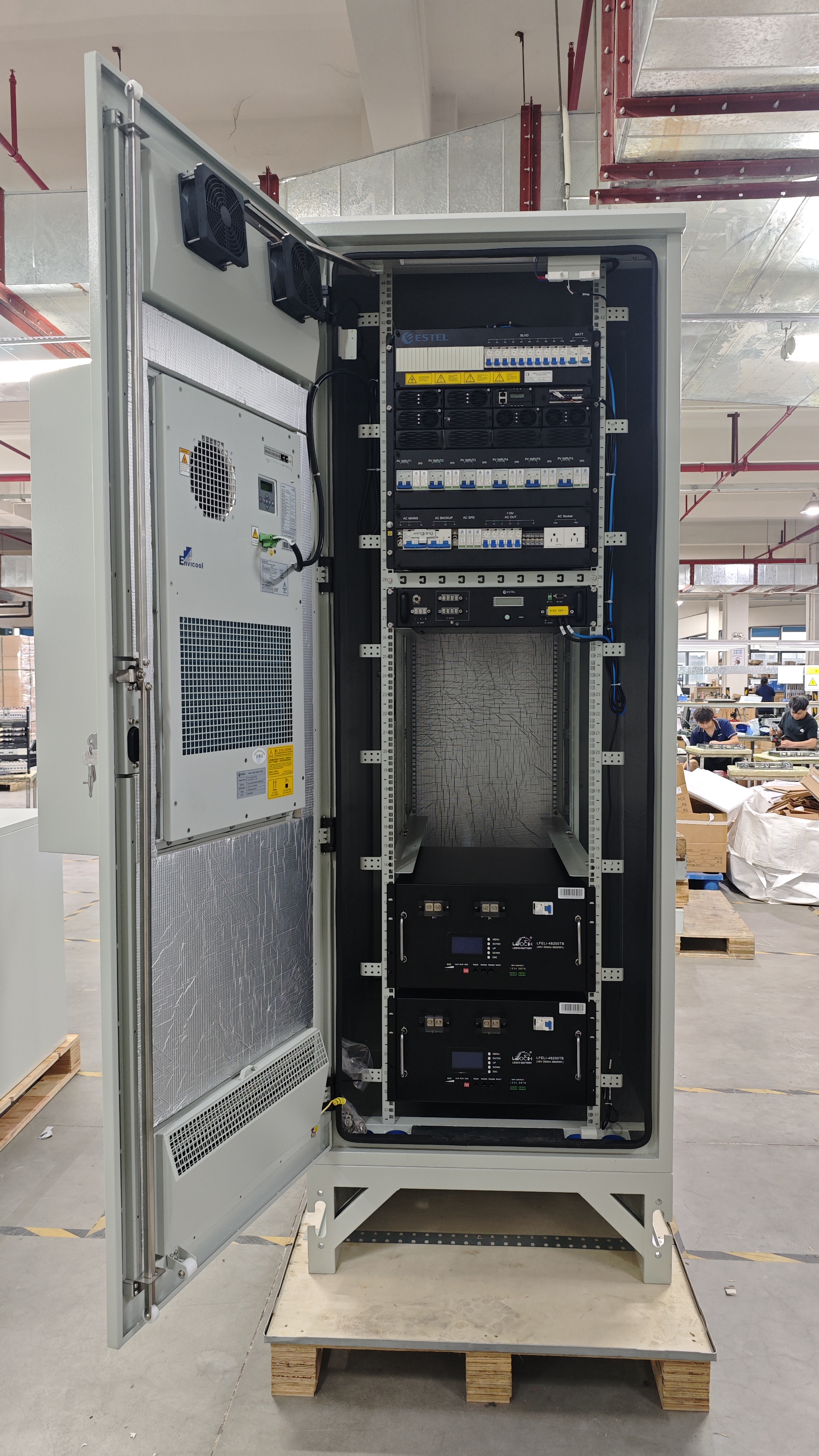
You need to prepare carefully before installing a rectifier in your telecom infrastructure. Start by using a multimeter to verify the voltage levels of the input power supply. Organize and label output cables to make future maintenance easier. Double-check the alignment of the rectifier with the rack or cabinet for even weight distribution. Schedule routine checks for the cooling system to prevent overheating. Update the rectifier’s firmware regularly to access the latest features and security improvements. Use a torque wrench to tighten all connections to the manufacturer’s specifications. If you notice fluctuations in voltage or current, recheck the wiring and load distribution. Test the backup system often to ensure it works during emergencies. Always double-check connections before powering on the rectifier to avoid short circuits.
Wiring and Mounting
Proper wiring and mounting help you maintain a safe and efficient rectifier installation. Use a multimeter to confirm voltage levels before connecting the rectifier. Select cables rated for the maximum current your power supply will deliver. Secure all connections tightly to prevent voltage drops. Organize and label output cables for easier maintenance. Use the correct mounting hardware to keep the rectifier stable. Make sure the rectifier does not shift during operation. Place the rectifier in a well-ventilated area to prevent overheating. Inspect and maintain cooling systems regularly to ensure proper airflow.
Tip: Well-organized wiring reduces troubleshooting time and improves overall safety.
Connecting to Telecom Equipment
Follow these steps to connect your telecom equipment to the 48V DC power system:
Prepare the cables by stripping insulation from the ends. Match the exposed wire length to the user manual’s specifications.
Attach input cables to the designated terminals on the rectifier modules. Match the polarity as described in the manual to prevent electrical faults.
Secure output cables to the corresponding terminals. Tighten connections to avoid loose ends, which can cause overheating or power loss.
Inspect all cable connections for wear, corrosion, or improper installation. Replace damaged cables immediately to maintain system integrity.
A careful installation process ensures your rectifier delivers reliable power to your telecom equipment and supports the stability of your telecom infrastructure.
Safety and Reliability
Essential Safety Practices
You must follow strict safety practices when working with a rectifier in a telecom environment. Specialized training prepares you for unique risks that come with handling DC power. You need to recognize and prevent electrical shock, arc flash, and arc blast. Mastery of OSHA regulations specific to telecom helps you stay compliant and safe. Always use practical mitigation strategies, such as Lockout/Tagout (LOTO) and proper selection of personal protective equipment (PPE).
Identify electrical hazards in both AC and DC applications before starting work on a rectifier.
Use PPE designed for arc flash protection when working near live circuits.
Follow safe work procedures to prevent injury or fatality.
Understand the hazards associated with DC battery systems and backup power.
Establish safe protocols for non-energized circuits and standby generators.
Make sure grounding systems protect both equipment and personnel.
You protect yourself and your telecom infrastructure by following these essential safety steps every time you install or maintain a rectifier.
Redundancy and Backup
You improve the reliability of your rectifier setup by using redundancy models. These models help you avoid downtime and keep your power supply stable. The two most common redundancy models are N+1 and 2N.
Redundancy Model | Description | Benefits | Drawbacks |
|---|---|---|---|
N+1 | Adds one extra rectifier to the required number | Balances cost and protection | Vulnerable to multiple failures |
2N | Duplicates the entire rectifier system | Ensures uninterrupted service | Requires higher investment and space |
You also benefit from telecom cabinets that protect your rectifier and other critical equipment from environmental hazards and overheating. This protection reduces the chance of system failures and increases network uptime. Intelligent monitoring tools help you spot issues early, so you can keep voltage and current levels stable and resolve faults quickly.
Maintenance Tips
You extend the life of your rectifier and power components by following a regular maintenance routine. Dust and humidity can damage your rectifier, so clean all components often. Schedule comprehensive inspections to catch problems early and replace any suspicious parts right away.
Inspect and check all rectifier components regularly.
Clean dust from the rectifier and check that fans work properly.
Test battery backup and ensure good ventilation around your rectifier.
Schedule maintenance checks with certified professionals.
Conduct preventative maintenance at least twice a year.
Improve airflow to reduce heat and humidity stress.
Test switches and circuit breakers in your rectifier system every year.
By following these tips, you keep your rectifier running smoothly and support the reliability of your telecom infrastructure.
Testing and Troubleshooting
System Testing Steps
You must test your rectifier after installation to ensure reliable power delivery. Start by following a structured approach. Use the table below to guide your process:
Testing Method | Description |
|---|---|
DC Power Testing | Gradually increase load and record voltage/current response. |
Dynamic Response and Transient Testing | Measure how quickly the rectifier reacts to sudden load changes. |
Ripple and Noise Testing | Use an oscilloscope to measure unwanted fluctuations in DC output. |
Reliability and Durability Testing | Test the rectifier under extreme conditions to confirm long-term performance. |
You should document each result. This practice helps you track the rectifier’s performance and spot trends that may affect your telecom infrastructure.
Common Issues
You may face several common problems with your rectifier and power system. Here are the most frequent issues:
Poor earthing practices can introduce noise and unpredictable fault paths.
Undersized cabling and voltage drop oversights often cause failures.
Incorrect charger configuration and system design lead to operational problems.
Poor load segmentation may result in cascading outages.
Autonomy miscalculations affect battery backup during emergencies.
You can prevent many of these issues by following best practices during installation and regular maintenance.
Troubleshooting Guide
You need a clear plan when troubleshooting your rectifier. Follow these steps:
Identify the alarm type on the rectifier.
Refer to the manual for troubleshooting steps.
Inspect the affected area or component.
Reset the alarm after you resolve the issue.
Record the event in your maintenance log.
Always turn off the power before touching internal components. Use genuine replacement parts to maintain reliability. Never bypass safety protocols during installation or troubleshooting.
If you see repeated failures or unclear error messages, contact a certified technician. Experts have advanced tools and experience with rectifier systems. They ensure safe repairs and compliance with industry standards.
You gain many advantages when you choose a robust 48V DC rectifier for your telecom infrastructure. These rectifiers offer cross-vendor compatibility, easier expansion, and simplified maintenance. Advanced solutions like the ESTEL ET48300-004 provide modular design, high energy efficiency, and advanced monitoring, which help you keep your power system reliable. Regular inspection, battery monitoring, and seasonal maintenance protect your power and rectifier investment. For more knowledge, explore resources on telecom DC power, rectifier safety, and system upgrades to keep your network strong.
FAQ
What does a rectifier do in a telecom power system?
A rectifier changes alternating current into direct current. You use it to supply stable power to your telecom infrastructure. This process protects your equipment and keeps your system running during outages.
How do you choose the right rectifier for your power needs?
You start by checking your total power demand. Look at the maximum load your system will handle. Select a rectifier that matches or exceeds this value. Always consider future growth in your telecom infrastructure.
Why is rectifier efficiency important for power systems?
High efficiency means less energy loss. You save on operational costs and reduce heat in your system. Efficient rectifiers also help your power supply last longer and support reliable telecom operations.
How often should you maintain your rectifier?
You should inspect your rectifier at least twice a year. Clean dust, check connections, and test backup power. Regular maintenance keeps your system safe and extends the life of your rectifier.
Can you replace a rectifier module without shutting down the power?
Yes, you can swap out a rectifier module while the system stays online. Hot-swappable rectifiers let you maintain power to your telecom infrastructure. This feature reduces downtime and keeps your network stable.
See Also
Essential Insights Into Telecom Power Supply Systems For Beginners
Tips For Maintaining Reliable Power Supply In Telecom Cabinets
Key Features Of Telecom Power Supply Systems You Should Know
Calculating Power Systems And Battery Needs For Telecom Cabinets
Understanding The Use Of -48VDC In Telecom Cabinets Explained
CALL US DIRECTLY
86-13752765943
3A-8, SHUIWAN 1979 SQUARE (PHASE II), NO.111, TAIZI ROAD,SHUIWAN COMMUNITY, ZHAOSHANG STREET, NANSHAN DISTRICT, SHENZHEN, GUANGDONG, CHINA
