Edge Computing Node Power Adaptation of Telecom Rectifier Systems: Custom Solution for Low Power+High Reliability


You need a custom solution to adapt the Telecom Rectifier System for edge computing nodes. This approach delivers low power consumption and high reliability. Edge computing adoption continues to grow in telecom. The demand for faster data processing and reduced latency drives this trend. You see this reflected in spending:
Year | Total Annual Spend (in billion USD) | CAGR (%) |
|---|---|---|
2022 | 5.4 | N/A |
2027 | 11.6 | 16.7 |
ESTEL provides innovative power systems designed for edge environments. You face unique challenges powering edge nodes. Stable power and efficient conversion become essential for distributed computing and low-latency applications.
Key Takeaways
Adopt modular power systems to easily scale your edge computing nodes as demand grows. This flexibility helps avoid overprovisioning and reduces costs.
Ensure high reliability by using advanced monitoring features and redundancy in your power systems. This approach minimizes downtime and keeps your network operational.
Consider environmental factors when designing your edge power solutions. Ruggedized equipment protects against harsh conditions and enhances system longevity.
Choose efficient power systems to lower energy costs and improve operational efficiency. This leads to better resource allocation and supports sustainability goals.
Plan for future growth by selecting customizable power solutions. This strategy allows you to adapt your systems as technology and network demands evolve.
Edge Power Challenges and Requirements
Unique Demands of Edge Computing Nodes
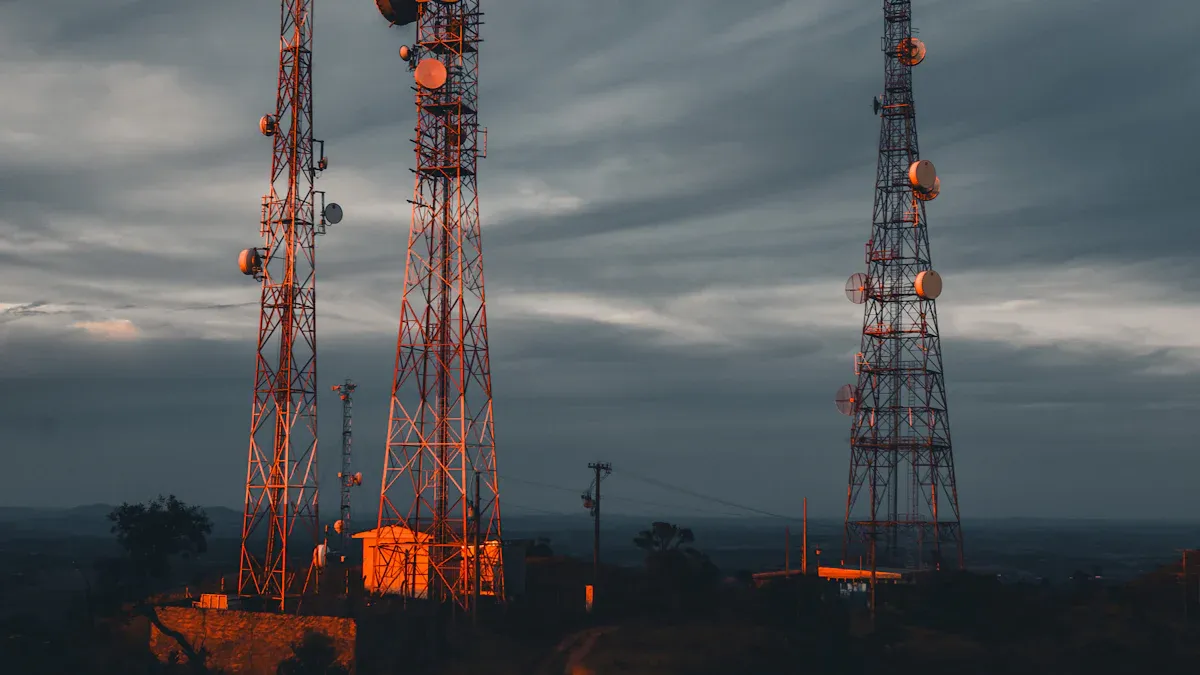
You face unique challenges when powering edge computing nodes. Unlike traditional telecom sites, edge nodes must operate continuously to deliver low-latency performance. This requirement means you need power systems that can handle constant workloads without interruption. Outdoor telecom cabinets often include power distribution units, surge protection, and backup systems. These features help you maintain uninterrupted operation and reduce downtime from power fluctuations or harsh environmental conditions.
Edge computing nodes also demand resilience and operational efficiency. As you deploy more nodes to support 5G and advanced technologies, you must prioritize systems that can adapt to distributed architectures. The Telecom Rectifier System plays a key role here, offering the flexibility and reliability needed for these evolving networks.
Note: You should always consider the impact of the environment on your edge power needs. Factors like temperature, humidity, and exposure to the elements can affect system performance and longevity.
Environmental factors significantly influence the power needs of edge computing nodes, especially in IoT-based environmental monitoring.
Energy consumption by data centers is projected to triple in the next decade, currently consuming 3% of US electricity production.
Approximately 2% of total greenhouse gas emissions globally are attributed to energy used by data centers.
Reliability and Efficiency Needs
You cannot compromise on reliability when it comes to edge power. Edge nodes often operate in remote or harsh environments, so you need systems that can withstand these challenges. High efficiency is also essential. Efficient power systems reduce energy loss, lower operational costs, and support sustainability goals.
You should look for solutions that combine robust hardware with smart design. Features like modularity, flexible input voltage, and strong output performance help you meet the demands of modern edge computing. By choosing the right power system, you ensure your edge nodes stay online and perform at their best, even under tough conditions.
Telecom Rectifier System Adaptation for Edge Nodes
Modularity and Scalability
You need power systems that can grow with your network. Edge computing nodes often start small but expand quickly as demand increases. A modular design lets you add or remove power modules based on your needs. This approach keeps your system efficient and avoids wasting energy.
Here is a table that shows how modularity supports edge deployments:
Feature | Details |
|---|---|
Scalability | Modular design allows easy scaling and maintenance |
Redundancy | Supports configurations that minimize downtime |
Hot-swappable modules | Enable maintenance without service interruptions |
Space efficiency | Provides high power density in a smaller footprint |
Energy efficiency | Allows modules to operate closer to their optimal load |
You benefit from hot-swappable modules. You can replace or upgrade parts without shutting down your edge node. This feature keeps your network running and reduces service interruptions. You also save space because modular systems fit into compact cabinets. You can install only what you need and expand later.
A modular Telecom Rectifier System gives you flexibility. You can right-size your power system for each site. This means you avoid overprovisioning and keep costs low. As your edge network grows, you simply add more modules.
Integration with ESTEL Solutions
You want a power system that matches the unique demands of edge computing. The Telecom Rectifier System from ESTEL meets these needs with high efficiency, flexible input voltage, and robust output. You get a system that adapts to different power sources and delivers stable DC48V output, which is essential for telecom equipment.
ESTEL’s solution uses advanced technology to boost efficiency. Some systems reach efficiency levels up to 99% with modern semiconductors. You reduce energy loss and lower your operating costs. The system’s advanced monitoring features help you track performance and spot issues early. This keeps your edge nodes reliable and easy to maintain.
You also get strong thermal management. The system handles heat well, which protects your equipment and extends its life. You can trust the Telecom Rectifier System to work in harsh environments, from remote roads to mountain sites.
Here is a summary of key features that help you adapt to edge requirements:
Advanced monitoring for reliability
Effective thermal management
Consistent performance in demanding environments
Seamless integration with edge computing applications
You can find more details about ESTEL’s Telecom Rectifier System on their official product page. This resource gives you technical specifications and helps you choose the right configuration for your edge deployment.
Tip: Choose a Telecom Rectifier System that matches your current needs but can scale as your network grows. This strategy saves money and ensures long-term reliability.
Overcoming Traditional Limitations
Addressing Overprovisioning and Inefficiency
You may notice that traditional power systems often struggle to meet the demands of edge computing. These older systems come with several limitations:
Fixed capacity, making expansion difficult.
Low conversion efficiency at partial loads.
A single failure can impact the entire system.
Long maintenance times leading to high operational costs.
When you use a traditional setup, you might end up with more power than you need. This overprovisioning wastes energy and increases costs. Modern solutions, like the Telecom Rectifier System, help you avoid these problems. You can see how new features address these challenges in the table below:
Feature | Benefit |
|---|---|
Modular Design | Enables precise right-sizing of power systems, avoiding excess capacity and reducing waste. |
High Efficiency | Operates at efficiencies exceeding 95%, minimizing heat generation and supporting green initiatives. |
Hot-Swappable Modules | Allows for maintenance without downtime, ensuring reliability in edge deployments. |
High Power Density | Reduces need for extensive cabling and cooling, lowering operational costs and improving energy efficiency (PUE). |
With these improvements, you can scale your power system as your network grows. You also reduce downtime and keep your edge nodes running smoothly.
Environmental Hardening for Edge Sites
Edge sites often face harsh conditions. You need to protect your equipment from the environment to ensure reliable operation. Several techniques help you achieve this:
Ruggedized enclosures shield devices from rain, dust, and extreme temperatures.
Redundant power supplies keep your systems running even if one source fails.
Temperature and humidity sensors monitor the environment and alert you to potential problems.
Fire suppression systems reduce the risk of fire damage.
Flood sensors detect water intrusion early.
Physical security features, such as intrusion detection systems, prevent unauthorized access.
By using these strategies, you can keep your edge sites safe and operational. You ensure that your network delivers consistent performance, even in challenging locations.
Custom Strategies for Reliable Edge Power
Right-Sizing with ESTEL Power Systems
You can improve reliability at your edge sites by right-sizing your power systems. This means you match the power supply to the actual needs of each edge node. You avoid waste and reduce costs. ESTEL’s modular approach lets you add or remove power modules as your network grows or changes. You get a system that fits your current requirements and can expand when needed.
When you right-size your power system, you gain several advantages:
You distribute energy needs across many edge nodes. This makes your network more resilient.
You optimize backup systems for each site. This ensures every node gets the support it needs.
You enhance energy efficiency. Localized power management reduces losses and supports continuous operation.
The table below shows how right-sizing with ESTEL power systems benefits your edge computing environment:
Benefit | Description |
|---|---|
Enables instant analysis and action for efficient operations. | |
Reduced Latency | Facilitates faster responses by processing data near the equipment. |
Enhanced Operational Efficiency | Allows for early fault detection and better resource allocation. |
Advanced Monitoring and Redundancy
You need to monitor your power systems closely to ensure reliability. ESTEL’s solutions offer advanced monitoring features. You can track performance in real time and detect problems early. This helps you prevent outages and maintain uptime.
Redundancy is another key strategy. You can set up backup modules or parallel systems. If one part fails, another takes over. This keeps your edge nodes running without interruption. The Telecom Rectifier System supports these features, making it ideal for critical edge applications.
The following table highlights the benefits of advanced monitoring and redundancy:
Benefit | Description |
|---|---|
Continuous Availability | Ensures systems remain operational even if individual components fail. |
Disaster Recovery | Protects against localized disruptions by replicating data across multiple locations. |
Load Balancing | Improves performance by distributing workloads across multiple nodes during peak usage. |
Reduced Downtime | Minimizes downtime through automatic failover between redundant components. |
Business Continuity | Maintains proper service levels during technical disruptions, protecting revenue and customer experience. |
Tip: Combine right-sizing, monitoring, and redundancy for the best results. You will see improved reliability and lower costs.
Real-World Example
You can see the impact of these strategies in real deployments. For example:
Case Study Description | Outcome |
|---|---|
Rural telecom operator in Southeast Asia | 35% reduction in operational costs and improved service reliability |
European telecom provider upgrading to 5G | 20% improvement in network uptime and reduced maintenance costs |
These results show how custom power strategies with ESTEL solutions deliver real benefits for edge computing.
Benefits and Implementation Guidance
Efficiency, Cost Savings, and Uptime
You gain many advantages when you deploy efficient power systems at your edge sites. Improved efficiency leads to lower energy bills and better use of resources. You also see less downtime, which means your network stays online longer. Here are some key benefits you can expect:
You save money through predictive maintenance and smarter resource allocation.
You reduce downtime by detecting problems early and using local control.
You achieve better equipment uptime, which keeps your services running smoothly.
You lower data transport costs because you send fewer megabytes over the network.
You cut cellular and WAN usage fees.
You need fewer physical site visits since local automation handles many tasks.
You process data in real time, which reduces latency and improves user experience.
These benefits help you build a reliable and cost-effective edge network. You also support your sustainability goals by using less energy and reducing waste.
Steps for Deploying ESTEL Solutions
You can follow a clear process to deploy ESTEL power systems for your edge computing needs:
Choose rapid deployment solutions like the Telecom Rectifier System to speed up installation.
Select modular systems that arrive pre-assembled to reduce errors and save time.
Use high-efficiency rectifiers to lower your energy costs.
Integrate supply chain activities for smoother deployment and fewer delays.
Adopt project management tools such as Scrumban to improve team collaboration.
Plan for future growth with modular designs that let you add or replace modules easily.
You may face some technical challenges during deployment. The table below shows common issues and what they mean for your project:
Technical Challenge | Description |
|---|---|
Autonomous Operation | Each device must work independently from the main grid. |
Load Supply | Devices must provide power under normal conditions. |
Stability | Inverters must stay stable during parallel operation and events. |
You should also check for international safety certifications like UL, CE, and NEMA/IP ratings. These standards ensure your equipment is safe, reliable, and ready for outdoor use.
Tip: Careful planning and the right tools help you overcome challenges and get the most from your ESTEL power system.
You gain clear advantages by adapting telecom rectifier systems for edge computing nodes. ESTEL’s custom solutions deliver low power use and high reliability. You can evaluate their suitability by considering these points:
Modular designs for easy growth
Advanced tools for monitoring power
You should also review the latest innovations:
Innovation Type | Description |
|---|---|
Steady power for IoT and energy tracking | |
AI and Automation | Self-checking and predictive maintenance |
Hybrid Power Systems | Combine renewables with rectifiers for better efficiency |
Consult ESTEL’s experts to match your needs, assess equipment, and choose the best cooling and maintenance options. Explore their product range and get tailored advice for your edge deployments.
FAQ
What makes ESTEL’s Telecom Rectifier System suitable for edge computing nodes?
You get high efficiency, modular design, and flexible input voltage. The system adapts to different environments and supports reliable operation. You can scale your power setup as your network grows.
How do you ensure reliable power in harsh outdoor conditions?
You use rugged outdoor cabinets, advanced monitoring, and redundancy. These features protect your equipment from weather, dust, and temperature changes. You keep your edge nodes running smoothly.
Can you expand your power system as your edge network grows?
Yes, you can add modules to your ESTEL rectifier system. The modular design lets you increase capacity without replacing the whole system. You save money and avoid downtime.
Where can you find technical details and support for ESTEL products?
Resource | Description |
|---|---|
Product Website | Technical specs and features |
Support Email | info@estel.com.cn |
Phone | 00-86-13752765943 |
You can contact ESTEL for expert advice and custom solutions.
See Also
Ensuring Consistent Power Supply for Telecom Equipment Cabinets
Integrating Solar Inverters and Batteries for Telecom Cabinets
Solar Energy Storage Solutions for Telecom Cabinet Power
Calculating Power Systems and Battery Needs for Telecom Cabinets
CALL US DIRECTLY
86-13752765943
3A-8, SHUIWAN 1979 SQUARE (PHASE II), NO.111, TAIZI ROAD,SHUIWAN COMMUNITY, ZHAOSHANG STREET, NANSHAN DISTRICT, SHENZHEN, GUANGDONG, CHINA
