Integration of Telecom Rectifier Systems with AI O&M Platforms: Energy-Saving Assistant for Auto-Generated Optimization Suggestions

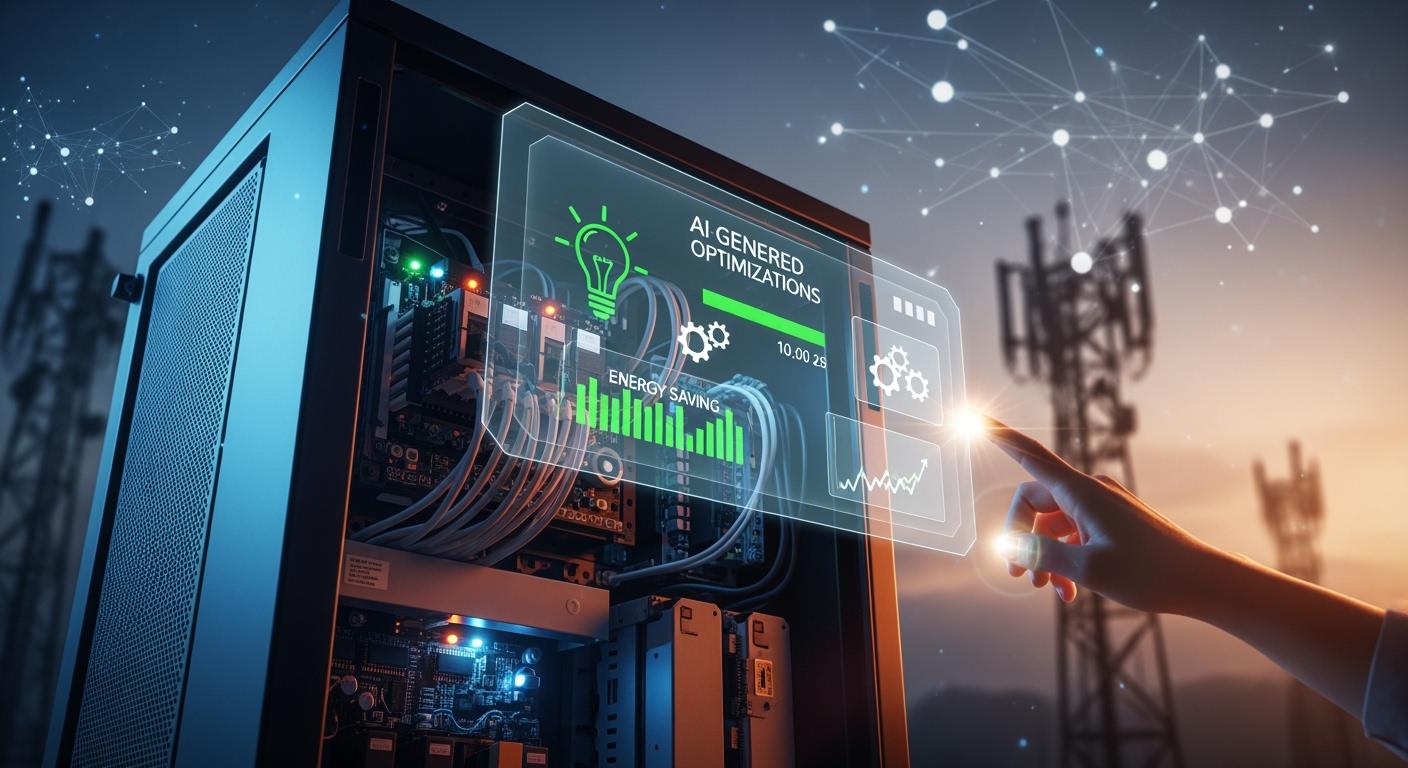
You can transform your network’s energy efficiency by integrating AI O&M platforms with your Telecom Rectifier System. This smart approach delivers real-time, actionable suggestions that help you cut costs and boost sustainability. ESTEL leads in providing these advanced power solutions. For example, you may see over $600 in annual energy savings per cabinet and a 25-35% drop in O&M costs. The table below shows how these savings add up across your network.
Metric | Statistic | Explanation |
|---|---|---|
Average O&M Cost Reduction | 25-35% reduction | Achieved through energy savings and hybrid power integration. |
Annual Energy Savings per Cabinet | Over $600 saved | Upgrading from 92% to 96% efficiency cuts nearly 4,000 kWh yearly. |
Network-wide Savings | Millions of dollars | Savings scale across large telecom networks. |
Key Takeaways
Integrating AI with Telecom Rectifier Systems can save over $600 annually per cabinet and reduce operational costs by 25-35%.
Real-time monitoring helps detect power issues early, improving reliability and reducing downtime in your network.
AI generates actionable energy-saving suggestions, optimizing voltage levels and maintenance schedules automatically.
Using energy-efficient rectifiers can cut energy consumption by 20% and maintenance costs by up to 25%.
Adopting AI-driven solutions supports sustainability goals while enhancing network performance and reducing costs.
AI Optimization for Telecom Rectifier System
Real-Time Monitoring and Analysis
You can transform the way you manage your power infrastructure by using AI-driven real-time monitoring in your Telecom Rectifier System. This approach gives you immediate access to critical data, allowing you to make informed decisions and respond quickly to changes in your network. Real-time monitoring does more than just track numbers—it actively improves performance and reliability. Here is how it benefits your operations:
Early detection of power issues allows you to act before outages occur.
Monitoring environmental conditions helps you maintain optimal settings, which extends the lifespan of your equipment.
Reduced mean time to repair (MTTR) means you can respond to incidents faster, minimizing downtime.
Predictive maintenance lets you schedule repairs during low-traffic periods, reducing service disruptions.
Automation and edge response enable your system to handle some issues locally, increasing reliability without waiting for central intervention.
AI platforms analyze a wide range of data from your Telecom Rectifier System to optimize energy use. The table below shows the main types of data these platforms process:
Type of Data | Description |
|---|---|
Performance metrics | Tracks the efficiency and stability of power delivery in rectifier systems. |
Historical data | Used for predictive maintenance by identifying patterns and potential failures. |
Real-time monitoring data | Continuously assesses system performance to optimize energy use and detect issues early. |
By collecting and analyzing this data, you can spot trends, predict failures, and adjust your system for maximum efficiency.
Auto-Generated Energy-Saving Suggestions
You gain a powerful advantage when you combine AI with your Telecom Rectifier System. AI platforms do not just monitor—they generate actionable suggestions that help you save energy and reduce costs automatically. These suggestions might include adjusting voltage levels, scheduling maintenance, or optimizing load distribution based on real-time demand.
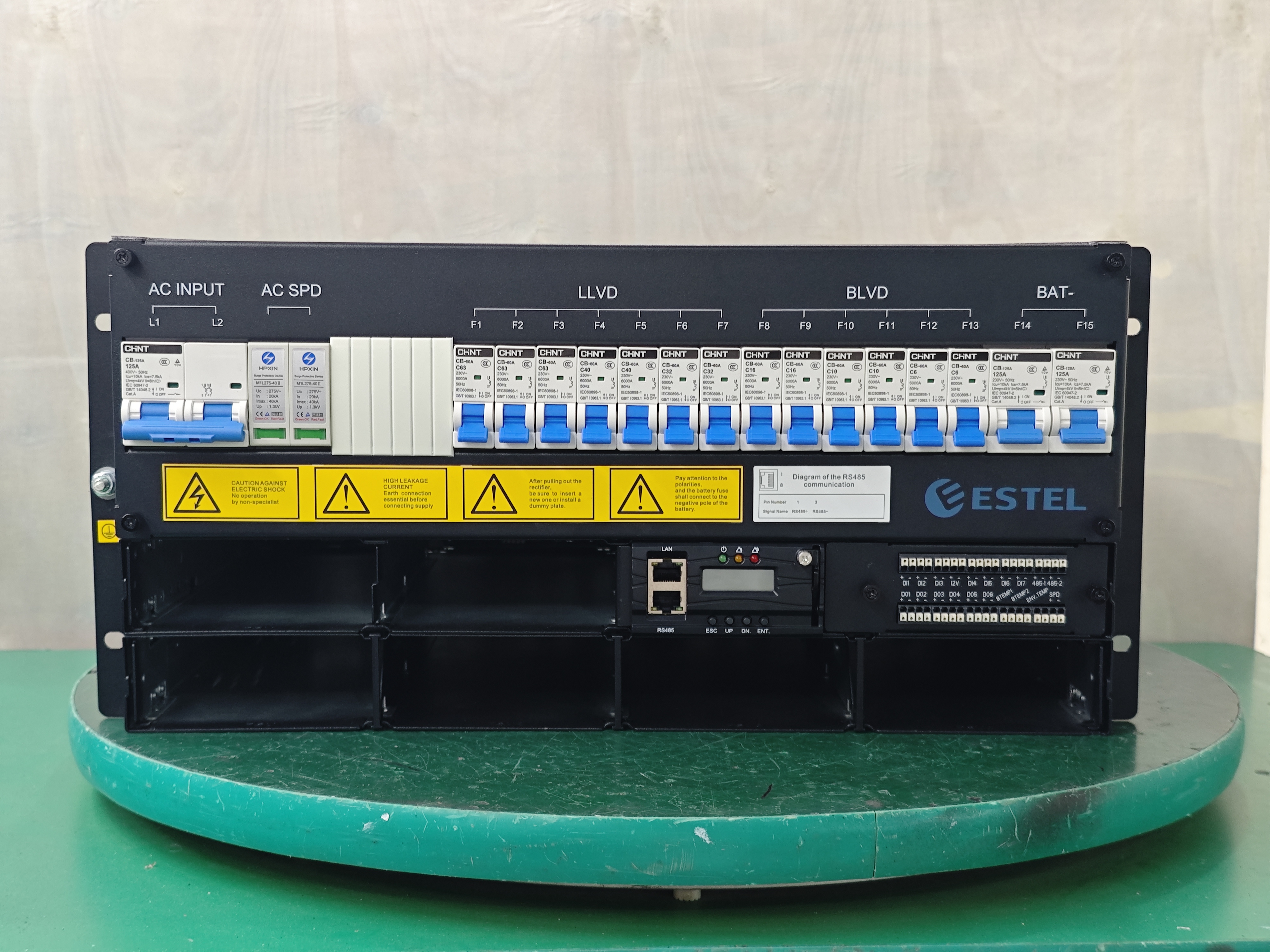
ESTEL’s Telecom Rectifier System supports seamless AI integration through several advanced features:
AI-powered rectifiers analyze performance data in real time, enabling predictive maintenance and optimizing energy usage.
Integration of AI and IoT automates tasks like energy monitoring and bandwidth allocation, which improves operational efficiency.
Machine learning algorithms adapt to changing network demands, enhancing the reliability and efficiency of your power systems.
The modular design of ESTEL’s systems makes it easy for you to scale and upgrade as your network grows. High efficiency rates—often exceeding 96%—mean you use less energy and lower your operational costs. Flexible input voltage options ensure compatibility with different power sources, so you can deploy these systems in a variety of environments.
When you use AI optimization with ESTEL’s Telecom Rectifier System, you do not just keep your network running—you make it smarter, greener, and more cost-effective.
Rising Energy Demands in Telecom
Challenges in Power Management
You face a rapidly growing demand for energy in the telecom sector. Telecommunication networks now consume several hundred terawatt hours of electricity each year. This accounts for up to 2% of the world’s total electrical energy use. You must also power not only network equipment but also building operations like heating and air conditioning. These needs make power management more complex and costly.
Telecommunication networks are among the largest energy consumers in developed countries.
Annual energy demand in this sector often reaches several terawatt hours.
You must consider both direct equipment power and supporting infrastructure like cooling systems.
Rising energy demands have a direct impact on your operational costs. The table below shows how these trends affect your bottom line:
Evidence Description | Value |
|---|---|
Average renewable energy sourcing above local markets | 11 percentage points |
Estimated revenue reduction due to extreme weather events | 50 basis points |
Reputational revenue risk reported by one operator | 400 basis points |
Expected increase in telecom service usage due to climate change | 2-3% |
Expected revenue boost from increased usage | 1-2% |
You need solutions that help you manage these challenges efficiently. ESTEL’s hybrid power systems combine renewable and conventional energy sources for better reliability and cost control. Advanced monitoring technologies give you real-time data, so you can act before problems grow. These features help you reduce your reliance on fossil fuels and lower greenhouse gas emissions.
Importance of Energy Efficiency
Energy efficiency is critical for your operations. It helps you save money and protect the environment. Companies like Telefónica have shown that you can reduce energy consumption by over 60% per petabyte of data. They also increased their use of renewable energy and cut greenhouse gas emissions by more than a third.
When you use energy-efficient solutions like the Telecom Rectifier System from ESTEL, you see measurable improvements. For example, IBM achieved 30% energy savings in its data centers by using real-time monitoring. The U.S. General Services Administration saved $13.5 million annually and reduced energy use by 41%. You can also expect fewer outages, lower maintenance costs, and better network uptime.
Tip: Investing in energy-efficient power systems supports your sustainability goals and improves your bottom line.
Integration Process with AI O&M Platforms
Key Steps for Integration
You can follow a clear process to connect your Telecom Rectifier System with an AI O&M platform. This process helps you get the most value from your investment and ensures smooth operation. The table below outlines the main steps you should take:
Step/Criteria | Description |
|---|---|
Evaluate Current Infrastructure | Review rectifier modules, batteries, and monitoring systems for wear and damage. |
Monitor Operating Conditions | Keep temperatures between 68°F and 77°F for optimal efficiency. |
Use IoT-Enabled Modules | Implement real-time monitoring for voltage, current, and temperature. |
Select Energy Efficient Solutions | Aim for at least 99% energy efficiency to minimize losses. |
Implement Predictive Maintenance | Use AI to monitor performance and predict failures, reducing downtime. |
Ensure Compliance | Meet industry safety and compliance standards. |
Provide Ongoing Training | Utilize resources for setup assistance and regular training sessions. |
You should start by checking your current equipment and making sure it is in good condition. Next, use IoT-enabled modules for real-time data collection. Choose energy-efficient solutions to save power. AI can help you predict problems before they happen. Always follow safety rules and train your team regularly.
A real-world example shows how this process works. A rural telecom operator in Southeast Asia used ESTEL’s hybrid power systems. They saw a 35% drop in operational costs and better service reliability. In Europe, a telecom provider upgraded to 5G with ESTEL’s rectifier systems. This led to a 20% improvement in network uptime and lower maintenance costs.
Technical Considerations for ESTEL Systems
You need to address several technical points when integrating ESTEL systems with AI O&M platforms. ESTEL’s modular design makes this easier. You can scale your system as your network grows. You can also reuse existing modules, which saves time and money. The table below highlights the main benefits:
Benefit | Description |
|---|---|
Scalability | Modular designs enable the construction of multi-scale models, adapting to varying power needs. |
Reusability | Existing models can be reused, minimizing redundant development efforts. |
Efficiency | Optimized workflows enhance simulation performance and reduce computational costs. |
You should also consider network compatibility. Some controllers may not support certain protocols, or there may be speed mismatches. Make sure your network settings are correct to avoid errors. Use encrypted communication and strong authentication to keep your data safe. Update your software often and monitor access logs for any unusual activity.
Tip: Develop an API strategy and use middleware to connect older systems with new AI platforms. This approach helps you modernize your network step by step.
By following these steps and considering these technical points, you can integrate your Telecom Rectifier System with AI O&M platforms smoothly and efficiently.
Benefits of AI-Driven Rectifier Systems
Cost and Energy Savings
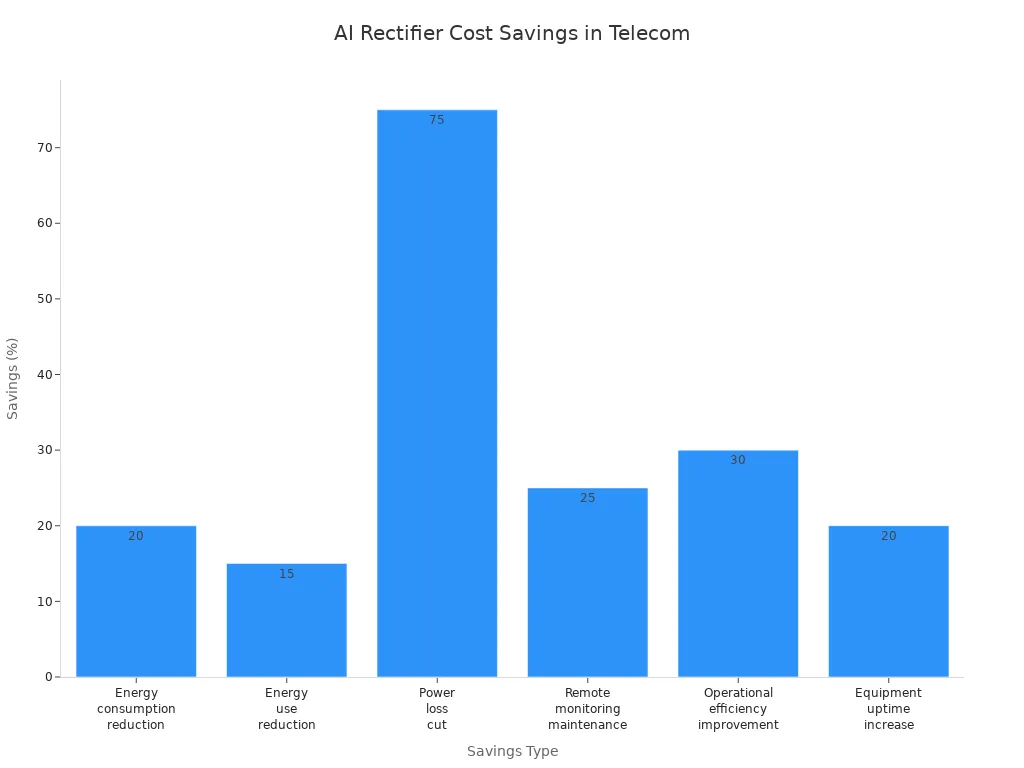
You can achieve significant cost and energy savings by using AI-driven rectifier systems in your telecom network. These systems help you cut energy consumption, reduce maintenance expenses, and improve operational efficiency. When you install ESTEL’s high-efficiency rectifiers, you may see a 20% drop in energy use and up to 75% less power loss compared to older systems. Remote monitoring and automation can lower your maintenance costs by as much as 25%. You also benefit from improved equipment uptime, which means fewer disruptions and more reliable service.
Here is a summary of the quantifiable savings you can expect:
Evidence Description | Quantifiable Savings |
|---|---|
Reduction in energy consumption after installing ESTEL rectifiers | 20% |
Cut in power loss by high-efficiency rectifiers | Up to 75% |
Maintenance cost savings from remote monitoring capabilities | Up to 25% |
Improvement in operational efficiency | 30% |
Increase in equipment uptime | 20% |
Maintenance costs reduced to about | 7% of traditional systems |
Many telecom operators have already seen these benefits. For example:
A provider in the MENA region identified a 27% savings opportunity by optimizing resource allocation.
Another operator reduced costs to industry benchmarks after renegotiating contracts.
A large telecom consolidated managed services and cut project costs by about 12%.
Sustainability and Reliability
You support your sustainability goals when you choose ESTEL’s high-efficiency rectifier systems. These systems use advanced technology to save up to 6% more energy and lower your carbon footprint. You can also integrate them with renewable energy sources like solar panels and wind turbines, making your network greener.
High power non-magnetic rectifier cabinets contribute to this goal by improving energy efficiency and reducing environmental impact. These cabinets are designed to integrate seamlessly with renewable energy sources, such as solar panels and wind turbines.
You also improve network reliability. AI-driven predictive alerts help you monitor your system in real time and respond quickly to issues. This approach can reduce downtime by up to 50% and cut maintenance costs by as much as 30%. Automated alerts and machine learning make it easier to detect problems early, so you can keep your network running smoothly.
Feature | Benefit |
|---|---|
Significant savings over time | |
Environmental Impact | Minimizes energy losses |
You invest in a solution that not only saves money but also supports a cleaner, more reliable telecom network.
Future Trends and Recommendations
Emerging AI Technologies
You will see major changes in telecom rectifier systems over the next five years. Regulatory pressures and ESG mandates are pushing telecom companies to rethink their power strategies. Companies like Orange and Telefónica have set goals to reach net-zero carbon emissions by 2040. This shift has led to early investments in hydrogen fuel cell integration and hybrid power systems. You will soon need to manage solar inverters, fuel cells, and remote monitoring as part of your network.
AI will play a bigger role in these changes. You will use AI to improve rectifier performance, focusing on predictive maintenance and higher efficiency. Smart power systems will become common in automated factories and smart grids. These systems will demand more efficient rectifiers and advanced monitoring.
Technology Type | Description |
|---|---|
AI Integration | AI improves power electronics, enabling predictive maintenance and boosting efficiency. |
Smart Power Systems | AI-driven automation in factories and smart grids increases the need for efficient rectifiers. |
You will also see more adaptive power systems that can use different energy sources, including renewables, to meet modern demands.
Steps for Telecom Operators
You can prepare for these trends by taking practical steps now. Many operators are already integrating AI for predictive analytics to optimize system performance. They use AI-driven monitoring to detect anomalies in real time. Adaptive power systems help you use renewable energy and improve reliability.
To get the best results, you should:
Choose algorithms that boost data rates and reduce power usage.
Use machine learning for real-time, adaptive optimization.
Test new solutions with field trials and prototypes.
Tip: Start with small pilot projects before scaling up. This approach helps you manage risks and learn what works best for your network.
By following these steps, you can stay ahead of industry trends and make your network smarter, greener, and more reliable.
You can boost your network’s energy savings and operational efficiency by integrating AI O&M platforms with telecom rectifier systems. ESTEL stands out in the market with rectifiers that achieve conversion rates over 96%, modular designs for easy scaling, durable performance in extreme climates, and cost-effective pricing. You should consider these steps for your next upgrade:
Implement AI to maximize energy conversion and minimize power losses.
Use predictive maintenance to reduce downtime.
Develop adaptable systems that respond to real-time data.
Align rectifiers with smart grid technologies for improved power quality.
Future research will focus on energy-efficient network design, dynamic power management, and energy harvesting integration. You can lead the way in telecom innovation by adopting these advanced solutions.
FAQ
How does AI improve energy efficiency in telecom rectifier systems?
AI analyzes real-time data from your rectifier system. You receive suggestions to optimize power usage. This process reduces energy waste and lowers operational costs.
Can you integrate ESTEL rectifier systems with existing AI O&M platforms?
Yes, you can integrate ESTEL rectifier systems with most AI O&M platforms. The modular design and flexible input options make the process straightforward.
What are the main benefits of using ESTEL’s telecom rectifier systems?
You gain high efficiency, reliable performance, and easy scalability. ESTEL’s systems help you reduce energy consumption and maintenance costs.
Do you need special training to operate AI-driven rectifier systems?
You do not need advanced training. ESTEL provides user-friendly interfaces and regular training sessions. You can quickly learn to manage and monitor your system.
How does predictive maintenance work with AI O&M platforms?
AI monitors your system for signs of wear or failure. You receive alerts before issues occur. This approach helps you schedule maintenance and avoid downtime.
See Also
Methods for Calculating Power Systems and Batteries in Telecom
Telecom Cabinets: Integrated Battery and Photovoltaic Inverter Systems
Energy Storage Solutions Using Photovoltaics for Telecom Cabinets
Smart Energy Storage Systems for Telecom Cabinets with Microgrid
CALL US DIRECTLY
86-13752765943
3A-8, SHUIWAN 1979 SQUARE (PHASE II), NO.111, TAIZI ROAD,SHUIWAN COMMUNITY, ZHAOSHANG STREET, NANSHAN DISTRICT, SHENZHEN, GUANGDONG, CHINA
