Outdoor telecom power system components: rectifiers and batteries

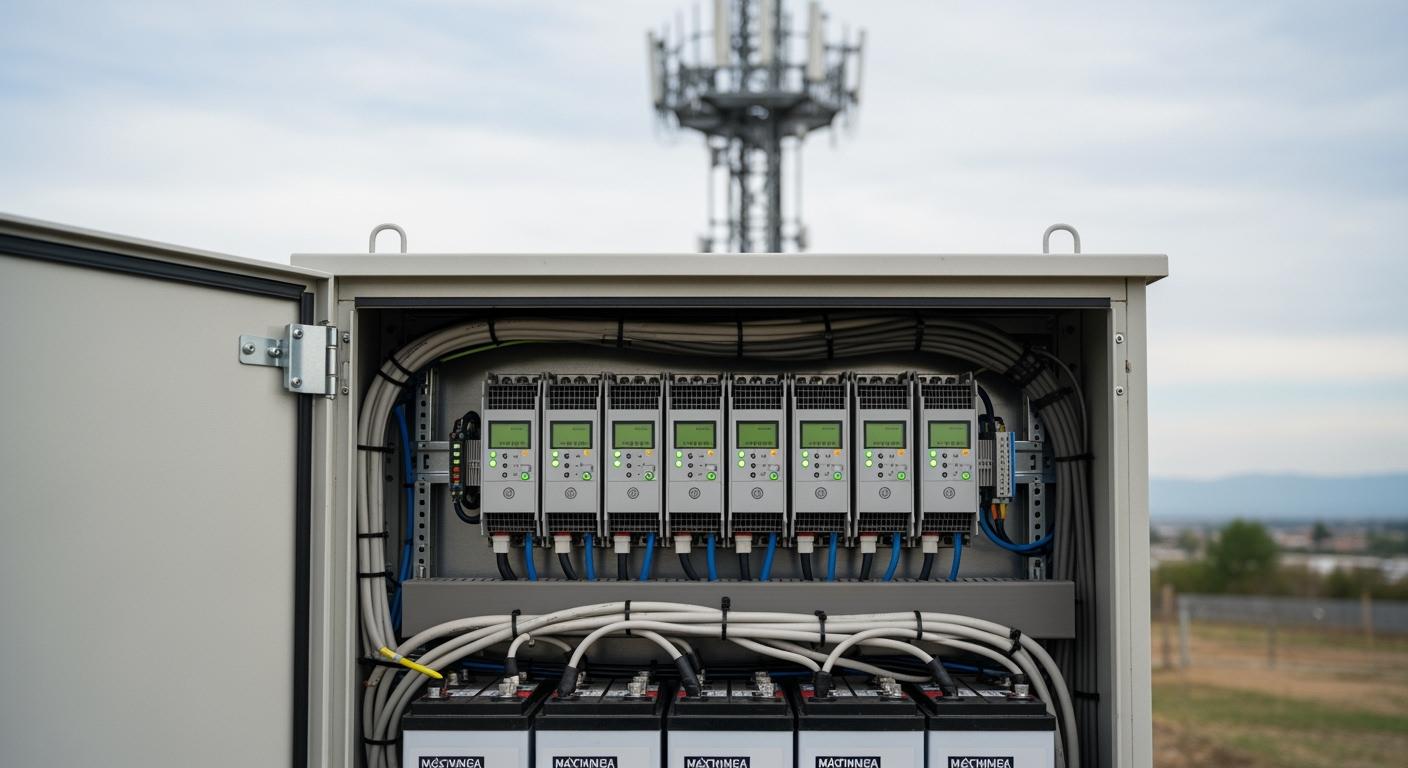
You rely on rectifiers and batteries for the heart of your telecom infrastructure. When you manage a network, the quality of your power systems determines service continuity. Nearly 62% of cell tower failures stem from power issues, and battery problems account for 80% of those cases. The table below shows how reliable Telecom Rectifier System Battery setups directly improve uptime and minimize outages.
Evidence Type | Description | Impact on Network Uptime |
|---|---|---|
Operational Reliability | Backup power configurations increase reliability by 25%. | Higher uptime, fewer interruptions |
Downtime Source | 33% of downtime comes from power outages. | Highlights importance of power systems |
ESTEL stands as a trusted name in outdoor telecom solutions. You should carefully select components to protect your infrastructure and ensure reliable network performance.
Key Takeaways
Rectifiers convert AC power to DC, ensuring stable energy for telecom devices. This process is crucial for maintaining reliable network operations.
Battery systems provide backup power during outages, preventing service interruptions. Choose the right battery type based on your site's environment and power needs.
Regular maintenance of telecom power systems extends equipment life and reduces unexpected failures. Inspect batteries and rectifiers frequently to ensure optimal performance.
Consider environmental factors when selecting components. Use durable materials and proper enclosures to protect your telecom infrastructure from harsh conditions.
ESTEL's integrated solutions offer high efficiency and modular designs, allowing easy scaling of power systems as your network grows.
Main components in outdoor telecom power systems
Telecom rectifier system battery overview
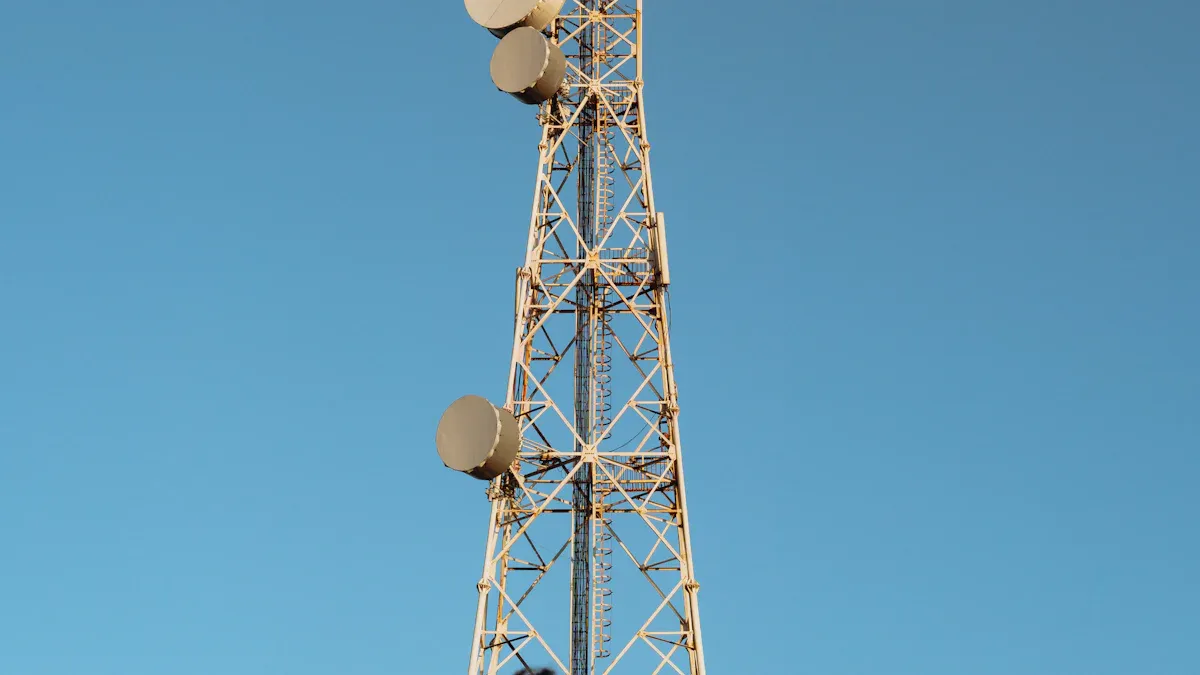
You depend on several main components to keep your telecom infrastructure running smoothly. The telecom rectifier system battery forms the backbone of outdoor telecom power setups. You see this system in action when you visit a cell tower or a remote base station. It combines the telecom rectifier, battery, and supporting equipment to deliver consistent dc power to your telecom devices.
ESTEL’s product lineup includes the Telecom Rectifier System, Telecom Power System, and Outdoor Battery Cabinet. Each product supports your telecom infrastructure by providing reliable dc power and backup solutions. The telecom rectifier system battery ensures that your equipment receives stable dc power, even during voltage fluctuations or outages.
Here is a table showing how each component contributes to overall reliability:
Component | Contribution to Reliability |
|---|---|
Rectifiers | Convert AC to DC power, ensuring stable power supply. |
Batteries | Provide backup power during outages, preventing service interruptions. |
Inverters | Convert DC back to AC when needed, ensuring compatibility for various applications. |
Power Distribution Units (PDUs) | Manage energy flow to essential equipment, ensuring seamless operation. |
Generators | Offer long-term backup power solutions, maintaining service during extended outages. |
You rely on the telecom rectifier system battery to maintain uptime and protect your telecom infrastructure from unexpected failures. The system’s modular design allows you to scale your power capacity as your network grows, especially with the expansion of 5g infrastructure.
Role of rectifiers in power conversion
You use rectifiers to convert ac power from the grid into dc power for your telecom equipment. The telecom rectifier is essential because most telecom devices operate on dc power. In outdoor telecom applications, the rectifier takes ac input, filters out high-frequency noise, and converts it into a smooth dc power output. Large filter capacitors help stabilize the dc power, making it suitable for sensitive telecom devices.
The telecom rectifier system battery relies on the rectifier to charge batteries and supply dc power to your infrastructure. You benefit from high efficiency rates, which reduce energy loss and lower operational costs. ESTEL’s telecom rectifier offers efficiency rates above 96%, ensuring that you get the most out of your power system.
You can see how the rectifier fits into the overall dc power system:
The power input module receives ac power and converts it to dc power.
The rectification unit transforms ac into dc power for your telecom infrastructure.
Filters smooth out the dc power, reducing voltage ripple.
Regulators maintain consistent voltage levels for your equipment.
Control and monitoring systems track voltage, current, and temperature.
Cooling systems prevent overheating, ensuring efficient operation.
Surge protection safeguards your telecom infrastructure from voltage spikes.
Load management balances power distribution among devices.
The telecom rectifier system battery uses these features to deliver reliable dc power, supporting your network and 5g infrastructure.
Importance of telecom battery systems
You rely on battery systems to keep your telecom infrastructure running during power interruptions. The battery acts as a safety net, providing backup dc power when the main supply fails. Telecom battery systems are critical for maintaining connectivity, especially for emergency services and remote sites.
You can see the importance of battery systems in these ways:
Battery backup systems maintain connectivity during power interruptions, acting as a lifeline for telecom networks.
They ensure reliable power supply, preventing disruptions to critical services like emergency call centers and VoIP systems.
911 service providers must ensure their backup systems can sustain operations for at least 24 hours.
Telecom networks are the backbone of today’s connected world. Backup batteries ensure uninterrupted service during power outages, load fluctuations, and in off-grid deployments.
You use the telecom rectifier system battery to safeguard your wireless communication facilities. The battery provides stable dc power for mobile base stations and remote sites. ESTEL’s Outdoor Battery Cabinet protects your batteries from harsh outdoor conditions, using advanced cooling and monitoring systems to extend battery life and maintain efficiency.
You see how the telecom rectifier, battery, and supporting systems work together to deliver continuous dc power. This integration ensures that your telecom infrastructure remains reliable, efficient, and ready to support the demands of modern networks and 5g infrastructure.
System architecture and integration
Layout of outdoor telecom power systems
You need a well-organized layout to keep your telecom infrastructure efficient and reliable. The arrangement of outdoor telecom power systems affects both performance and maintenance. You should consider ventilation, environmental risks, and accessibility when planning your infrastructure. Proper ventilation helps your equipment release heat, which boosts performance. You must select cabinets that match local environmental risks to protect your telecom infrastructure from harsh weather or dust. Easy access to your equipment makes maintenance and upgrades simple, which supports long-term reliability.
Explanation | |
|---|---|
Proper Ventilation | Ensures heat dissipation from telecom equipment, enhancing performance. |
Environmental Considerations | Cabinets should be selected based on local environmental risks to ensure durability and reliability. |
Easy Access | Facilitates maintenance and upgrades, contributing to long-term system performance. |
You see how these guidelines help you build a strong telecom infrastructure that stands up to outdoor challenges.
Integration of rectifiers and batteries
You face several challenges when you combine rectifiers and batteries in your telecom infrastructure. Space occupation can limit your options, especially in outdoor settings where every inch counts. Complex interfaces between different systems can make management harder. Poor reliability in traditional setups can threaten your telecom network. Insufficient battery life may lead to failures during outages. Operational difficulties can slow down maintenance and reduce efficiency.
Challenge | Description |
|---|---|
Space occupation | Traditional power solutions require significant space, which is a challenge in outdoor settings. |
Complex interfaces | The integration of different systems can lead to complicated interfaces that are hard to manage. |
Poor reliability | Existing solutions often suffer from reliability issues, impacting overall system performance. |
Insufficient battery life | Batteries may not last long enough to meet operational demands, leading to potential failures. |
Operational difficulties | The complexity of operations can hinder effective management and maintenance of the systems. |
You can overcome these challenges by choosing integrated solutions that streamline ac to dc power conversion and battery management.
ESTEL’s approach to system design
You benefit from ESTEL’s unique approach to outdoor telecom power system design. ESTEL uses advanced automation and predictive maintenance to boost operational efficiency. The modular design gives you flexibility for both small and large deployments. Seamless integration with DCIM tools ensures that your telecom infrastructure stays compatible with modern management systems.
ESTEL’s advanced automation and predictive maintenance enhance operational efficiency.
The modular design allows flexibility for various deployment scenarios.
Seamless integration with DCIM tools ensures compatibility with modern management solutions.
You can trust ESTEL to deliver telecom infrastructure that supports reliable ac to dc power conversion and robust power backup. This approach helps you maintain a strong, future-ready infrastructure.
Telecom rectifier details
What is a telecom rectifier?
You use a telecom rectifier to convert alternating current (AC) from the grid into direct current (DC) for your telecom equipment. This device plays a critical role in outdoor telecom power systems. Without a rectifier, your telecom devices cannot operate because they require DC power. The rectifier also regulates voltage, charges your battery, and reduces energy losses. You benefit from safer operations because the rectifier allows you to work with low-voltage DC systems.
Here is a table that summarizes the main functions and importance of a telecom rectifier:
Function of Telecom Rectifiers | Importance in Outdoor Telecom Power Systems |
|---|---|
Convert AC to DC power | Essential for powering DC devices like telecom small cells |
Regulate voltage | Ensures stable operation of telecom equipment |
Support backup battery charging | Maintains network coverage during power failures |
Reduce energy losses | Improves overall efficiency of telecom infrastructure |
Enhance safety | Allows safer operations for technicians working with low-voltage DC systems |
You see that the telecom rectifier is not just a converter. It is a key part of your power system that keeps your telecom network running smoothly and efficiently.
Types and features of ESTEL rectifiers
You can choose from several types of ESTEL rectifiers, each designed for different telecom applications. ESTEL offers low-capacity, medium-capacity, and high-capacity models. Each type has unique features that help you match the right rectifier to your needs.
Model Type | Power Capacity | Key Features |
|---|---|---|
Low-Capacity (<10kW) | Ideal for telecommunications and small-scale industrial setups | Compact design, minimal wear components |
Medium-Capacity (10-50kW) | Suited for larger industrial operations and renewable energy systems | Modular structure, advanced diagnostics |
High-Capacity (>50kW) | Perfect for large-scale power grids and critical infrastructure | Enhanced cooling, fault-tolerant systems |
You benefit from high efficiency, with ratings above 95%. The modular design lets you scale your power system as your telecom network grows. Advanced diagnostics and fault-tolerant systems give you reliable performance, even in harsh environments. The robust construction of ESTEL rectifiers ensures durability and long service life.
High efficiency with ratings above 95%
Modular design for easy scaling of power systems
Advanced diagnostics and fault-tolerant systems for enhanced reliability
Robust construction for durability in harsh environments
ESTEL's rectifier modules use advanced technology. You get intelligent monitoring features, such as real-time voltage and temperature tracking. Remote management capabilities allow you to monitor and control your rectifier from a central location. These features help you maintain your telecom power system with less effort and greater accuracy.
Selection factors for rectifiers
You need to consider several factors when selecting a rectifier for your outdoor telecom power system. The right choice ensures that your battery and telecom equipment receive stable and reliable power.
Factor | Description |
|---|---|
Cooling Methods | The choice of cooling method (fan vs. convection) affects the rectifier's size and reliability. Convection cooling is low maintenance but can lead to hot spots, while fan cooling can be more reliable due to lower temperature rises. |
Input Voltage | The input voltage range should be carefully selected to avoid unnecessary costs and size increases. Some applications may only need short-term capability for lower voltages, allowing for cost savings. |
Temperature Range | The operating temperature range is crucial. Some systems require full performance at low temperatures, while others can operate adequately at higher temperatures, allowing for cost savings. |
Signal Requirements | Alarm signals and control features are important for monitoring rectifier performance. More sophisticated signal packages can provide programmable options and prevent battery damage during power failures. |
System Connectivity | The method of connecting the rectifier to the system (basic vs. hot-plug) affects installation and maintenance costs. Hot-plug rectifiers are easier to install but more expensive, while basic types are harder to manage. |
You should match the cooling method to your environment. Fan cooling can improve reliability by keeping temperatures low. You must select the right input voltage range to avoid extra costs. Consider the temperature range where your telecom equipment will operate. Signal requirements are important for monitoring and protecting your battery. System connectivity affects how easy it is to install and maintain your rectifier.
Tip: Always check the compatibility of your rectifier with your battery and telecom devices before installation. This step helps you avoid costly mistakes and ensures reliable power delivery.
You can see that choosing the right telecom rectifier involves more than just picking a model. You must consider your environment, your power needs, and your maintenance capabilities. By focusing on these factors, you ensure that your telecom network stays reliable and efficient.
Telecom battery systems explained
Battery types for telecom applications
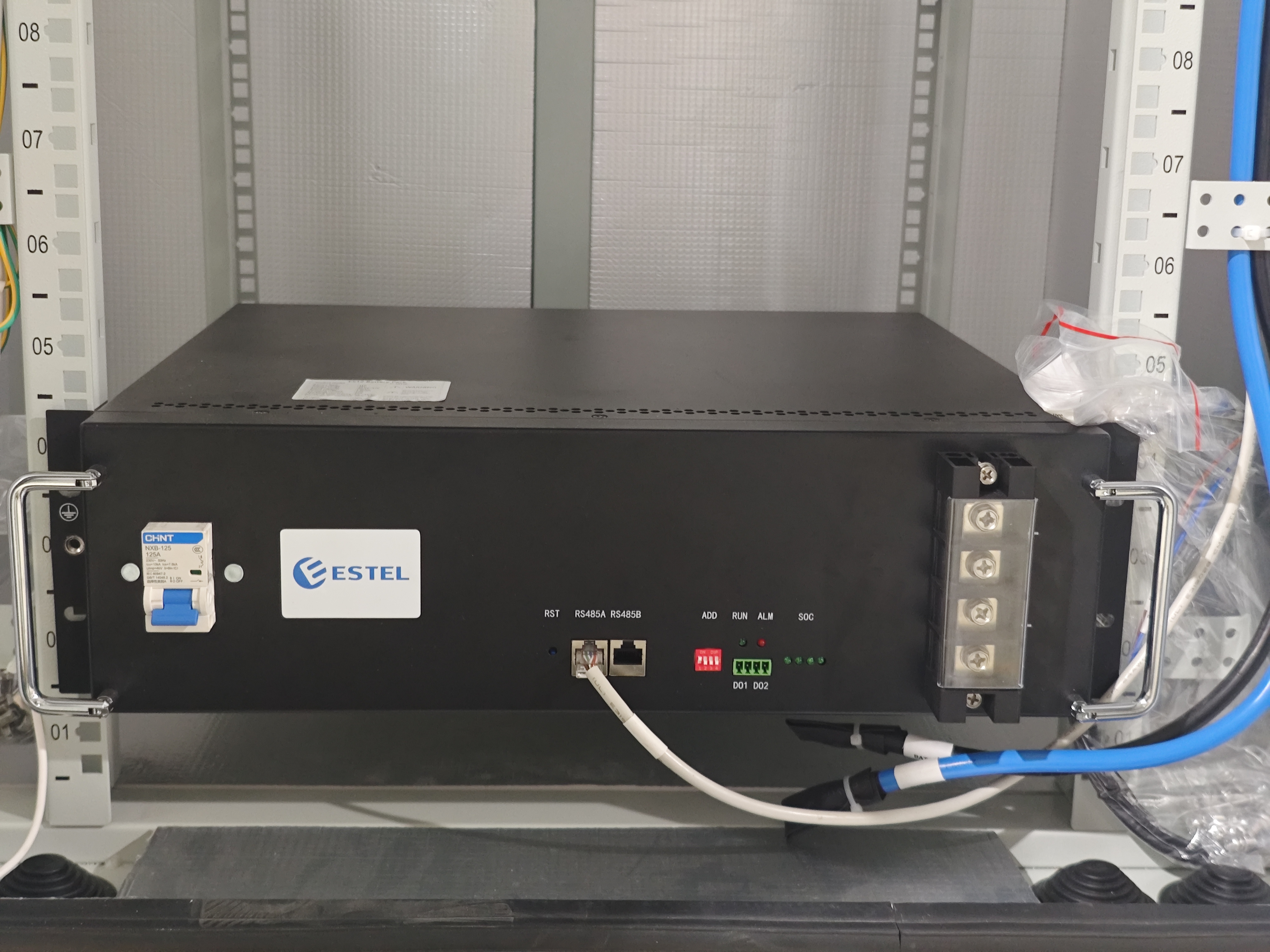
You have several options when choosing batteries for telecom battery systems. The most common types include lead-acid, lithium-ion, and nickel-cadmium batteries. Lead-acid batteries remain popular because they offer reliability and cost-effectiveness. Lithium-ion batteries provide higher energy density and longer life, making them suitable for modern telecom sites. Nickel-cadmium batteries work well in extreme temperatures and require less maintenance. Each battery type supports different telecom needs, so you should match the battery to your site’s environment and power requirements. Telecom battery systems often use a battery management system to monitor performance and extend battery life.
Capacity and backup considerations
You must determine the right capacity for your telecom battery systems to ensure reliable backup during outages. The capacity of a battery directly affects how long your base station can operate without grid power. Backup time depends on the importance of the site, the load it supports, and your operational strategy. Some sites need only a few hours of backup, while others require over ten hours. To calculate the necessary battery capacity, first measure the power consumption of your telecom equipment. Add up the wattage of each device to find the total demand. For example, if your equipment uses 3 kW and you need eight hours of backup, your battery backup bank should deliver 24 kWh. This approach ensures your telecom battery systems provide enough power for uninterrupted service.
Maintenance and safety tips
You can extend the life of your telecom battery systems by following best practices for maintenance and safety. Regular inspection and health checks help you spot swelling, corrosion, or damage early. Measure voltage and internal resistance to track battery health. Keep the temperature between 20°C and 25°C and ensure good airflow to prevent overheating. Always follow manufacturer guidelines for charging to avoid undercharging or overcharging. Use float charging to keep batteries ready for use. Rotate battery positions to balance aging and replace batteries before they fail. A well-maintained battery backup system and battery management system protect your telecom network and ensure reliable power delivery.
Tip: Consistent maintenance of your telecom battery systems reduces the risk of unexpected failures and extends battery life.
Working together for reliability
Power continuity during outages
You depend on a reliable system to keep your telecom network running during a power outage. Rectifiers and batteries work together to maintain power continuity. The rectifier converts AC from the grid into DC and charges the battery bank. When the grid fails, the battery bank supplies DC energy to your telecom equipment. An inverter can convert DC back to AC for critical loads. A static bypass switch ensures uninterrupted power transfer if faults or overloads occur. This setup protects your network and keeps your services online.
Rectifier: Converts AC to DC and charges the battery.
Battery bank: Stores DC energy for use during outages.
Inverter: Converts DC back to AC for critical loads.
Static bypass switch: Ensures uninterrupted power transfer during faults or overloads.
Synchronization of rectifier and battery systems
You must synchronize your rectifier and battery systems to ensure efficient operation. Start by verifying that the battery voltage and capacity match the rectifier’s specifications. Most telecom setups use 48V battery strings with 24 series-connected cells. Inspect battery terminals for corrosion or damage before connecting. Use properly rated cables to link the battery to the rectifier’s ports. Secure connections tightly to prevent voltage drops. After installation, measure the voltage at the rectifier’s battery input terminals. The reading should match the battery’s rated voltage. This process ensures your network receives stable power and reliable backup.
Inspect battery terminals for corrosion or damage.
Connect the battery using rated cables.
Test the connection for correct voltage.
ESTEL’s integrated solutions
You benefit from ESTEL’s integrated solutions, which combine rectifiers and battery systems for maximum reliability. ESTEL’s Delta Rectifier Modules deliver high efficiency and modular design, especially in 5G deployments. You see a 20% reduction in energy consumption while maintaining consistent power delivery. Compact designs allow you to reuse existing cabinets, saving installation costs. High efficiency reduces heat generation, cutting cooling expenses by 15%. Advanced voltage regulation and built-in protection features safeguard your telecom infrastructure from power fluctuations. Modularity lets you scale your power supply as network demand grows. The modular design of ESTEL’s Telecom Rectifier System and Outdoor Battery Cabinet allows quick replacement or upgrades of modules, reducing downtime and simplifying maintenance. Hot-swappable modules keep your network operational during upgrades or maintenance, minimizing the risk of outages. You can expand your network without major infrastructure changes, ensuring your telecom services remain reliable.
Tip: Regular monitoring of your battery and rectifier systems helps you catch issues early and maintain continuous power for your network.
Selection and maintenance best practices
Environmental and operational factors
You must consider environmental and operational factors when selecting components for your telecom infrastructure. Outdoor telecom sites face challenges like extreme weather, dust, and temperature swings. You should choose enclosures designed to withstand harsh conditions. Climate control systems help protect sensitive electronics from overheating or freezing. Secure all connections to prevent moisture and condensation from damaging your equipment. Regular cleaning and inspections keep your telecom infrastructure in top shape. You need to perform repairs and upgrades as soon as you spot issues. During maintenance, protect your infrastructure from the elements to avoid unexpected failures.
Choose enclosures built for extreme weather.
Use climate control to maintain stable temperatures.
Secure connections to prevent moisture damage.
Clean and inspect cabinets regularly.
Repair and upgrade equipment promptly.
Shield infrastructure during maintenance.
Safety and longevity
You can maximize the safety and longevity of your telecom power systems by following best practices. Select cabinets with robust locking mechanisms to prevent unauthorized access. Secure cabinets to stable structures to deter theft and vandalism. Durable materials like galvanized steel or aluminum offer maximum protection for your telecom infrastructure. Redundant surge protection devices enhance resilience against electrical spikes. Backup power sources keep your telecom network running during outages.
Use strong locks and stable mounting for cabinets.
Choose durable materials for outdoor installations.
Install surge protection devices.
Maintain backup power sources for uninterrupted service.
Tip: Consistent safety checks and preventive measures extend the life of your telecom infrastructure and reduce downtime.
ESTEL’s support and services
You benefit from ESTEL’s comprehensive support and services for outdoor telecom infrastructure. ESTEL incorporates redundancy mechanisms and backup power paths to ensure uninterrupted operations. You can use hybrid power solutions to reduce reliance on fossil fuels and improve energy efficiency. Advanced monitoring capabilities provide real-time data on power usage and environmental conditions. Real-time alerts notify you instantly about outages, helping you minimize service disruptions. Predictive maintenance analyzes load profiles and predicts potential failures, reducing maintenance costs. Environmental monitoring helps you address risks before they damage your telecom infrastructure.
Feature | Description |
|---|---|
Reliability | Redundancy and backup power paths for continuous operation |
Sustainability | Renewable energy integration for lower carbon footprint |
Hybrid Power Solutions | Enhanced energy efficiency and reduced fossil fuel use |
Advanced Monitoring Capabilities | Real-time data for proactive maintenance |
Real-Time Alerts | Instant notifications for outages |
Predictive Maintenance | Failure prediction and reduced maintenance costs |
Environmental Monitoring | Early risk detection to prevent equipment damage |
You can rely on ESTEL to support your telecom infrastructure with innovative solutions and expert guidance.
You see how rectifiers and batteries form the foundation of outdoor telecom power systems. High-quality components reduce maintenance costs, extend equipment lifespan, and improve operational efficiency. ESTEL stands out for innovation, reliability, and eco-friendly designs.
Criterion | Description |
|---|---|
Environmental Protection | Flexible layouts and upgrade options support future needs. |
Reliability | Strong structure and corrosion resistance ensure long-term telecom performance. |
Future Expansion | Modular designs allow easy scaling as your business grows. |
You should evaluate your current telecom infrastructure and consider upgrades for better reliability and efficiency.
FAQ
What is the main purpose of a rectifier in outdoor telecom power systems?
You use a rectifier to change AC power from the grid into DC power. This process supplies your telecom equipment with the stable energy it needs for reliable operation.
How do you choose the right battery for your telecom site?
You should check your equipment’s power needs and backup time requirements. Select a battery type that matches your climate and maintenance capabilities. Always consider future expansion when making your choice.
How often should you inspect outdoor battery cabinets?
You need to inspect your battery cabinets at least once every three months. Regular checks help you spot corrosion, loose connections, or temperature issues before they cause failures.
What features make ESTEL’s outdoor battery cabinets suitable for harsh environments?
You get cabinets with high protection ratings, strong galvanized steel construction, and advanced cooling systems. These features keep your telecom equipment safe from dust, water, and extreme temperatures.
Can you expand your power system as your network grows?
You can easily scale your power system by adding more modules or upgrading components. Modular designs let you increase capacity without replacing your entire setup.
See Also
Integrated Solar Inverter And Battery Solutions For Telecom Enclosures
Calculating Power Systems And Battery Needs For Telecom Cabinets
Solar Energy Storage Solutions For Telecom Cabinet Applications
Battery Solutions For Energy Storage In ESTEL Telecom Cabinets
Essential Features For Durability In Outdoor Telecom Cabinets
CALL US DIRECTLY
86-13752765943
3A-8, SHUIWAN 1979 SQUARE (PHASE II), NO.111, TAIZI ROAD,SHUIWAN COMMUNITY, ZHAOSHANG STREET, NANSHAN DISTRICT, SHENZHEN, GUANGDONG, CHINA
