Green Telecom Energy: Cascade Rectifier Tech Cuts Carbon Emissions by 30%

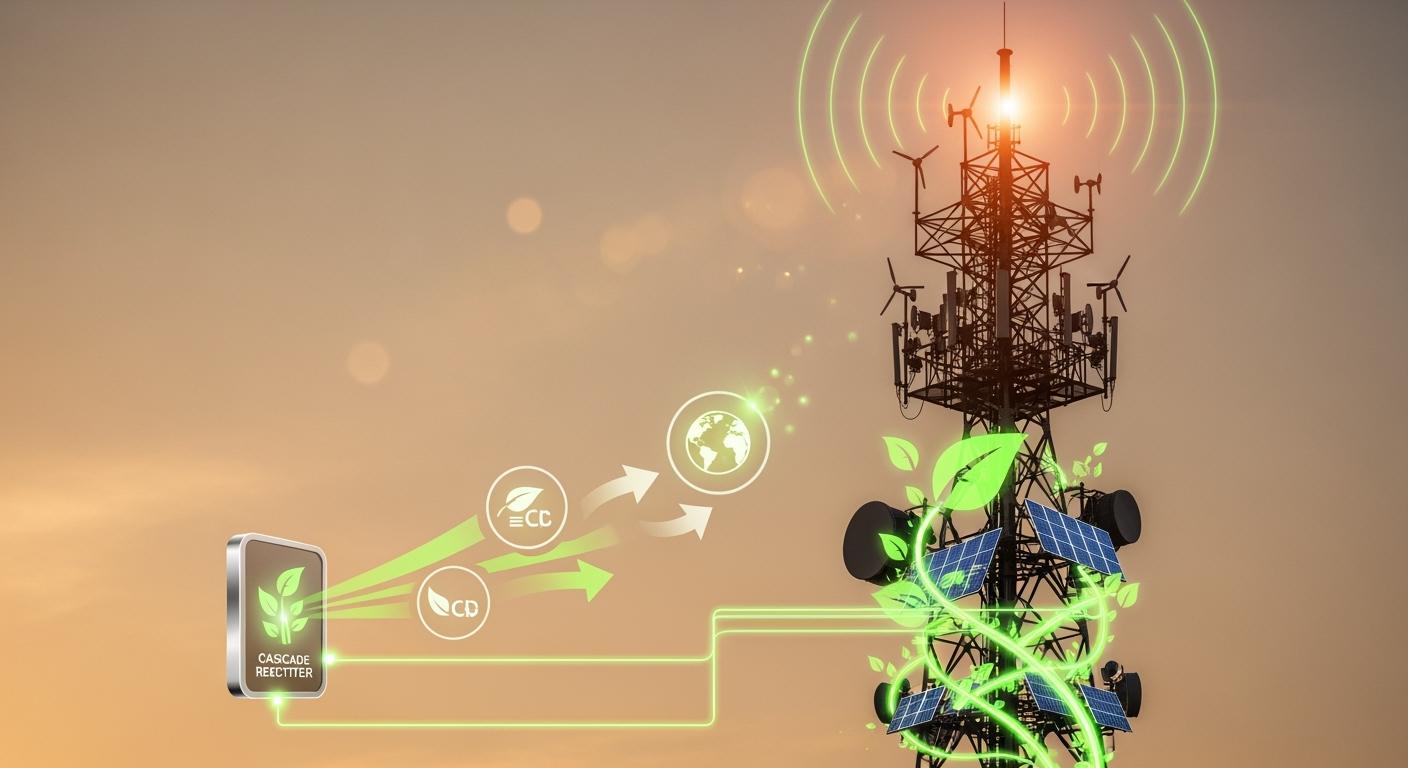
You can cut carbon emissions by up to 30% when you use cascade rectifier technology, such as the Telecom Rectifier System from ESTEL. Energy efficiency is now a top priority for telecom operators. Many have increased renewable energy adoption, with 37% of electricity sourced from renewables in 2023. ESTEL leads the industry with innovative, environmentally friendly power solutions. See the latest statistics below:
Statistic | Value |
|---|---|
Total electricity consumed by global telecom operators in 2023 | 290 TWh |
Percentage of global electricity use | 1% |
Reduction in energy intensity of data transmission (2019-2023) | 10-30% annually |
Percentage of electricity purchased from renewables in 2023 | 37% |
Projected growth of telecom sustainability market (2025-2032) | $60.3 billion to $206.3 billion |
CAGR of telecom sustainability market | 19.2% |
Key Takeaways
Upgrade to cascade rectifier technology to cut carbon emissions by up to 30% and lower operational costs.
Adopt high-efficiency rectifiers to reduce energy waste, which leads to lower electricity bills and cooling costs.
Integrate renewable energy sources with rectifier systems to enhance sustainability and reduce reliance on fossil fuels.
Utilize real-time monitoring and predictive maintenance features to improve reliability and prevent costly downtime.
Invest in modular rectifier systems for easy expansion and maintenance, ensuring your network can grow without major disruptions.
Telecom Rectifier System Basics
Role in Telecom Power
You rely on a stable power supply to keep telecom networks running smoothly. The Telecom Rectifier System plays a central role in this process. It converts alternating current (AC) from the grid into direct current (DC), which your telecom equipment needs to operate. This conversion ensures that your network devices receive consistent and reliable energy, even in challenging environments.
Note: A dependable power supply prevents unexpected downtime and keeps communication lines open, especially during emergencies.
You can see why efficiency matters when you look at the benefits:
The system minimizes energy loss during conversion, which lowers your electricity bills.
High efficiency means less heat generation, so you spend less on cooling.
Reliable power delivery supports uninterrupted service for your customers.
Efficient systems help you meet sustainability goals by reducing your environmental impact.
A modern Telecom Rectifier System also includes advanced features like surge protection, real-time monitoring, and predictive maintenance. These features help you detect faults early and avoid costly repairs. When you choose a high-quality system, you improve the reliability and performance of your entire network.
ESTEL stands out in this field. The company’s rectifier systems undergo strict testing to meet international standards. ESTEL invests in research and development to enhance efficiency and reliability. Their modular designs make it easy for you to scale up or maintain your system as your network grows.
Factor | Description |
|---|---|
Surge Protection | Shields your equipment from voltage spikes and grid issues. |
Monitoring Systems | Provides real-time alerts for voltage, current, or temperature deviations. |
Predictive Maintenance | Uses IoT to spot abnormal patterns before failures occur. |
Traditional System Limitations
Older rectifier systems often waste energy and drive up your operational costs. They generate more heat, which shortens equipment lifespan and increases maintenance needs. You may also face higher carbon emissions due to inefficient power conversion.
Feature | Traditional Rectifiers | High-Efficiency Rectifiers |
|---|---|---|
Energy Waste | High | |
Operational Costs | Higher | Lower |
Equipment Lifespan | Shorter | Longer |
Maintenance Frequency | Higher | Lower |
Carbon Emissions | Higher | Reduced |
You can see that upgrading to a modern Telecom Rectifier System offers clear advantages. You reduce energy waste, cut costs, and support a greener future for your network.
Industry Challenges and Carbon Goals
Rising Energy Demand
You see data traffic growing every year. More people use smartphones, stream videos, and rely on cloud services. This surge increases the energy demand at telecom sites. When you manage a network, you notice that higher data traffic means more power consumption. A recent study shows that using a power consumption model based on real-time data traffic can improve energy efficiency at telecommunication towers by 24.19%. This model helps you estimate load demand and balance power supply. You can optimize your energy use and reduce waste.
Tip: Monitoring real-time data traffic lets you adjust power supply and avoid unnecessary energy loss.
You face a challenge as energy demand rises. Older systems struggle to keep up. You need solutions that adapt to changing loads and deliver reliable power. The Telecom Rectifier System offers high efficiency and modular design, helping you meet these demands without increasing your carbon footprint.
Emissions Reduction Pressure
You feel pressure from governments and industry groups to cut carbon emissions. Many telecom operators set ambitious targets. You aim for a 45% reduction in emissions by 2030 and net zero by 2050. These goals push you to upgrade your infrastructure and adopt greener technologies.
Here is a summary of current industry targets:
Target Type | Number of Targets | Validation Status | Year of Target |
|---|---|---|---|
Near-term science-based targets | 81 | 47% of connections | Various |
Validated targets by SBTi | 71 | 44% of connections | Various |
Net zero targets submitted | 45 | 35 validated | 2040 or earlier |
Earliest target | 2030 | TDC NET | 2030 |
Other targets | 2035 | Tele2, Swisscom | 2035 |
You face several challenges when you transition to high-efficiency systems:
Challenge | Description |
|---|---|
Operational Risks | Upgrading networks can lead to service interruptions if critical devices are disconnected. |
Compatibility Issues | New equipment may not work seamlessly with older devices due to outdated standards. |
Staff Training Needs | Training is essential to prevent mistakes with new systems, requiring sessions before upgrades. |
High Initial Investment Costs | High-efficiency systems can be 25-30% more expensive than conventional models, affecting adoption. |
You must balance these challenges with your sustainability goals. By investing in efficient solutions like the Telecom Rectifier System, you move closer to meeting industry targets and reducing your environmental impact.
Cascade Rectifier Tech by ESTEL
Efficiency and Innovation
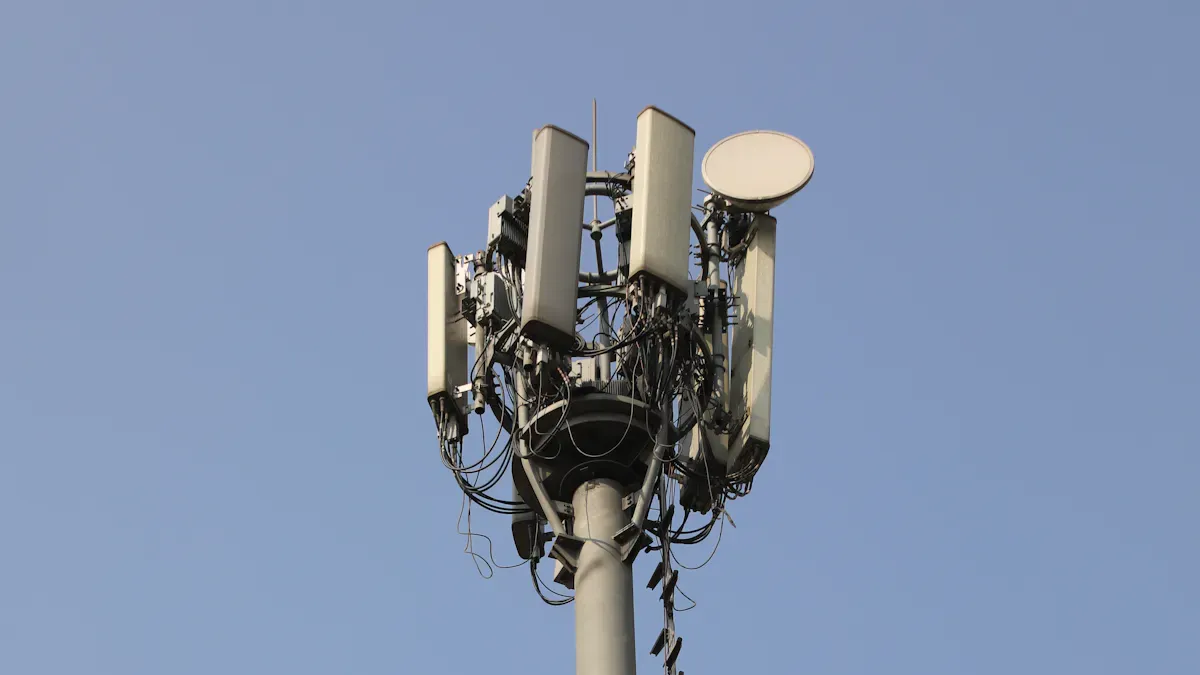
You want your telecom network to run efficiently and reliably. ESTEL’s cascade rectifier technology helps you reach this goal. The system uses advanced power conversion methods to achieve efficiency rates above 96%. This means you lose less energy during the AC to DC conversion process. Less energy loss leads to lower electricity bills and a smaller carbon footprint.
You can see the impact of high-efficiency rectifiers in the table below:
Rectifier Efficiency | Energy Loss Reduction | Return on Investment |
|---|---|---|
98% | Up to 75% | Quick |
96-97% | Less efficient | Longer |
92% | Higher losses | Longer |
When you choose a rectifier with 98% efficiency, you reduce energy loss by up to 75% compared to older models. This translates into faster returns on your investment. The Telecom Rectifier System from ESTEL stands out because it combines high efficiency with a modular design. You can add or remove modules based on your network’s needs. This flexibility makes upgrades and maintenance simple.
The system also supports a wide range of input voltages, including AC220VAC and 380VAC. You do not need to worry about compatibility with different power sources. The robust design ensures reliable performance, even in harsh outdoor environments.
Integration with Renewables
You may want to use more renewable energy in your network. ESTEL’s cascade rectifier technology makes this transition easier. The system works well with solar panels, wind turbines, and other green energy sources. You can connect these sources directly to the rectifier system. This helps you reduce your reliance on fossil fuels.
The flexible input options allow you to switch between grid power and renewables without service interruptions. You can optimize your energy mix based on availability and cost. The system’s advanced monitoring tools let you track energy flows in real time. You can see how much renewable energy you use and adjust your strategy for maximum savings.
Tip: Integrating renewables with your rectifier system helps you meet sustainability targets and lowers your long-term energy costs.
Energy and Cost Savings
You benefit from lower operational costs when you use high-efficiency rectifiers. Less energy wasted as heat means you spend less on cooling equipment. This not only saves money but also extends the life of your telecom hardware. You reduce maintenance needs and avoid unexpected downtime.
The environmental benefits are clear. By cutting energy loss, you lower your carbon emissions. You help your company move closer to industry goals for emissions reduction. The modular design of the Telecom Rectifier System also means you can scale your power supply as your network grows. You do not need to invest in a completely new system each time you expand.
You gain peace of mind knowing that your network runs efficiently, reliably, and sustainably. ESTEL’s cascade rectifier technology gives you the tools to build a greener, more cost-effective telecom operation.
Practical Benefits for Operators
ROI and Cost Savings
You see immediate and long-term savings when you upgrade to ESTEL’s cascade rectifier systems. High-efficiency rectifiers reduce energy waste, which lowers your electricity bills. You also cut cooling costs because the system generates less heat. Many operators report that switching from diesel generators to renewable-powered systems prevents up to 10 tons of CO₂ emissions per tower each year. This shift not only supports your sustainability goals but also reduces your operational expenses.
Investing in energy-efficient technologies leads to significant energy savings.
Optimizing cooling systems in your network reduces power consumption.
Utilizing renewable energy sources like solar and wind power helps you achieve sustainability targets.
Extending equipment lifecycles through refurbishment minimizes waste and carbon footprint.
Implementing advanced power management systems enhances operational efficiency.
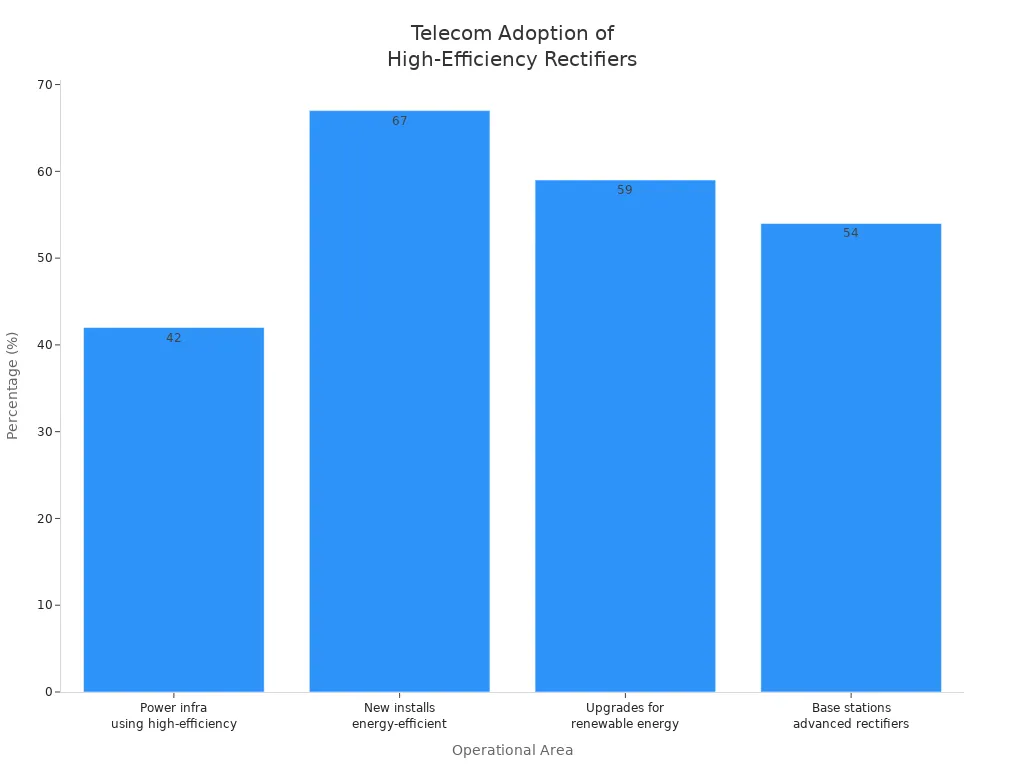
Statistic | Value | Description |
|---|---|---|
42% | Telecom power infrastructure relying on high-efficiency rectifiers | Efficient systems minimize power loss. |
67% | New rectifier installations that are energy-efficient | Sustainability is a growing trend. |
59% | Operators upgrading rectifiers for renewable energy | Commitment to green energy integration. |
54% | Base stations using advanced rectifier solutions | Optimized energy use and reduced costs. |
Enhancements in Power Usage Effectiveness (PUE) lower energy consumption, extend equipment lifespan, and reduce greenhouse gas emissions.
Reliability and Maintenance
You benefit from improved reliability and easier maintenance with ESTEL’s systems. Phase change materials (PCMs) reduce temperatures in power modules by over 34%. This prevents overheating, which is a common issue in traditional systems. You avoid equipment failures and downtime, keeping your network running smoothly. PCMs also boost energy efficiency by more than 27%, lowering operational costs in high-power environments.
Modular design enables easy expansion and maintenance.
Each module operates independently, so you can expand capacity without replacing the entire system.
Hot-swappable modules let you add or replace units while maintaining network uptime.
Effective thermal management ensures your equipment lasts longer and performs better.
You gain long-term value by choosing scalable, reliable, and efficient power solutions. You prepare your network for future growth and sustainability requirements.
You can cut carbon emissions and operational costs by upgrading to ESTEL’s cascade rectifier technology. High-efficiency systems help you save energy and support your sustainability goals. Before upgrading, review your current setup using these key factors:
Key Selection Factor | Description | Decision-Making Insight |
|---|---|---|
Efficiency Benchmarks | Advanced components reduce losses | Choose high-efficiency rectifiers |
Cooling Methods | Air or liquid cooling for different power needs | Match cooling to your site |
Environmental Suitability | Protective enclosures for harsh conditions | Align specs with your environment |
System Connectivity | Real-time monitoring and modular design | Ensure easy integration and expansion |
Cost Considerations | Balance price, efficiency, and maintenance | Lower total ownership cost |
Maintenance & Longevity | Regular checks and timely replacement | Plan for consistent performance |
You can also look ahead to trends that boost efficiency and sustainability:
RAN sharing reduces energy use and site numbers.
Renewable energy and advanced batteries power more telecom sites.
Reliable, efficient systems prepare you for future growth.
Consider evaluating your infrastructure or reaching out to ESTEL for expert solutions.
FAQ
What is a cascade rectifier system?
You use a cascade rectifier system to convert AC power to DC power with high efficiency. This system reduces energy loss and supports reliable telecom operations.
How does upgrading rectifiers lower your carbon emissions?
You cut carbon emissions by using less electricity. High-efficiency rectifiers waste less energy as heat, so your network uses fewer resources and produces fewer greenhouse gases.
Can you integrate renewable energy with ESTEL’s rectifier systems?
Yes. You can connect solar panels or wind turbines directly to ESTEL’s rectifier systems. This helps you use more clean energy and reduce reliance on fossil fuels.
What maintenance advantages do modular rectifier systems offer?
You benefit from easy expansion and quick repairs. You can replace or add modules without shutting down your network. This reduces downtime and keeps your service reliable.
See Also
Telecom Cabinet Energy System With Solar Inverter And Batteries
Innovative Energy Storage Solution For ESTEL Telecom Cabinets
Solar-Powered Energy Storage System For Telecom Cabinets
In-Depth Analysis Of Energy-Saving Air Conditioning Units
Battery Solutions For Energy Storage In ESTEL Telecom Cabinets
CALL US DIRECTLY
86-13752765943
3A-8, SHUIWAN 1979 SQUARE (PHASE II), NO.111, TAIZI ROAD,SHUIWAN COMMUNITY, ZHAOSHANG STREET, NANSHAN DISTRICT, SHENZHEN, GUANGDONG, CHINA
