Compatibility with New and Old Devices of Telecom Rectifier Systems: Smooth Transition Plan to Protect Existing Investments

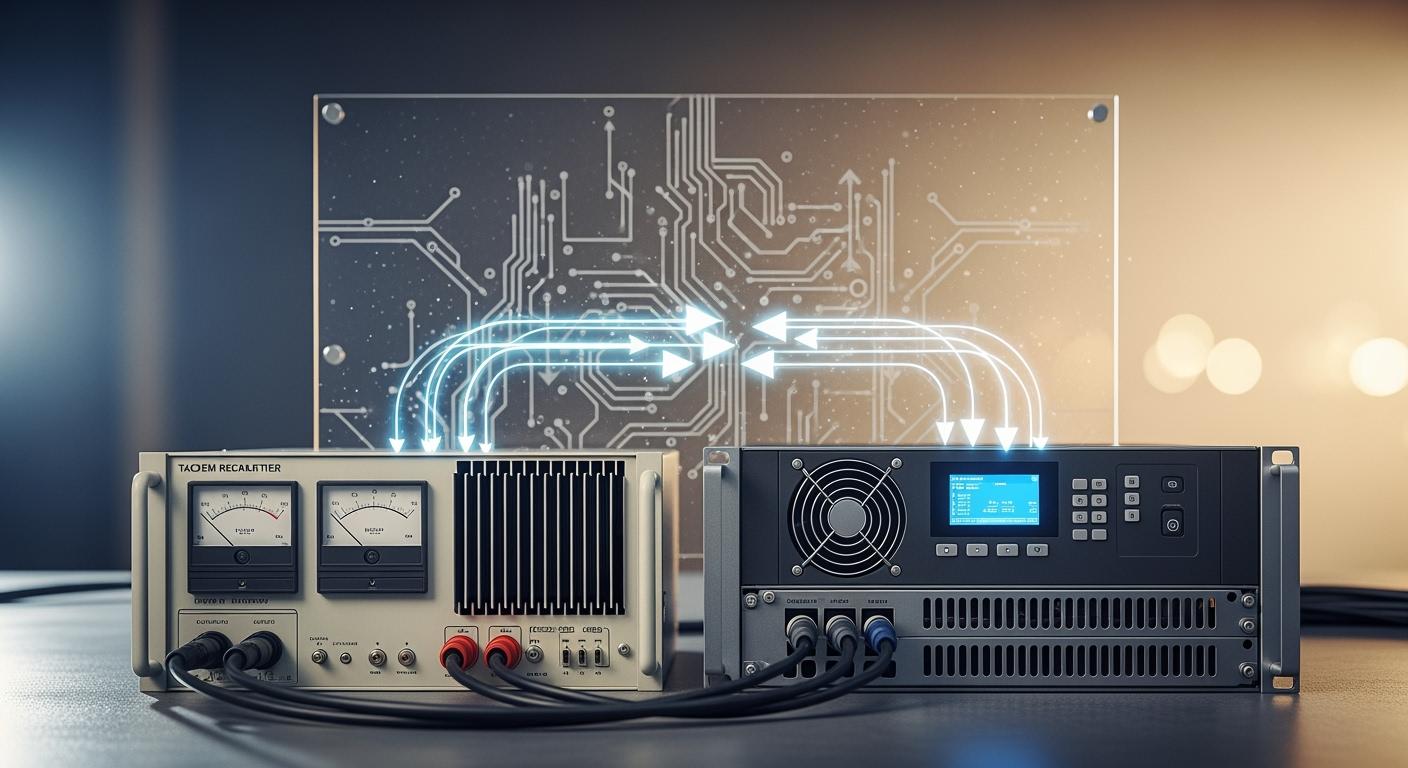
When you upgrade your telecom infrastructure, you often face the challenge of connecting new equipment to legacy devices. Protecting your previous investments matters, especially when industry reports show significant upfront costs for advanced systems. Reliable brands like ESTEL help you achieve compatibility and smooth transitions. You can see the potential impact in the table below:
Investment Aspect | Details |
|---|---|
Upfront Investment | Significant upfront costs for advanced systems |
Operational Cost Reduction | 20–30% reduction reported post-upgrade |
Factors Influencing ROI | Site conditions, energy prices, network expansion pace |
A structured approach can lead to substantial savings. For example, a planned transition may cut energy use by up to 50% and reduce maintenance visits by 40%. When you consider both technical and operational factors, you set your Telecom Rectifier System upgrade on the path to long-term success.
Key Takeaways
Plan your telecom upgrades carefully to minimize downtime and protect existing investments.
Check voltage and interface standards before integrating new equipment with legacy systems.
Use a phased deployment approach to maintain service continuity during upgrades.
Train your staff on new systems to reduce errors and improve operational efficiency.
Leverage modular designs for easy scalability and future-proofing of your telecom network.
Compatibility Challenges in Telecom Networks
Technical Barriers with Legacy Devices
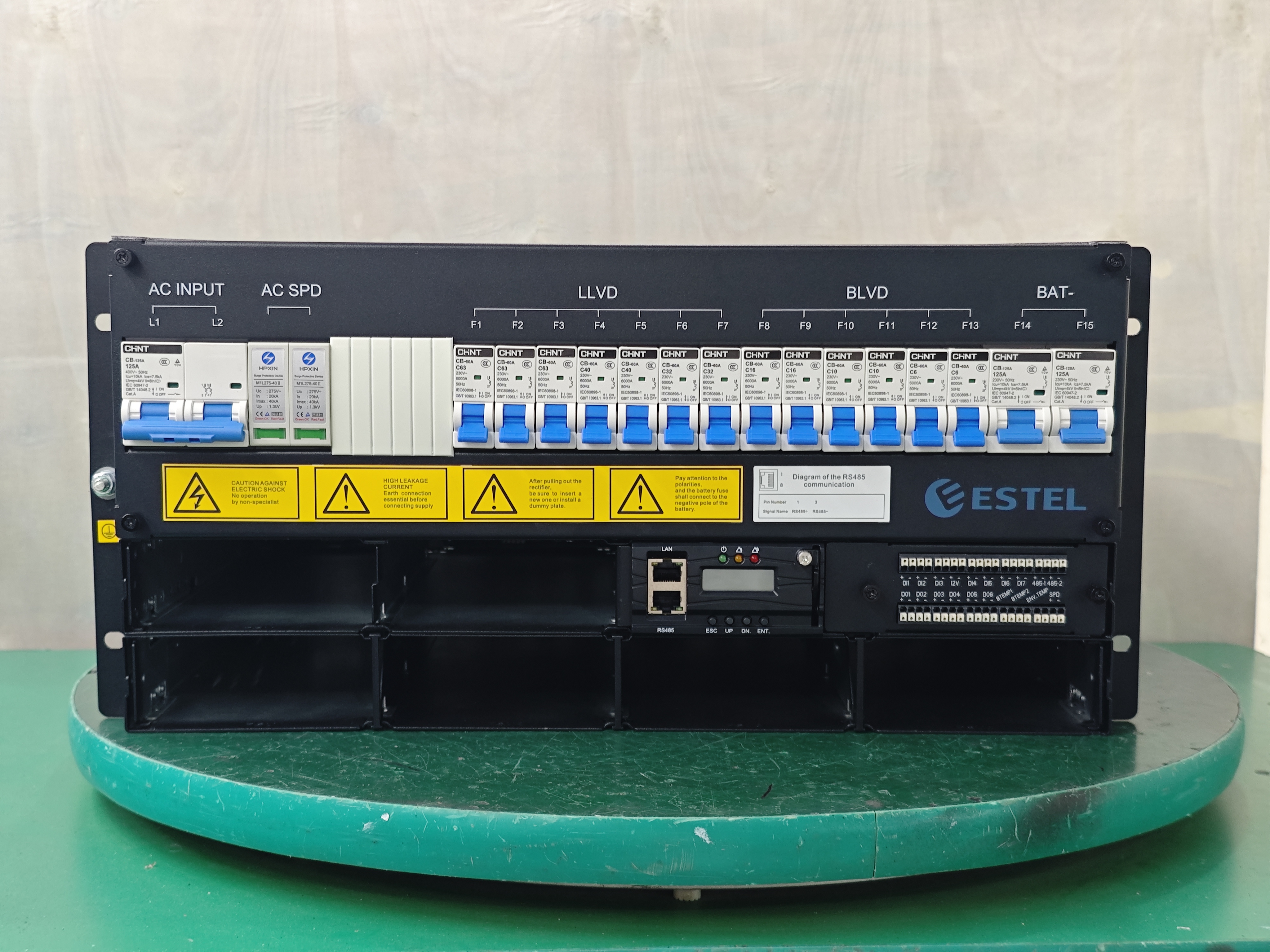
You may encounter several technical barriers when you try to connect new equipment to older devices in your telecom network. Legacy devices often use outdated voltage standards or interface protocols. These differences can prevent smooth communication between systems. For example, older rectifiers might operate at different voltage levels or use connectors that do not match modern equipment. You need to check if your existing devices support the same DC output, such as -48VDC, which is common in current telecom setups.
Many legacy systems lack modular designs. This makes upgrades more difficult because you cannot simply swap out old modules for new ones. You might also find that older monitoring systems do not integrate with advanced management software. This can limit your ability to track performance or detect faults in real time.
Tip: Create a checklist of technical requirements before you begin any upgrade. This helps you identify potential compatibility issues early.
Operational Risks During Upgrades
Upgrading your network introduces several operational risks. You risk service interruptions if you disconnect critical devices during installation. Downtime can affect customer satisfaction and lead to financial losses. You must plan the upgrade process to minimize these risks.
Staff may need training to handle new equipment. If your team does not understand the new Telecom Rectifier System, mistakes can happen. You should schedule training sessions before the upgrade begins. This ensures everyone knows how to operate and maintain the new system.
You also need to consider the timing of your upgrade. Choose periods of low network activity to reduce the impact on users. Use a phased deployment approach to keep parts of your network running while you install new devices.
Risk Factor | Impact Level | Mitigation Strategy |
|---|---|---|
Service Downtime | High | Phased deployment, backup |
Staff Knowledge Gap | Medium | Training, documentation |
Compatibility Error | High | Pre-upgrade technical review |
You can protect your network and investments by addressing these challenges with careful planning and the right solutions.
Key Factors for Telecom Rectifier System Compatibility
When you plan to upgrade or expand your telecom network, you need to focus on several key factors that determine whether your new and old equipment will work together. Understanding these factors helps you avoid costly mistakes and ensures a smooth transition.
Voltage and Power Standards
Voltage and power standards form the foundation of compatibility in any telecom network. Most telecom systems rely on a standard DC voltage, such as -48VDC, to power sensitive equipment. If your rectifiers do not match the voltage and current ratings required by your devices, you risk unstable power delivery and potential equipment failure.
Telecom systems require rectifiers that match specific voltage and current ratings to ensure stable and reliable power delivery.
Consistent voltage and current are crucial for maintaining reliable service in telecom infrastructure.
DC power systems provide steady energy delivery, which supports sensitive electronics.
ESTEL’s Telecom Rectifier System delivers a consistent DC48V output, which aligns with industry standards. Its flexible input voltage options, including AC220VAC and 380VAC, allow you to connect the system to different power sources. This flexibility makes it easier to integrate new rectifiers with your existing setup, whether you use legacy or modern equipment.
Tip: Always verify the voltage and current requirements of your existing devices before installing new rectifiers. This step helps you prevent compatibility issues and protects your investment.
Interface Protocols and Connections
You must also consider the physical and communication interfaces between devices. Older systems may use different connectors or communication protocols compared to newer models. If the interfaces do not match, you may face integration challenges.
ESTEL’s Telecom Rectifier System supports standard 19-inch rack installation. This feature ensures that you can mount the system alongside both new and old devices without needing major modifications. The modular design allows you to add or replace modules as needed, making upgrades and maintenance much simpler.
Factor | Description |
|---|---|
Efficiency | High-efficiency rectifiers reduce energy loss and lower operational costs. |
Reliability | SCR and SiC rectifiers offer robust construction and long service life, essential for telecom. |
Size | Compact and lightweight solutions like SMPS and MOSFET-based rectifiers save space in racks. |
Cost | Initial costs vary; SMPS and SiC may be higher but save on energy and cooling in the long run. |
Maintenance | Low-maintenance options like SMPS reduce downtime and service costs compared to legacy systems. |
Power Quality | MOSFET-based rectifiers provide precise voltage regulation, ensuring stable power output. |
Scalability | Modular designs allow for easy capacity expansion without major infrastructure changes. |
You benefit from these features because they let you expand your network or replace old modules without disrupting your entire system. The modular approach also means you can scale your power capacity as your network grows.
Management and Monitoring Integration
Modern telecom networks rely on advanced management and monitoring systems to keep operations running smoothly. When you mix new and old rectifiers, you need to ensure that your management tools can communicate with all devices.
ESTEL’s Telecom Rectifier System includes multiple communication ports for seamless integration with your existing management platforms. This capability allows you to monitor performance, diagnose issues, and schedule maintenance efficiently.
Feature | Benefit |
|---|---|
Keeps the network healthy, avoiding outages. | |
Real-Time Diagnostics | Enables immediate issue identification. |
Proactive Maintenance | Allows scheduling of service before failures. |
Cost & Efficiency Optimization | Reduces operational costs and improves efficiency. |
You gain better control over your network when you use systems that support real-time diagnostics and remote monitoring. These features help you identify problems early and take action before they affect your service. Proactive maintenance reduces downtime and extends the life of your equipment.
Assessing Existing Infrastructure
Inventory of Current Rectifier Systems
You should start by creating a detailed inventory of your current rectifier systems. List each unit, its model, installation date, and technical specifications. This step helps you understand what equipment you have and how it performs. You can use a simple table or spreadsheet to organize this information. Make sure to include details like voltage output, input requirements, and any unique features. This inventory gives you a clear picture of your existing power infrastructure and helps you plan for upgrades.
Identifying Compatibility Gaps
Once you have your inventory, you need to identify any compatibility gaps between your current systems and new solutions. Follow these steps to make the process easier:
Prepare necessary tools and equipment.
Follow safety precautions.
Position the rectifier module properly.
Connect the input power supply carefully.
Wire output connections.
Integrate battery backup systems.
Synchronize with communication equipment.
Configure system settings.
Perform testing and validation.
Maintain proper ventilation and grounding.
You may also face issues like efficiency loss from impedance mismatches, reliability problems due to limited monitoring, and scalability challenges with older designs. Environmental factors and complex installation processes can add to these challenges.
A variety of communication protocols are used in telecom networks. The table below shows some common protocols and their uses:
Communication Protocols | Description/Notes |
|---|---|
HTTP | Commonly supported for remote monitoring |
SNMP (v2, v3) | Secure and reliable; SNMPv3 Proxy supported |
YDN23 | Supported protocol |
RS 232 | Built-in port for remote control |
RS 485 | Supported serial interface |
Ethernet | Enables network connectivity |
USB | Supported interface |
IPv4, IPv6 | Supported internet protocols |
HTTPS | Secure HTTP protocol supported |
Modbus | Common in generator and rectifier monitoring |
Dry Contacts | Used for alarm inputs/outputs and integration |
Evaluating ESTEL Solutions
When you evaluate new solutions, consider how ESTEL products can address your compatibility needs. The ESTEL telecom rectifier cabinet supports both -48VDC and 48VDC configurations. This flexibility allows you to connect new equipment to legacy systems without major changes. You can upgrade to advanced networks, such as 5G, while protecting your previous investments. ESTEL designs its Telecom Rectifier System to work with a wide range of communication protocols and rack sizes, making integration smooth and efficient. You gain the ability to scale your power system as your network grows, while maintaining reliability and performance.
Tip: Regularly update your inventory and review compatibility as your network evolves. This habit helps you avoid surprises during future upgrades.
Transition Strategies for Smooth Upgrades
Phased Deployment Approach
You can minimize downtime and operational risks by following a phased deployment approach. Start by planning your upgrades in advance. Outline the scope, timeline, and resources you need. Schedule upgrades during low-impact times, such as weekends or off-peak hours. Perform incremental upgrades instead of replacing everything at once. Leverage redundancy by using backup systems to maintain critical operations. Test upgrades in a simulated environment before going live. Train your staff beforehand and use remote monitoring tools to track progress and address issues quickly.
Tip: A phased approach lets you maintain service continuity while gradually introducing new equipment.
Hybrid Operation of Old and New Systems
Operating old and new systems together gives you flexibility and adaptability. You can enjoy energy savings, longer equipment life, and support for emerging technologies. Modular designs allow you to add or swap modules as your network grows. The table below highlights key benefits:
Benefit | Description |
|---|---|
Energy Savings | Efficient rectifiers lower energy bills and support eco-friendly goals. |
Longer Equipment Life | Provides clean, steady power, reducing wear on devices and preventing damage from power surges. |
Flexibility and Adaptability | Designed to grow with networks, allowing for easy scaling and upgrades as needs change. |
Modular Designs for Scalability | Enables adding or swapping modules to meet increasing power demands without system replacement. |
Support for Emerging Technologies | Compatible with new technologies like hybrid DC power systems, enhancing efficiency and sustainability. |
ESTEL’s modular Telecom Rectifier System supports hybrid operation, making upgrades smoother and more cost-effective.
Backward-Compatible Solutions
Backward-compatible solutions help you upgrade without replacing your entire system. Modular designs let you add capacity as needed. Integration with smart systems optimizes energy usage and improves efficiency. Customizable and scalable systems simplify maintenance and enhance flexibility.
Description | Benefit to Telecom Operators |
|---|---|
Modular designs allow operators to add capacity without replacing the entire system. | Minimizes downtime during upgrades, facilitating smoother transitions for telecom operators. |
Integration with smart systems optimizes energy usage and improves efficiency. | Ensures networks remain robust and resilient, even during unforeseen challenges. |
Customizable and scalable systems based on specific needs. | Adaptability simplifies maintenance and enhances operational flexibility. |
Staff Training and Change Management
Effective staff training and change management ensure a successful upgrade. Communicate benefits clearly and use consistent messaging. Engage stakeholders through activities and encourage their involvement. Create a positive learning experience with diverse training methods. Make training continuous to keep your team updated.
Best Practice Category | Description |
|---|---|
Communication | Clearly define and communicate benefits, use consistent messaging, and provide a single source of truth. |
Stakeholder Engagement | Engage stakeholders through various activities and ensure their involvement in the process. |
Training | Create a positive learning experience, use diverse training methods, and ensure training is continuous. |
Note: Well-trained staff and clear communication reduce errors and speed up the transition process.
Protecting Investments with ESTEL Solutions
Minimizing Downtime and Service Interruptions
You want to keep your network running smoothly during upgrades. ESTEL helps you minimize downtime by offering systems with modular designs and flexible installation options. You can swap modules without shutting down the entire network. This approach keeps your services online and reduces the risk of interruptions. You also benefit from advanced monitoring features. These tools let you track system performance and spot issues before they become problems. Real-time diagnostics help you respond quickly, so you avoid costly outages.
Tip: Schedule upgrades during low-traffic hours and use backup systems to maintain service continuity.
Avoiding Unnecessary Replacements
You can protect your investment by avoiding unnecessary equipment replacements. Routine monitoring and regular inspections help you catch problems early. Consistent maintenance and troubleshooting extend the life of your rectifiers. You prevent failures caused by neglect or age. ESTEL’s Telecom Rectifier System supports easy maintenance, so you can keep your equipment in top condition.
Routine monitoring ensures rectifiers work properly and prevents power surges.
Regular inspections identify potential failures before replacement becomes necessary.
Maintenance and troubleshooting reduce the impact of neglect and aging.
You save money and resources by keeping your existing equipment running longer.
Leveraging Modular and Scalable Designs
ESTEL’s modular and scalable designs give you flexibility for future growth. You can adjust power capacity as your network expands. Plug-and-play modules make upgrades simple and fast. High-quality components reduce maintenance needs and improve reliability. The Telecom Rectifier System adapts to changing demands, so you stay ready for new technologies.
Feature | Contribution to Future-Proofing |
|---|---|
Efficiency | Saves up to 20% energy, lowering costs and environmental impact. |
Scalability | 37% of new rectifiers have plug-and-play designs for easy power adjustments. |
Reliability | Modular designs ensure steady power during outages. |
Sustainability | Energy-efficient systems lower greenhouse gas emissions, supporting eco-goals. |
Benefit Type | Description |
|---|---|
Modular Design | Adapts to changing power demands, making it future-proof. |
Scalability | The system can be upgraded easily as the network grows. |
Durability | High-quality components reduce maintenance frequency. |
You gain a future-proof network that grows with your business and supports sustainability goals.
Case Examples and Best Practices
ESTEL Success Stories
You can see the benefits of a careful upgrade strategy in real-world projects. For example, a major telecom operator in Southeast Asia needed to modernize its network. The company wanted to add new 5G equipment but keep its existing infrastructure. By choosing ESTEL’s modular solutions, the team integrated new rectifiers with legacy devices. The project team used a phased deployment plan. This approach allowed them to maintain service for customers during the upgrade. The operator reported a 35% reduction in energy costs and a 25% decrease in maintenance visits within the first year.
Another case involved a remote mountain site. The operator faced harsh weather and limited access. ESTEL’s Telecom Rectifier System provided reliable power and easy maintenance. The modular design let technicians replace faulty modules quickly, even in tough conditions. The network stayed online, and the operator avoided costly downtime.
Note: You can achieve similar results by planning upgrades, using modular systems, and training your staff.
Industry Standards and Recommendations
You should always follow industry standards when you upgrade your telecom power systems. These standards help you ensure safety, reliability, and compatibility. Following best practices protects your investment and keeps your network running smoothly.
ITU-T K.37 (01/2024) recommends mitigation techniques for electromagnetic compatibility (EMC) in telecommunication installations and systems. EMC is essential for compatibility during upgrades.
Use standard voltage levels, such as -48VDC, to match most telecom equipment.
Choose modular and rack-compatible systems to simplify integration.
Regularly update your management and monitoring tools for better control and diagnostics.
By following these recommendations, you can reduce risks and make your upgrade process smoother. You also help your network stay ready for future technology changes.
You can achieve compatibility and protect your investments by following a structured upgrade plan. Careful planning and the right Telecom Rectifier System offer these advantages:
Modular design, real-time monitoring, and predictive maintenance reduce downtime and operational risks.
High efficiency and robust construction improve reliability and energy savings.
Engaging with your team ensures effective risk management.
Stay prepared for industry changes by reviewing this table:
Key Practice | Benefit |
|---|---|
Safe, reliable operation | |
Modular Design | Easy scaling as needs change |
Efficiency and Protection | Equipment safeguarded, lower costs |
Regular assessment and adaptation keep your network ready for the future.
FAQ
How do you ensure compatibility between new and old telecom rectifier systems?
You should check voltage, interface standards, and communication protocols. ESTEL’s modular design and flexible input options help you connect new systems with legacy devices. Always review your equipment specifications before starting any upgrade.
Can you upgrade your rectifier system without shutting down your network?
Yes. ESTEL’s modular rectifier systems let you swap or add modules while your network stays online. This approach reduces downtime and keeps your services running during upgrades.
What are the main benefits of using ESTEL’s Telecom Rectifier System?
You gain high efficiency, flexible installation, and easy scalability. The system supports standard racks and multiple input voltages. You can expand your power capacity as your network grows.
How does remote monitoring improve your network’s reliability?
Remote monitoring lets you track system performance in real time. You can spot issues early and schedule maintenance before problems cause outages. This proactive approach keeps your network stable.
Do you need special training to operate ESTEL’s rectifier systems?
Basic training helps your staff use and maintain the system effectively. ESTEL provides clear documentation and support. Well-trained teams reduce errors and improve system performance.
See Also
Essential Insights Into Telecom Power Supply Characteristics
Tips for Maintaining Consistent Power Supply in Telecom Units
An Introductory Overview of Telecom Power Supply Mechanisms
The Importance of Upgrading Telecom Cabinets by 2025
Integrating Solar Inverters and Batteries in Telecom Cabinets
CALL US DIRECTLY
86-13752765943
3A-8, SHUIWAN 1979 SQUARE (PHASE II), NO.111, TAIZI ROAD,SHUIWAN COMMUNITY, ZHAOSHANG STREET, NANSHAN DISTRICT, SHENZHEN, GUANGDONG, CHINA
