High-Efficiency Telecom Rectifier System Design: Significantly Reducing Long-term O&M Costs

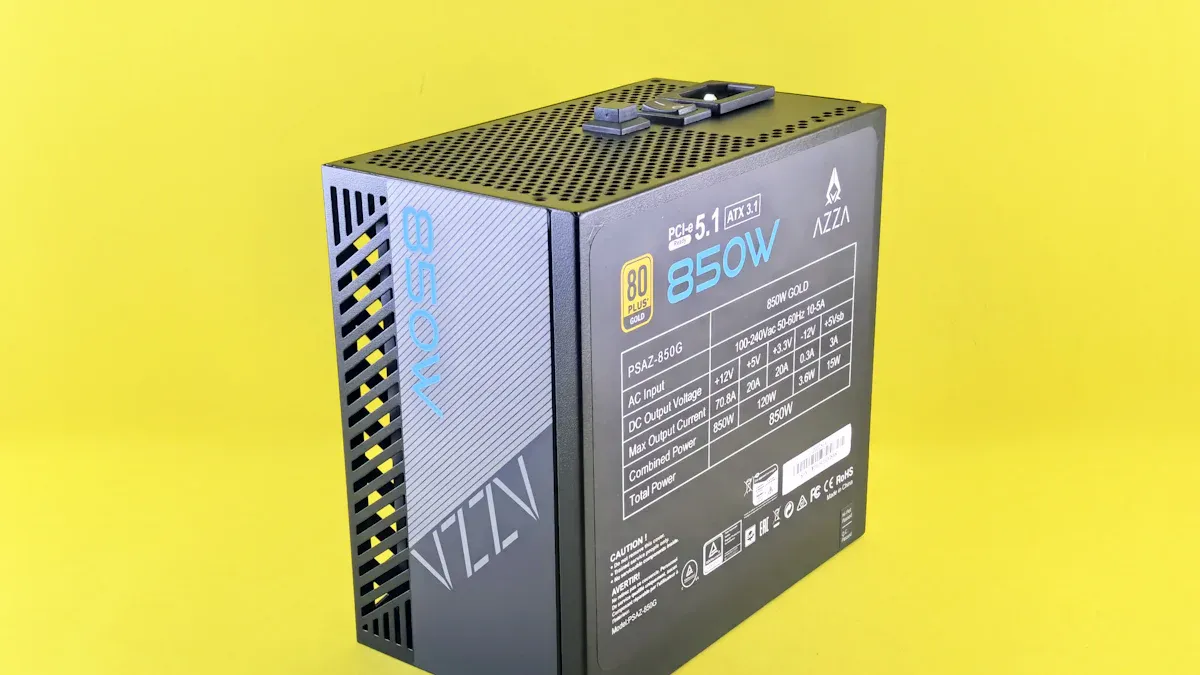
High-efficiency telecom rectifier system design, including solutions from ESTEL, enables telecom operators to reduce long-term operation and maintenance costs by a significant margin. Operators can achieve up to a 30–35% reduction in O&M expenses, as shown below:
Metric | Impact on O&M Costs | Explanation |
|---|---|---|
O&M Cost Reduction | Up to 30-35% reduction | Achieved through energy savings, improved rectifier efficiency, and hybrid power integration. |
Energy efficiency and reliability have a direct effect on operational costs. Hybrid energy management systems lower expenses and emissions. These systems ensure uninterrupted service and reduce electricity bills. Remote monitoring cuts maintenance trips, which saves both fuel and labor costs. Integration of renewable energy sources in outdoor cabinets further enhances reliability and reduces costs.
Key Takeaways
High-efficiency rectifier systems can cut O&M costs by up to 35%.
Upgrading to efficient modules saves energy and lowers utility bills.
Modular designs reduce maintenance needs and extend equipment life.
Remote monitoring cuts maintenance trips and saves costs.
Modern systems support renewable energy, reducing grid reliance.
Reducing O&M Costs with High-Efficiency Design
Energy Savings and Lower Utility Bills
Telecom operators face rising energy costs as network demand grows. High-efficiency rectifier systems play a critical role in reducing these expenses. Operators who upgrade to advanced modules see a direct impact on their utility bills. For example, a telecom cabinet equipped with a 92% efficient rectifier consumes about 95,652 kWh annually. When upgraded to a 96% efficient module, consumption drops to 91,667 kWh, saving nearly 4,000 kWh each year. Over time, these savings accumulate, with some operators reporting cumulative electricity savings of around £9 million over five years after switching to 98% efficiency technology.
Efficiency Level | Annual Savings ($) | |
|---|---|---|
92% to 96% | 3,726 | 559 |
92% to 98% | 6,013 | 902 |
Energy consumption can account for 20-40% of network OPEX. By adopting a Telecom Rectifier System with efficiency rates above 96%, operators reduce wasted power by up to 62% per site. Lower grid bills and reduced diesel use further decrease operational expenses. These systems also support hybrid power integration, optimizing energy utilization and minimizing waste.
💡 Tip: Upgrading to high-efficiency rectifiers often results in a payback period between six months and three years, depending on energy prices and system size.
Maintenance Reduction and System Longevity
Modern Telecom Rectifier System designs incorporate features that minimize maintenance requirements and extend equipment lifespan. Modular designs allow operators to replace or upgrade components quickly, reducing the need for frequent site visits. Smart rectifier modules enable remote monitoring, which can cut maintenance visits by up to 40%. Predictive maintenance strategies detect potential failures early, supporting high network availability and minimizing service interruptions.
Improved conversion efficiency reduces energy losses and heat generation.
Equipment runs cooler, which extends its operational life.
Enhanced power density and reliability contribute to longer system longevity.
Battery life can reach up to 10 years, lowering replacement costs.
Operators benefit from reduced downtime and improved reliability. Extended battery life and cooler operating conditions mean less frequent maintenance and lower long-term costs. Regulatory standards and sustainability mandates also encourage the adoption of these advanced systems, driving further investment in high-efficiency solutions.
📈 Note: ESTEL’s Telecom Rectifier System prioritizes energy efficiency and reliability, helping operators achieve up to 75% energy cost savings and significantly lower maintenance expenses.
Telecom Rectifier System: Traditional vs. Modern Approaches

Legacy System Inefficiencies
Legacy telecom rectifier systems present several challenges that drive up operation and maintenance costs. Operators often face complex site management processes, which involve multiple stages such as engineering surveys, negotiations, and civil construction. These steps result in long deployment cycles and high investment requirements. Traditional equipment rooms require significant capital and operational expenditures due to the need for managing multiple systems.
Operators using older systems rely on manual on-site inspections for troubleshooting. This approach proves costly and inefficient, especially as the number of connections and sites increases with the expansion of 5G networks. The use of lead-acid batteries in legacy setups introduces coordination and management difficulties, leading to resource wastage and operational headaches.
Other inefficiencies include:
Higher energy consumption due to outdated rectifier technology.
Output limited to 48V DC, which requires heavier cables and increases energy losses.
Frequent maintenance visits because of limited fault management capabilities.
These factors contribute to elevated O&M costs and reduced network reliability.
Modern Solutions by ESTEL
ESTEL’s modern Telecom Rectifier System addresses legacy inefficiencies through advanced design and technology. The system supports a wide range of communication protocols and rack sizes, making integration seamless for operators. Modular architecture allows for capacity expansion without replacing the entire system. Operators can quickly replace faulty modules, minimizing downtime and reducing maintenance frequency.
The system achieves conversion rates above 96%, which significantly lowers energy waste and operating costs. Flexible installation options enable adaptation to new technologies or project requirements. Integration with smart management systems optimizes energy usage and enhances overall efficiency.
Operators deploying ESTEL’s Telecom Rectifier System report measurable improvements in O&M costs. For example:
Client / Case Study | Performance Metrics and Cost Savings Reported |
|---|---|
Southeast Asia Mobile Operator | Lowered annual O&M costs |
European Tower Company | Cut emergency maintenance trips |
These results demonstrate the impact of modern rectifier solutions on operational efficiency and cost control.
Key Features of ESTEL Telecom Rectifier System
Modular and Scalable Design
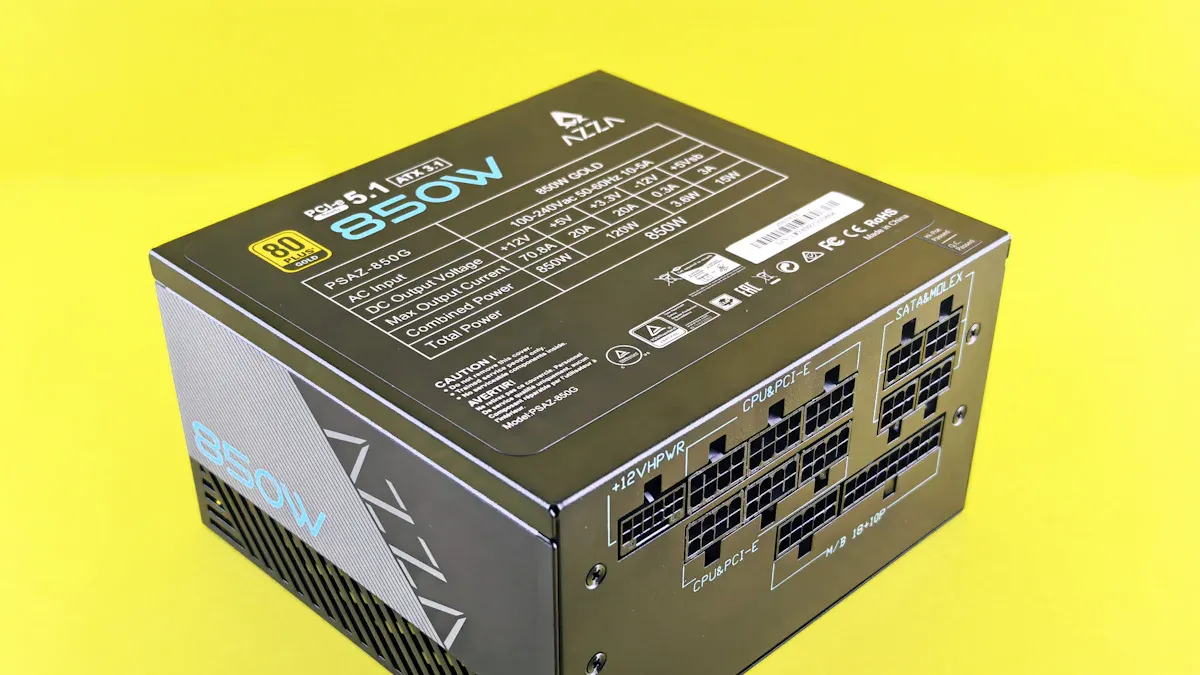
ESTEL’s Telecom Rectifier System features a modular architecture that allows operators to expand capacity or replace faulty modules quickly. This design streamlines maintenance and minimizes downtime. Operators can scale the system to match network growth without investing in new infrastructure. The modular approach also simplifies upgrades, enabling teams to deploy new technologies efficiently.
Operators replace modules individually, reducing service interruptions.
Scalable design supports future network expansion.
Maintenance teams spend less time on-site, lowering labor costs.
🛠️ Tip: Modular systems help operators avoid costly overhauls and keep networks running smoothly during upgrades.
Intelligent Power Management
Intelligent power management optimizes energy use and reduces operational expenses. ESTEL’s system uses advanced power distribution units to minimize energy waste. The system achieves efficiency ratings up to 97.83% at 277 Vac, which lowers electricity bills and carbon emissions. Integration with renewable energy sources further enhances sustainability.
Intelligent PDUs reduce energy waste by 20%.
Real-time energy management adjusts power delivery based on demand.
Operators see up to a 30% drop in energy use and a 40% reduction in CO2 emissions.
⚡ Note: Smart energy management leads to measurable cost savings and supports environmental goals.
Centralized Monitoring and Remote Diagnostics
Centralized monitoring and remote diagnostics transform maintenance operations. ESTEL’s Telecom Rectifier System provides real-time data on power consumption, temperature, and humidity. Automated monitoring systems enable predictive maintenance, allowing teams to address issues before they escalate. Operators benefit from faster incident resolution and reduced mean time to repair.
Feature/Benefit | Description |
|---|---|
Centralized monitoring | Automates routine tasks, increases productivity, and reduces errors. |
Predictive maintenance | Uses historical data to anticipate problems, lowering repair costs. |
Enables quick response, minimizing service disruptions and downtime. | |
Surge protection | Safeguards equipment, ensuring reliability and cost efficiency. |
📊 Alert: Investments in centralized monitoring deliver measurable gains in reliability and overall cost savings.
Real-World Impact and Case Examples
O&M Cost Savings in Practice
Telecom operators often face high operation and maintenance expenses. Practical examples show that targeted upgrades and strategic changes can yield significant savings. Many operators have discovered that their O&M costs exceed industry benchmarks by a wide margin. For instance:
A telecom provider in the MENA region spent 30% to 40% more than its peers. By optimizing resource allocation, the company identified a 27% savings opportunity.
Another operator realized it was paying up to 2.5 times more per incident than the industry average. After renegotiating contracts, the company brought costs in line with benchmarks.
A large telecom consolidated managed services under a single vendor, which reduced project costs by approximately 12%.
These examples highlight the importance of benchmarking and proactive management. Operators who analyze their spending patterns and adopt efficient systems can achieve measurable reductions in O&M costs.
ESTEL Success Stories
Operators who deploy ESTEL’s high-efficiency Telecom Rectifier System report substantial improvements in both cost and performance. Several quantifiable results stand out:
One city provider achieved a 20% reduction in energy consumption after installing ESTEL rectifiers, leading to significant operational savings.
Automation and AI-driven monitoring in ESTEL systems decreased downtime and maintenance expenses, improving equipment uptime.
Operators using ESTEL’s solutions reduced energy use by 15%, supporting both cost control and sustainability goals.
High-efficiency rectifiers from ESTEL cut power loss by up to 75%, which directly lowers operational costs.
Modern rectifier systems from ESTEL consistently achieve energy conversion efficiency above 96%, minimizing waste and maximizing reliability.
📊 Operators who invest in advanced rectifier technology not only reduce expenses but also enhance network reliability and environmental performance.
High-efficiency telecom rectifier systems, such as those from ESTEL, directly lower long-term O&M costs by combining energy savings, reduced maintenance, and improved reliability. Operators benefit from intelligent, unattended operation and green energy integration, as shown below:
Benefit | Description |
|---|---|
Green and Cost-Efficient | Solar integration and energy storage cut grid reliance and O&M costs. |
Intelligent & Unattended Operation | Cloud-based monitoring reduces site visits and expenses. |
Operators should regularly review system performance, follow preventive maintenance schedules, and implement real-time monitoring to maximize savings and network uptime.
FAQ
What is a Telecom Rectifier System?
A Telecom Rectifier System converts alternating current (AC) to direct current (DC) for telecom equipment. It ensures stable power delivery, supporting reliable network operations in various environments.
How does a modular design benefit telecom operators?
A modular design allows operators to replace or upgrade individual modules quickly. This approach reduces downtime, simplifies maintenance, and supports future network expansion without major infrastructure changes.
Can the Telecom Rectifier System support renewable energy integration?
Yes. The system can integrate with solar panels and other renewable sources. This capability helps operators reduce grid reliance, lower operational costs, and meet sustainability goals.
How does remote monitoring improve maintenance efficiency?
Remote monitoring provides real-time data on system performance. Operators can detect issues early, schedule maintenance proactively, and minimize site visits, which saves time and reduces costs.
What efficiency levels do modern Telecom Rectifier Systems achieve?
Modern systems, such as those from ESTEL, achieve efficiency rates above 96%. High efficiency reduces energy loss, lowers utility bills, and supports environmental sustainability.
See Also
Integrated Solar Inverter And Battery Solutions For Telecom Cabinets
Ensuring Consistent Power Supply For Telecom Cabinet Operations
Solar Energy Storage Solutions For Telecom Cabinet Power Needs
Advantages Of Lithium Batteries Over Other Options In Telecom Cabinets
Calculating Power Systems And Battery Needs For Telecom Cabinets
CALL US DIRECTLY
86-13752765943
3A-8, SHUIWAN 1979 SQUARE (PHASE II), NO.111, TAIZI ROAD,SHUIWAN COMMUNITY, ZHAOSHANG STREET, NANSHAN DISTRICT, SHENZHEN, GUANGDONG, CHINA
