Rectifier efficiency curves compared at 25–75% load

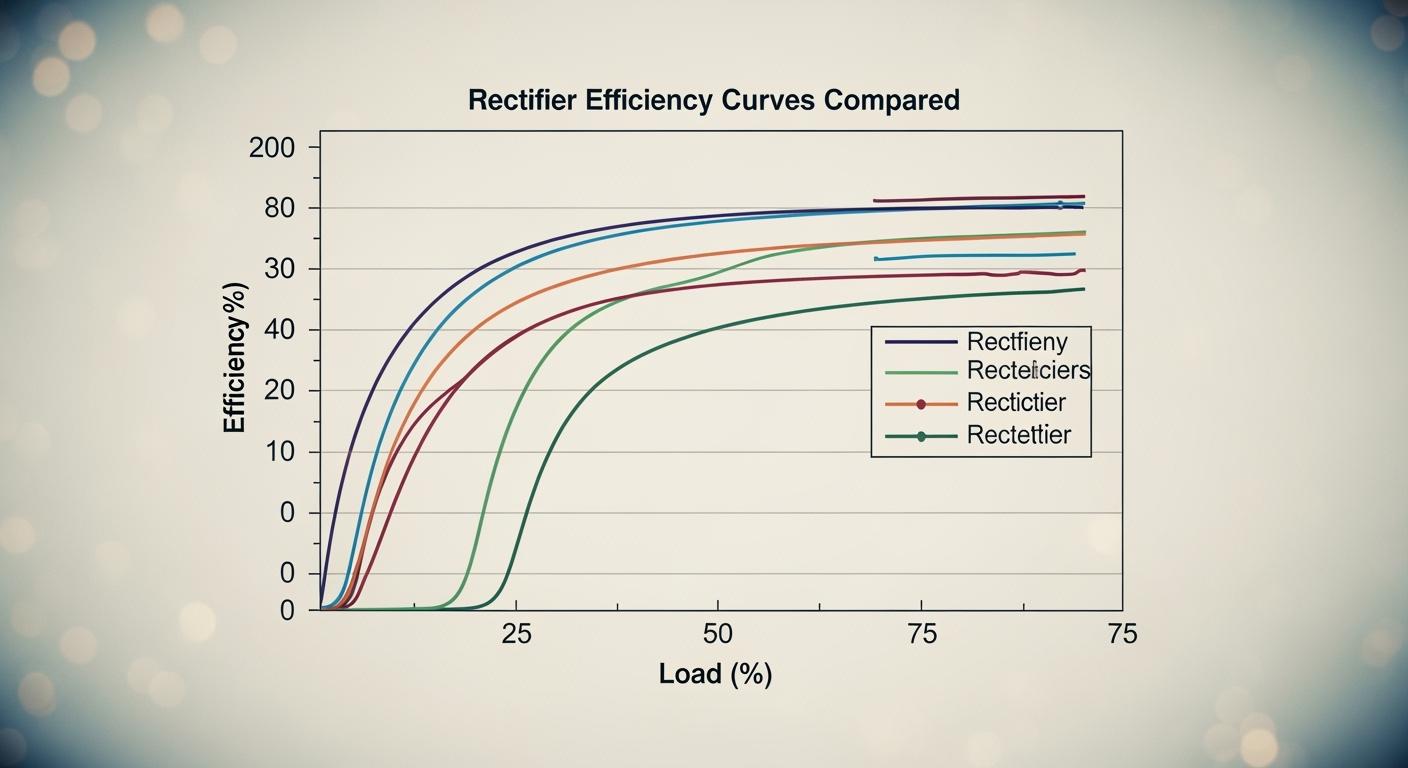
Operators find that a flat efficiency curve delivers the best performance at 25–75% load. Efficiency curves matter because they directly affect energy consumption and operational costs. Industry reports show that as networks expand, high efficiency becomes essential for lowering expenses and supporting advanced technologies. ESTEL demonstrates a strong commitment to high-efficiency solutions that meet international standards. Comparing efficiency at partial loads helps telecom operators select reliable power systems, such as the Telecom Rectifier System, for everyday network operations.
Key Takeaways
A flat efficiency curve is ideal for telecom rectifiers, ensuring consistent performance and energy savings across varying loads.
Investing in high-efficiency rectifiers can significantly lower energy costs and reduce maintenance needs, leading to long-term savings.
Operators should select rectifiers that maintain high efficiency at partial loads to enhance reliability and minimize energy waste.
Utilizing advanced technologies, like AI-driven monitoring, can help operators optimize performance and reduce downtime.
Choosing modular rectifier systems allows for easy scalability, supporting future network growth and upgrades.
Telecom Rectifier System efficiency overview
What is an efficiency curve?
An efficiency curve shows how well a rectifier converts AC power to DC power at different load levels. In telecom applications, operators use efficiency curves to measure how much energy the system saves as network demand changes. A flat efficiency curve means the rectifier performs consistently, even when the load varies. This consistency helps telecom networks stay reliable and reduces wasted energy. Recent advancements in rectifier technology have improved energy efficiency, with new models reaching a power factor of 0.99 and efficiency rates of 95%. These improvements help operators lower energy costs and support sustainable network growth.
Typical curve shapes in telecom
Telecom rectifiers often display three main curve shapes: rising, falling, and flat. A rising curve shows higher efficiency at greater loads, while a falling curve loses efficiency as the load increases. The flat curve stands out because it maintains high efficiency across a wide range of loads. Operators prefer flat curves for their ability to deliver stable performance during peak and off-peak hours. Modern rectifiers use Schottky diode modules, which offer low forward voltage drop and minimal switching losses. Effective cooling systems and real-time monitoring also help maintain a flat efficiency curve, reducing energy consumption and maintenance needs.
Tip: Flat efficiency curves are ideal for telecom networks that experience frequent changes in power demand.
ESTEL system benchmarks
ESTEL sets high standards for rectifier efficiency. The Telecom Rectifier System achieves peak efficiency of 97.83% at 277 VAC and maintains above-target efficiency at full load. The system meets international benchmarks, including a power factor of 0.99 and total harmonic distortion of 1.12%. Efficiency at partial loads remains above 97%, ensuring reliable performance in real-world conditions. ESTEL rectifiers comply with global safety standards such as UL 60950-1, IEC 60950-1, and EN 60950-1. The table below summarizes key benchmarks:
Metric | Value |
|---|---|
Peak Efficiency | 97.83% |
Voltage for Peak Efficiency | 277 VAC |
Power Factor | 0.99 |
Total Harmonic Distortion | 1.12% |
Efficiency at Partial Loads | >97% |
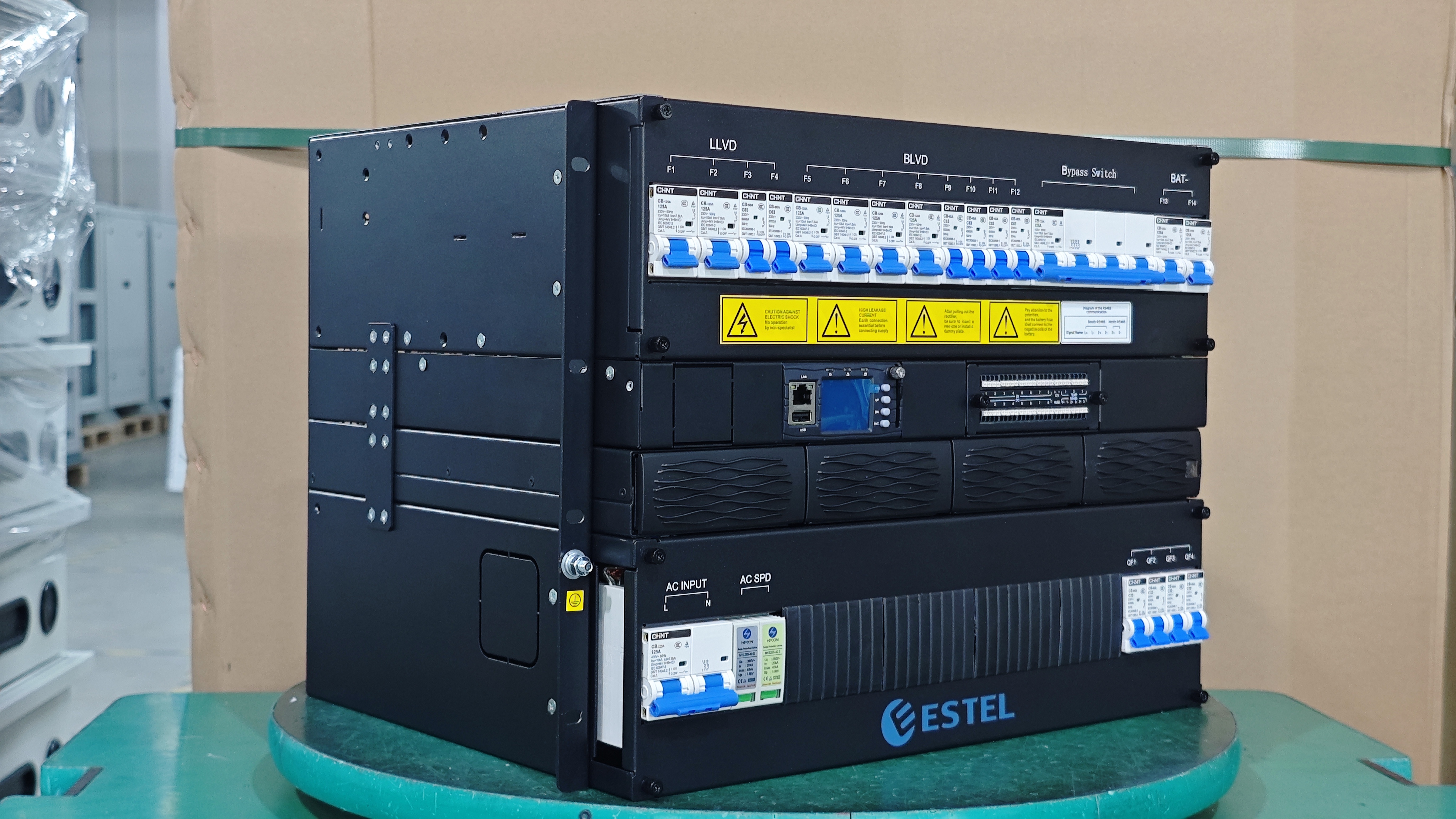
Operators choose ESTEL systems for their modular design, stable power output, and ability to withstand harsh climatic conditions. These features make the Telecom Rectifier System a reliable choice for modern telecom networks.
Efficiency at 25–75% load
Performance at 25% load
Rectifiers often operate at partial loads in telecom networks. At 25% load, efficiency can drop in many systems. Operators notice that older rectifier designs lose more energy as heat when the load is low. Modern systems, such as those using continuous conduction mode, maintain higher efficiency by reducing current ripple. The Telecom Rectifier System from ESTEL keeps efficiency above 97% even at 25% load. This performance helps operators save energy during off-peak hours. Stable efficiency at low loads also means less heat generation, which reduces cooling requirements and extends equipment life.
Performance at 50% load
Efficiency at 50% load plays a critical role in telecom operations. Networks rarely run at full capacity all the time. Operators often see variable loads, especially in remote or fluctuating environments. High efficiency at this midpoint leads to several benefits:
Lower energy loss means less heat produced.
Electricity bills decrease because the system uses less power.
Cooling needs drop, which saves money on air conditioning.
Long-term savings offset initial investments in advanced rectifier modules.
Reliability improves, supporting uninterrupted telecom service.
Switching losses can affect efficiency at lower power levels. Bridgeless totem-pole designs and continuous conduction mode help maintain high efficiency. The Telecom Rectifier System uses these advanced technologies to deliver consistent performance at 50% load. Operators value this stability because it supports network reliability and reduces operational costs.
Performance at 75% load
At 75% load, rectifiers approach their peak operating range. Many systems show their highest efficiency near this point. ESTEL’s Telecom Rectifier System maintains efficiency above 97% at 75% load. This consistency ensures that telecom networks run smoothly during busy periods. Operators benefit from reduced energy waste and lower cooling expenses. High efficiency at 75% load also supports sustainability goals by minimizing the carbon footprint of telecom sites.
Curve comparison with ESTEL
Comparing efficiency curves reveals the advantages of a flat curve. Many rectifiers show rising or falling efficiency as the load changes. A flat curve, like the one achieved by ESTEL’s Telecom Rectifier System, keeps efficiency high from 25% to 75% load. The table below highlights typical efficiency values for industry-standard rectifiers and ESTEL’s system:
Load Level | Industry Standard Efficiency | ESTEL Telecom Rectifier System Efficiency |
|---|---|---|
25% | 92–95% | >97% |
50% | 94–96% | >97% |
75% | 95–97% | >97% |
Operators see clear benefits with a flat efficiency curve:
Energy savings remain consistent across different load levels.
Adaptive management allows networks to respond quickly to changing demands.
Reduced heat output lowers cooling costs and extends equipment lifespan.
Note: A flat efficiency curve supports both operational savings and environmental sustainability. ESTEL’s Telecom Rectifier System demonstrates this advantage in real-world telecom sites.
Impact on energy and cost
Electricity usage differences
Telecom operators often focus on how much electricity their networks use. Efficiency improvements in rectifier systems can lead to significant reductions in energy consumption. The table below shows how different efficiency levels affect annual energy use and long-term savings:
Efficiency Level | Energy Savings (kWh) | Cumulative Savings Over 5 Years (£) | |
|---|---|---|---|
92% | 95,652 | N/A | N/A |
96% | 91,667 | 4,000 | 9,000,000 |
A small increase in efficiency can save thousands of kilowatt-hours each year. Over five years, these savings add up and help operators lower their operational costs.
Cost savings with high efficiency
High-efficiency rectifiers provide direct financial benefits. Operators who upgrade to more efficient systems see lower electricity bills and faster returns on investment. Real-world examples highlight these savings:
Upgrading from 92% to 96% efficiency results in savings of about $559 per year for each cabinet.
Moving from 92% to 98% efficiency leads to savings of around $902 per year for each cabinet.
Managing 100 sites can yield annual savings of $90,200.
Many operators experience a payback period as short as six months.
Major telecom operators in Canada reduced their equipment footprint by 58% and doubled backup time while lowering costs.
In the UAE, Etisalat cut generator use by 75% and saved fuel at off-grid sites.
These examples show that investing in high-efficiency rectifiers quickly pays off and supports network growth.
ESTEL value for telecom sites
The Telecom Rectifier System from ESTEL delivers value through high efficiency, modular design, and advanced monitoring. These features lower the total cost of ownership for telecom operators. The table below outlines how key features impact costs:
Feature | Impact on TCO |
|---|---|
Over 96% efficiency | |
Modular rack-mount structure | Lowers installation costs |
Real-time monitoring | Reduces repair expenses |
Robust materials | Extends system lifespan |
Operators who choose ESTEL benefit from reliable power, reduced maintenance, and long-term savings. These advantages make ESTEL a strong choice for telecom sites aiming to improve efficiency and control costs.
Network-wide benefits
Aggregate efficiency impact
Efficiency curves shape the overall performance of telecom networks. When operators deploy rectifiers with flat efficiency curves, they see consistent energy savings across all sites. This consistency means less power loss, lower heat output, and improved reliability. Networks that use high-efficiency rectifiers experience fewer outages and reduced maintenance needs. Operators can scale their networks without worrying about rising energy costs or unpredictable performance. The following table highlights the long-term financial benefits of deploying high-efficiency rectifiers across telecom networks:
Benefit Type | Description |
|---|---|
Energy Savings | High-efficiency rectifiers can reduce power loss by up to 75%, leading to significant energy cost reductions. |
Reduced Operational Costs | The quick return on investment from deploying efficient rectifiers helps offset rising energy costs. |
Environmental Impact | Lower carbon emissions contribute to sustainability goals, which can enhance corporate reputation and reduce regulatory costs. |
Long-term savings
Operators who invest in efficient rectifier systems see savings that grow over time. Lower energy consumption leads to reduced electricity bills year after year. Maintenance costs drop because equipment runs cooler and lasts longer. Quick returns on investment help operators allocate resources to network expansion and technology upgrades. Over several years, these savings can fund new projects and improve service quality for customers. Reliable power delivery also means fewer service interruptions, which protects revenue and customer trust.
Sustainability with ESTEL
ESTEL supports sustainability goals in telecom operations through advanced rectifier solutions. Their systems use energy-saving modes and intelligent monitoring to lower energy consumption. Modular designs allow operators to scale networks efficiently, minimizing waste during upgrades. ESTEL rectifier systems connect with solar panels and wind turbines, helping reduce carbon footprints. Maximum power point tracking technology boosts the efficiency of renewable energy sources. These features help operators meet environmental targets and improve their corporate reputation.
Operators who choose the Telecom Rectifier System from ESTEL benefit from optimized efficiency, long-term savings, and a strong commitment to sustainability.
Choosing the right rectifier
Matching curves to load profiles
Telecom operators must match rectifier efficiency curves to their network’s load profile. Selecting a rectifier that maintains high efficiency at typical operating loads helps reduce energy waste and improve reliability. The following table shows how industry standards relate to efficiency at 50% load and their relevance for telecom applications:
Standard | Minimum Efficiency (at 50% load, 40°C) | Relevance |
|---|---|---|
80 PLUS Titanium | ≥ 96% | Rare in telecom; indicates top-tier design |
ETSI EN 300 132-2 | ≥ 92% | European telecom infrastructure standard |
NEBS Level 3 | Not efficiency-specific, mandates thermal validation | Critical for carrier-grade deployments |
Operators should review their network’s average load and select rectifiers that meet or exceed these standards. A flat efficiency curve ensures consistent performance during both peak and off-peak hours.
Tips for telecom decision-makers
Decision-makers in telecom must consider several practical steps when choosing rectifiers for their networks:
Target rectifiers with at least 99% energy efficiency to minimize losses and lower costs.
Use AI-driven predictive maintenance to monitor performance and reduce downtime.
Schedule regular inspections to check for damage, corrosion, or loose connections, and maintain optimal operating temperatures.
Employ diagnostic tools such as multimeters and thermal cameras to detect early failures, and follow manufacturer guidelines during maintenance.
Choose modular and scalable rectifier systems with remote monitoring and digital controls for easier management.
Tip: Modular systems allow operators to expand capacity as network demand grows, supporting future upgrades.
Why choose ESTEL
ESTEL offers unique advantages for telecom operators seeking high-efficiency solutions. The Telecom Rectifier System stands out for its ultra-modular design, advanced AI integration, and superior conversion efficiency. The table below compares ESTEL’s rectifier modules to competitor products:
Feature | ESTEL’s Delta Rectifier Modules | Competitors’ Modules |
|---|---|---|
Modularity | Ultra-modular designs | Limited modular options |
AI Integration | Predictive analytics & self-optimization | Basic AI capabilities |
Conversion Efficiency | >98% | 94–96% |
Applications | Automotive, hybrid vehicles, industrial automation solutions | Primarily automotive |
Operators benefit from scalable architecture, intelligent monitoring, and robust performance in diverse environments. ESTEL’s commitment to international standards and innovative features makes it a preferred choice for telecom networks aiming for reliability and efficiency.
A flat efficiency curve delivers the best results for telecom rectifiers at 25–75% load. Operators see lower energy costs, improved reliability, and reduced maintenance. ESTEL’s Telecom Rectifier System stands out with high efficiency and modular design. Key recommendations include investing in durable components, selecting the right redundancy level, and following best installation practices. Operators should assess their network’s load profile and efficiency needs to maximize long-term savings and uptime.
N+1 redundancy balances reliability and cost.
High-quality rectifiers can cut maintenance costs by 35%.
FAQ
What is a rectifier efficiency curve?
A rectifier efficiency curve shows how well a rectifier converts AC power to DC power at different load levels. Operators use these curves to measure energy savings and system performance.
Why does efficiency matter at partial loads?
Efficiency at partial loads affects energy consumption and operating costs. Telecom networks often run below full capacity. High efficiency at these levels helps operators save money and reduce heat.
How does ESTEL’s Telecom Rectifier System compare to industry standards?
ESTEL’s Telecom Rectifier System maintains efficiency above 97% from 25% to 75% load. Most industry-standard rectifiers reach only 92–96% efficiency at similar loads.
Note: Consistent high efficiency supports lower energy bills and longer equipment life.
Can ESTEL rectifiers operate in harsh outdoor environments?
ESTEL designs rectifiers with robust materials and advanced cooling systems. These features allow reliable operation in extreme temperatures, humidity, and dust, making them suitable for outdoor telecom sites.
See Also
In-Depth Analysis of Eco-Friendly Air Conditioning Units
Exploring Global Guidelines for Communication Power Sources
Formula for Choosing Air Conditioning in ESTEL Telecom Cabinets
Methods for Calculating Power Systems and Batteries in Telecom Cabinets
Ensuring Correct Voltage Levels in ESTEL Communication Cabinets
CALL US DIRECTLY
86-13752765943
3A-8, SHUIWAN 1979 SQUARE (PHASE II), NO.111, TAIZI ROAD,SHUIWAN COMMUNITY, ZHAOSHANG STREET, NANSHAN DISTRICT, SHENZHEN, GUANGDONG, CHINA
