Rectifier energy efficiency: Operating Expense and thermal management impact

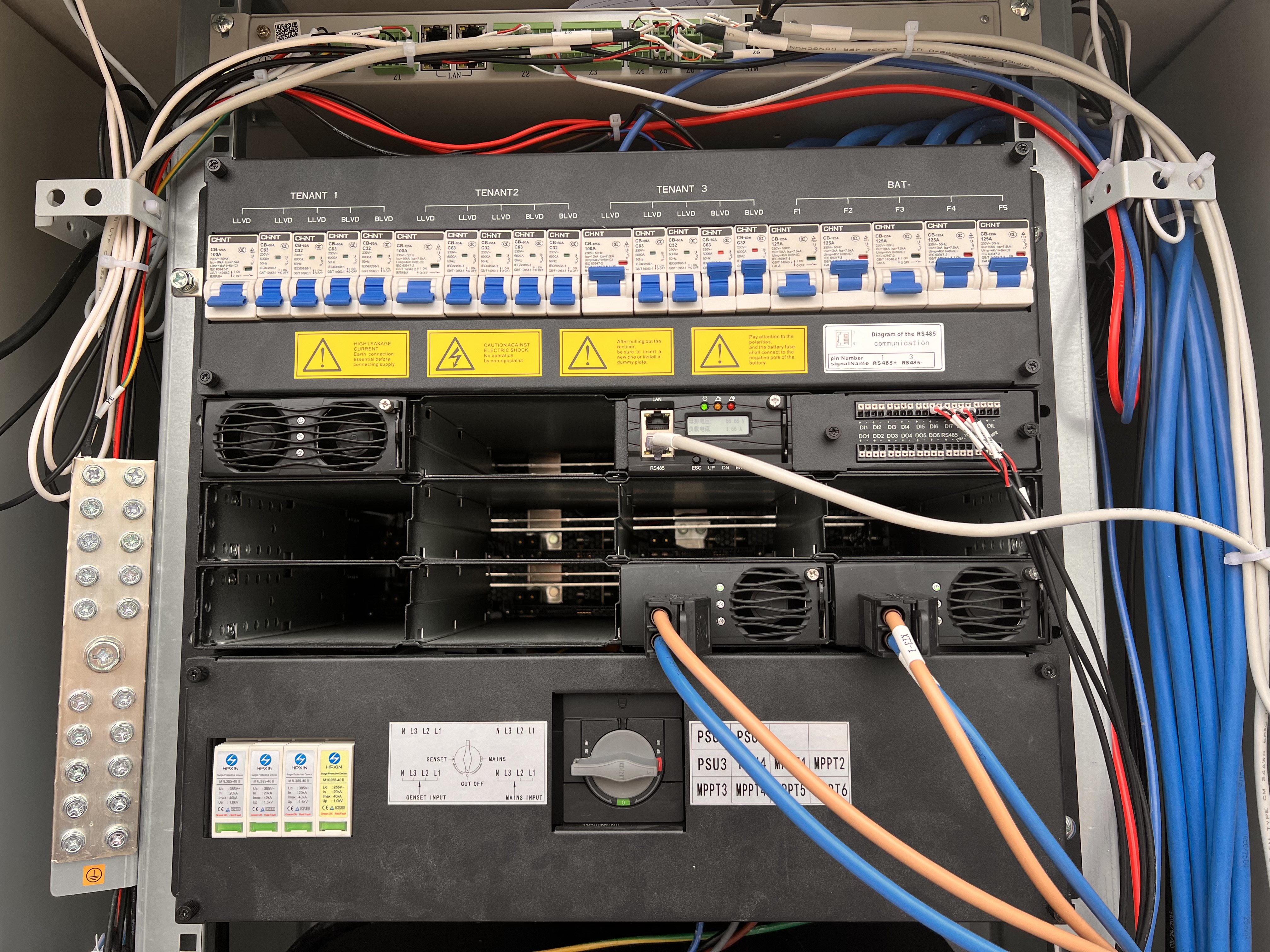
You can lower your operating expenses by improving the energy efficiency of your telecom rectifier system. Efficient rectifiers help you reduce cooling costs and minimize power loss.
You might see up to a 75% reduction in power loss when you upgrade to high-efficiency rectifiers, which leads to faster returns on investment and a smaller carbon footprint.
Metric | ESTEL Rectifier Modules | Industry Standard |
|---|---|---|
Efficiency | >98% | 94–96% |
ESTEL leads the way with advanced solutions that set new benchmarks for efficiency and reliability.
Key Takeaways
Upgrading to high-efficiency rectifiers can reduce power loss by up to 75%, leading to significant energy savings and lower operational costs.
Choosing rectifiers with over 98% efficiency minimizes energy waste, which helps you save money on electricity bills and maintenance.
Implementing advanced cooling technologies and structured maintenance routines can lower operational expenses and extend the lifespan of your equipment.
Real-time monitoring tools can track energy use and system performance, helping you make informed decisions and save on maintenance costs.
Investing in energy-efficient rectifiers not only cuts costs but also supports sustainability goals, making your telecom operations more environmentally friendly.
Rectifier Efficiency & Operating Expense
Energy Losses and Cost Impact
You face several sources of energy loss in a telecom rectifier system. Outdated technology increases energy consumption. Heavy cables, required for limited output voltages like 48V DC, add to energy losses. Poor fault management means you need more maintenance visits, which raises your opex.
Traditional telecom rectifiers convert AC to DC power, but this process wastes about 20% of the total power consumed. As you expand your network to support 5G, power demands nearly double compared to 4G. These inefficiencies lead to higher electricity bills and increased operational expenses.
Outdated rectifier technology increases energy consumption.
Heavy cables for low output voltages add to losses.
Frequent maintenance visits raise costs.
AC to DC conversion wastes significant power.
5G networks require more power, increasing losses.
When you choose a telecom rectifier system with a 98 percent-efficient rectifier, you minimize these losses. ESTEL rectifiers consistently achieve efficiency ratings above 95%, with peak performance reaching 96.3%. This high level of energy efficiency translates directly into energy cost savings and lower opex.
Feature | ESTEL Rectifiers | Industry Standards |
|---|---|---|
Efficiency Rating | Above 95% | Varies (often lower) |
Energy Loss Minimization | Yes | No |
Operational Cost Reduction | Significant | Limited |
Thermal Management Challenges
You encounter thermal management challenges when your rectifier system operates inefficiently. Conversion losses during AC to DC power change generate excess heat. Traditional ORing diodes produce even more heat, which increases cooling system demands and energy consumption.
High temperatures can shorten the lifespan of electronic components. You may need to replace equipment more often, which increases maintenance costs. Operators maintain safe temperature limits up to 55°C to prevent overheating. If ambient temperatures rise above this threshold, equipment wear accelerates.
Factor | Impact on Equipment Lifespan |
|---|---|
Excess Heat | Degrades components and reduces efficiency |
Safe Temperature Limits | Operators maintain limits up to 55°C to prevent overheating |
Advanced Heat Management | Use of heat sinks and sensors to manage heat effectively |
High Ambient Temperatures | Above 55°C accelerates equipment wear |
Benefits of High-Efficiency Systems
High-efficiency rectifiers offer several advantages for your telecom operations. You reduce cabling costs because higher DC voltages allow for lighter gauge cables. Improved fault management features stop power immediately when a fault occurs, which enhances safety. Higher voltages minimize voltage drop along cables, ensuring efficient power delivery.
Lighter gauge cables lower installation costs.
Fault management improves safety and reliability.
Higher voltages reduce voltage drop and boost performance.
Reliable DC power minimizes energy loss and heat generation.
Lower cooling needs decrease operational expenses.
Compatibility with hybrid energy solutions supports sustainability.
You benefit from energy savings and improved performance when you use ESTEL high-efficiency rectifiers. These systems help you manage the growing energy demands of 5G networks and data centers. Ultrafast rectifiers maintain energy efficiency in high-speed, low-loss power conversion scenarios. As the telecom power system market grows, investing in efficient rectifiers helps you control opex and support sustainable operations.
Tip: Real-time monitoring and optimization with IoT technologies can further enhance your energy efficiency and reduce operational expenses.
Energy Savings & ROI with ESTEL Telecom Rectifier System
Quantifying Energy Cost Savings
You can measure the impact of upgrading your telecom rectifier system by looking at annual energy savings. When you switch from a 92% efficient unit to a 98 percent-efficient rectifier, you see a dramatic reduction in wasted energy. The following table shows typical results for telecom operators who choose high-efficiency rectifiers:
Efficiency Upgrade | Energy Savings (kWh/year) | Annual Savings ($) |
|---|---|---|
92% to 96% | 559 | |
92% to 98% | 6,013 | 902 |
You benefit from lower operational expenses and a smaller carbon footprint. Modern rectifiers help you achieve these savings while supporting the growing demands of your network.
ROI of Upgrading Rectifiers
You want to know how quickly your investment pays off. Upgrading rectifier systems with ESTEL technology leads to a fast return on investment. The payback period for a 97.8% efficient system is usually under two years. Many operators report achieving ROI in as little as 18 months. Annual energy savings can range from $600 to $30,000, depending on your system size and usage.
You can expect a payback period of less than two years.
Some operators see ROI in just 18 months.
Annual savings vary based on system efficiency and operational conditions.
You reduce opex and improve your bottom line when you invest in high-efficiency rectifiers.
Case Study: ESTEL System Performance
Real-world examples show how ESTEL telecom rectifier system upgrades deliver strong performance and cost savings. In a rural village, batteries lasted 30% longer, which meant fewer replacements and less maintenance. A city telecom provider used 20% less energy and saved thousands of dollars each year. Coastal operators maintained reliable service during heavy rain, showing improved performance in harsh conditions.
Case Study Description | Performance Improvement | Cost Savings |
|---|---|---|
Rural telecom system in a small village | Batteries lasted 30% longer | Fewer replacements and less maintenance |
City telecom provider | Used 20% less energy | Saved thousands of dollars annually |
Coastal telecom system | Maintained operation during heavy rain | Improved reliability during adverse weather |
You see clear benefits in energy savings, reliability, and reduced operational expenses when you choose ESTEL solutions.
Energy Efficient DC Power Systems in Telecom
Cost, Reliability, and Sustainability
You need reliable power for your telecom network to keep services running without interruption. Energy efficient DC power systems help you achieve this goal. These systems use advanced technology to reduce energy loss and improve performance. You can see the main benefits in the table below:
Benefit | Description |
|---|---|
Reliability | DC power systems provide steady service, reducing energy loss and enhancing operational efficiency. |
Energy Efficiency | They can achieve over 92% efficiency, significantly lowering energy consumption. |
Compatibility with Renewables | These systems integrate well with solar and wind energy, minimizing energy waste. |
Cost Reduction | By using less energy and optimizing operations, they lower overall costs for telecom setups. |
Scalability | Modular design allows for easy upgrades to meet increasing communication demands. |
Switching DC power supplies have changed the way you manage costs. Traditional linear DC power supplies waste energy and create extra heat. Modern rectifiers reach over 92% efficiency, which means you save money and reduce heat in your equipment.
Regulatory and Environmental Drivers
You must follow strict rules and standards in the telecom industry. These standards help protect the environment and ensure safe operation. The table below shows some important regulations:
Standard | Description |
|---|---|
ETSI EN 300 132-2 | Ensures compliance for telecommunications equipment to avoid electromagnetic noise emissions. |
UN 38.3 | Safety and transport standards for shipments of battery systems. |
The ICT industry must lower its impact on climate change.
Improving energy efficiency in telecom products reduces your operational costs.
ETSI creates standards to help you meet energy efficiency targets set by the European Commission.
Many countries now require you to use cleaner energy and meet emission limits. You need to choose solutions that help you comply with these rules.
ESTEL Power System Solutions
You can rely on ESTEL for advanced power system solutions that support your efficiency and sustainability goals. ESTEL’s modular rectifier systems let you add capacity without replacing the whole system. Hot-swappable modules keep your services online during upgrades or maintenance. Advanced monitoring tools give you real-time diagnostics, so you can track performance and fix issues quickly.
Feature | Benefit |
|---|---|
Modular Design | Allows capacity addition without system replacement. |
Hot-Swappable Modules | Keeps services online during upgrades or maintenance. |
Advanced Monitoring | Provides real-time diagnostics for performance tracking and quick issue response. |
ESTEL power systems work well with renewable energy sources. You can reduce your carbon footprint and meet global sustainability goals. Hybrid power solutions decrease your reliance on fossil fuels. Advanced energy storage lets you use eco-friendly practices without losing reliability. When you choose ESTEL, you get a system that adapts to your needs and supports a greener future.
Strategies for Energy Cost Savings & Thermal Management
Choosing High-Efficiency Rectifiers
You can start cutting opex by selecting high-efficiency rectifiers for your telecom network. These rectifiers convert more AC power into usable DC power, which means less energy is wasted as heat. When you choose a 98 percent-efficient rectifier, you lower operational expenses and improve system performance. High-efficiency models also help you meet industry standards and keep your network reliable.
Criteria | Description |
|---|---|
Efficiency | High efficiency reduces energy loss and operating costs, ensuring stable operation during peak loads. |
Reliability | Consistent performance under varying conditions, indicated by high MTBF values. |
Thermal Management | Effective management prevents overheating and extends service life. |
Package Type | Affects integration and maintenance, with common types including TO-220 and module packages. |
Compliance | Adherence to industry standards ensures safe and reliable operation. |
You can achieve cost reduction and better reliability by upgrading to high-efficiency rectifiers. ESTEL’s modular systems make it easy to scale your power needs and replace modules without shutting down your network.
Optimizing Cooling and Maintenance
You can lower opex by optimizing your cooling and maintenance routines. Advanced cooling technologies reduce energy use and keep your rectifiers running at safe temperatures. Structured maintenance routines help you avoid unexpected failures and keep your equipment in top condition.
Strategy | Description |
|---|---|
Advanced Cooling Technologies | Effective cooling lowers operational costs and enables real-time monitoring for proactive maintenance. |
Structured Maintenance Routines | Regular checks maintain reliability and ensure uninterrupted telecom operations. |
Predictive Maintenance Tools | Inspecting and maintaining cooling fans prevents overheating and extends rectifier lifespan. |
You can use predictive maintenance tools to spot problems early and schedule repairs before they become costly.
Monitoring for Long-Term Savings
You can track your energy use and operational expenditures with advanced monitoring tools. These systems give you real-time data on power quality, energy usage, and equipment status. Power quality monitoring, revenue metering, and SCADA systems help you find trends and make smart decisions.
Feature | Description |
|---|---|
Power Quality Monitoring | Tracks harmonics, waveforms, and voltage quality. |
Revenue Metering | Profiles energy loads and helps with accurate billing. |
Submetering | Measures actual energy use for each part of your system. |
SCADA Systems | Manages real-time data for quick response and optimization. |
Continuous monitoring can save up to 25% on maintenance costs, boost operational efficiency by 30%, and increase equipment uptime by 20%. You can rely on ESTEL’s adaptable solutions to support these strategies and keep your network efficient for years.
You lower your operating expenses and improve thermal management when you choose energy-efficient rectifier systems. High-efficiency DC power systems, like those from ESTEL, help you cut energy bills, reduce maintenance, and extend equipment life.
Benefit | Description |
|---|---|
Operational Cost Reduction | Lower energy bills and reduced maintenance costs |
Improved Reliability | Steady power delivery for business continuity |
Extended Equipment Life | Less heat means longer-lasting equipment |
Significant Energy Savings | Up to 75% less energy wasted |
Quick ROI | Payback in three to six years |
You reduce heat, prevent failures, and keep your network running longer.
Sustainable investments can boost your profitability and attract responsible investors.
Increasing energy expenses and environmental awareness push you to prioritize energy-efficient strategies for long-term success.
FAQ
What is a telecom rectifier system?
A telecom rectifier system converts AC power from the grid into DC power for telecom equipment. You use it to ensure stable and reliable power for your network operations.
How does rectifier efficiency affect my operating expenses?
High-efficiency rectifiers waste less energy as heat. You save money on electricity bills and reduce cooling costs. Over time, you see lower operating expenses and improved equipment lifespan.
Why should I choose ESTEL rectifiers for my telecom site?
ESTEL rectifiers offer efficiency rates above 96%. You get modular designs, flexible voltage options, and reliable performance. These features help you cut costs, simplify maintenance, and support network growth.
How can I monitor the performance of my rectifier system?
You can use advanced monitoring tools. These tools provide real-time data on energy use, temperature, and system status. Regular monitoring helps you spot issues early and keep your network running smoothly.
See Also
In-Depth Analysis of Eco-Friendly Air Conditioning Units
Telecom Cabinet Power Solutions: Inverter and Battery Integration
Telecom Cabinet Power Temperature Compensation: More Than Just Temperature
Calculating Power Systems and Battery Needs for Telecom Cabinets
Solar Energy Storage Solutions for Telecom Cabinet Power Needs
CALL US DIRECTLY
86-13752765943
3A-8, SHUIWAN 1979 SQUARE (PHASE II), NO.111, TAIZI ROAD,SHUIWAN COMMUNITY, ZHAOSHANG STREET, NANSHAN DISTRICT, SHENZHEN, GUANGDONG, CHINA
