Grid Pollution Resistance of Telecom Rectifier Systems: Purified Power Supply with 99% Harmonic Filtering

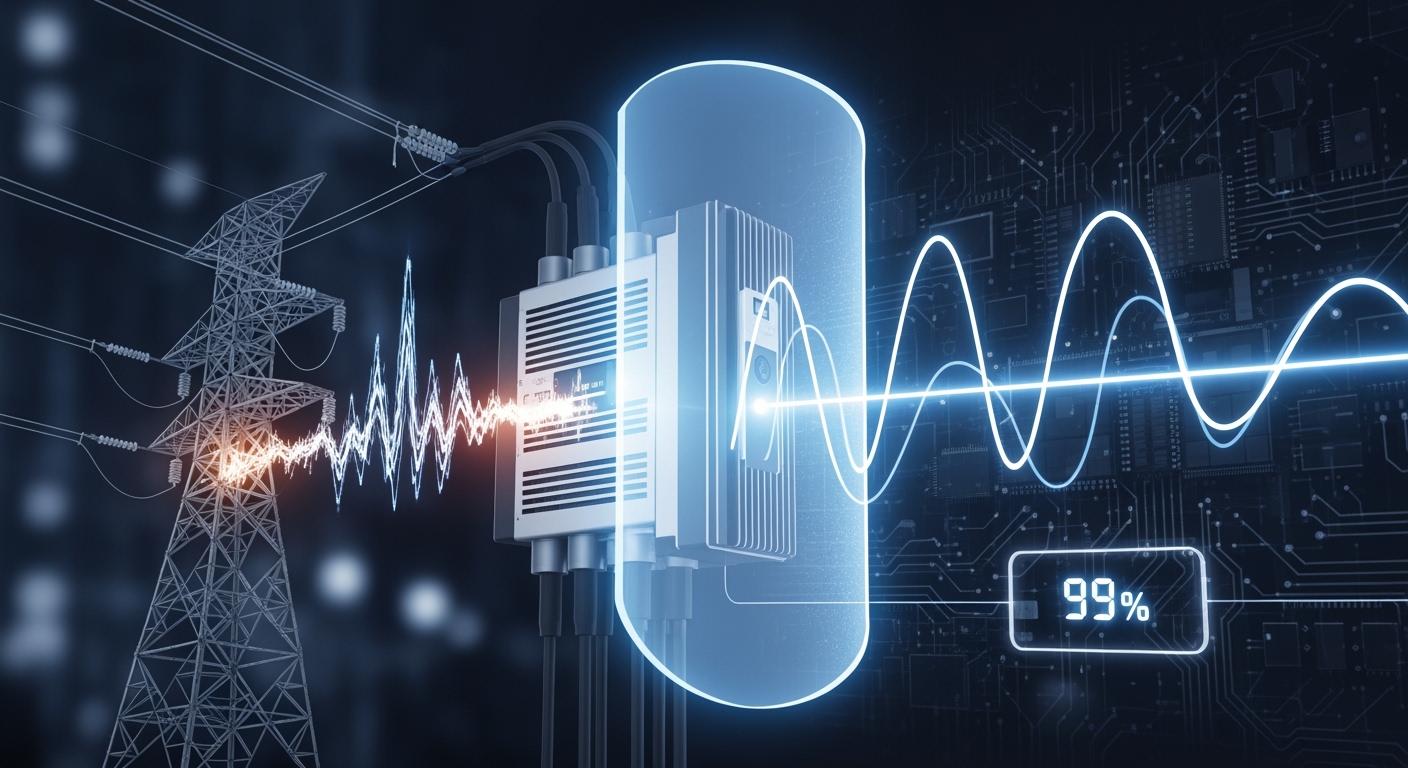
You want a power supply that protects your telecom network from grid pollution. ESTEL’s Telecom Rectifier System gives you purified power with 99% harmonic filtering. This system uses advanced filtering technologies to block harmful distortions and deliver clean energy. You gain higher reliability and stable performance for your network. ESTEL leads innovation by repurposing components, recycling modules, and integrating renewable energy sources. These trends improve efficiency and durability, support sustainability, and minimize environmental impact.
Key Takeaways
ESTEL’s Telecom Rectifier System provides purified power with 99% harmonic filtering, ensuring reliable performance for your telecom network.
Regular monitoring of your power system helps detect grid pollution early, preventing equipment failure and costly downtime.
Advanced harmonic filters protect sensitive devices from voltage fluctuations, improving overall power quality and network stability.
The modular design of ESTEL’s system allows for easy expansion and maintenance, adapting to your network's growing demands.
Integrating renewable energy sources into your power system supports sustainability and reduces operational costs.
Grid Pollution in Telecom Power Systems
Sources and Effects
You may notice that grid pollution often comes from several sources in a telecom power system. Power electronics, such as rectifiers and inverters, can introduce unwanted electrical noise. Large industrial equipment and variable speed drives also add to the problem. Even weather events, like lightning or sudden voltage drops, can create disturbances.
When these sources feed into your power grid, they generate harmonics and voltage fluctuations. Harmonics are unwanted frequencies that ride along with the standard electrical signal. These distortions can cause your equipment to overheat or malfunction. You might see lights flicker, circuit breakers trip, or sensitive devices fail. Over time, grid pollution can shorten the lifespan of your telecom equipment.
Tip: Regular monitoring of your power system helps you spot grid pollution early. Early detection allows you to take action before problems grow.
Impact on Network Reliability
Grid pollution does not just affect your equipment; it also threatens the reliability of your entire telecom network. When harmonics and voltage spikes enter your system, they can disrupt the flow of clean power. Your rectifiers and batteries may not charge properly. Communication signals can become unstable.
You may experience dropped calls, slow data speeds, or even complete outages. These issues can damage your reputation and lead to customer complaints. In critical situations, such as emergency communications, network failure can have serious consequences.
Key impacts of grid pollution on network reliability:
Increased risk of equipment failure
Higher maintenance costs
Reduced service quality
Greater chance of unplanned downtime
You need a power system that resists grid pollution to keep your network running smoothly. By understanding the sources and effects, you can make better choices for your telecom infrastructure.
Harmonics and Power Quality
Harmonic Distortion Explained
You often hear about harmonic distortion when discussing power quality in telecom systems. Harmonic distortion happens when electrical devices create unwanted frequencies that mix with the main power signal. These extra frequencies can disrupt the flow of electricity and cause problems for your equipment.
Many devices in telecom networks produce harmonic distortion. You see this with variable frequency drives, computers, battery chargers, and telecom equipment. Devices with solid-state AC to DC power converters also contribute to the issue. Even non-incandescent lighting and copy machines can add to the distortion.
Variable Frequency Drives (VFDs)
Non-incandescent lighting
Computers
Uninterruptible power supplies
Telecom equipment
Copy machines
Battery chargers
Devices with solid-state AC to DC power converters
Total Harmonic Distortion (THD) measures how much these unwanted frequencies affect your power supply. High THD means your system faces more risk from non-linear loads. You need to monitor THD to protect your network and keep your equipment running smoothly.
Industry standards help you understand what levels of harmonic distortion are acceptable. These standards set clear limits for THD and guide you in maintaining power quality.
Standard | Description |
|---|---|
IEEE 519-1992 | Recommends a maximum of 5% THD for computers and allied equipment, with single harmonics ≤3%. |
IEEE 519-2014 | Updates THD limits based on system voltage. |
IEC 61000-3-2 | Specifies limits for harmonic current emissions from equipment. |
EN 50160 | Sets voltage characteristics and harmonic limits for public distribution systems. |
Filtering Importance
You rely on clean power to keep your telecom network stable. Harmonic filters play a vital role in removing unwanted frequencies and improving power quality. The IT and telecommunications sector grows rapidly, and you depend on high-speed data processing and uninterrupted power supply. Harmonic distortion threatens these operations.
Harmonic filters prevent equipment failures.
They ensure seamless operation of communication networks.
Filters protect sensitive devices from voltage fluctuations.
You need effective filtering to maintain power quality and avoid costly downtime. By using advanced harmonic filters, you support reliable service and extend the life of your telecom equipment. Clean power means fewer disruptions and better performance for your network.
Telecom Rectifier System Solutions by ESTEL
Design Innovations
You want a power system that stands out in both performance and reliability. ESTEL’s Telecom Rectifier System brings several design innovations that help you resist grid pollution and maintain stable operations. These innovations focus on sustainability, efficiency, and adaptability.
Integration with renewable energy sources supports your sustainability goals and strengthens your power system’s resilience.
Advanced thermal management, including liquid cooling and AI-driven optimization, keeps your equipment running efficiently and reliably, even in harsh environments.
Compact and modular designs allow you to optimize component placement, reduce energy loss, and improve thermal management.
You benefit from a system that adapts to changing power demands and environmental conditions. The modular approach means you can scale your setup as your network grows. Maintenance becomes easier, and downtime drops because you can replace modules quickly.
When you compare ESTEL’s Telecom Rectifier System to others, you see clear advantages in efficiency and modularity. The table below highlights these differences:
Feature | ESTEL’s Delta Rectifier Modules | Competitors’ Modules |
|---|---|---|
Modularity | Ultra-modular designs | Limited modular options |
AI Integration | Predictive analytics & self-optimization | Basic AI capabilities |
>98% | 94–96% |
You get over 96% energy efficiency, which means less energy wasted and lower operational costs. The wide input voltage range ensures your system stays compatible with fluctuating power supplies. Advanced thermal management prevents overheating, so your equipment performs well even in extreme conditions.
Adaptability is another key strength. The table below shows how the Telecom Rectifier System fits into various telecom environments:
Feature | Description |
|---|---|
Standard Width | 19-inch width fits most telecom setups. |
1U height saves space and reduces installation costs. | |
Battery Management | Excellent battery management extends battery life and supports communication ports. |
Hot Pluggable Components | You can maintain rectifiers and controllers online, improving adaptability. |
Wide Input Voltage Range | Operates from 85-300Vac, suitable for diverse power grid conditions. |
Note: These design features help you build a future-proof telecom network that can handle new challenges as they arise.
Harmonic Filtering Technology
You need clean power to keep your telecom network running smoothly. ESTEL’s Telecom Rectifier System uses advanced harmonic filtering technology to deliver purified power and resist grid pollution. This technology removes up to 99% of harmful harmonics from your power supply.
The system uses both passive and active filtering strategies. Passive filters block unwanted frequencies before they reach your sensitive equipment. Active filters monitor the power supply in real time and cancel out any remaining distortions. This dual approach ensures your network receives stable, high-quality power at all times.
You also benefit from AI-driven optimization. The system learns from your network’s power patterns and adjusts its filtering methods automatically. This means you always get the best possible power quality, even as your network grows or your power needs change.
With these innovations, you reduce the risk of equipment failure, lower your maintenance costs, and extend the lifespan of your telecom infrastructure. You can trust that your network will stay reliable, even when the grid faces disturbances.
99% Harmonic Filtering in Practice
Mechanisms and Strategies
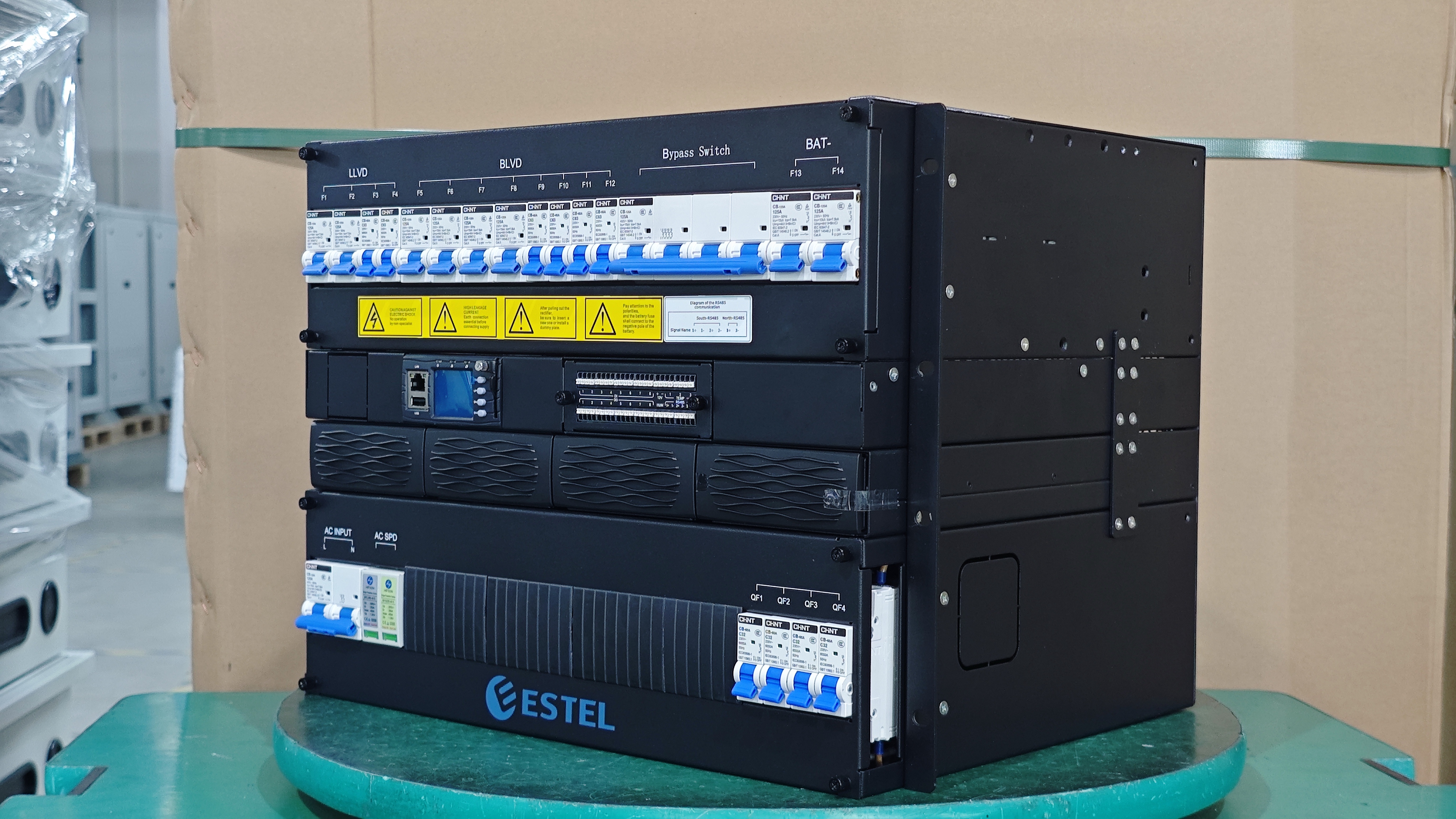
You want your telecom network to operate with clean power. You achieve this by using advanced harmonic filtering mechanisms. These strategies help you remove nearly all unwanted frequencies from your power supply.
Passive filters use inductors and capacitors. You tune these components to target specific harmonic frequencies. This method works well for stable environments. Passive filters can reduce harmonic distortion by up to 30% in industrial setups.
Active filters take a dynamic approach. You use sensors and controllers to monitor the power supply in real time. The system generates inverse harmonics to cancel out unwanted noise. Active filters can eliminate up to 90% of harmonics in sensitive electronics.
Hybrid solutions combine passive and active filters. You gain flexibility and cost-effectiveness. The hybrid approach adapts to changing conditions and maximizes filtering efficiency.
The global market for harmonic filtering solutions is projected to reach $1.5 billion by 2025. This growth shows the importance of maintaining healthy and reliable electrical networks.
You see the benefits of these strategies in your telecom operations. You protect your equipment, improve power quality, and reduce maintenance needs.
Filter Type | Main Components | Efficiency Rate | Best Use Case |
|---|---|---|---|
Passive | Inductors, Capacitors | Up to 30% | Industrial setups |
Active | Sensors, Controllers | Up to 90% | Sensitive electronics |
Hybrid | Both above | Up to 99% |
Case Studies
You can look at real-world examples to see how the Telecom Rectifier System delivers results. These case studies show the impact of advanced harmonic filtering.
GreenConnect installed the system in a large telecom hub. You saw a 30% reduction in energy use. This change led to significant cost savings.
The same project achieved a 40% decrease in CO2 emissions. You helped meet environmental goals and improved sustainability.
Smart monitoring systems reduced downtime by 25%. You experienced enhanced service stability and fewer interruptions.
You can rely on the Telecom Rectifier System to provide purified power. You support both operational efficiency and environmental responsibility.
You see how these strategies and real-world applications help you maintain a reliable telecom network. You gain cleaner power, lower costs, and improved performance.
Benefits for Telecom Networks
Operational Advantages
You gain several operational advantages when you choose advanced power solutions for your telecom network. The Telecom Rectifier System delivers high efficiency, reaching up to 96.5%. This reduces energy waste and keeps your equipment running smoothly. Compact designs, such as the GP100 model, save space and increase power density. Modular designs give you flexibility, allowing easy expansion as your network grows. You can scale your power system without major disruptions.
Smart systems reduce downtime by 25%. You spend less time on maintenance and more time focusing on network performance. AI integration and ultra-modular designs let you scale power systems effortlessly. You see improved reliability and fewer manual interventions. Monitoring capabilities in power distribution units help you detect and resolve power quality issues quickly.
Feature | Benefit |
|---|---|
High Efficiency | Up to 96.5% efficiency reduces energy waste |
Compact Design | Saves space, increases power density |
Modular Design | Easy expansion for network setups |
Energy Savings | 5% annual reduction in energy costs |
Improved Reliability | 25% less downtime |
Note: Intelligent PDUs and customized maintenance plans optimize energy usage and improve power effectiveness.
Financial and Environmental Value
You see financial benefits when you reduce grid pollution. Cost savings come from lower operational expenses and less reliance on traditional power sources. Improved energy efficiency means you spend less on electricity. Transitioning to solar energy leads to predictable costs and shields you from price fluctuations. MTN South Sudan reported a 30% reduction in fuel costs after switching to solar solutions.
Cost savings from reduced operational expenses
Predictable energy costs with solar integration
Lower fuel expenses for remote sites
Advanced harmonic filtering also brings environmental value. You increase transformer efficiency and lower energy losses. Less heat prevents equipment from overheating, which prolongs its life. Proper transformer sizing saves energy and costs. High-quality power reduces breaker trips and keeps production running. Low interference minimizes disruptions to nearby electrical systems.
Benefit | Description |
|---|---|
Longer equipment lifespan, lower energy losses | |
Less Heat | Prevents overheating, extends equipment life |
Proper transformer sizing | Saves energy and costs |
Fewer breaker trips | Reduces faults, keeps production running |
Low interference | Minimizes disruptions to electrical systems |
You achieve measurable improvements in energy savings, operational efficiency, and equipment longevity. Return on investment often comes within two to four years.
Choosing the Right Power System
Selection Criteria
You need to choose a power system that matches your telecom network’s demands. Industry experts recommend several key criteria. First, check the power requirements. Make sure the rectifier’s output voltage fits your system standards and battery bank configuration. Redundancy is important. N+1 configuration keeps your network running even if one module fails. Hot-swap capability lets you replace modules without shutting down the system. Monitoring and control features help you track performance and manage the system remotely. Ease of installation saves time and simplifies deployment, especially in tight spaces.
Here is a table that summarizes these selection criteria:
Selection Criteria | Description |
|---|---|
Power Requirements | Ensure the rectifier’s output voltage matches system standards and battery bank configuration. |
System Redundancy and N+1 Configuration | Redundancy ensures uninterrupted operation during component failure, critical for high availability. |
Hot-Swap Capability | Allows for replacement of rectifier modules without system shutdown, maintaining uptime. |
Monitoring and Control Features | Intelligent systems provide real-time performance metrics and remote management capabilities. |
Ease of Installation | Integrated designs minimize assembly time and simplify deployment in tight spaces. |
ESTEL’s Telecom Rectifier System stands out in several areas. You get ultra-modular designs, predictive analytics, and conversion efficiency above 98%. Competitors often offer limited modularity and basic AI features. ESTEL’s solutions support a wide range of applications, including industrial automation and hybrid vehicles.
Feature | ESTEL’s Delta Rectifier Modules | Competitors’ Modules |
|---|---|---|
Modularity | Ultra-modular designs | Limited modular options |
AI Integration | Predictive analytics & self-optimization | Basic AI capabilities |
Conversion Efficiency | 94–96% | |
Applications | Automotive, hybrid vehicles, industrial automation solutions | Primarily automotive |
Tip: Always match your power system’s features to your network’s growth and operational needs.
Integration Tips
You want your power system to fit seamlessly into your telecom infrastructure. Start by confirming compatibility with your existing racks and cabinets. ESTEL designs systems for standard 19-inch racks, making integration easier. Use modular systems to scale your network as demand increases. Hot-pluggable components allow you to maintain and upgrade without downtime. Intelligent monitoring tools help you detect issues early and optimize performance.
Regular maintenance keeps your system reliable. Schedule inspections and use remote management features to monitor performance. Choose systems with flexible cable inlets and grounding protection for safer installation. You improve uptime and reduce operational costs by following these integration tips.
Note: Proper integration and maintenance ensure your power system delivers stable, purified energy for your telecom network.
You secure purified and reliable power for your telecom network with ESTEL’s Telecom Rectifier System and advanced harmonic filtering.
Enhanced reliability and efficiency support high-speed, low-latency services.
Proactive investment reduces overheating and costly failures.
Sustainable design integrates renewable energy and adapts to changing loads.
Description | |
|---|---|
Modular Design | Minimizes downtime and supports easy maintenance. |
n+1 Redundancy | Ensures high availability for critical applications. |
Scalability | Expands with your network’s future demands. |
Consider ESTEL’s solutions to future-proof your infrastructure and maximize performance.
FAQ
What is harmonic filtering in telecom rectifier systems?
Harmonic filtering removes unwanted electrical frequencies from your power supply. You get cleaner energy, which protects your telecom equipment and improves network reliability.
How does ESTEL’s Telecom Rectifier System improve power quality?
You benefit from advanced filtering technology. The system uses both passive and active filters. These filters block and cancel harmful harmonics, giving you stable and purified power.
Can you install ESTEL’s rectifier system in standard telecom racks?
Yes, you can. ESTEL designs rectifier systems for 19-inch racks. You integrate them easily into your existing telecom infrastructure.
What are the main advantages of modular rectifier systems?
You gain flexibility and easy maintenance. Modular systems let you scale your network as needed. You replace modules quickly, which reduces downtime.
See Also
Integrating Solar Inverters and Batteries for Telecom Power Needs
Tips for Maintaining Consistent Power Supply in Telecom Cabinets
Solar Energy Storage Solutions for Telecom Cabinet Applications
Essential Insights on Features of Telecom Power Supply Systems
CALL US DIRECTLY
86-13752765943
3A-8, SHUIWAN 1979 SQUARE (PHASE II), NO.111, TAIZI ROAD,SHUIWAN COMMUNITY, ZHAOSHANG STREET, NANSHAN DISTRICT, SHENZHEN, GUANGDONG, CHINA
