Environment-Friendly Features of Telecom Rectifier Systems: Adaptation to Data Centers with Low Noise and Low Emissions

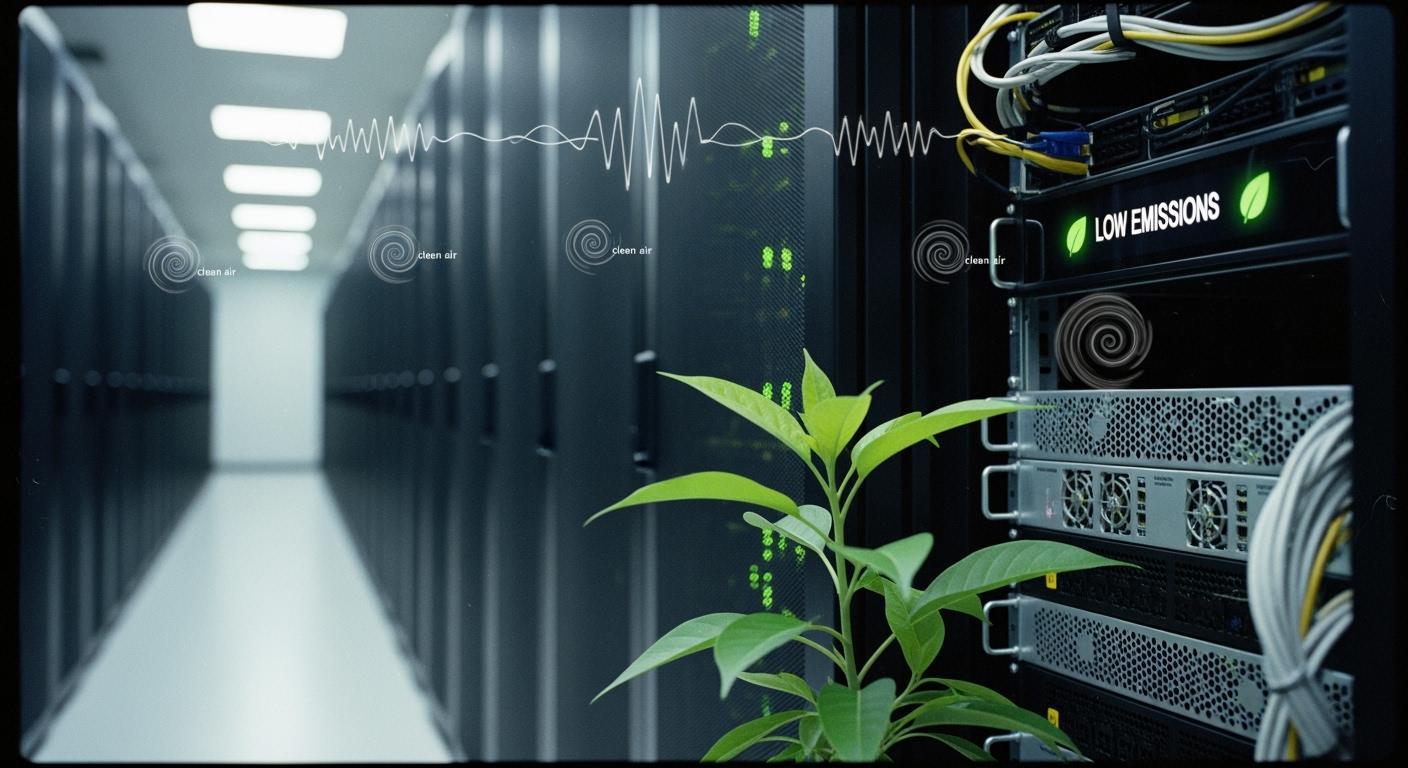
You face increasing pressure to reduce noise and emissions in your data center. ESTEL’s Telecom Rectifier System and Power System offer advanced solutions that support your sustainability goals. International standards, such as the EU Energy Efficiency Directive and Power Usage Effectiveness (PUE), guide best practices for energy-efficient operations. ESTEL’s commitment to innovation and compliance with these standards ensures you receive reliable, environmentally friendly power solutions.
Standard/Guideline | Description |
|---|---|
EU Energy Efficiency Directive | Implements strict efficiency requirements for data centers. |
Power Usage Effectiveness (PUE) | Measures overall data center efficiency. |
Renewable Energy Factor (REF) | Evaluates renewable energy usage in operations. |
IT Equipment Energy Efficiency (ITEEsv) | Benchmarks server energy performance. |
Key Takeaways
ESTEL’s Telecom Rectifier System minimizes noise and emissions, making it ideal for data centers focused on sustainability.
High efficiency rates of up to 96% lead to significant energy savings and lower operational costs, benefiting your budget and the environment.
The modular design allows for easy upgrades and scalability, ensuring your system can grow with your data center's needs without major disruptions.
Advanced monitoring tools provide real-time insights, helping you manage power usage effectively and prevent unexpected failures.
Compliance with international standards enhances your data center's reputation and supports your commitment to environmental responsibility.
Rectifier System Adaptation for Data Centers
Integration for Low Noise Operations
You want your data center to run quietly and efficiently. ESTEL’s Telecom Rectifier System uses advanced engineering to minimize operational noise. The modular design allows you to select components that fit your specific needs, which helps reduce unnecessary sound. You benefit from precision noise control, making these systems ideal for environments where silence matters. Compared to other brands, ESTEL’s solutions maintain lower noise levels through targeted design and smart technology. You can integrate these systems with renewable energy sources, such as solar or wind, which further supports quiet operation. Real-time monitoring lets you adjust power settings instantly, keeping noise and energy use low.
ESTEL’s innovations enhance efficiency and sustainability.
Reliability and adaptability help reduce operational noise.
Smart technologies optimize power usage and support renewable energy integration.
Emissions Reduction Strategies
You can lower emissions in your data center by using several strategies with ESTEL’s Telecom Rectifier System. These systems support integration with renewable energy, including solar panels and wind turbines. You can monitor and control energy usage with advanced management tools, which helps you identify inefficiencies and optimize performance. The following table shows common emissions reduction strategies:
Strategy | Description |
|---|---|
Energy Audits | Assess energy consumption and find inefficiencies. |
Sourcing EACs | Purchase certificates to support renewable energy. |
Signing PPAs and VPPAs | Secure renewable energy through agreements. |
On-site Renewable Energy | Invest in solar or wind power generation. |
Utility Engagement | Work with utility providers to improve grid sustainability. |
You can also optimize cooling systems and use server power management during low usage periods to further reduce emissions.
ESTEL Solutions for Data Centers
ESTEL offers you solutions that stand out for low noise and emissions. The modular design lets you scale systems as your needs grow. Advanced noise control features make ESTEL ideal for sensitive environments. Compared to other brands, you get lower noise levels and better adaptability. ESTEL’s Telecom Rectifier System aligns with international standards, ensuring you meet global requirements for sustainability and efficiency.
Environment-Friendly Features of Telecom Rectifier System
High Efficiency and Energy Savings
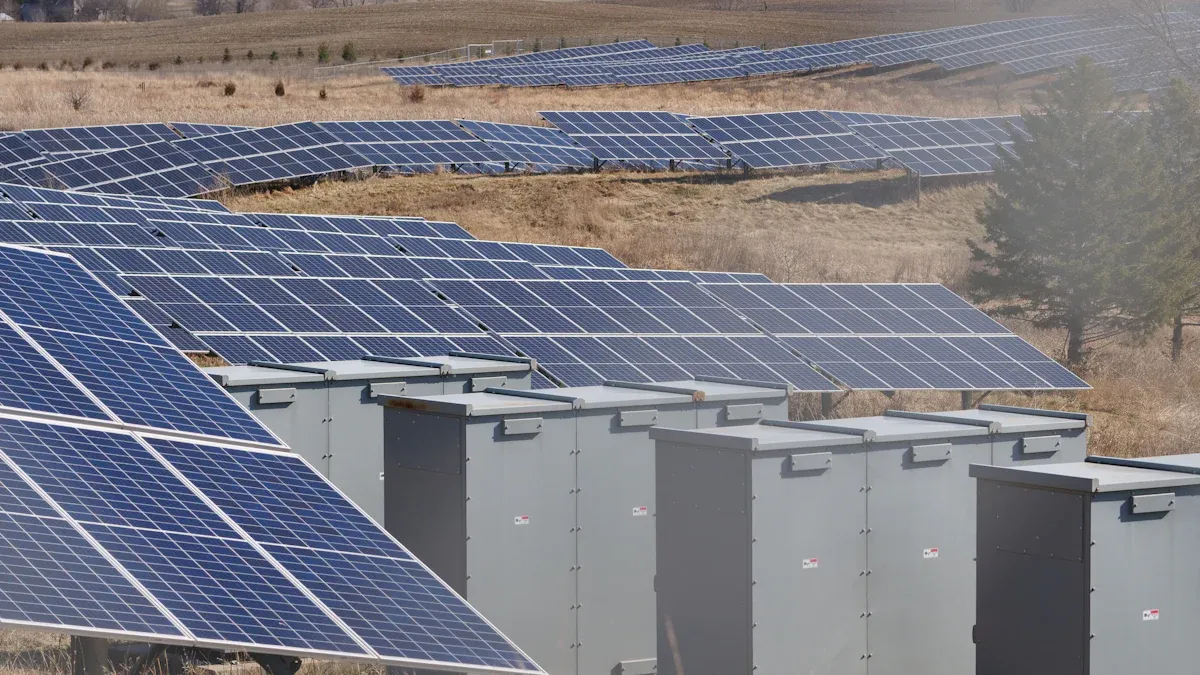
You want your data center to operate with maximum efficiency. The Telecom Rectifier System from ESTEL achieves efficiency rates up to 96%. This means only about 4% of power is lost during the conversion from AC to DC. You save energy and reduce operational costs. High efficiency also helps you lower your carbon footprint. When you use a system that wastes less energy, you contribute to a cleaner environment.
You benefit from reduced energy bills.
You help decrease greenhouse gas emissions.
You support your organization’s sustainability goals.
Modular Design and Scalability
You need a system that grows with your data center. The modular design of the Telecom Rectifier System lets you add or replace modules as your power needs change. You avoid costly system replacements and minimize downtime. The table below shows the main advantages of modular design:
Advantage | Description |
|---|---|
Easy Upgrades | You can add modules to meet increasing power demands without replacing the system. |
Less Downtime | You replace faulty components without halting the entire system. |
Cost Savings | You expand gradually and avoid large initial investments. |
Scalability | Your system grows alongside network demands. |
Reliability | If one module fails, others continue to operate, preventing service interruptions. |
Modularity also helps you reduce environmental impact. You use only the energy you need, and you can integrate renewable sources like solar or wind. The following table highlights how modularity supports sustainability:
Aspect | |
|---|---|
Scalability | Enables systems to grow without excess energy consumption. |
Energy Efficiency | Reduces energy waste and greenhouse gas emissions. |
Adaptability | Supports integration with renewable energy sources. |
You keep your data center flexible and environmentally responsible.
Advanced Monitoring and Control
You want to monitor your power systems easily. ESTEL’s Telecom Rectifier System provides advanced monitoring features. You track critical metrics such as voltage, temperature, and power output in real time. This helps you spot problems before they affect your operations. Predictive analytics let you address issues early, extending the lifespan of your equipment. You use a user-friendly interface, so even team members with limited technical expertise can manage the system.
Real-time monitoring gives you insights into power consumption, temperature, and humidity.
You manage your power infrastructure more effectively.
Proactive maintenance reduces the risk of unexpected failures.
Compliance with Environmental Standards
You must meet international standards to operate responsibly. ESTEL’s Telecom Rectifier System complies with key certifications. The table below lists important certifications:
Certification | Description |
|---|---|
CE | Meets safety and performance standards |
RoHS | Follows environmental regulations |
You should also look for other environmental certifications when choosing rectifier systems:
Energy Star: Indicates energy-efficient systems that help reduce carbon emissions.
Dynamic Voltage Regulation: Optimizes power usage during low-demand periods.
RoHS Directive: Ensures compliance with regulations limiting harmful materials in electronics.
You ensure your data center meets global requirements for safety and sustainability. You build trust with customers and regulators by choosing certified solutions.
Practical Benefits for Data Centers
Cost Reduction and Reliability
You want your data center to operate efficiently and reliably. ESTEL’s Telecom Rectifier System helps you achieve both goals. When you use modern rectifiers, you can reach efficiencies over 97%. Some models even reach 98%, which can lead to up to 30% cost reduction compared to older designs. You save on energy costs because higher conversion efficiency means less wasted power. Operators have reported a significant decrease in maintenance costs, dropping to just 7% of what was required for traditional systems. This reduction lowers your operational expenses and boosts system reliability.
You can expect fewer interruptions and smoother operations when you choose ESTEL’s solutions.
The following table shows how data centers and telecom operators have benefited financially and operationally:
Telecom Operator / Region | Operational Benefit | Financial Benefit |
|---|---|---|
Rural Southeast Asian Operator | Ensured uninterrupted mobile connectivity | |
European Telecom Provider | Enhanced energy efficiency and reduced downtime | 20% improvement in network uptime |
MTN South Sudan | Improved operational efficiency | 30% reduction in fuel costs |
Kenyan Telecom Provider | Enhanced service reliability in remote areas | 40% reduction in energy expenses |
You also gain improved reliability. ESTEL’s rectifier systems provide a stable DC power supply, which is essential for minimizing energy waste and ensuring efficient data center operations. Intelligent power distribution units from ESTEL enhance energy management, reducing energy waste by 20% and improving maintenance response times by 40%. When you integrate these rectifiers into your infrastructure, you experience reduced downtime and better reliability.
Sustainability and Regulatory Compliance
You need to meet sustainability goals and comply with environmental regulations. ESTEL’s rectifier systems help you achieve these objectives. When you implement these systems, you can reduce energy consumption by 15%. This decrease lowers your operational expenses and supports your commitment to environmental responsibility. Intelligent PDUs improve equipment uptime by 20% and reduce maintenance costs.
You also move closer to earning green certifications. ESTEL systems optimize energy consumption and reduce carbon emissions, helping you meet standards such as Power Usage Effectiveness (PUE), Carbon Usage Effectiveness (CUE), and Water Usage Effectiveness (WUE). You align your operations with regional and international regulations by enhancing energy efficiency and supporting renewable energy integration. These systems minimize energy losses, which helps you reach your sustainability targets.
You reduce your carbon footprint.
You support renewable energy use.
You comply with global environmental standards.
Enhanced Reputation with ESTEL
You build a stronger reputation when you choose ESTEL for your data center. Customers and partners value your commitment to sustainability and reliability. When you use advanced power systems, you show that you care about operational excellence and environmental responsibility. You demonstrate leadership in adopting innovative solutions that meet international standards.
Your data center stands out as a model for efficiency, reliability, and sustainability.
You attract more business opportunities and gain trust from stakeholders. ESTEL’s focus on quality and innovation ensures that your data center remains competitive and respected in the industry. You benefit from long-term advantages, including lower costs, improved reliability, and a positive public image.
Selecting the Right ESTEL Rectifier System
Compatibility and Scalability
You should start by checking if the ESTEL rectifier system matches your current data center setup. Use the table below to guide your evaluation:
Criteria | Description |
|---|---|
Integration with power systems | Ensure rectifier aligns with system's input/output specifications, especially for renewable sources. |
Voltage and current compatibility | Rectifier must match input/output voltage ratings (e.g., 120V AC, 48V DC). |
Environmental conditions | Consider factors like temperature and humidity that affect performance and longevity. |
Total cost of ownership (TCO) | Evaluate installation, energy consumption, and maintenance costs beyond initial price. |
The modular design of ESTEL’s rectifier systems makes it easy for you to expand as your data center grows. You can add more modules when your power needs increase. This flexibility helps you plan for future upgrades without replacing the entire system.
Environmental Impact Assessment
You need to assess how the Telecom Rectifier System will affect your data center’s environment. Look at energy efficiency, emissions, and the ability to use renewable energy. Check if the system supports your sustainability goals. Review the certifications and standards the system meets. Consider how the system’s high efficiency and modularity can help you reduce waste and energy use. You should also think about how easy it is to monitor and control the system for ongoing improvements.
Tip: A thorough assessment helps you choose a system that supports both your operational needs and your environmental targets.
Implementation Steps
Follow these steps to install and manage your ESTEL rectifier system:
Check the space available. Measure the area to ensure the rectifier fits, especially if you have limited room.
Keep air moving. Place the rectifier in an open area for good airflow and to prevent overheating.
Make maintenance easy. Leave enough space around the rectifier for repairs and follow the manufacturer’s guidelines.
Support heavy equipment. Make sure the installation surface can handle the weight of the rectifier.
Organize wires neatly. Use trays or conduits to keep cables tidy and labeled.
Protect against bad conditions. Shield the rectifier from dust, water, and extreme temperatures.
For ongoing management, you should:
Clean the system every three to six months to prevent overheating.
Monitor voltage and current levels to catch issues early.
Inspect connections and parts often, tightening or replacing as needed.
Update firmware and software every three months.
Set a maintenance schedule for regular checks and cleaning.
Train your staff for effective maintenance.
Use tools like voltage meters and thermal sensors for real-time monitoring.
Keep the area around the rectifier clean and controlled.
By following these steps, you ensure your ESTEL system runs efficiently and supports your data center’s long-term goals.
You improve your data center’s sustainability and efficiency when you choose ESTEL’s Telecom Rectifier System and Power System. These solutions help you lower noise and emissions while meeting global standards. You gain practical benefits such as reduced costs and reliable operations. To move forward, you can:
Invest in thermal management technologies.
Use efficient power systems and direct current distribution.
Build sustainability into your design and site selection.
Optimize operations with digital tools and monitor Power Usage Effectiveness.
You can contact ESTEL or visit their website for more information.
FAQ
How does ESTEL’s rectifier system help you reduce noise in your data center?
You use advanced engineering and modular design to minimize operational noise. You select components that fit your needs. Real-time monitoring lets you adjust power settings for quieter operation.
Can you integrate renewable energy sources with ESTEL’s rectifier system?
Yes, you can connect solar panels or wind turbines. The system supports flexible input voltages. You optimize energy use and lower emissions by using renewable sources.
What certifications do ESTEL’s rectifier systems meet?
Certification | Purpose |
|---|---|
CE | Safety and performance |
RoHS | Environmental compliance |
You meet global standards and build trust with customers.
How often should you maintain your rectifier system?
You should inspect and clean the system every three to six months. You monitor voltage and temperature regularly. You update firmware and train staff for effective maintenance.
See Also
Essential Insights Into Telecom Power Supply Characteristics
Solar Inverter and Battery Solutions for Telecom Enclosures
Tips for Securing Dependable Power in Telecom Cabinets
Strategies for Reducing Noise in Server Cabinets
Advantages of Lithium Batteries Over Other Options in Telecom
CALL US DIRECTLY
86-13752765943
3A-8, SHUIWAN 1979 SQUARE (PHASE II), NO.111, TAIZI ROAD,SHUIWAN COMMUNITY, ZHAOSHANG STREET, NANSHAN DISTRICT, SHENZHEN, GUANGDONG, CHINA
