Low Electromagnetic Radiation for Telecom Rectifier Systems: Reassuring Choice Meeting Medical Device Coexistence Standards

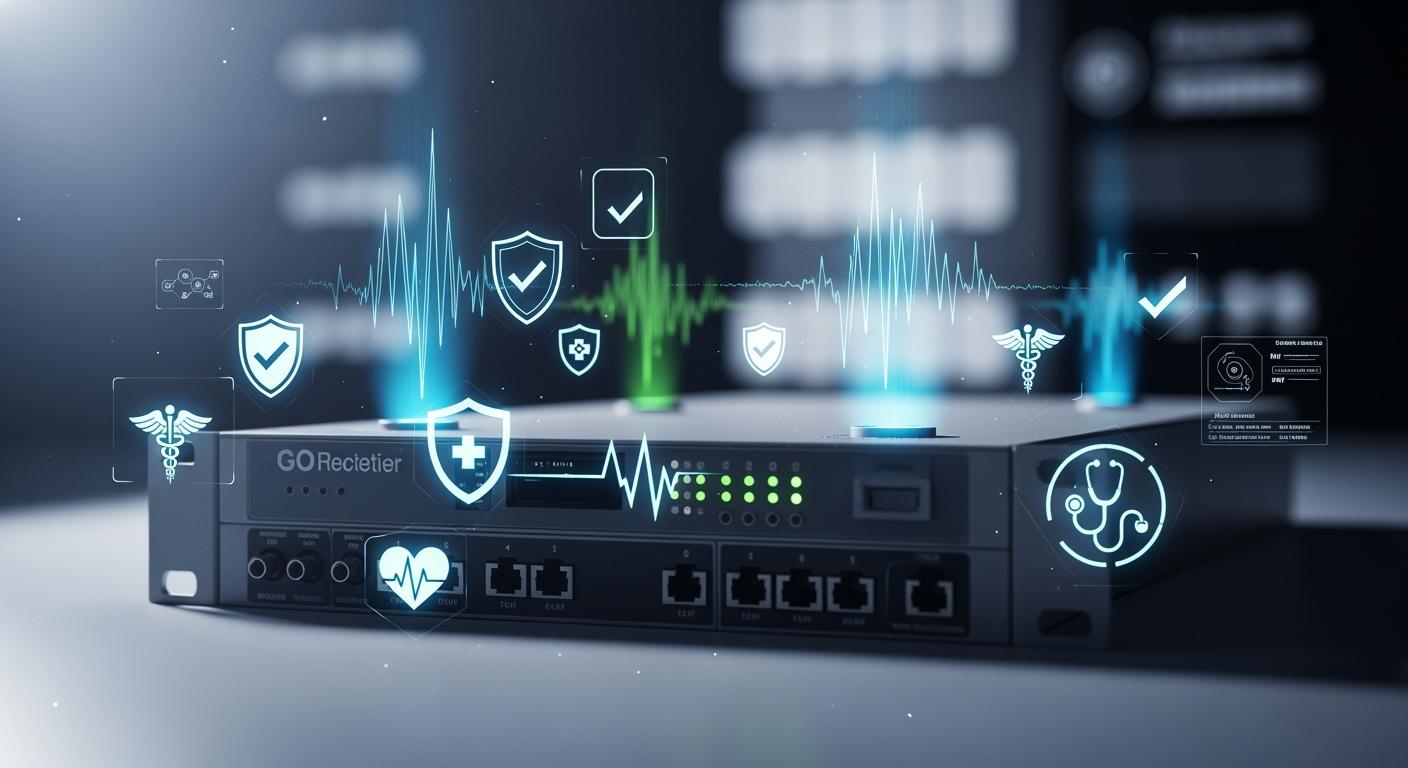
You can trust that low electromagnetic radiation from telecom rectifier systems, like those from ESTEL, will not interfere with medical devices. Healthcare environments demand strict safety standards. ESTEL designs each Telecom Rectifier System to meet these requirements. You gain peace of mind knowing that your facility supports sensitive medical technology without risk from power equipment.
Key Takeaways
Low electromagnetic radiation from telecom rectifier systems ensures safety for sensitive medical devices, protecting patient care.
Choose systems that comply with international standards like IEC 60601-1-2 to guarantee electromagnetic compatibility in healthcare settings.
Look for certifications such as ISO9001 and CE to confirm that your telecom rectifier system meets safety and quality requirements.
Select systems with advanced shielding and modular designs to minimize interference and allow for future expansion as your facility grows.
Regular inspections and testing are essential to maintain system performance and ensure ongoing safety in medical environments.
Electromagnetic Radiation and Medical Environments
What Is Electromagnetic Radiation?
You encounter electromagnetic radiation every day. It comes from natural sources like sunlight and artificial sources such as electronic devices. Electromagnetic radiation consists of waves that carry energy through space. These waves include radio waves, microwaves, infrared, visible light, ultraviolet, X-rays, and gamma rays. Each type has a different frequency and wavelength.
Telecom equipment, including rectifier systems, generates electromagnetic radiation during operation. The energy produced can travel through the air or along cables. Most telecom power equipment emits electromagnetic radiation in specific frequency ranges. You will often find emissions within the 150 kHz to 30 MHz range. This range covers the switching frequencies and harmonics produced by power converters and rectifiers.
Typical frequency ranges for telecom rectifier system emissions:
150 kHz to 30 MHz (conducted emissions)
Overlaps with converter switching frequencies and harmonics
Understanding these frequencies helps you recognize how telecom equipment interacts with its environment.
Impact on Medical Devices
Medical environments require strict control over electromagnetic radiation. Sensitive medical devices, such as pacemakers, infusion pumps, and monitors, can experience interference if exposed to high levels of electromagnetic energy. Even small disturbances may affect device performance or patient safety.
You need to ensure that any Telecom Rectifier System installed in a healthcare facility does not disrupt medical equipment. Manufacturers design modern systems to minimize emissions and comply with international standards. These standards set limits on the amount and type of electromagnetic radiation allowed in medical settings.
Note: Choosing equipment that meets these standards protects both patients and staff. You create a safer environment by selecting low-emission power systems.
When you understand the basics of electromagnetic radiation and its effects, you make informed decisions for your facility. You support reliable operation of both telecom and medical equipment.
Compliance Standards for Telecom Rectifier System
EMC and Medical Device Safety
You must understand why electromagnetic compatibility (EMC) matters in healthcare. EMC standards protect medical devices from interference caused by other electronic equipment. When you install a Telecom Rectifier System in a hospital or clinic, you want to make sure it does not disrupt sensitive devices like heart monitors or infusion pumps.
Several international standards guide the safe use of electronic equipment in medical environments:
IEC 60601-1-2 sets the main requirements for EMC in medical devices. This standard ensures that devices operate safely even when electromagnetic disturbances are present. You protect both patients and staff by following this standard.
ITU-T Rec. K.123 provides recommendations for managing electromagnetic fields in telecommunication environments. It helps you reduce the risk of interference between telecom equipment and medical devices.
IEEE C95.1 defines safe exposure limits for electromagnetic fields. You use this standard to make sure that the Telecom Rectifier System does not create unsafe conditions for people or equipment.
You need to follow these standards because medical devices can malfunction if exposed to high electromagnetic fields. Strict EMC compliance keeps your facility safe and supports reliable operation of all equipment.
Key Compliance Requirements
You should look for specific features and certifications when choosing a Telecom Rectifier System for medical settings. Manufacturers must design these systems to minimize electromagnetic interference. This protects the performance of medical devices and ensures patient safety.
Here are the main requirements you should check:
The system must meet IEC 60601-1-2 for EMC in medical environments.
The design should limit electromagnetic emissions to safe levels.
The system should include proper grounding and shielding.
The manufacturer should provide proof of compliance with international standards.
ESTEL takes quality control seriously. You can see their commitment in the way they test and certify every Telecom Rectifier System. The company holds important certifications and uses strict inspection routines to guarantee safety and reliability.
Quality Control Measure | Description |
|---|---|
Certifications | ESTEL holds certifications such as ISO9001, ISO14001, FCC, CE, and 3C, demonstrating compliance with international standards for quality and safety. |
Monthly Inspections | Conducted to ensure ongoing safety and performance of the telecom rectifier systems. |
Quarterly Tests | Performed to confirm long-term reliability of the systems. |
Stress Tests | Simulate harsh conditions to identify weak points in the rectifiers before they reach customers. |
Ongoing Monitoring | Utilizes advanced tools and communication ports to track system performance and detect issues early. |
You can trust ESTEL to deliver products that meet the highest standards. Their Telecom Rectifier System supports safe operation in medical environments. You protect your facility and everyone in it by choosing equipment that meets these strict requirements.
ESTEL Telecom Rectifier System Features
Low Radiation Design
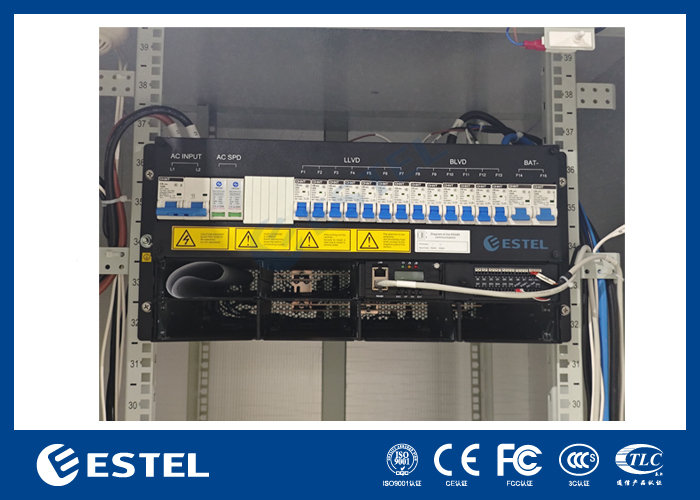
You want a power system that works safely around sensitive medical equipment. ESTEL designs each Telecom Rectifier System with low electromagnetic radiation in mind. The engineers use advanced circuit layouts and shielding techniques. These features help block unwanted electromagnetic waves from escaping the system.
You benefit from a modular design. Each module operates efficiently and produces less heat. Lower heat means less electrical noise. The system uses high-quality components that reduce switching noise, which is a common source of electromagnetic interference. You also get flexible cable inlets and strong grounding protection. These features help direct any stray currents safely away from your equipment.
Tip: When you install a Telecom Rectifier System with a low radiation design, you help protect both patients and medical devices from interference.
Here are some features that support low radiation:
Advanced shielding materials around sensitive parts
Optimized circuit board layouts to minimize emissions
High-efficiency operation (over 96%) to reduce waste energy
Copper bar grounding for safe current flow
Flexible cable management to prevent signal leaks
You can see how each feature works together to keep electromagnetic radiation at safe levels.
Testing and Certification
You need proof that your equipment meets strict safety standards. ESTEL tests every Telecom Rectifier System before it leaves the factory. The company follows international standards like IEC 60601-1-2, ITU-T Rec. K.123, and IEEE C95.1. These standards set clear limits for electromagnetic emissions in medical environments.
ESTEL uses a multi-step testing process:
Pre-production testing: Engineers check each design for electromagnetic compatibility.
Routine inspections: Technicians inspect systems during production to catch any issues early.
Final certification: Each system goes through stress tests and electromagnetic emission measurements.
Ongoing monitoring: ESTEL uses advanced tools to track performance after installation.
Test Type | Purpose | Frequency |
|---|---|---|
Pre-production | Ensure design meets EMC standards | Every new design |
Routine inspection | Catch issues during assembly | Monthly |
Stress testing | Simulate harsh conditions | Quarterly |
Emission measurement | Verify electromagnetic safety | Every unit |
You receive a system that comes with certifications like ISO9001, ISO14001, FCC, CE, and 3C. These certificates show that the Telecom Rectifier System meets both quality and safety requirements. You can trust that your equipment will not interfere with medical devices.
Note: Always ask for certification documents when you choose a power system for healthcare. Certified systems give you peace of mind and help you meet regulatory requirements.
You get more than just a power supply. You get a Telecom Rectifier System that combines high efficiency, modular design, and proven safety. This makes it a smart choice for any medical or healthcare environment.
Real-World Applications and Selection Tips
Healthcare Case Studies
You see the importance of reliable power systems in hospitals and clinics. ESTEL has supplied solutions to healthcare facilities that require strict electromagnetic compatibility. For example, a regional hospital in China installed ESTEL’s rectifier systems in their data center. The hospital needed to protect sensitive equipment like MRI scanners and patient monitors. ESTEL’s modular design allowed technicians to scale the system as the hospital expanded its network. The low electromagnetic emissions ensured that medical devices operated without interference.
Another case involved a private clinic that upgraded its telecom infrastructure. The clinic chose ESTEL’s rectifier system because it met international safety standards. Staff reported stable operation of infusion pumps and wireless monitors after installation. You can see how these systems support uninterrupted service and patient safety.
Note: Hospitals often select ESTEL products for their proven reliability and compliance with medical device coexistence standards.
Choosing the Right System
You need to evaluate several factors before selecting a power system for your healthcare facility. Start by checking certifications. Look for ISO9001, CE, and FCC marks. These show that the system meets international safety and quality standards. Review the technical specifications. Make sure the system offers high efficiency and modular design. This helps you scale the system as your facility grows.
Consider the installation environment. Choose a system that fits standard racks or cabinets. Check for features like natural cooling and flexible cable management. These features reduce maintenance and improve safety. Ask for documentation on electromagnetic emission tests. This gives you confidence that the system will not interfere with medical devices.
Selection Criteria | Why It Matters |
|---|---|
Certifications | Ensures compliance and safety |
Modular Design | Supports easy expansion |
Efficiency | Reduces energy costs |
Cooling Features | Minimizes maintenance |
Emission Documentation | Confirms device compatibility |
Tip: Always consult with your facility’s technical team and request detailed test reports before making a final decision.
You create a safer environment by choosing certified, low-emission power systems. ESTEL offers solutions that help you meet regulatory requirements and protect patient care.
You can trust ESTEL’s telecom rectifier systems to deliver low electromagnetic radiation and meet strict medical device standards. These systems help you create a safe healthcare environment.
Certified and reliable equipment protects both patients and sensitive devices.
Choose ESTEL for your telecom infrastructure needs.
Gain peace of mind with proven safety and high performance.
You make a smart investment when you select ESTEL for your facility.
FAQ
How does a Telecom Rectifier System protect medical devices from interference?
You benefit from advanced shielding and optimized circuit design. These features keep electromagnetic emissions low. Medical devices operate safely and reliably in your facility.
What certifications should you check before installing a rectifier system?
You should look for ISO9001, CE, FCC, and 3C certifications. These show that the system meets international safety and quality standards. Always request documentation from your supplier.
Can you expand the system as your facility grows?
You can easily scale the system. Modular design lets you add more units without disrupting your operations. This flexibility supports future growth and changing needs.
How often should you inspect or test your rectifier system?
You should schedule monthly inspections and quarterly stress tests. Regular checks help you maintain safety and performance. Early detection of issues prevents downtime.
Who can you contact for technical support or product information?
You can reach ESTEL’s support team by phone or email. Visit their official website for contact details and product resources. Quick assistance helps you solve problems efficiently.
See Also
The Advantages Of Lithium Batteries In Telecom Equipment
A Guide To Global Standards For Power Supplies
Ensuring Consistent Power Supply For Telecom Cabinets
CALL US DIRECTLY
86-13752765943
3A-8, SHUIWAN 1979 SQUARE (PHASE II), NO.111, TAIZI ROAD,SHUIWAN COMMUNITY, ZHAOSHANG STREET, NANSHAN DISTRICT, SHENZHEN, GUANGDONG, CHINA
