Modular Expansion Design of Telecom Rectifier Systems: Add Power Modules on Demand Without Shutdown


You know that maintaining continuous service is non-negotiable in the telecom sector. When you rely on a telecom rectifier system with modular expansion, you can add power modules on demand without disrupting operations. This approach supports business continuity and customer confidence, as shown in the table below:
Impact Area | Description |
|---|---|
Business continuity | Ensures core services remain available, preventing costly interruptions. |
Regulatory compliance | Aligns availability targets with standards such as ISO 27001 and NIS2. |
Customer confidence | Predictable service builds long-term trust among users. |
Operational efficiency | Reduces time spent on firefighting, allowing teams to focus on innovation. |
ESTEL delivers innovative solutions that help you guarantee continuous service for your network.
Key Takeaways
Modular rectifier systems allow you to add power modules without shutting down, ensuring continuous service.
These systems improve operational efficiency by reducing downtime and maintenance costs.
Hot-swappable modules enable quick upgrades and repairs, keeping your network running smoothly.
You can scale your power capacity easily as your network grows, avoiding unnecessary expenses.
Real-time monitoring helps you track system performance and prevent service interruptions.
Modular Rectifier Systems Overview
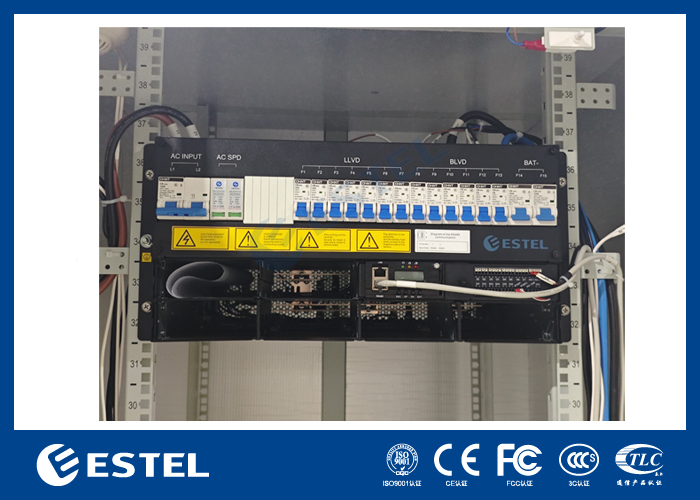
What Is a Telecom Rectifier System
You rely on a telecom rectifier system to convert alternating current (AC) from the power grid into direct current (DC) that your telecom equipment needs. This system plays a critical role in keeping your network running smoothly, especially during power fluctuations or outages. Most telecom rectifier systems deliver a stable DC48V output, which is the standard for telecom devices.
A typical telecom rectifier system includes several main components:
AC-to-DC conversion unit for transforming grid power to DC.
Modular design that lets you add or replace rectifier modules as needed.
Battery backup interface to ensure uninterrupted service during outages.
Intelligent control and monitoring for real-time system management.
Distribution units to manage power flow to different loads and batteries.
You can find advanced features like input EMI filters, power factor correction, and output filtering in modern systems. These features help maintain efficiency and protect your sensitive equipment.
Principles of Modular Rectifier Designs
Modular rectifier systems use modular rectifier designs to give you flexibility and reliability. In these systems, each modular rectifier module operates independently. You can add, remove, or replace modules without shutting down the entire system. This approach makes maintenance and upgrades much easier.
Let’s compare modular rectifier systems with traditional rectifier systems:
Feature | Modular Rectifier Systems | Traditional Rectifier Systems |
|---|---|---|
Maintenance | Hot-swappable modules, real-time monitoring | Requires complete shutdown for repairs |
Downtime | Significantly reduced due to modular design | Higher due to necessary system shutdowns |
Scalability | Plug-and-play scalability for easy expansion | Limited scalability, often requiring major overhauls |
Mean Time to Repair (MTTR) | Low due to easy module replacement | High due to complete system shutdowns |
You benefit from modular rectifier systems because you can quickly install or upgrade modules. This design reduces downtime by up to 25%. You also improve maintenance efficiency and minimize service interruptions. ESTEL’s expertise in modular rectifier designs ensures that you get a reliable and scalable power solution for your telecom network.
On-Demand Expansion with Modules
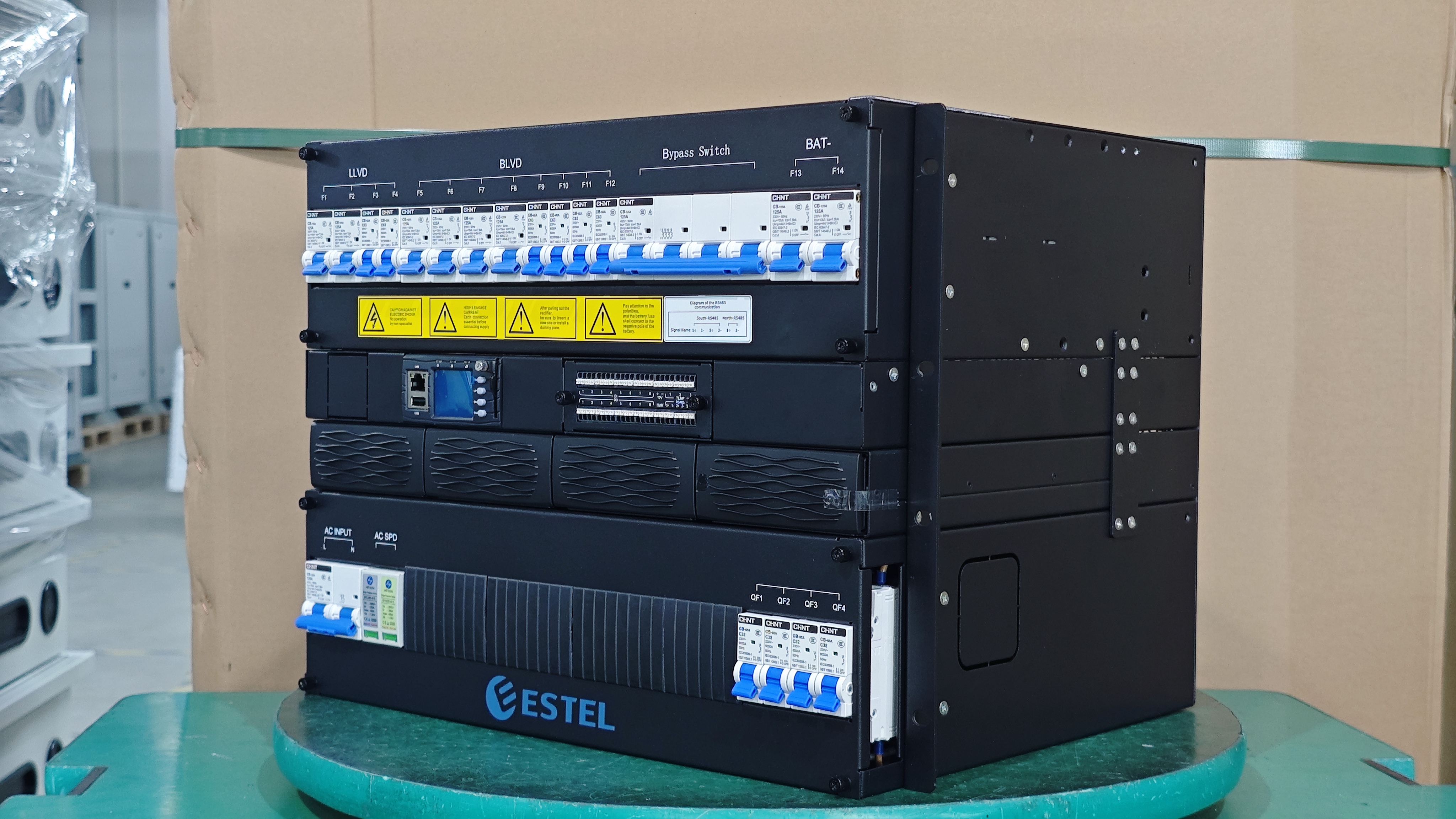
Hot-Swappable Module Technology
You can expand your telecom power system without shutting down operations. Modular rectifier module technology makes this possible. ESTEL’s Telecom Rectifier System uses hot-swappable modules that allow you to add or replace modules while the system stays online. You do not need to disconnect the load or interrupt service. This feature ensures high availability and keeps your network running smoothly.
Hot-swappable modules are automatically detected and synced into the system. You can perform maintenance or upgrades quickly. You do not need special tools. The chassis supports hot-swap functionality and gives you easy access to each modular rectifier module. You prevent arcing and voltage drops during module replacement. You also enable predictive maintenance and quick fault resolution.
The ESTEL system supports up to twelve hot-swappable modules. You can scale your power capacity as your network grows. You do not need major overhauls or service interruptions. This technology addresses your need for continuous operation and seamless expansion.
Here is a table showing the technical requirements for hot-swappable module technology:
Specification | Details |
|---|---|
Nominal DC voltage (Output) | 48VDC / 24VDC |
Nominal DC current (Output) | 30A / 50A / 60A |
Input AC voltage | 220Vac / 110Vac |
Communication Interfaces | RS485, SNMP |
Efficiency | 93.2% |
Power Factor | Up to 0.99 |
Temperature Compensation System | Yes |
System Configuration Flexibility | Yes |
Applications | Communication and Industrial |
Certificates | CE, EN61000, IEC60146 |
Live System Expansion Process
You can expand your telecom rectifier system in real time. The process starts with a site assessment. You evaluate your existing infrastructure and analyze the load. You select the right modular rectifier module based on power capacity, efficiency, and modularity. You follow best practices by integrating modules with attention to technical details and safety protocols.
Here is a table outlining the steps involved in live system expansion:
Step | Description |
|---|---|
Site Assessment | Evaluate infrastructure and analyze load for new module installations. |
Module Selection | Choose modules based on power capacity, efficiency, and modularity. |
Best Practices | Integrate modules using high-efficiency components and safety protocols. |
Safety mechanisms protect your system during expansion. You benefit from redundancy, overvoltage protection, short circuit protection, and thermal protection. Hot-swap functionality lets you replace modular rectifier module units without shutting down the system. You maintain uptime and prevent service interruptions.
Tip: Always check the chassis for hot-swap support and ensure easy access to modules before starting expansion.
You can add or replace modules as your network grows. You do not need to schedule downtime. You keep your telecom services running and meet customer expectations. ESTEL’s modular rectifier module design gives you flexibility and reliability for every expansion.
Benefits of Modular Rectifier Systems
Scalability and Flexibility
You need a power solution that grows with your network. Modular rectifier systems give you the ability to scale your power infrastructure as your needs change. Each module works independently, so you can add new units or replace old ones without disrupting your service. This approach means you only invest in extra modules when your network requires more capacity. You avoid unnecessary costs and keep your operations efficient.
Flexibility is another key advantage. You can adapt quickly to changing power demands, whether you are expanding for 5G, IoT, or new site deployments. The table below shows how modular rectifier systems support both scalability and flexibility:
Evidence Description | Key Features |
|---|---|
Modular rectifier designs provide unmatched scalability for expanding 48v power systems. | Operators can add or remove modules as network demands change, supporting seamless capacity expansion for 5G and IoT growth. |
Plug-and-play architecture allows technicians to add or replace modules quickly. | Reduces downtime and maintenance costs, enabling seamless power adjustments as network demands change. |
AI-powered dynamic power optimization adjusts power consumption based on network demand. | Improves energy efficiency and operational flexibility. |
You can see that modular rectifier systems help you respond to network changes with ease. This flexibility ensures you always deliver reliable power to your telecom equipment.
Uptime and Cost Efficiency
You want to keep your network running without interruptions. Modular rectifier systems improve uptime by using redundancy. If one module fails, the system continues to operate at reduced capacity. You avoid complete downtime, which is common in non-modular systems. You can also expand your system by adding more modules, so you meet growing demands without major interruptions.
Cost efficiency is another benefit. You only purchase and install modules when you need them. This approach reduces upfront investment and ongoing maintenance costs. You save money while ensuring reliable power for your network. ESTEL’s modular rectifier systems combine high efficiency with advanced safety features, giving you peace of mind and long-term value.
Note: With modular rectifier systems, you gain flexibility, reliable power, and cost savings—all essential for modern telecom operations.
Technical Requirements for Expansion
Hardware and Software Needs
You need the right hardware and software to support seamless expansion in your telecom rectifier system. The main components include rectifier modules, DC-DC converters, and advanced protection features. These elements help you achieve scalable power upgrades and maintain high efficiency. You also rely on real-time monitoring to track system performance and detect issues early. The table below summarizes the essential components:
Component Type | Description |
|---|---|
Rectifier Modules | Convert AC to stable DC power, achieving over 95% efficiency. |
DC-DC Converters | Regulate output voltage and provide isolation for sensitive telecom equipment. |
Advanced Protection | Safeguards like overvoltage and thermal protection enhance reliability and safety. |
You use real-time monitoring software to oversee voltage, current, and temperature. This software alerts you to abnormal conditions and helps you optimize your expansion strategy.
Safety and Best Practices
You must follow strict safety protocols when adding modules to a live system. These steps protect your equipment and personnel. Consider the following best practices:
Implement a phased deployment approach. Schedule upgrades during low-impact times and test in a simulated environment.
Provide staff training and continuous learning opportunities.
Check compatibility between new and existing modules before expansion.
Tip: Real-time monitoring helps you identify risks and maintain system stability during upgrades.
Follow these best practices to minimize risk:
Prepare the installation site. Keep it clean, dry, and free from dust.
Review the manufacturer’s guidelines for installing modules.
Secure equipment firmly to prevent vibrations.
Use high-quality cables and connectors.
Clean modules every three to six months and inspect connections for damage.
Monitor voltage and current levels with real-time monitoring sensors.
Schedule routine maintenance and firmware updates.
Develop a risk planning strategy for power resiliency.
Step-by-Step Module Addition
You can add modules to your rectifier system without shutting down operations. Follow these steps for safe expansion:
Position the telecom rectifier module in a location free from dust and moisture.
Connect the input power supply. Ensure the power is off before making connections.
Wire the output connections to your telecom equipment. Secure and insulate all connections.
Mount the rectifier using appropriate hardware. Check for stability.
Ensure proper ventilation and maintain cooling systems.
Power on the rectifier. Check all connections and observe operational indicators using real-time monitoring.
You achieve reliable expansion and maintain continuous service by following these steps. Real-time monitoring ensures you detect any issues quickly and keep your network running smoothly.
Real-World Applications and Solutions
Overcoming Expansion Challenges
You may face several challenges when expanding your telecom rectifier system. Power fluctuations, rising energy costs, and the need for quick upgrades can slow down your progress. You can overcome these obstacles by choosing the right solutions.
Use telecom rectifier systems with a wide input voltage range. This feature helps you manage power fluctuations in different regions.
Select high-efficiency rectifiers. These units lower your energy costs and boost performance, especially in 5G networks.
Choose modular designs. You can upgrade or maintain your system quickly and adapt to changing network demands.
Rely on real-time monitoring. This tool lets you oversee system performance and prevent service interruptions.
You can see that these strategies make your expansion process smoother and more reliable.
ESTEL Case Studies
You can find many real-world examples where ESTEL’s modular rectifier systems have made a difference.
Cellular base stations use ESTEL rectifiers to deliver stable DC power. You keep your service running and scale up as your network grows.
Data centers and network hubs benefit from these rectifiers. You reduce energy waste and respond faster to maintenance needs in high-density environments.
Renewable energy systems, such as solar or wind, integrate ESTEL rectifiers for high efficiency and stable operation.
You can measure the improvements after you implement ESTEL’s modular solutions. The table below shows the results that clients have achieved:
Improvement Type | Measurement |
|---|---|
Energy Consumption Reduction | |
Energy Use Reduction | 15% reduction |
Power Loss Reduction | Up to 75% reduction |
Energy Conversion Efficiency | Above 96% efficiency |
You gain lower energy costs, higher efficiency, and reliable service when you choose ESTEL’s modular rectifier systems. These real-world results show how you can achieve seamless expansion and operational excellence.
You gain uninterrupted service and operational efficiency with modular rectifier systems. Modular design lets you add or remove power modules as needed, minimizing disruptions and enabling proactive maintenance. ESTEL stands out as a global leader, with rectifier modules deployed in over 50 countries and recognized for energy efficiency and innovation.
ESTEL’s customer support guides you through every stage, ensuring reliable solutions.
You benefit from reduced operational costs, enhanced sustainability, and industry certifications.
Step | Action |
|---|---|
1 | Contact ESTEL with your project details. |
2 | Receive expert guidance and tailored options. |
3 | Finalize requirements and review your proposal. |
Explore ESTEL’s modular rectifier systems to future-proof your telecom network.
FAQ
What are the main benefits of modular rectifier systems?
You gain plug-and-play scalability, easy maintenance, and reduced downtime. Modular rectifier systems let you add modules as your network grows. You enjoy modular design advantages, which help you save costs and improve reliability.
How do you add modules to a modular rectifier system?
You insert new modules into the rectifier chassis. The modular system detects each module automatically. You do not need to shut down the rectifier. Plug-and-play scalability lets you expand your power capacity quickly.
Can you replace faulty modules without stopping the rectifier?
You can replace faulty modules while the modular rectifier system stays online. The modular design allows you to swap modules safely. You maintain continuous service and avoid interruptions.
Why do telecom operators prefer modular rectifier systems?
You prefer modular rectifier systems because they offer flexibility, scalability, and reliability. Modular rectifier systems support rapid expansion. You can add modules as needed. Modular designs help you meet changing power demands.
What makes modular rectifier systems different from traditional rectifier setups?
You use modular rectifier systems for their plug-and-play scalability and easy module replacement. Traditional rectifier setups require shutdowns for upgrades. Modular systems let you add modules and maintain uptime.
See Also
Integrated Solar Inverter And Battery Solutions For Telecom Cabinets
Solar Energy Storage Solutions For Telecom Cabinet Power
Calculating Power Systems And Battery Needs For Telecom Cabinets
Ensuring Consistent Power Supply For Telecom Cabinet Operations
Smart Microgrid Energy Storage Solutions For Telecom Cabinets
CALL US DIRECTLY
86-13752765943
3A-8, SHUIWAN 1979 SQUARE (PHASE II), NO.111, TAIZI ROAD,SHUIWAN COMMUNITY, ZHAOSHANG STREET, NANSHAN DISTRICT, SHENZHEN, GUANGDONG, CHINA
