Noise Level <55dB for Telecom Rectifier Systems: Friendly Design for Quiet Urban Data Centers

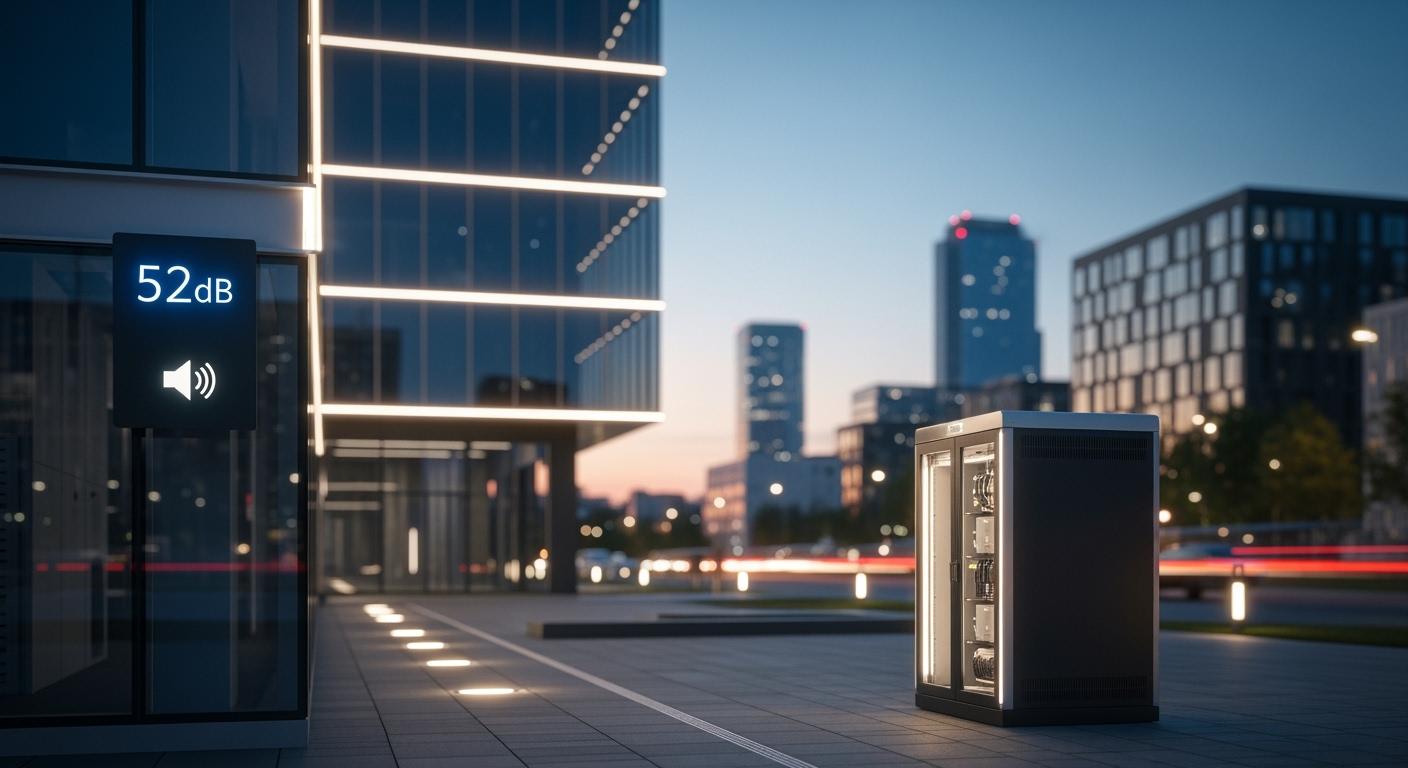
You want your urban data center to operate quietly and efficiently. A Telecom Rectifier System with noise levels below 55dB helps you achieve this goal. Low-noise design protects your employees' comfort, supports a peaceful environment, and meets strict city regulations. ESTEL leads the industry with advanced solutions that combine innovation and quality. When you choose a quiet system, you show responsibility to your community and improve your operational reliability.
Key Takeaways
Choose Telecom Rectifier Systems with noise levels below 55dB to create a quiet and efficient urban data center.
A quieter work environment boosts employee productivity and reduces stress, leading to better overall well-being.
Complying with local noise regulations protects your reputation and fosters good relationships with the community.
Implement best practices for installation and maintenance to ensure your rectifier system operates quietly and efficiently.
Investing in low-noise technology demonstrates responsibility to your community and enhances your data center's operational reliability.
Why Noise Control Matters
Urban Data Center Challenges
You face unique challenges when operating a data center in an urban environment. Noise pollution from telecom equipment can disrupt daily life for nearby residents and businesses. Many communities report disruptive noise from temporary chillers. Companies often apply sound attenuation equipment to permanent chillers to reduce noise. City board testimonies highlight ongoing concerns about noise and air quality. You must address these issues to maintain good relationships with your neighbors and protect your reputation.
Disruptive noise from temporary chillers affects residents.
Companies install sound attenuation equipment to mitigate noise.
Community concerns about noise and air quality appear in city board meetings.
Impact on Employees and Community
Noise from telecom rectifier systems can affect your employees’ health and productivity. Employees in quieter environments report lower stress levels and increased productivity. A peaceful setting leads to better overall well-being. You create a more comfortable workspace by reducing noise.
Group | Mean Score (Self-assessment) | p-value |
|---|---|---|
Telephone Operators | 10.5 ± 0.8 | < 0.05 |
Geophone Operators | 13.4 ± 1.18 |
Employees in quiet environments feel less stress.
Productivity rises in peaceful settings.
Reduced noise improves overall well-being.
Noise also impacts the surrounding community. Residents report sleep disruption from overnight noise. Many cannot use outdoor spaces and keep windows closed year-round. Persistent vibration sensations inside homes increase stress and diminish quality of life. Appraisers often reduce property values for homes affected by ongoing noise, leading to permanent loss of equity.
Regulatory Compliance
You must comply with strict noise regulations in urban areas. Typical noise limits for data centers range from 45 to 55 dBA at property boundaries in residential zones. These limits vary by jurisdiction. Non-compliance can lead to significant consequences for your operations.
Telecom rectifier systems help you meet these regulations. They use EMI filters and follow EMC standards to mitigate electromagnetic interference. Compliance with standards like CISPR and ETSI/EN protects human health and ensures compatibility across devices. You maintain regulatory compliance and support a healthy environment by choosing low-noise systems.
Understanding <55dB in Telecom Rectifier System
What <55dB Means
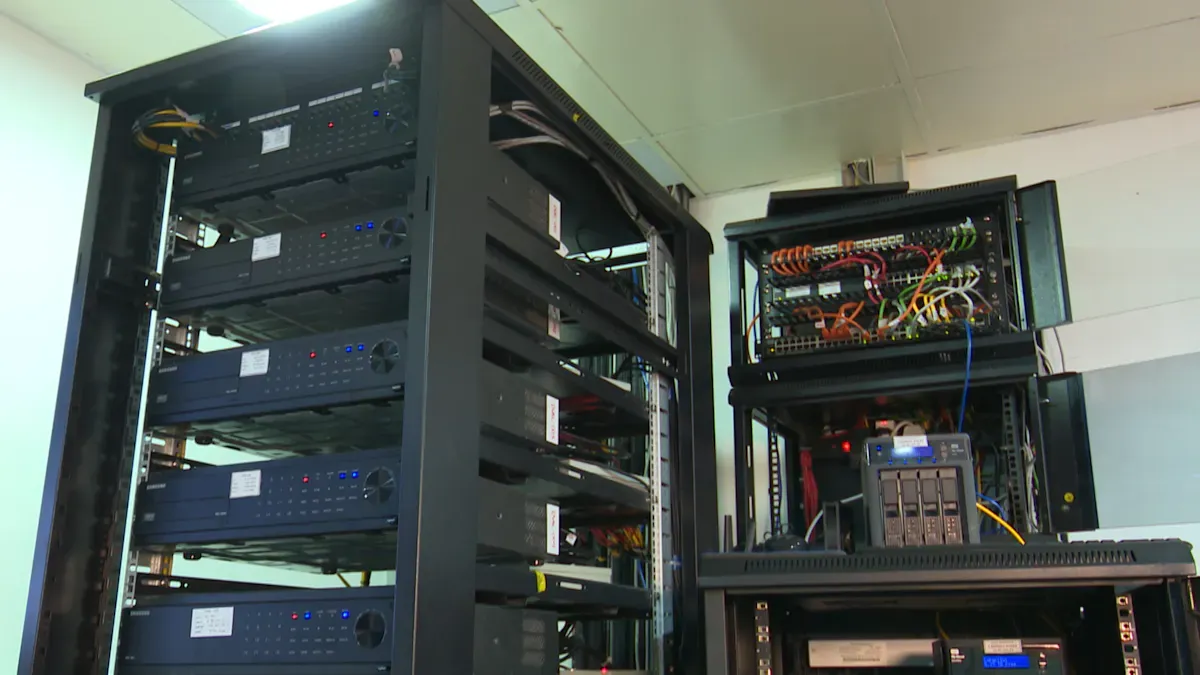
You may wonder what a noise level below 55dB actually represents. In practical terms, a Telecom Rectifier System operating at less than 55dB produces sound similar to a quiet office or a normal conversation at home. This level is low enough that you can stand near the equipment and still talk comfortably. ESTEL designs its systems to meet this standard, ensuring that your data center stays within safe and acceptable noise limits. The National Environmental Standards and Regulations Enforcement Agency (NESREA) sets 55dB as the maximum for residential communities. By keeping noise below this threshold, you protect both your employees and your neighbors from unwanted disturbances.
Low-Noise Design Significance
You benefit in many ways when you choose a Telecom Rectifier System with noise levels under 55dB. Here are some key reasons:
You help maintain a healthy urban environment.
You reduce the risk of stress and sleep disturbances for people nearby.
You support compliance with city and national noise regulations.
You create a more comfortable workspace for your team.
Noise above 55dB can cause health problems such as increased stress and sleep issues. By selecting a system that stays below this level, you show responsibility to your community and your staff.
Comparison to Standard Systems
You may notice that many standard telecom power systems operate at higher noise levels, sometimes reaching 60dB or more. These systems can sound as loud as a busy street or a crowded restaurant. The difference between 55dB and 60dB may seem small, but every 3dB increase doubles the sound energy. The table below shows how different noise levels compare:
Noise Level (dB) | Typical Source | Impact in Data Center |
|---|---|---|
45 | Quiet library | Barely noticeable |
55 | ESTEL Rectifier System | Comfortable conversation |
60 | Busy office | Noticeable, may cause stress |
By choosing a Telecom Rectifier System designed for less than 55dB, you set your data center apart as a quiet, community-friendly facility.
ESTEL’s Low-Noise Design Features
Advanced Cooling Solutions
You want your data center to stay cool without adding extra noise. ESTEL uses advanced cooling solutions that focus on efficiency and quiet operation. The Telecom Rectifier System features natural cooling and high-efficiency airflow management. This approach reduces the need for loud fans or air conditioning units. You benefit from a system that keeps equipment at the right temperature while maintaining a peaceful environment. Natural cooling also lowers energy consumption, which supports both cost savings and environmental goals.
Modular and Efficient Design
You can customize your setup with ESTEL’s modular design. This flexibility helps you reduce noise by allowing you to select only the components you need. The design also improves airflow, which means less heat and less need for noisy cooling equipment. The table below shows how specific features contribute to noise reduction:
Feature | Contribution to Noise Reduction |
|---|---|
Perforated doors | Improve cooling efficiency by allowing air to flow freely. |
Adjustable mounting rails | Help position equipment for better airflow. |
Blanking panels | Prevent air recirculation, directing cool air to needed areas. |
You get a Telecom Rectifier System that is easy to scale and maintain. The efficient layout keeps noise levels low, even as your data center grows.
Acoustic Enclosure Innovations
You experience quieter operation because ESTEL uses advanced engineering techniques in its enclosures. These innovations include:
Precision noise control for quiet environments.
Modular design that lets you choose components to minimize sound.
Real-time monitoring for instant power adjustments and noise management.
Integration with renewable energy sources for even quieter performance.
Targeted design that keeps noise lower than many competitors.
You notice the difference when you stand near an ESTEL system. The enclosure blocks and absorbs sound, so your workspace and the surrounding community stay peaceful.
Telecom Power System Integration
You achieve even quieter operation with ESTEL’s Telecom Power System. The system uses natural cooling, which means you do not need extra fans or air conditioning. This design choice eliminates one of the main sources of noise in traditional setups. You also benefit from flexible installation options, which help you position equipment for the best airflow and lowest noise. The integration of the Telecom Power System with the Telecom Rectifier System ensures reliable, silent power delivery for your data center.
Tip: When you combine these features, you create a data center that meets strict urban noise standards and supports a healthy, productive environment.
Benefits of Quiet Telecom Rectifier System
Operational Efficiency
You improve your data center’s performance when you use a quiet Telecom Rectifier System. Low-noise equipment often means better engineering and higher efficiency. You reduce energy loss because the system uses advanced cooling and modular components. Less noise also means fewer moving parts, which leads to lower maintenance needs. You save on operational costs and keep your equipment running longer. Your team can focus on core tasks instead of constant repairs or adjustments.
Regulatory and Community Acceptance
You meet strict city noise regulations with a quiet system. Many urban areas set noise limits to protect residents and businesses. When your data center stays below 55dB, you avoid fines and legal issues. You also build trust with your neighbors. A quiet facility shows that you care about the community. Residents appreciate a peaceful environment, and your company gains a positive reputation. You make it easier to expand or upgrade your site in the future because you have already shown respect for local standards.
Note: Community acceptance can help you avoid project delays and public complaints. A quiet data center is more likely to receive support from city officials and residents.
Enhanced Work Environment
You create a better workplace for your employees with low-noise technology. A quieter environment reduces stress and helps people concentrate. Employees feel more satisfied and are less likely to leave their jobs. The following table shows how noise levels affect employee satisfaction:
Technology Type | Noise Level | Impact on Work Environment |
|---|---|---|
Convection Cooled SMR | Low | Positive impact on employee satisfaction |
SCR Charger | High | Negative impact on employee satisfaction |
You see higher productivity and better morale. Your team enjoys coming to work, and you attract top talent who value a comfortable setting.
Implementation and Best Practices
Selecting ESTEL Solutions
You should select a rectifier system that matches your data center’s needs. Consider the following criteria when choosing an ESTEL low-noise solution:
Criteria | Description |
|---|---|
Output Voltage and Current | Choose a rectifier that delivers -48V DC and enough current for your load. |
Efficiency Rating | Select units with efficiency of 90% or higher to save energy and reduce heat. |
Input Voltage Range | Pick systems with a wide AC input range (such as 85–264V AC) for stability. |
Redundancy Support | Look for N+1 redundancy to keep your system running if one module fails. |
Thermal Management | Consider cooling methods that fit your environment. Fanless designs are quiet. |
Digital Monitoring & Communication | Make sure the rectifier supports remote monitoring (SNMP/Modbus). |
Surge and Overvoltage Protection | Check for built-in protection, especially for outdoor use. |
Mechanical Form Factor | Confirm the rectifier fits your rack or cabinet and meets weight limits. |
You can use this table to compare options and make an informed decision.
Installation Tips
You should plan your installation for both performance and quiet operation. Place rectifier systems away from high-traffic areas to minimize noise exposure. Use vibration-absorbing mounts to reduce sound transmission. Ensure that all modules fit securely in the rack or cabinet. Leave enough space for airflow around each unit. Connect monitoring systems to track performance and noise levels in real time. Always follow ESTEL’s installation guidelines for best results.
Tip: Proper installation helps you maintain low noise and extends equipment life.
Maintenance for Low Noise
You keep your rectifier system quiet by following a regular maintenance routine. Here are key steps:
Inspect all components regularly.
Clean rectifier modules to remove dust and debris.
Use predictive maintenance tools to monitor system health.
Check and clean air filters for proper airflow.
Ensure good ventilation to prevent overheating.
Inspect cooling fans for efficient operation.
Tighten electrical connections to avoid interruptions.
Update firmware to improve performance.
You can prevent most noise issues with these simple actions.
Urban Data Center Example
Imagine you operate a data center in a busy city district. You install ESTEL’s Telecom Rectifier System with natural cooling and modular design. You follow best practices for installation and maintenance. Your team notices a quieter workspace. Neighbors report no disturbance from your facility. You meet city noise regulations and gain community support. Your data center runs efficiently and quietly, setting a standard for urban operations.
You support a quieter, more efficient urban data center when you choose ESTEL’s <55dB telecom rectifier systems. You meet noise regulations, improve employee comfort, and show respect for your community. Consider these priorities for future projects:
Focus on innovative solutions for water and waste management.
Integrate AI technologies to boost efficiency and lower resource use.
Address the growing need for environmental services in your operations.
Explore ESTEL’s advanced products to build a sustainable and quiet telecom infrastructure.
FAQ
What does a noise level below 55dB mean for my data center?
A noise level below 55dB means your equipment sounds as quiet as a normal conversation. You can work near the rectifier system without distraction. This level helps you meet city noise rules and keeps your workplace comfortable.
How do ESTEL rectifier systems achieve low noise?
You benefit from advanced cooling, modular design, and acoustic enclosures. These features reduce fan noise and vibration. ESTEL uses natural cooling and smart airflow to keep sound levels low.
Why should I care about noise regulations in urban areas?
You must follow local noise laws to avoid fines and complaints. Quiet equipment helps you build trust with neighbors and city officials. You also create a better environment for your team.
Can I upgrade my existing data center with ESTEL’s low-noise systems?
Yes, you can. ESTEL designs rectifier systems for easy integration. You can install them in standard racks or cabinets. This makes upgrades simple and effective.
See Also
Effective Strategies for Reducing Noise in Server Enclosures
Ensuring Consistent Power Supply for Telecom Cabinet Operations
Air Conditioning Solutions for Outdoor Telecom Cabinet Needs
Essential Specifications for Outdoor Telecom Cabinets and Equipment
Key Material Specifications for Outdoor Telecom Cabinet Design
CALL US DIRECTLY
86-13752765943
3A-8, SHUIWAN 1979 SQUARE (PHASE II), NO.111, TAIZI ROAD,SHUIWAN COMMUNITY, ZHAOSHANG STREET, NANSHAN DISTRICT, SHENZHEN, GUANGDONG, CHINA
