Battery Health Management of Telecom Rectifier Systems: Real-Time SOH Monitoring and Lifespan Prediction

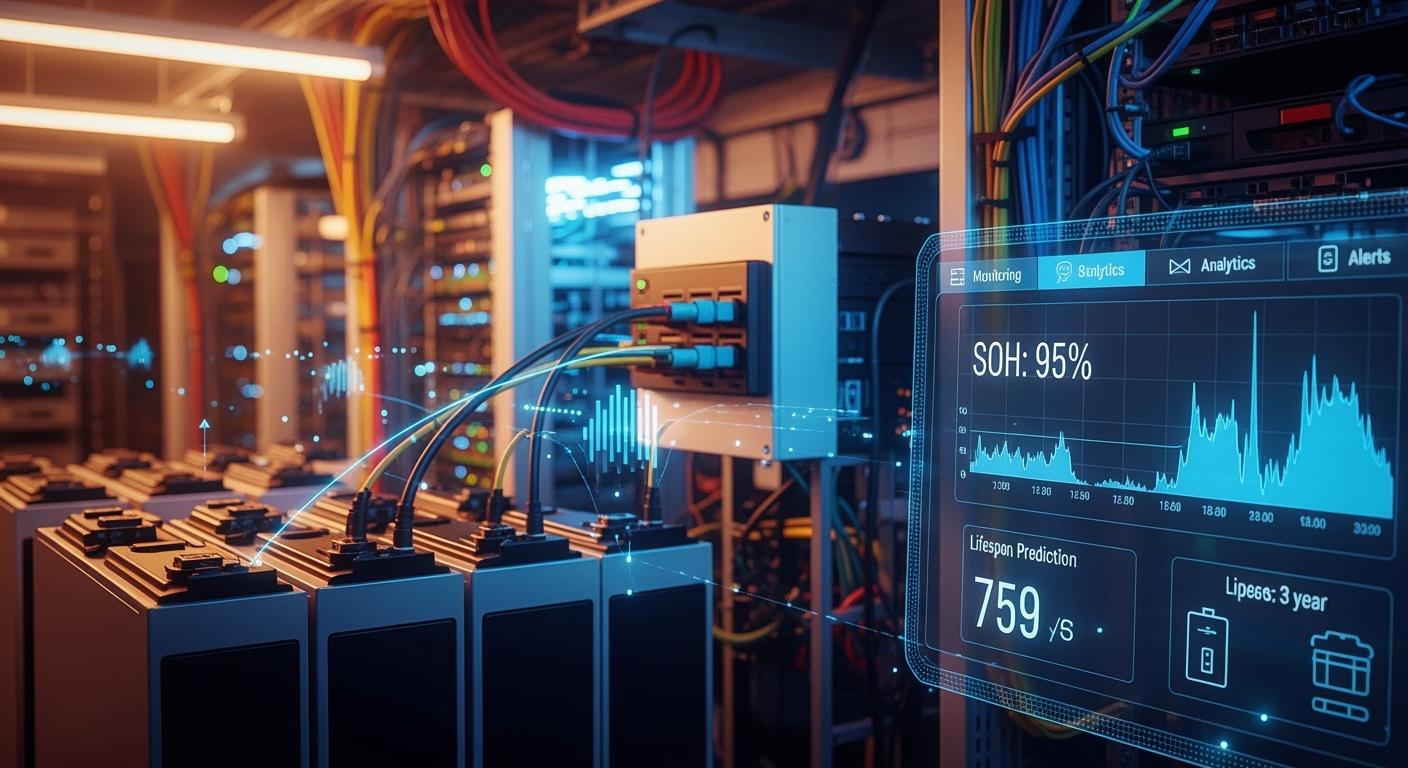
You face real risks when a battery fails in a telecom network. Quick identification of battery anomalies helps you prevent costly outages and protect network reliability. Real-time SOH monitoring in the Telecom Rectifier System uses advanced sensors and remote status checks to optimize maintenance and response times. The table below shows how these features statistically reduce battery failure rates:
Benefit | Description |
|---|---|
Early Detection | Identifies anomalies quickly, prevents outages |
Proactive Maintenance | Enables swift response, minimizes disruptions |
Advanced Sensors | Predicts failures before they occur, improves maintenance |
Remote Monitoring | Provides real-time checks, reduces manual inspections |
Key Takeaways
Real-time monitoring of battery health helps you catch problems early, preventing costly outages.
Understanding battery State of Health (SOH) is crucial for maintaining reliable telecom networks.
Using advanced sensors allows for proactive maintenance, reducing unexpected failures and downtime.
Data-driven approaches can predict battery lifespan, helping you plan maintenance and save costs.
Choosing ESTEL’s solutions enhances battery reliability and network performance, leading to significant cost savings.
Understanding Battery SOH in Telecom Systems
What Is Battery SOH
You need to understand battery State of Health (SOH) to manage your telecom power systems effectively. SOH tells you how much usable capacity remains in a battery compared to when it was new. You can measure SOH in two main ways:
SOH as a percentage: Divide the current capacity by the initial capacity, then multiply by 100. For example, if your battery started at 100Ah and now holds 80Ah, the SOH is 80%.
Internal resistance: As batteries age, their internal resistance increases. Tracking this change helps you estimate SOH more precisely.
These methods give you a clear picture of battery health, which is essential for reliable operation in a Telecom Rectifier System.
Why SOH Matters for Telecom
You rely on batteries to keep telecom networks running during power interruptions. Healthy batteries ensure stable connections and support critical communication. As the demand for reliable networks grows, battery SOH becomes even more important. Monitoring SOH helps you catch early signs of battery problems, so you can act before failures occur.
Continuous measurement of SOH indicators allows you to spot deterioration early and prevent overheating, which can lead to costly failures.
Here is how SOH impacts your network:
Benefit | Description |
|---|---|
Extended Battery Lifespan | Identifying and addressing issues early prolongs battery lifespan, reducing replacement frequency. |
Reduced Downtime Costs | Preventing unexpected failures minimizes service disruptions, enhancing customer satisfaction. |
Efficient Resource Allocation | Data from testing helps optimize resource use, reducing operational costs and improving profitability. |
Enhanced Reputation | Reliable service boosts brand reputation, attracting more customers and increasing revenue. |
Key SOH Indicators
You can assess battery SOH by monitoring several key indicators:
Voltage: Shows the chemical state and performance of the battery.
Current: Measures the flow of electric charge, helping you track battery aging.
Internal Resistance: Indicates how much the battery resists current flow, which affects both performance and safety.
By tracking these indicators, you ensure your Telecom Rectifier System operates efficiently and supports your network’s reliability.
Real-Time SOH Monitoring for Telecom Rectifier System
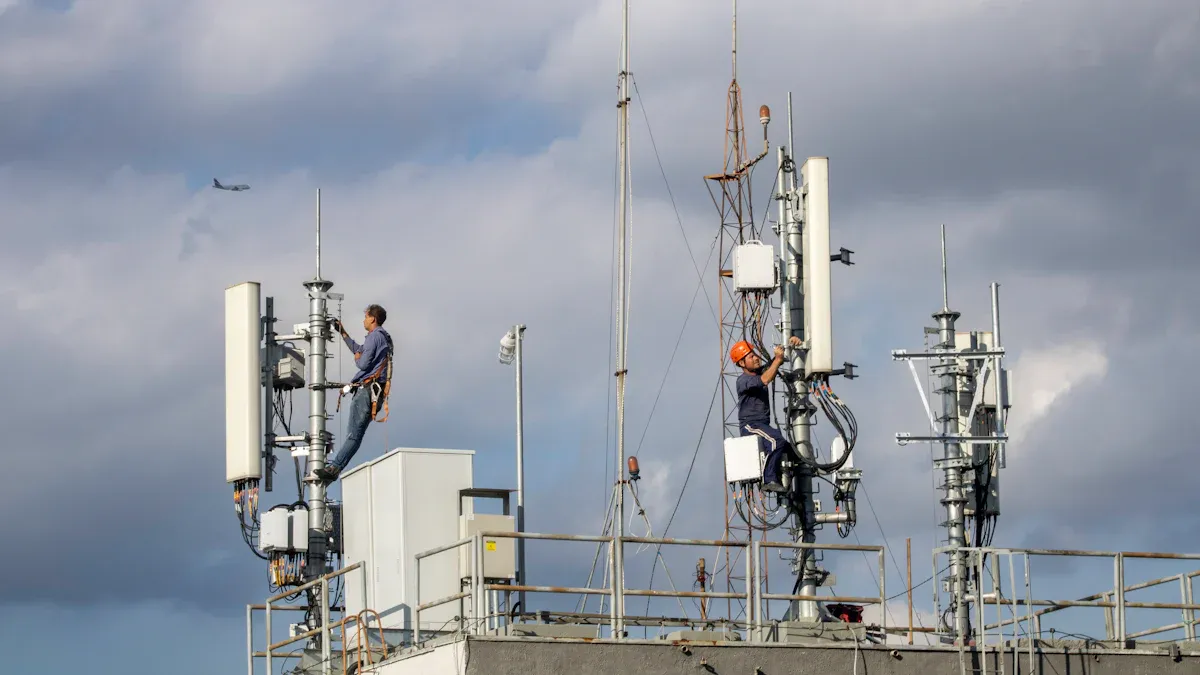
Monitoring Technologies and Sensors
You need reliable monitoring technologies to keep your telecom batteries healthy. In a Telecom Rectifier System, sensors play a key role in collecting real-time data. These sensors track important parameters that affect battery performance and safety.
Voltage sensors measure the battery’s electrical state.
Temperature sensors detect heat changes that can signal problems.
Backup duration monitors how long batteries can support your network during outages.
You can spot voltage drops or temperature spikes early with these sensors. Smart battery management features, such as temperature compensation and automatic equalization, help you maintain optimal battery conditions. Modern systems also provide multiple communication interfaces. These interfaces let you access system parameters quickly and remotely.
Tip: Early detection of abnormal readings helps you prevent service interruptions and extend battery life.
Data Analysis and Predictive Algorithms
You need more than just raw data to manage battery health. Data analysis and predictive algorithms turn sensor readings into actionable insights. In a Telecom Rectifier System, advanced algorithms process the data to predict battery State of Health (SOH) and remaining useful life.
The most effective predictive models include:
Algorithm Type | Description | Performance Metrics |
|---|---|---|
LSTM | Forecasts battery lifespan with high accuracy | RMSE: 0.01173, MAE: 0.01034 |
RNN | Predicts SOH, but less accurate than LSTM | N/A |
Kalman Filtering | Estimates battery charge and health in real time | N/A |
LSTM models stand out for their ability to forecast battery health and lifespan. These models use historical data to predict future performance. Kalman filtering helps estimate battery charge and SOH in real time. You can trust these methods to deliver accurate predictions. For example, analysis of temperature, voltage, and ohmic resistance achieves an overall prediction accuracy rate of 92%.
Benefits for Telecom Operations
You gain several advantages when you use real-time SOH monitoring in your Telecom Rectifier System. Automated fault detection identifies issues before they cause network failures. This proactive approach allows you to schedule maintenance at the right time.
Early failure detection reduces emergency repairs.
Predictive maintenance lowers operational costs.
Automated alerts help your IT team focus on strategic projects.
Real-time monitoring also improves service quality. For example, a major service provider reduced their Time-To-Resolution by 50% and saved $8 million annually after implementing automated monitoring. You can expect fewer outages and faster problem resolution. Automation helps you detect hardware failures before they happen, so you can plan maintenance and avoid unexpected downtime.
Note: Proactive maintenance not only prevents outages but also boosts your team’s efficiency.
ESTEL’s Monitoring Solutions
You can rely on ESTEL’s advanced monitoring solutions for your Telecom Rectifier System. ESTEL integrates high-precision sensors, smart controllers, and robust data analytics into its products. These features give you continuous visibility into battery health.
ESTEL’s systems support remote monitoring through multiple communication ports. You can access real-time data from anywhere, which makes it easier to manage batteries across different sites. The modular design of ESTEL’s Telecom Rectifier System allows for easy upgrades and maintenance. You can scale your monitoring capabilities as your network grows.
With ESTEL, you get:
Accurate SOH tracking for all batteries
Early warning alerts for voltage or temperature issues
Seamless integration with existing telecom infrastructure
You ensure network reliability and reduce maintenance costs when you choose ESTEL’s monitoring solutions.
Lifespan Prediction Methods

Data-Driven Approaches
You can use data-driven approaches to predict battery lifespan in telecom rectifier systems. These methods rely on collecting and analyzing large amounts of operational data from your batteries. You gain insights by monitoring voltage, temperature, and internal resistance. AI-driven analytics help you anticipate failures weeks before they happen. Real-time monitoring with intelligent power distribution units and environmental sensors improves operational efficiency by about 30%.
Here is a summary of the most effective data-driven approaches:
Evidence Type | Description | Impact |
|---|---|---|
Predictive Maintenance | AI-driven analytics anticipate failures weeks in advance | Reduces unexpected disruptions |
Real-time Monitoring | Intelligent sensors track battery and environment | Improves operational efficiency |
Automated Incident Categorization | Reduces manual triage by 58% | Cuts mean time to repair from 4.8 to 3.1 hours |
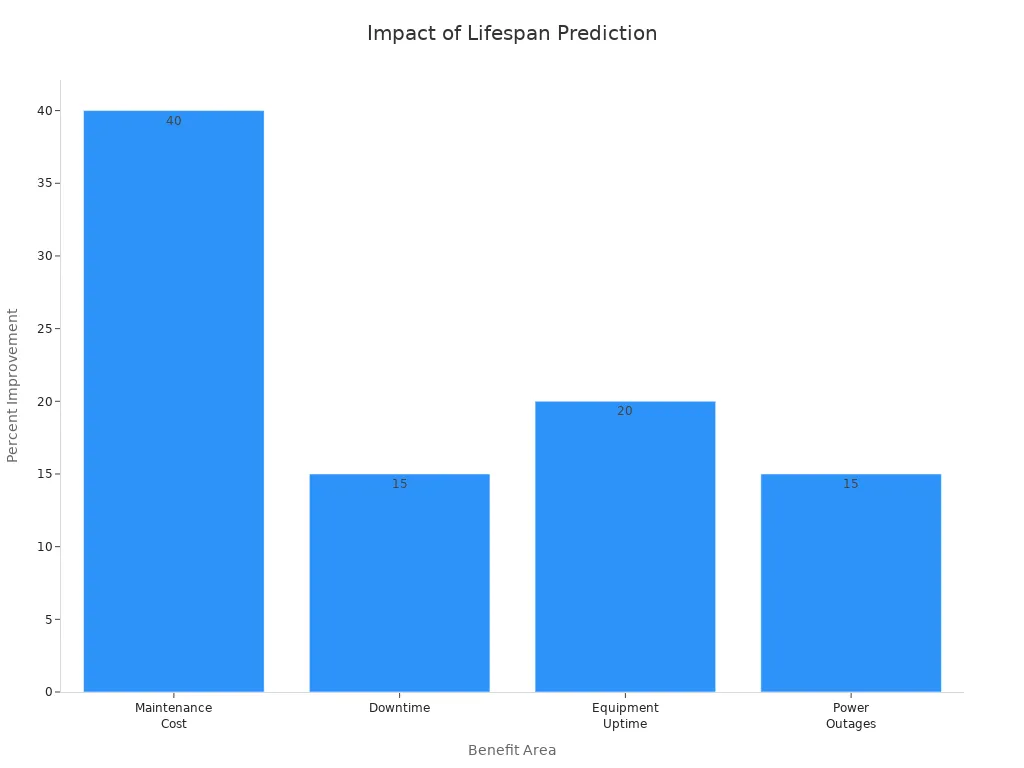
You can see how data-driven lifespan prediction reduces unexpected battery failures in telecom applications. Maintenance costs drop by up to 40%. Downtime decreases by 15%. Equipment uptime improves by 20%. Power outages reduce by 15%. The chart below shows these improvements visually:
Tip: You can use these data-driven methods to optimize your maintenance schedules and extend battery life.
Algorithmic Prediction Models
You can apply algorithmic prediction models to estimate battery lifespan with high accuracy. These models use historical and real-time data to forecast battery health. You choose from mechanism-based, data-driven, or hybrid models. Each model type offers unique strengths.
Model Type | Strengths | Limitations |
|---|---|---|
Mechanism-Based | High interpretability | Needs detailed system data |
Data-Driven | Flexible, adapts to new data | May lack physical insight |
Hybrid | Balanced accuracy and insight | Higher implementation effort |
You measure the accuracy of these models using several metrics. Mean Absolute Error (MAE) shows the average difference between predicted and actual values. Mean Squared Error (MSE) penalizes larger errors. Root Mean Squared Error (RMSE) takes the square root of MSE. Mean Absolute Percentage Error (MAPE) expresses error as a percentage. R2 shows how well predictions fit the actual data. Normalized RMSE (NMRSE) compares RMSE to the range of true values.
Metric | Description | Formula Example |
|---|---|---|
MAE | Measures average absolute difference | |
MSE | Penalizes larger errors more heavily | |
RMSE | Square root of MSE | |
MAPE | Expresses error as a percentage | |
R2 | Shows how well predictions fit | |
NMRSE | Compares RMSE to range of true values |
Note: You can select the model and metric that best fits your operational needs and data availability.
Maintenance Planning with ESTEL
You can use ESTEL’s lifespan prediction capability to support proactive maintenance planning in your telecom network. ESTEL’s predictive maintenance tools analyze historical and real-time data to foresee potential failures. You benefit from timely interventions that optimize maintenance schedules and extend battery lifespan.
You track voltage, temperature, and internal resistance continuously to detect issues early.
You reduce the risk of unexpected failures and ensure uninterrupted operations.
Predictive models help you determine optimal times for inspections, repairs, or replacements.
Anomaly detection algorithms identify deviations from normal performance, enabling timely maintenance actions.
You gain peace of mind knowing your network stays reliable and your maintenance costs stay low with ESTEL’s advanced solutions.
Implementation and Best Practices
Integration Steps for Telecom Power Systems
You can follow these steps to integrate SOH monitoring and lifespan prediction into your telecom power systems:
Secure all connections for power controllers, sensors, and PDUs. Use environmental protection measures to prevent moisture or dust from entering the cabinet.
Set up robust access controls. Use biometric authentication and surveillance to protect your equipment.
Encrypt all data transmissions to keep your information confidential.
Upgrade any legacy systems. Support modern security protocols and schedule regular system updates.
Inspect environmental seals and gaskets often, especially for outdoor cabinets.
Schedule professional inspections at least once a year after installation.
You may face challenges such as interoperability issues, workforce training needs, and the requirement for standardized protocols. You can overcome these by providing staff education and choosing solutions that support open interfaces.
Maintenance and Early Warning Tips
You can keep your batteries healthy and catch problems early by following these best practices:
Maintenance Tip | Description |
|---|---|
Structured Maintenance Programs | Align with IEEE standards for regular inspections and maintenance. |
Routine Testing | Validate battery performance and identify declining cells. |
Monitoring Environmental Conditions | Ensure optimal operating conditions to prevent premature failure. |
You should also inspect cabinets visually at least twice a year. Look for corrosion, loose fasteners, or panel damage. Clean components and remove debris to prevent overheating. Check cables and electrical connections every quarter. Replace any damaged wires immediately.
SOH data helps you reduce unnecessary maintenance routines by up to 42%. This approach saves time and money while letting technicians visualize battery health and plan their work more efficiently.
Tip: Use SOH data to reserve technician time only when needed, not on a fixed schedule.
Performance Optimization with ESTEL
You can optimize your telecom power system’s performance by leveraging ESTEL’s advanced solutions. A leading telecom provider saw a 30% reduction in maintenance costs and improved system uptime after integrating ESTEL’s intelligent PDUs.
ESTEL’s rectifiers connect with renewable energy sources like solar and wind. This reduces your reliance on traditional electricity and lowers your energy bills. The rectifiers also minimize energy loss during power conversion and use advanced thermal management to prevent overheating.
Feature | Impact on Efficiency and Reliability |
|---|---|
Renewable energy integration | Reduces electricity consumption |
High-efficiency power conversion | Lowers operational costs |
Advanced thermal management | Extends equipment life and ensures stable operation |
Note: You can achieve better reliability, lower costs, and greater energy efficiency by choosing ESTEL’s solutions for your telecom network.
Case Studies and Results
Improved Reliability in Telecom Networks
You can see the impact of real-time SOH monitoring in many telecom networks. When you use continuous battery health tracking, you reduce the risk of sudden failures. For example, a regional telecom operator installed SOH monitoring in over 200 outdoor cabinets. The operator saw a 35% drop in battery-related outages within the first year. You can achieve similar results by using advanced sensors and predictive analytics. These tools help you spot problems early and keep your network running smoothly.
Tip: Reliable networks build trust with your customers and support critical communication services.
Downtime Reduction and Cost Savings
You can lower your operational costs by reducing downtime. Real-time SOH monitoring and predictive maintenance help you avoid emergency repairs. One telecom provider reported a 40% decrease in unplanned maintenance visits after integrating SOH monitoring. You also save money by extending battery life and reducing the need for replacements.
Here is a summary of the benefits:
Benefit | Result |
|---|---|
Fewer Emergency Repairs | 40% reduction |
Lower Maintenance Costs | Up to 30% savings |
Extended Battery Lifespan | 20% longer service life |
You can use these savings to invest in other parts of your network.
ESTEL Success Stories
You can find many success stories with ESTEL’s Telecom Rectifier System and Power System. A major telecom company in Southeast Asia upgraded its outdoor cabinets with ESTEL solutions. The company saw a 25% improvement in network uptime and a 30% reduction in maintenance costs. You can also benefit from ESTEL’s modular design, which makes upgrades and repairs faster.
You gain real-time visibility into battery health.
You receive early warnings for potential issues.
You improve your network’s reliability and efficiency.
Visit ESTEL’s official website to learn more about how you can enhance your telecom infrastructure.
You improve battery reliability and network performance when you use real-time SOH monitoring and lifespan prediction. ESTEL’s advanced solutions help you reduce costs and extend battery life. For best results, you should:
Use continuous battery monitoring to catch early failures.
Integrate thermal management for safety.
Select batteries with high energy density and smart compatibility.
Choose systems that work in extreme weather and support renewable energy.
You ensure your telecom network stays strong and efficient.
FAQ
What is the main benefit of real-time SOH monitoring in telecom rectifier systems?
You can detect battery problems early. This helps you prevent unexpected outages. Real-time SOH monitoring gives you instant updates, so you can act quickly and keep your network running smoothly.
How often should you check battery health in telecom power systems?
You should check battery health continuously with automated systems. If you use manual checks, inspect batteries at least every three months. Automated monitoring gives you better protection and faster response.
Can ESTEL’s rectifier systems work in harsh outdoor environments?
Yes. ESTEL designs its rectifier systems for tough outdoor conditions. You get weatherproof cabinets, strong anti-corrosion coatings, and reliable cooling. These features help your equipment last longer and perform better.
How does predictive maintenance save you money?
Predictive maintenance lets you fix problems before they cause failures. You avoid emergency repairs and reduce downtime. This approach lowers your maintenance costs and extends battery life.
What data do you need for accurate battery lifespan prediction?
You need voltage, temperature, and internal resistance data. Collecting this information helps you predict battery health and plan maintenance. Accurate data leads to better decisions and fewer surprises.
See Also
Methods For Calculating Power Systems And Batteries In Telecom
A Detailed Overview Of Telecom Cabinet Battery Risk Analysis
Photovoltaic Inverter And Battery Systems For Telecom Cabinets
Energy Storage Solutions Using Photovoltaics For Telecom Cabinets
CALL US DIRECTLY
86-13752765943
3A-8, SHUIWAN 1979 SQUARE (PHASE II), NO.111, TAIZI ROAD,SHUIWAN COMMUNITY, ZHAOSHANG STREET, NANSHAN DISTRICT, SHENZHEN, GUANGDONG, CHINA
