Telecom rectifier throttling: thermal management in outdoor cabinets

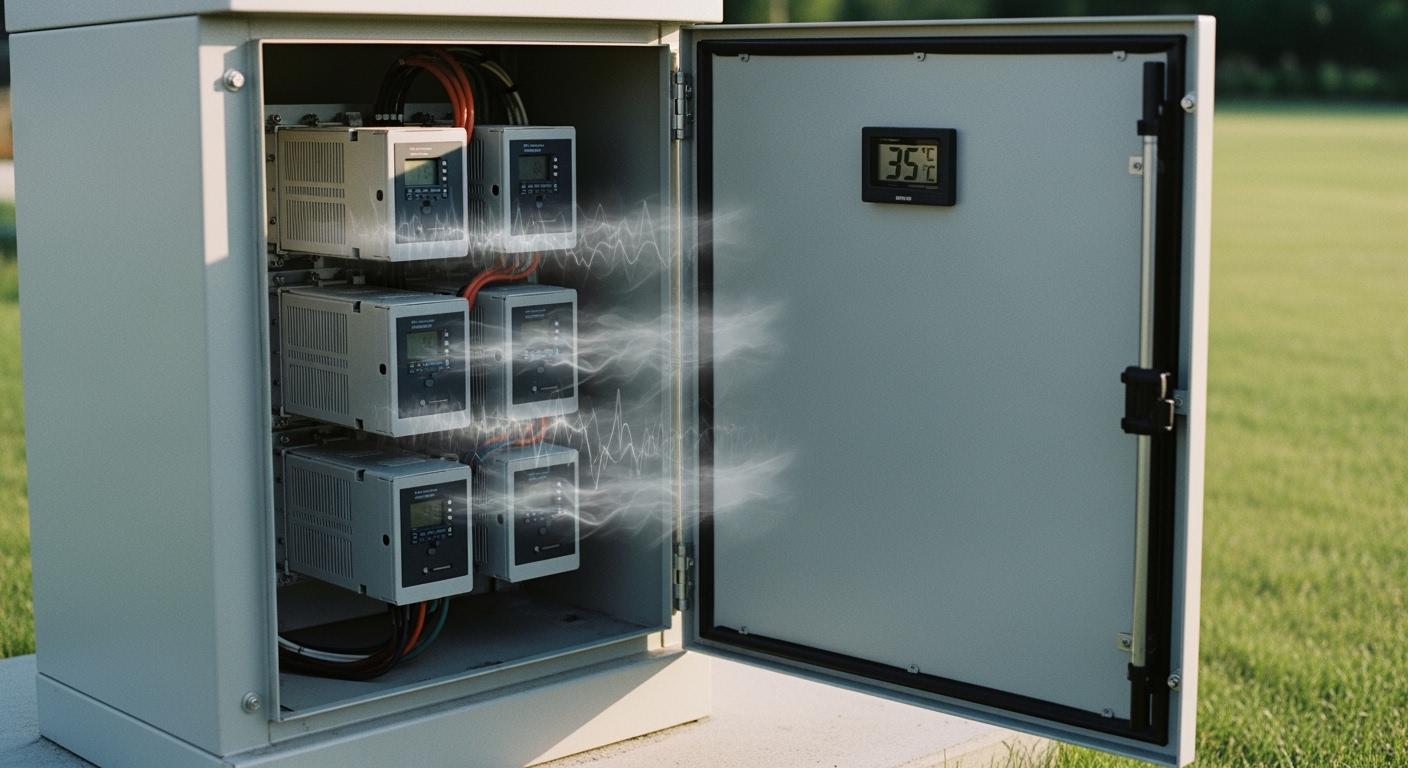
You need effective thermal management to keep your telecom rectifier system running smoothly in outdoor cabinets. Overheating can lead to MOSFET and power diode failures, thermal overload, and hot spots, which damage components. When you control heat, you improve operational efficiency, reduce energy losses, and extend the life of your equipment. ESTEL delivers advanced outdoor cabinet solutions that help you avoid these risks and keep your network reliable.
Key Takeaways
Effective thermal management prevents overheating, which can damage telecom rectifiers and reduce their lifespan.
Regular maintenance and monitoring of cooling systems help avoid costly repairs and extend equipment life.
Choosing high-efficiency rectifiers and optimizing cabinet airflow significantly improves energy efficiency and reliability.
Utilizing advanced solutions like ESTEL's outdoor cabinets enhances performance and reduces operating expenses.
Proactive maintenance strategies, such as regular inspections and cleaning, are essential for preventing failures and ensuring smooth operations.
Thermal Management and Rectifier Throttling
Heat Impact on Rectifier Performance
You face several risks when heat builds up inside outdoor cabinets. Excessive temperatures can damage the Telecom Rectifier System and shorten its lifespan. The table below shows how heat affects key components:
Failure Type | Description |
|---|---|
Solder Joint Fatigue | Mechanical stress and fatigue damage caused by thermal cycling and vibration. |
Electromigration | Movement of metal atoms in solder joints due to high-density electrical currents, worsened by heat. |
Corrosion | Damage accelerated by high humidity and temperature fluctuations, leading to moisture condensation. |
When you allow these issues to develop, you risk losing power stability and increasing maintenance costs. You must monitor temperature and humidity levels to prevent these failures.
Efficiency and Reliability Factors
You need to consider several factors to keep your Telecom Rectifier System efficient and reliable:
Environmental stress factors like high humidity and temperature extremes can cause failures.
Testing under harsh conditions helps ensure a stable power supply.
You should check for signs of corrosion or overheating during troubleshooting.
Unreliable systems increase capital expenditure and operational costs.
Service interruptions can lead to financial losses.
Regular troubleshooting and reliable design help you avoid these risks.
High-quality rectifier modules convert AC power into stable DC output.
Models with over 95% efficiency work best for large-scale deployments.
Efficient cooling methods, such as fan cooling, prevent hot spots and maintain reliability.
You can improve system performance by choosing reliable equipment and maintaining proper cooling.
ESTEL’s Approach to Cabinet Solutions
ESTEL designs outdoor cabinets to address thermal management challenges. The table below highlights features that help you maintain optimal conditions:
Feature | Description |
|---|---|
Environment-friendly | Does not include harmful refrigerants like freon. |
Compact Design | Small size and lightweight for easy installation. |
Dual Functionality | Handles both heating and cooling needs. |
Quick Response | Sensitive to temperature changes for rapid cooling and heating. |
Silent Operation | No working noise and functions at any angle. |
High Reliability | Solid structure with no refrigerant leakage concerns. |
Long Service Life | Designed to last up to 200,000 hours. |
You benefit from low energy consumption, active cooling, and sealed designs that protect against dust and heat. Digital temperature control gives you high precision. ESTEL uses phase-change heat transfer for passive cooling, introduces external cold air efficiently, and promotes energy savings with a high energy efficiency ratio. These features help your Telecom Rectifier System operate reliably in harsh outdoor environments.
Outdoor Cabinet Heat Challenges
Environmental Stressors
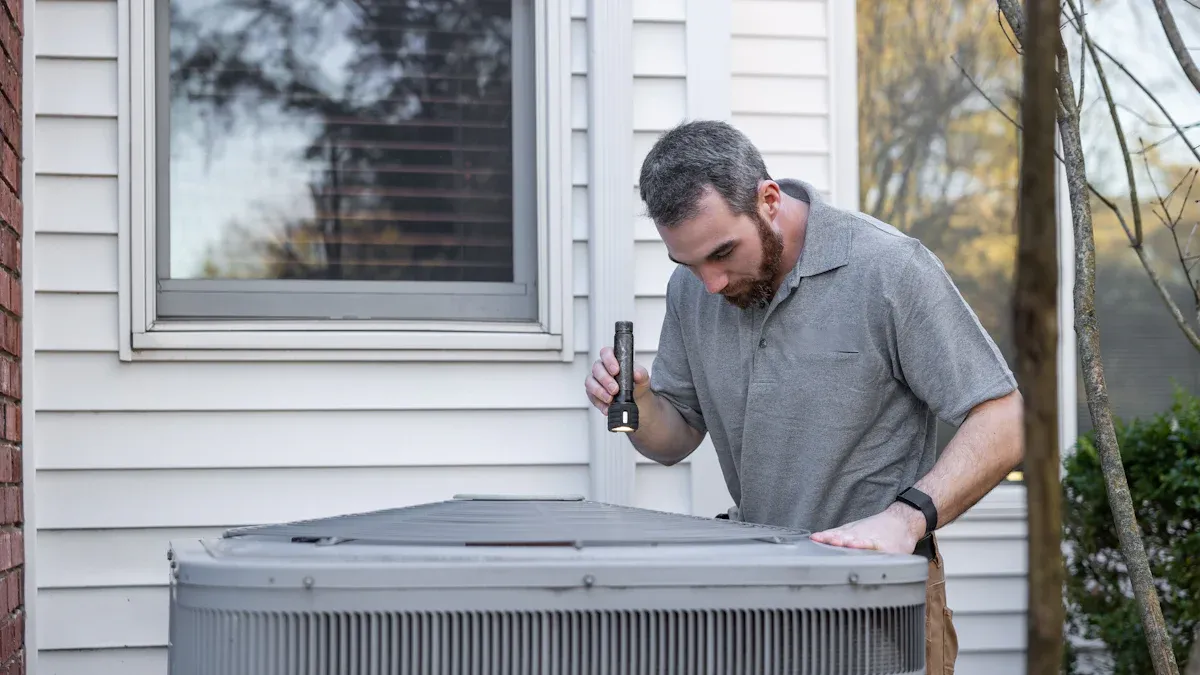
You face several environmental stressors when you operate outdoor telecom cabinets. Extreme ambient temperatures can push your equipment beyond safe limits. High humidity often leads to condensation and corrosion, which damages sensitive components. Dust accumulation blocks airflow and cooling, making heat buildup worse. Inadequate cooling systems fail to dissipate heat, increasing the risk of swollen capacitors, cracked solder joints, and warped circuits.
Tip: Regular cleaning and inspection help you prevent dust and moisture from causing failures.
Environmental Stressor | Impact on Telecom Cabinets |
|---|---|
Extreme Ambient Temperatures | Contributes to heat buildup and potential equipment failure. |
High Humidity | Can lead to condensation and corrosion of components. |
Dust Accumulation | Blocks airflow and cooling, exacerbating heat issues. |
Inadequate Cooling Systems | Fails to dissipate heat effectively, increasing temperatures. |
Internal Heat Sources
You must consider both external and internal heat sources in your cabinet. The equipment itself generates heat during operation. Power systems, including the Telecom Rectifier System, add to the overall heat load due to inefficiencies. Solar energy absorbed by the cabinet’s enclosure increases internal temperatures, especially in direct sunlight. High-density cabinets produce more heat because components sit close together.
Overheating reduces efficiency and shortens device lifespan.
Effective cooling solutions maintain stable temperatures and prevent damage.
Airflow and Layout Optimization
You can optimize airflow and cabinet layout to minimize hotspots. Proper cable management ensures hot exhaust air exits the cabinet without obstruction. Organize cabling to reduce turbulence and pressure differences, which helps deliver even airflow. Align underfloor pathways with cabinet rows to facilitate cooling.
Simulation studies show that changing cabinet configurations can lower the number of overheating hours above 26 °C. Source-level heat removal, such as direct hot air discharge, reduces indoor temperatures and energy demand for cooling.
Note: Maximizing airflow and organizing your layout improves cooling efficiency and extends equipment life.
Solutions for Effective Cooling
Telecom Rectifier System Features
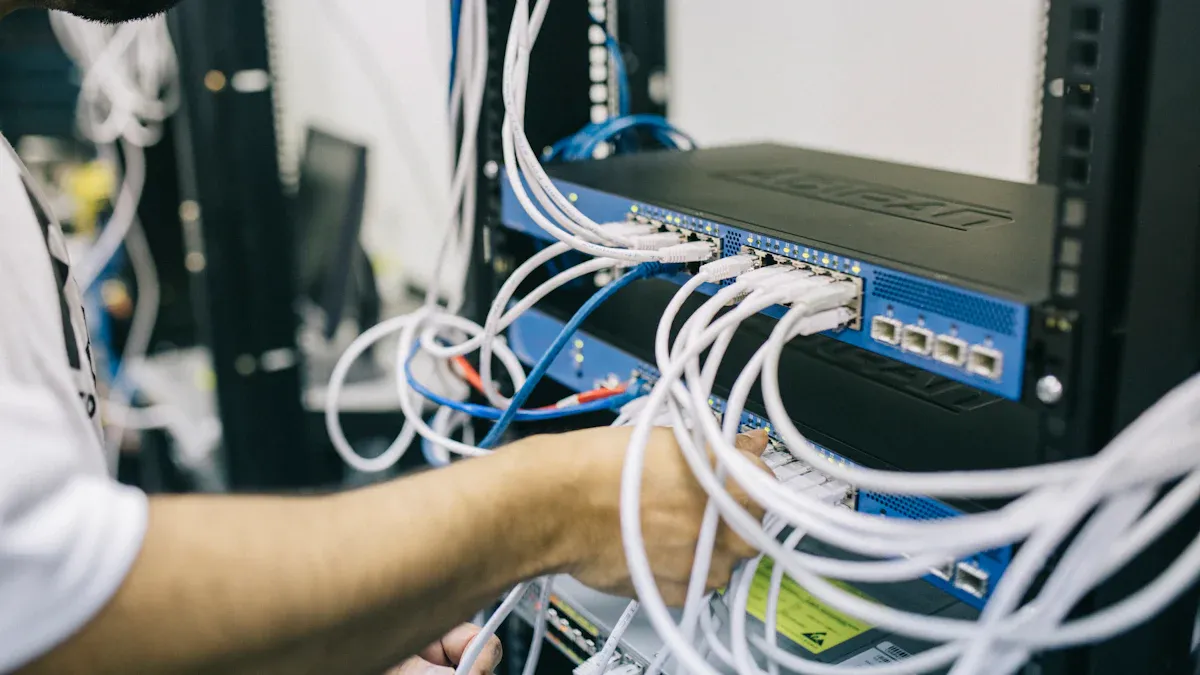
You need a reliable power solution to keep your outdoor telecom cabinet cool and efficient. The Telecom Rectifier System offers several features that help you manage heat and improve performance. You benefit from high efficiency, which means less energy loss and lower heat output. Modular architecture lets you scale your system as your network grows, making maintenance easier and reducing downtime. You can adapt the system to different input voltages, so you stay flexible in various environments.
High efficiency rates above 96% minimize energy loss and heat generation.
Modular design allows you to add or replace modules without shutting down the entire system.
Flexible input voltage options support different power sources.
Rack-mount installation saves space and improves airflow.
Consistent DC output voltage ensures stable operation for your telecom equipment.
You see the impact of these features in real deployments. For example, telecom providers who upgraded legacy cabinets with new fans and power systems reported better thermal management and fewer overheating incidents. Real-time monitoring of voltage, current, and temperature helps you detect issues early and keep your system running smoothly.
Rectifier Model | Efficiency | Power Density | Heat Dissipation |
|---|---|---|---|
Flatpack S | High | High | Low |
R4875G1 | High | High | Low |
R4850N6 | High | High | Low |
R4850N2 | High | High | Low |
Cooling Technologies and Cabinet Design
You need effective cooling technologies to protect your equipment from extreme temperatures. Outdoor telecom cabinets use several methods to keep internal temperatures safe. Closed loop cooling systems, such as air conditioners and air-to-air heat exchangers, prevent outside air from entering the cabinet. These systems maintain ideal temperatures and shield your equipment from dust and moisture.
NEMA Type 4 or 4X enclosures protect against harsh environmental factors.
Closed loop cooling systems keep internal temperatures stable.
Air conditioners and heat exchangers provide reliable cooling in extreme climates.
You can optimize performance and extend equipment lifespan by choosing the right cooling technology. Energy-efficient designs help you lower operational costs. Passive cooling systems, which use natural convection and heat dissipation, save up to 20% in energy compared to active cooling solutions. You can tailor these systems to fit different cabinet sizes and climate conditions.
Tip: Passive cooling strategies not only save energy but also reduce your operating expenses.
Performance Metrics and Cost Savings Reported | |
|---|---|
Leading Telecom Provider | Energy efficiency up to 97.8%; early issue detection; seamless network expansion |
GreenConnect | 30% reduction in energy use; 25% reduction in downtime; 40% reduction in CO2 emissions |
Kenya | 40% reduction in energy expenses after switching to solar-powered towers |
South Sudan | 30% reduction in fuel costs after implementing solar energy solutions |
Maintenance and Monitoring Tips
You need to maintain your cooling systems to ensure optimal performance. Regular checks and cleaning prevent airflow obstruction and keep your cabinet running efficiently. You should inspect internal components, such as evaporator and condenser coils, for leaks or corrosion. Scheduling professional servicing at recommended intervals helps you avoid unexpected failures.
Clean filters regularly to prevent dust buildup.
Inspect coils for leaks and corrosion.
Schedule professional servicing to catch issues early.
Ensure proper installation for adequate airflow.
Avoid placing cabinets in direct sunlight.
Maintain insulation to prevent heat transfer.
You can use real-time monitoring to track voltage, current, and temperature. This proactive approach lets you detect problems before they cause downtime. Many telecom operators have seen significant improvements in reliability and energy savings by following these maintenance practices. For example, after switching to ESTEL’s Telecom Rectifier System, clients reported up to 30% reductions in energy use and downtime.
Note: Consistent maintenance and monitoring help you extend the life of your equipment and avoid costly repairs.
Best Practices for Longevity
Proactive Maintenance
You can extend the life of your telecom rectifiers by following a proactive maintenance plan. Start by setting clear goals to boost efficiency and prevent downtime. Organize logistics to make sure you have the right resources at the right time. Use manufacturer checklists to guide your inspections and repairs. Collect data from your equipment to help you make quick and effective fixes. Assign tasks so your team can focus on specific areas and keep everything running smoothly.
Set goals to increase efficiency and prevent downtime.
Organize logistics for optimal timing and resource use.
Follow OEM checklists for manufacturer-recommended maintenance.
Gather data for efficient repairs and troubleshooting.
Assign tasks to break down goals into manageable steps.
You should also focus on key strategies that protect your equipment from environmental stress and internal wear. The table below shows how each strategy helps you maintain your system:
Strategy | Purpose |
|---|---|
Choose the correct housing material | Ensures durability against harsh weather |
Ensure ventilation and airflow | Prevents overheating and extends service life |
Use sealants and gaskets | Blocks moisture and dust intrusion |
Regular inspection and maintenance | Detects issues early to prevent downtime |
Monitor environmental conditions | Tracks temperature and humidity for safe operation |
Pest control measures | Stops damage from insects and rodents |
Regular cleaning | Prevents corrosion and keeps performance high |
Upgrade and renovate | Adapts to new technology and improves reliability |
Tip: Leading telecom providers have achieved energy efficiency levels up to 97.8% and reduced downtime by following these maintenance strategies.
Selecting Reliable Brands like ESTEL
You need to choose a brand that meets strict quality and safety standards. Look for certifications that prove the manufacturer follows best practices. The table below lists important certifications and what they mean for you:
Certification | Description |
|---|---|
ISO9001 | Guarantees consistent quality in manufacturing |
UL | Confirms electrical safety compliance |
RoHS | Ensures environmental safety and low impact |
CE | Meets health, safety, and environmental standards |
VDE | Validates electrical safety and performance |
When you evaluate a telecom cabinet, check the physical dimensions to make sure your power distribution unit fits. Assess input and output connections to match your equipment needs. Verify that the cabinet’s specifications align with your requirements to avoid electrical hazards.
Check cabinet and PDU dimensions for compatibility.
Assess input and output connections for proper fit.
Match cabinet specifications to your equipment’s needs.
Cost-effectiveness matters. ESTEL cabinets and PDUs offer durability and energy efficiency, which help you save on maintenance and energy costs over time. You get reliable performance and long-term value when you choose a trusted brand.
You can manage rectifier throttling by focusing on effective thermal management. Key strategies include using high-efficiency rectifiers, optimizing cabinet airflow, and maintaining cooling systems. Choosing high-quality solutions like ESTEL helps you reduce operating expenses and improve reliability.
Impact Area | Expected Change |
|---|---|
Operating Expenses | 30-40% reduction |
Energy Efficiency | Enhanced |
Reliability of Operations | Improved |
Future innovations will bring compact heat exchangers and advanced materials, making telecom cabinets even more efficient and sustainable.
FAQ
What causes rectifier throttling in outdoor telecom cabinets?
You see rectifier throttling when heat builds up inside your cabinet. High temperatures force your rectifier system to reduce output to protect components. Poor airflow, direct sunlight, and inadequate cooling often trigger this problem.
How can you improve cooling efficiency in your cabinet?
You can boost cooling efficiency by using high-efficiency rectifiers, optimizing airflow, and choosing cabinets with natural cooling features. Regular cleaning and maintenance also help prevent dust buildup and keep temperatures low.
Why should you choose ESTEL for outdoor telecom cabinets?
You get reliable performance, high energy efficiency, and robust protection against harsh environments. ESTEL designs cabinets with advanced cooling, modular power systems, and strict quality standards. You benefit from lower operating costs and longer equipment life.
How often should you inspect your cabinet’s cooling system?
You should inspect your cooling system every three to six months. Regular checks help you spot dust, corrosion, or leaks early. Scheduled maintenance keeps your cabinet running efficiently and prevents unexpected failures.
What certifications matter when selecting a telecom cabinet?
You should look for ISO9001, UL, RoHS, CE, and VDE certifications. These standards guarantee quality, safety, and environmental protection. Certified cabinets help you meet industry requirements and ensure reliable operation.
See Also
Tips for Maintaining Ideal Temperature in Outdoor Telecom Cabinets
Selecting the Most Effective Cooling Solution for ESTEL Cabinets
Exploring Various Cooling Techniques for Telecom Cabinet Efficiency
Strategies for Safeguarding Equipment in Outdoor Telecom Cabinets
Ensuring Consistent Power Supply for Telecom Cabinet Operations
CALL US DIRECTLY
86-13752765943
3A-8, SHUIWAN 1979 SQUARE (PHASE II), NO.111, TAIZI ROAD,SHUIWAN COMMUNITY, ZHAOSHANG STREET, NANSHAN DISTRICT, SHENZHEN, GUANGDONG, CHINA
