Wide-Temp (-40℃~75℃) Telecom Rectifiers: Deployment in Polar/Desert Regions

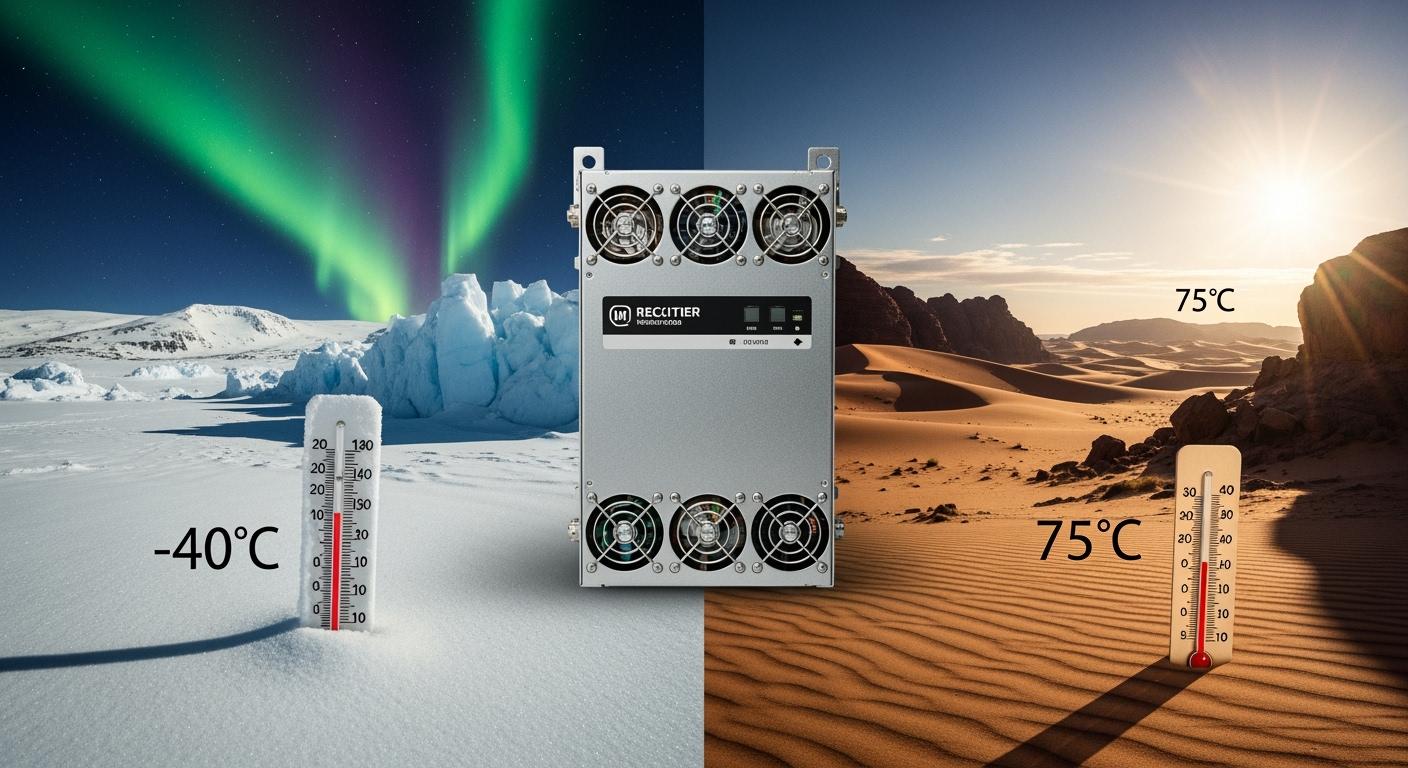
Wide-temp (-40℃~75℃) telecom rectifiers, including ESTEL’s Telecom Rectifier System, deliver reliable power in polar and desert regions. Operators depend on these systems to maintain network uptime in extreme climates. Consistent connectivity supports emergency communication, enhances safety, and drives operational success for telecom providers facing harsh environmental conditions.
Key Takeaways
Wide-temp telecom rectifiers operate reliably from -40℃ to 75℃, ensuring stable power in extreme climates.
Operators can reduce maintenance costs and improve uptime by using modular designs that allow easy upgrades and repairs.
Selecting the right materials for specific environments, like Q345D steel for arctic conditions, enhances durability and performance.
Regular inspections and proactive maintenance are essential to prevent equipment failure and extend the life of rectifiers in harsh conditions.
Remote monitoring features provide real-time data, enabling quick responses to issues and ensuring continuous operation.
Wide-Temp Telecom Rectifier System Overview
Temperature Range and Core Functions
Wide-temp telecom rectifier systems operate reliably in environments ranging from -40℃ to 75℃. These systems use specialized materials and designs to withstand the harsh conditions found in polar and desert regions. Operators select materials based on local climate requirements. In arctic deployments, engineers prefer Q345D low-temperature steel, GRP, and 304 stainless steel. These materials maintain toughness at extremely low temperatures and resist corrosion. In desert regions, 5052 anodized aluminum, hot-dip galvanized steel, and UV-resistant GRP offer durability against high heat, sand abrasion, and UV aging.
Environment | Recommended Materials | Key Advantages | Avoid/Limit Materials | Risks |
|---|---|---|---|---|
Arctic | Q345D steel, GRP, 304 SS | Toughness at -60°C, corrosion resistance | ABS plastics, aluminum | Brittle below -30°C, corrosion |
Desert | 5052 aluminum, galvanized steel, UV GRP | Withstand >120°C, sand/UV resistance | Cold-rolled steel, PVC | Rust, soften above 60°C |
The Telecom Rectifier System delivers several core functions essential for network stability. It converts AC power to DC, supplies steady energy, integrates with backup systems, and provides surge protection. High efficiency, modularity, and smart monitoring features reduce maintenance needs and improve uptime.
Core Function | Description |
|---|---|
AC to DC Conversion | Converts alternating current to direct current for telecom equipment. |
Steady Energy Supply | Maintains consistent power for network reliability. |
Integration with Backup | Works with batteries and generators for uninterrupted service. |
Surge Protection | Shields devices from voltage spikes, extending equipment life. |
High Efficiency | Achieves up to 97% efficiency, lowering operational costs. |
Advanced Features | Offers modularity and smart monitoring for reliability and maintenance. |
Role in Telecom Networks
Telecom operators depend on the Telecom Rectifier System to maintain stable power in extreme climates. These systems ensure uninterrupted service during power fluctuations or outages. In polar regions, rectifiers prevent condensation and withstand snow loads. In deserts, they resist heat, sand, and UV exposure. Customization based on local climate and equipment needs is essential. The Telecom Rectifier System supports critical communication infrastructure, enabling reliable connectivity for emergency response, business operations, and daily communication.
Arctic deployments focus on low-temperature resistance, snow load protection, and condensation prevention.
Desert deployments prioritize heat resistance, sand and dust protection, and UV durability.
Engineers customize rectifier systems to match local climate and equipment requirements.
Note: The Telecom Rectifier System forms the backbone of robust telecom networks in challenging environments. Operators achieve higher uptime and lower maintenance costs by selecting systems designed for wide temperature ranges.
Environmental Challenges in Polar and Desert Regions

Extreme Cold and Heat
Polar and desert regions present unique threats to telecom infrastructure. In the Arctic, extreme cold can cause untreated plastics and alloys to become brittle, leading to fractures. Heavy snow loads and frost infiltration increase the risk of corrosion and condensation inside equipment. Low atmospheric pressure reduces heat dissipation, while summer UV exposure accelerates material aging. In desert environments, high temperatures can deform metals and soften plastics. Sand erosion damages protective coatings and blocks ventilation paths. Intense UV radiation and large temperature swings between day and night cause material fatigue and sealing failures.
Region | Environmental Challenges |
|---|---|
Arctic | - Brittle fracture in plastics and alloys |
Desert | - Metal deformation at high temperatures |
Dust, Humidity, and Sand
Dust, humidity, and sand further complicate telecom operations. High humidity allows moisture to penetrate components, resulting in rust and deterioration. Dust and other contaminants worsen corrosion and raise the risk of equipment failure. Maintenance teams must increase inspection and cleaning frequency, which raises operational costs. Sealed housings and specialized coatings help reduce moisture buildup and extend service life, lowering overall maintenance expenses.
Factor | Impact on Corrosion and Maintenance Costs |
|---|---|
High Humidity | Moisture infiltration leads to rust and deterioration |
Dust and Contaminants | Exacerbates corrosion, increases failure risk |
Maintenance Frequency | More frequent inspections, cleaning, and part replacements |
Protective Features | Sealed housings and coatings reduce moisture, extend service life, lower costs |
Impact on Equipment Reliability
Standard rectifiers often fail to withstand these harsh conditions. They lack the necessary protection against extreme temperatures, dust, and moisture. Wide-temp solutions, such as the Telecom Rectifier System, ensure reliable operation in polar and desert regions. These systems operate in temperatures from -40℃ to 75℃, making them suitable for outdoor installations without climate control. Industry experts recognize that only wide-temp rectifiers can maintain network uptime and protect critical infrastructure in such demanding environments.
Wide-temp rectifiers operate reliably from -40℃ to 75℃.
They support outdoor installations, even without climate control.
They provide essential protection for telecom networks in polar and desert regions.
Key Features of ESTEL Telecom Rectifier System
High Efficiency and Modular Design
ESTEL designs the Telecom Rectifier System to deliver exceptional efficiency and flexibility. Operators benefit from efficiency ratings that consistently exceed 91%, with Delta rectifier models achieving over 95%. These high conversion rates minimize energy loss and reduce operational costs, which is critical in remote polar and desert locations where power resources are limited.
The modular design stands out as a core advantage. Network teams can scale the system easily to match growing power demands. Maintenance crews replace individual modules without disrupting the entire system, which simplifies repairs and reduces downtime. High-quality components and remote monitoring features further enhance reliability, allowing early detection of issues and minimizing the frequency of maintenance visits.
Tip: Modular construction ensures that telecom operators can adapt quickly to changing network requirements and maintain stable operations in harsh environments.
Efficiency ratings above 91% guarantee minimal energy loss.
Modular design supports easy scalability and maintenance.
Remote monitoring enables proactive issue management.
High-quality components extend system reliability.
Adaptability to Harsh Environments
ESTEL engineers the Telecom Rectifier System to withstand extreme environmental stress. The system operates reliably from -40℃ to 75℃, making it suitable for both polar and desert deployments. Advanced features such as high-temperature battery support and cold start mechanisms ensure performance in freezing and scorching conditions.
Feature | Description |
|---|---|
High Conversion Efficiency | Achieves efficiency levels of up to 97%, reducing energy loss and operational costs. |
Robust Weather-Resistant Design | Built to withstand environmental stress, ensuring reliable operation in extreme conditions. |
Advanced Monitoring Capabilities | Provides real-time data to ensure optimal performance and quick response to issues. |
Modular Construction | Allows for flexible adjustments and easy maintenance, enhancing adaptability in harsh settings. |
High-Temperature Battery Support | Operates effectively from -40° to 160°F, ensuring reliability in both freezing and scorching weather. |
Cold Start Mechanisms | Enables operation even at -30°C, ensuring quick startup with minimal battery power. |
Long-Duration Backup Options | Capable of maintaining power for 72 hours or more during extended outages. |
Natural cooling technology further enhances adaptability. This feature reduces maintenance needs, extends product life, and eliminates noise and costs associated with fan-based cooling systems. The system maintains reliable operation even in high-temperature environments, which is essential for desert deployments.
Integration with Outdoor Cabinets
ESTEL integrates the Telecom Rectifier System seamlessly with outdoor telecom cabinets. This integration provides robust protection against environmental threats such as dust, humidity, and sand. Sensors monitor temperature and humidity in real time, triggering immediate alerts when abnormalities occur. Continuous analysis of system metrics helps maintain stable infrastructure and reduces the risk of failures.
Operators benefit from natural cooling, which minimizes regular upkeep and servicing. The absence of fan-based cooling avoids noise and reduces operational expenses. Extended product life results from less wear and tear, ensuring consistent performance in extreme climates.
Advantage | Description |
|---|---|
Natural cooling minimizes the need for regular upkeep and servicing. | |
Extended product life | Systems benefit from longer operational lifespans due to less wear and tear. |
Elimination of noise and costs | Avoids the noise and expenses associated with fan-based cooling systems. |
Reliable operation in high temperatures | Ensures consistent performance even in extreme heat conditions. |
ESTEL’s commitment to quality and innovation ensures that the Telecom Rectifier System meets international standards and delivers reliable performance in the most demanding environments. Telecom operators trust ESTEL for solutions that combine advanced technology with robust environmental protection.
Deployment and Maintenance Strategies
Installation in Extreme Climates
Telecom operators face unique challenges when installing rectifiers in polar and desert regions. They must secure the rectifier using robust mounting hardware and check for stability to prevent movement during storms or seismic activity. Proper ventilation remains essential. Teams select well-ventilated locations and maintain cooling systems to prevent overheating, especially in desert environments. Equipment must withstand wide temperature swings, from freezing cold to intense heat. Sealed housings and effective filters protect against dust and sand, reducing the risk of short circuits and blocked ventilation pathways. Protective coatings help minimize moisture infiltration and corrosion, which is critical in humid or coastal areas.
Installation teams encounter harsh weather, including typhoons, heavy rain, snow, and sandstorms. Weatherproof cases and advanced cooling systems shield the rectifier from environmental threats. Compliance with industry standards ensures reliability and safety. Operators must also prepare for lightning surges, which can damage power modules and monitoring units. They inspect all electrical connections and grounding systems before commissioning the site.
Tip: Always verify the integrity of weatherproof seals and filters during installation. This step prevents dust, sand, and moisture from entering the cabinet and damaging sensitive components.
Maintenance Best Practices
Routine maintenance extends the life of telecom rectifiers and ensures stable network operation. Operators conduct regular inspections and health checks, visually assessing equipment and measuring voltage and internal resistance to confirm battery health. Stable temperatures and proper ventilation prevent overheating and rapid battery decay. Cleaning and dust removal play a vital role. Teams clean rectifier interiors and replace air filters to maintain airflow and reduce the risk of overheating.
Maintenance Practice | Description |
|---|---|
Regular Inspection and Health Checks | Visual assessments and voltage measurements confirm battery health and system stability. |
Temperature and Environmental Control | Stable temperatures and proper ventilation prevent overheating and equipment failure. |
Cleaning and Dust Removal | Cleaning interiors and replacing filters maintain airflow and reduce overheating risk. |
Cooling System Maintenance | Operational cooling fans and temperature monitoring prevent rectifier derating. |
Firmware and Software Updates | Updated firmware ensures optimal performance and reliability. |
Environmental Protection | Durable construction and high protection ratings safeguard against harsh conditions. |
Operators monitor cooling systems closely. They ensure fans operate efficiently and check temperature sensors for accuracy. Firmware and software updates keep the rectifier running with the latest features and improvements. Durable construction and high protection ratings shield the system from corrosion, dust, and sand.
Operational Tips for Longevity
Maximizing the lifespan and reliability of rectifiers in extreme climates requires a proactive approach. Operators schedule regular inspection and cleaning every three to six months, especially in dusty or humid environments. Monitoring voltage and current levels helps identify irregularities early. Teams use multimeters or computerized systems for real-time tracking, enhancing operational efficiency and safety. Addressing loose connections prevents power instability. Operators inspect and tighten all electrical connections during routine maintenance.
Tip | Description |
|---|---|
Regular Inspection and Cleaning | Prevents dust accumulation and overheating. Schedule every 3-6 months in harsh environments. |
Monitoring Voltage and Current | Identifies irregularities. Use real-time tracking for efficiency and safety. |
Addressing Loose Connections | Tighten electrical connections to prevent power instability. Include in regular inspections. |
Updating Firmware and Software | Keeps rectifier operating with latest improvements for reliability and efficiency. |
Operators update firmware and software regularly. This practice ensures the rectifier operates with the latest enhancements and maintains high efficiency. Teams also review environmental protection measures, confirming that weatherproof seals and filters remain intact.
Note: The Telecom Rectifier System delivers reliable performance when operators follow these deployment and maintenance strategies. Consistent inspection, cleaning, and monitoring protect against temperature extremes, dust, humidity, and corrosion.
Real-World Applications and Case Studies
Deployments in Polar Regions
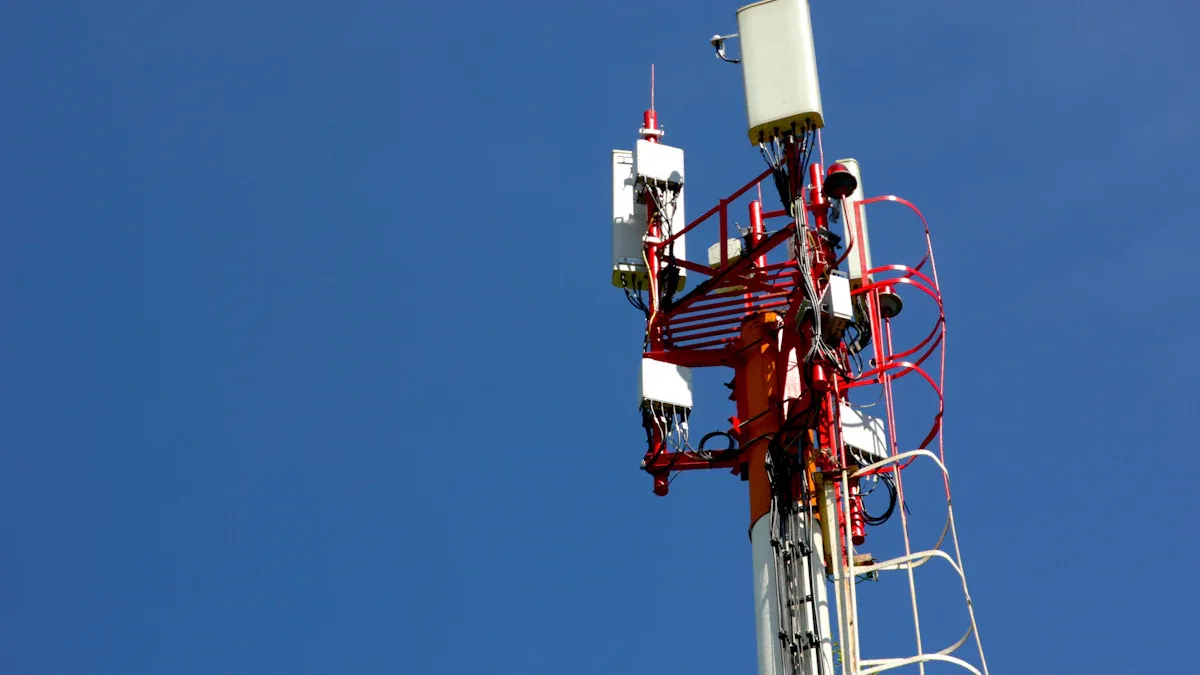
Telecom operators deploy rectifier systems in polar regions to maintain reliable communication. Engineers select materials that resist freezing temperatures and corrosion. Teams install equipment in remote Arctic stations, where snow and ice threaten infrastructure. Operators monitor rectifier performance using real-time sensors. They observe stable voltage output and minimal downtime, even during blizzards. The systems support emergency response and scientific research. Operators report improved network uptime and reduced maintenance visits. These deployments demonstrate the importance of robust power solutions in extreme cold.
Solutions for Desert Environments
ESTEL telecom rectifier modules operate efficiently in desert regions. They achieve efficiency ratings above 95%, which minimizes energy losses. The modules withstand extreme temperatures, humidity, and dust. Operators integrate renewable energy sources and robust backup power systems. This guarantees continuous operation during outages. Reliable performance in harsh environments supports uninterrupted telecom services. Teams observe consistent voltage output and stable operation, even during sandstorms. The Telecom Rectifier System proves essential for maintaining connectivity in deserts.
Operators value the ability to maintain service during power disruptions. Reliable rectifier systems protect critical infrastructure and support business continuity.
Lessons from ESTEL Projects
ESTEL projects in extreme environments reveal several key lessons. Teams prioritize long-life components and modular designs. Proactive maintenance through real-time monitoring prevents failures and reduces downtime.
Lesson Learned | Description |
|---|---|
Long-Life Components | Utilizing long-life components reduces the frequency of replacements, which is crucial in extreme environments. |
Modular Designs | Modular designs enhance the adaptability and scalability of telecom rectifiers in various conditions. |
Proactive Maintenance | Implementing proactive maintenance through real-time monitoring helps in early detection of issues, preventing failures. |
Operators apply these lessons to future deployments. They select durable materials, implement modular systems, and schedule regular maintenance. These strategies improve reliability and extend equipment life in challenging climates.
ESTEL’s Telecom Rectifier System meets the demands of polar and desert deployments by delivering stable DC power and advanced protection features. Operators benefit from modular design, high efficiency, scalability, redundancy, and remote monitoring. These features ensure uninterrupted operation and adaptability for future telecom needs. Reliable power solutions form the backbone of network stability in extreme environments. Industry experts recognize stationary power systems and grid hardening as essential for resilient telecom infrastructure. Telecom professionals seeking future-proof solutions can trust ESTEL to support evolving network requirements.
Feature | Benefit |
|---|---|
Modular Design | Easy upgrades and maintenance |
High Efficiency | Reduced energy costs |
Scalability | Future readiness |
Redundancy | Continuous operation |
Remote Monitoring | Quick detection of issues |
FAQ
What is the operating temperature range of ESTEL’s Telecom Rectifier System?
ESTEL’s Telecom Rectifier System operates reliably from -40℃ to 75℃. This wide range ensures stable performance in polar and desert regions.
How does the modular design benefit telecom operators?
Operators can scale the system easily. Modular design allows quick replacement of faulty modules, reducing downtime and simplifying maintenance.
Can the rectifier system withstand dust and sand in desert environments?
Yes. The system uses sealed housings and advanced coatings. These features protect internal components from dust, sand, and humidity.
What input voltage options does the system support?
Input Voltage | Description |
|---|---|
AC220VAC | Standard single-phase |
380VAC | Industrial three-phase |
Operators select the voltage that matches their site requirements.
Does ESTEL offer remote monitoring for rectifier systems?
Operators use remote monitoring to track system health and performance. Real-time alerts help teams respond quickly to issues and maintain uptime.
See Also
Outdoor Communication Solutions: Air Conditioning For Telecom Cabinets
Maintaining Ideal Temperatures In Outdoor Telecom Cabinets
Selecting The Most Effective Cooling Solutions For ESTEL Cabinets
Temperature Compensation In Telecom Cabinet Power Systems Explained
Essential Materials Needed For Outdoor Telecom Cabinet Durability
CALL US DIRECTLY
86-13752765943
3A-8, SHUIWAN 1979 SQUARE (PHASE II), NO.111, TAIZI ROAD,SHUIWAN COMMUNITY, ZHAOSHANG STREET, NANSHAN DISTRICT, SHENZHEN, GUANGDONG, CHINA
