Titanium-Grade Efficiency Telecom Rectifier System for Large Data Center Energy Consumption Reduction

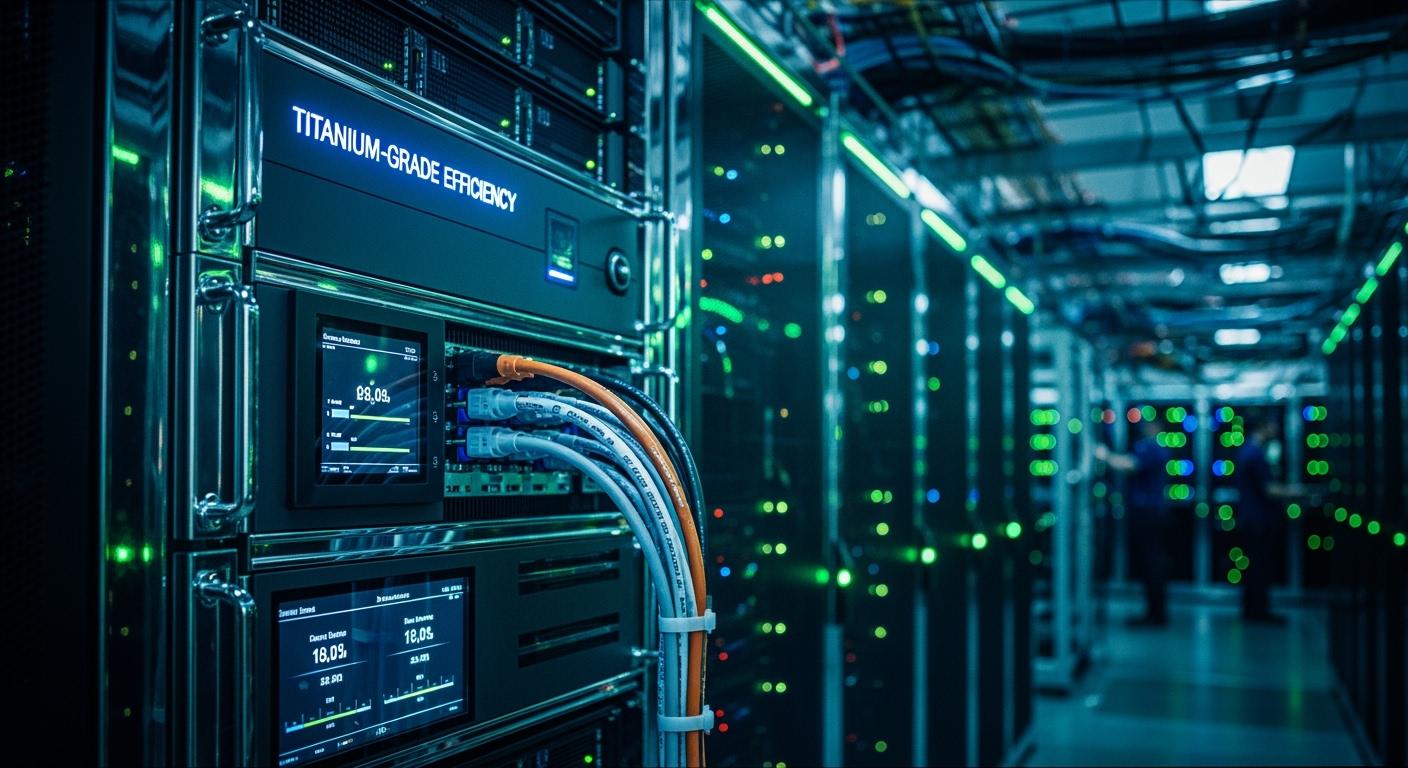
You face rising operational costs in large data centers, where energy consumption often accounts for up to 80% of annual expenses. Titanium-grade efficiency can deliver real savings. When you upgrade from standard 85% power supplies to 94% titanium units, each server uses 56 watts less. If you manage 1,000 servers, you could save about $49,000 on electricity every year. Advanced solutions like ESTEL’s Telecom Rectifier System help you achieve these savings while boosting reliability and supporting your growth.
Key Takeaways
Upgrading to titanium-grade rectifiers can save data centers significant money on energy costs, with potential savings of up to $49,000 annually for 1,000 servers.
High-efficiency rectifiers reduce energy loss during power conversion, leading to lower cooling costs and a more reliable data center environment.
The modular design of ESTEL’s Telecom Rectifier System allows for easy expansion and maintenance, adapting to changing power needs without major upgrades.
Regular maintenance and monitoring of the rectifier system can extend its lifespan and ensure optimal performance, reducing downtime and costs.
Taking advantage of available rebates and incentives for energy-efficient upgrades can enhance your return on investment and support sustainability goals.
Titanium-Grade Efficiency and Data Center Savings
Power Conversion and Energy Loss
You can see a clear difference when you use titanium-grade efficiency in your data center. Titanium-grade power supplies reach at least 96% energy conversion efficiency. This means only 4% of the input power turns into heat. Less heat means your cooling systems work less, which lowers your energy bills. You also reduce the risk of overheating, which protects your equipment and keeps your data center running smoothly.
When you convert AC power to DC for your servers, some energy always gets lost as heat. Oversized or outdated systems waste even more energy, especially when they run below their best capacity. If your workloads change often, you may notice energy spikes because your cooling and power systems must adjust quickly. By using high-efficiency rectifiers, you can cut these losses and keep your power use steady.
Energy losses happen during AC to DC conversion.
Large systems running at low loads waste more energy.
Changing workloads can cause sudden jumps in energy use.
Cost Reduction Impact
Switching to titanium-grade rectifiers gives you real financial benefits. You spend less on electricity because your systems waste less energy. You also save on cooling costs, since less heat means your air conditioning does not have to work as hard. Many regions offer rebates or incentives for upgrading to high-efficiency equipment.
Incentive Type | Description |
|---|---|
Uninterruptible power supply | Financial support for UPS systems in data centers |
Rectifiers | Incentives for high-efficiency rectifier upgrades |
Equipment consolidation | Rebates for consolidating IT equipment for efficiency |
You can measure your savings by tracking power use at each rack and comparing it to the rated capacity. Removing old or unused equipment also helps you cut costs and improve uptime.
ESTEL’s Role in Efficiency
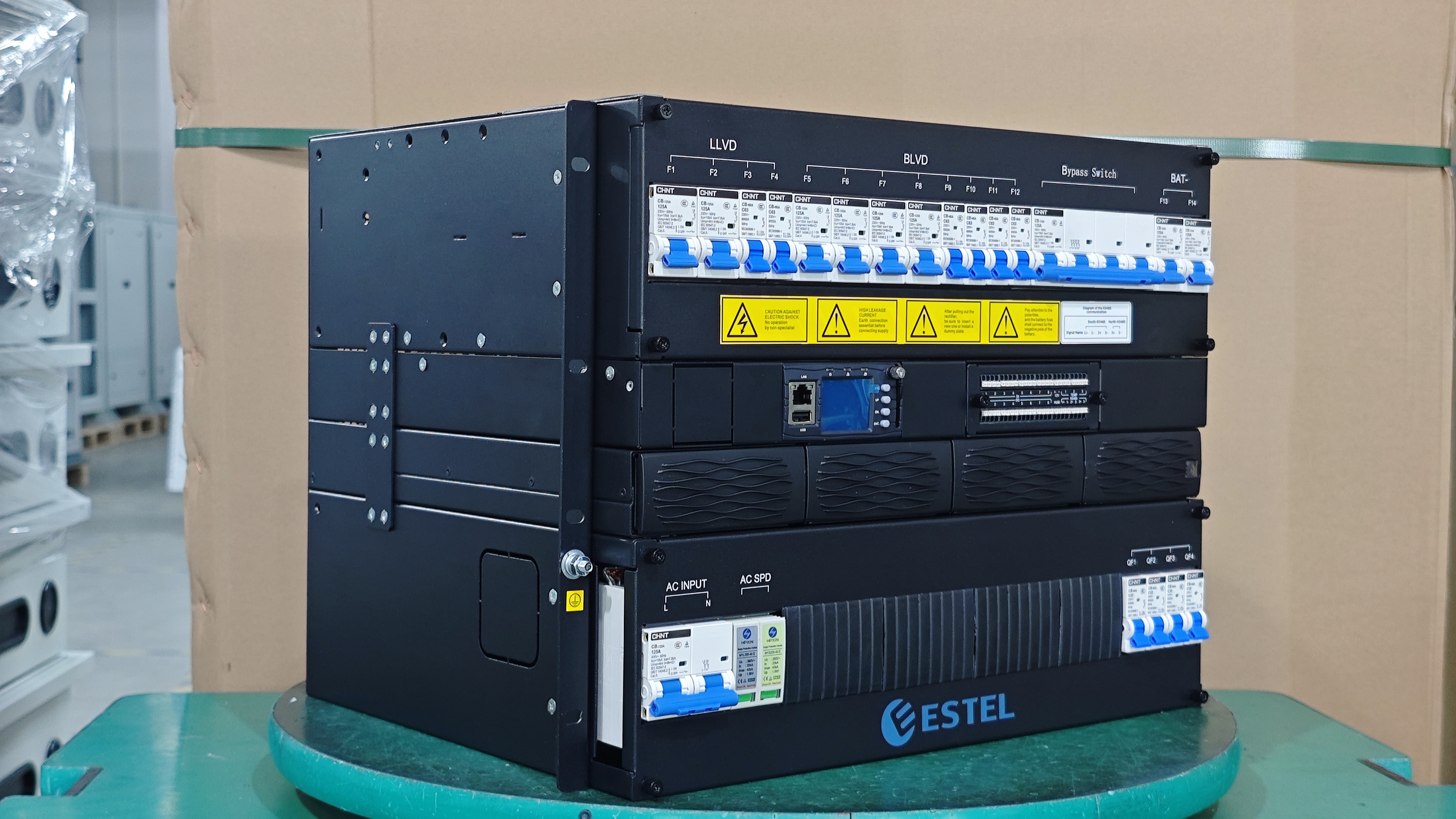
ESTEL leads the way in high-efficiency rectifier systems. You benefit from conversion efficiencies up to 98%, which is higher than most industry standards. ESTEL’s rectifiers also offer a power factor of 0.99 and very low harmonic distortion, which means cleaner and more reliable power for your servers.
Metric | ESTEL’s Rectifier System | Industry Standard Systems |
|---|---|---|
Conversion Efficiency | 98% | 95–96% |
Power Factor | 0.99 | 0.95 |
Total Harmonic Distortion | 1.12% | 3–5% |
ESTEL designs its systems to meet strict international standards, including IEC 60529 for dust and water protection, ETSI EN 300 019-2-4 for telecom environments, and ISO 9227 for corrosion resistance. You can trust that ESTEL’s solutions will help you meet both regulatory requirements and your sustainability goals.
Telecom Rectifier System Features and Benefits
High Efficiency and Modular Design
You want your data center to run efficiently and scale easily. The Telecom Rectifier System from ESTEL gives you both. These systems reach efficiency ratings above 96%, with some models achieving even higher levels. This means you lose less energy during conversion, so your power bills drop and your equipment stays cooler. Lower heat output also helps your hardware last longer.
The modular design stands out. You can add or remove rectifier modules as your needs change. This flexibility lets you expand your power system without replacing the whole setup. The system uses intelligent load balancing and advanced controls. These features keep your power delivery stable, even when your network demand goes up or down.
Tip: Modular systems make it easy to grow your data center without major upgrades.
Here are some technical highlights:
Lower energy loss during conversion
High efficiency, reaching up to 97% or more
Strong performance at high voltages and temperatures
Less heat output for longer equipment life
A modular Telecom Rectifier System also supports real-time monitoring. You can track performance and spot issues before they cause downtime.
Benefit | Description |
|---|---|
Scalability | Add modules quickly as your network grows |
Maintenance Efficiency | Swap modules easily for fast repairs |
Real-time Monitoring | Get instant updates on system health and performance |
Flexible Input and Output Options
You need a power system that adapts to different setups. The Telecom Rectifier System supports a wide range of input and output voltages. This flexibility means you can use it in many types of data centers, whether you have standard or special power requirements.
Parameter | Value |
|---|---|
220VAC | |
DC Output Voltage | -42VDC to -58VDC |
You can connect the system to different power sources and still get reliable DC output for your servers. This adaptability helps you avoid costly electrical upgrades. It also means you can use the same system in different locations or as your needs change.
Note: Flexible input and output options make integration simple and future-proof your investment.
Reliability and Maintenance Advantages
You want your data center to stay online with minimal interruptions. The Telecom Rectifier System delivers high reliability. It meets or exceeds 250,000 hours for Mean Time Between Failures (MTBF), so you can trust it for long-term use. The system also has a Mean Time To Repair (MTTR) of less than 4 hours if you prepare your site well.
Maintenance costs drop sharply when you use long-life rectifiers. These systems cost only 7% as much to maintain as conventional rectifiers. The batteries last up to 10 years, compared to just 2 years for older systems. You can expect a payback period between 6 months and 3 years, which means you recover your investment quickly.
Metric | Long-Life Rectifiers | Conventional Rectifiers |
|---|---|---|
Maintenance Costs | 7% | 100% |
Battery Life | 10 years | 2 years |
Payback Period | 6 months - 3 years | N/A |
You also benefit from compliance with international standards like ISO9001. This ensures quality and reliability for your critical infrastructure.
Reliable systems mean less downtime and lower costs for your data center.
By choosing the Telecom Rectifier System, you get high efficiency, easy expansion, flexible power options, and strong reliability. These features help you save money, reduce risk, and keep your data center running at its best.
Quantifying Value and Implementation
Energy and Cooling Savings
You can measure the impact of a Telecom Rectifier System by looking at both energy and cooling savings. Start by comparing your current power usage with the expected efficiency of a new system. For example, if your old rectifier operates at 90% efficiency and the new one reaches 96%, you save 6% of the input energy. Multiply this percentage by your total annual energy consumption to estimate your savings.
Cooling costs also drop when you use a high-efficiency rectifier. Less wasted energy means less heat. You can calculate cooling savings by tracking the reduction in heat output and adjusting your cooling system’s workload. Many data centers see a 10–20% decrease in cooling expenses after upgrading.
Tip: Use energy meters and temperature sensors to track improvements after installing a Telecom Rectifier System.
Investment and ROI
You want to know how quickly your investment pays off. Calculate your return on investment (ROI) by dividing your annual energy and cooling savings by the total cost of the new system. Most data centers recover their investment within one to three years. Lower maintenance costs and longer equipment life also add value.
Challenge | Solution |
|---|---|
Use advanced cooling systems like liquid cooling. | |
Higher Energy Demands | Integrate energy storage solutions. |
Infrastructure Limitations | Adopt modular designs for flexible expansion. |
You can boost your ROI by taking advantage of rebates or incentives for energy-efficient upgrades. Regular maintenance and staff training help you maintain peak performance and extend the life of your Telecom Rectifier System.
Integration Best Practices
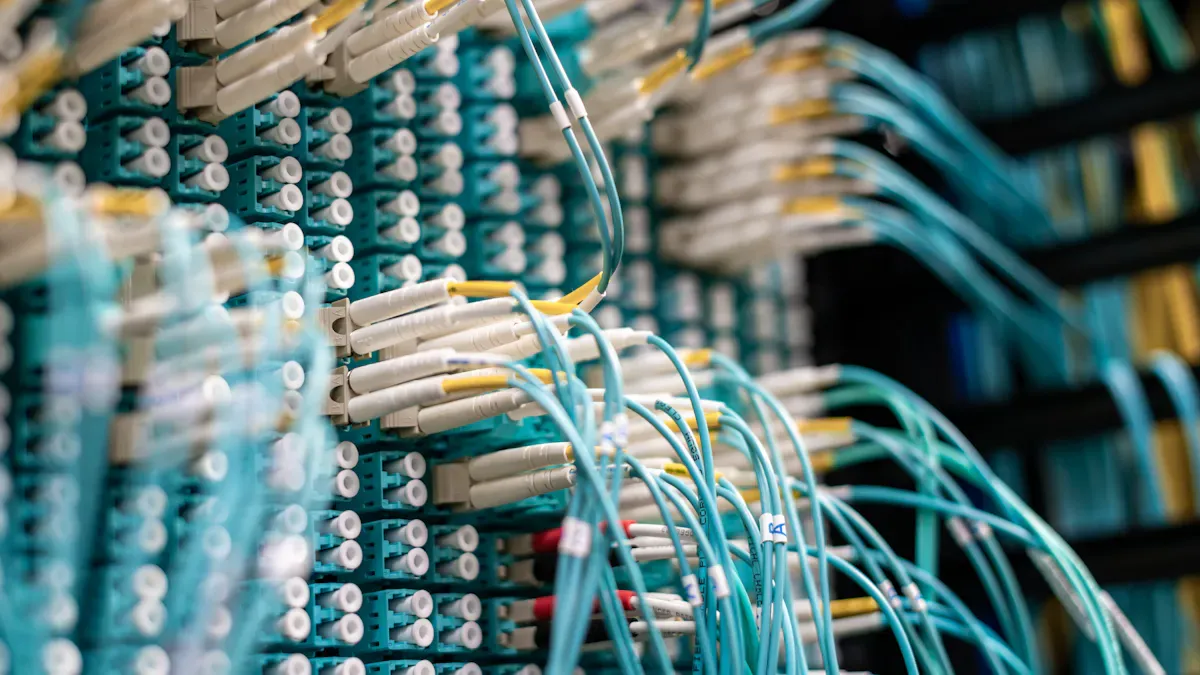
You can ensure a smooth installation by following best practices. Start by assessing available space and making sure the rectifier fits. Place the system in an open area for good airflow. Leave enough room around the unit for easy maintenance. Check that the installation surface supports the weight. Organize cables neatly with trays or conduits. Protect the system from dust, water, and extreme temperatures.
Clean the system every three to six months.
Monitor voltage and current levels regularly.
Inspect connections and parts often.
Update firmware and software quarterly.
Schedule regular maintenance checks.
Train your staff for effective maintenance.
Note: Compatibility testing and demonstration projects can help your team gain confidence with new technology.
By following these steps, you maximize the value of your Telecom Rectifier System and ensure reliable performance for years to come.
You gain real savings and long-term value when you choose ESTEL’s titanium-grade efficiency rectifier systems. These systems use advanced semiconductor technology to reach up to 96% efficiency, which lowers your energy costs and supports sustainability. This gives your data center a strong market advantage.
Efficiency Standard | Requirement | Impact on Data Centers |
|---|---|---|
80 PLUS Titanium | >90% efficiency, PF >0.95 | Reduces costs and ensures regulatory compliance |
To get a custom solution from ESTEL, follow these steps:
Review your technical needs, such as voltage and cooling.
Check for options that let you scale and customize.
Focus on energy efficiency and sustainability.
Make sure you have strong after-sales support.
FAQ
What is titanium-grade efficiency in rectifier systems?
Titanium-grade efficiency means your rectifier converts at least 96% of input power into usable energy. You waste less energy as heat. This helps you lower both electricity and cooling costs.
How does a modular rectifier system help your data center?
You can add or remove modules as your needs change. This makes upgrades and maintenance simple. You avoid downtime and keep your power system flexible.
Can you use ESTEL’s rectifier system with different power sources?
Yes. You can connect the system to AC220VAC or 380VAC. The system adapts to various input voltages and always delivers stable DC48V output for your equipment.
How do you calculate energy savings after upgrading?
You subtract the new system’s energy use from your old system’s usage. Multiply the difference by your electricity rate. This gives you your annual savings.
What maintenance does the rectifier system require?
You should clean the system every few months, check connections, and monitor performance. Regular checks help you prevent problems and extend the system’s life.
See Also
Telecom Cabinets Powered By Photovoltaic Energy Storage Solutions
Battery Systems Integrated With Grid-Connected Photovoltaic Inverters
Smart Energy Storage System For ESTEL Microgrid Telecom Cabinets
Batteries Designed For Energy Storage In ESTEL Telecom Cabinets
Calculating Power Systems And Battery Needs For Telecom Cabinets
CALL US DIRECTLY
86-13752765943
3A-8, SHUIWAN 1979 SQUARE (PHASE II), NO.111, TAIZI ROAD,SHUIWAN COMMUNITY, ZHAOSHANG STREET, NANSHAN DISTRICT, SHENZHEN, GUANGDONG, CHINA
