UAV Power Supply Support of Telecom Rectifier Systems: Rapid Deployment for Temporary Power in Field Operations

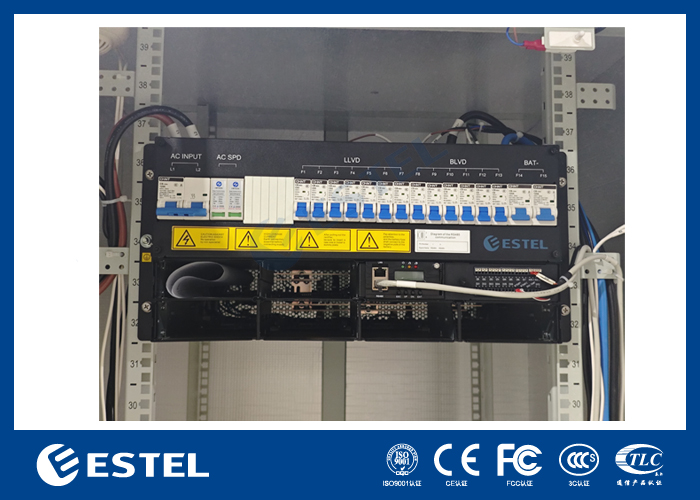
You need a power solution that works fast and adapts to any situation. UAV power supply solutions deliver temporary energy right where you need it, supporting your Telecom Rectifier System in field operations. ESTEL brings advanced technology and reliable equipment, making sure you can restore service quickly during emergencies or activate remote sites without delay. You gain speed, flexibility, and peace of mind when you rely on ESTEL’s proven expertise.
Key Takeaways
UAV power supply solutions provide fast and flexible energy for telecom operations, allowing quick deployment in remote areas.
Choose the right UAV power type based on your needs: super capacitors for quick bursts, fuel cells for long missions, and Li-ion capacitors for balanced performance.
Integrate UAV power supplies with ESTEL's Telecom Rectifier System for seamless power conversion and reliable service, even in challenging conditions.
Follow a clear workflow for rapid deployment: assess the site, connect the power supply, and monitor system performance to ensure smooth operations.
Adopt best practices like using checklists and training your team to enhance reliability and efficiency during field operations.
UAV Power Supply Solutions for Telecom
UAV Power Types and Features
You need to understand the main types of UAV power supplies when planning field operations. Each type offers unique advantages for supporting telecom equipment. The table below shows the most common power supply types, their power and energy densities, and their distinguishing features:
Power Supply Type | Power Density (W/kg) | Energy Density (Wh/kg) | Distinguishing Features |
|---|---|---|---|
Super Capacitors | 80–75,000 | 0.09–0.10 | High power for short duration |
Fuel Cells | 1.5–20 | 200–3,000 | Low power for long duration |
Li-ion Capacitors | 1,000–55,000 | 18–350 | Balanced power and energy density |
Pb-acid, NiMH, Li-ion | N/A | N/A | Popular for electric vehicles and telecom use |
You can select a power supply based on your operational needs. Super capacitors deliver bursts of energy for quick tasks. Fuel cells provide steady power for longer missions. Li-ion capacitors balance power and energy, making them versatile. Traditional batteries like Pb-acid, NiMH, and Li-ion remain popular for their reliability.
A UAV power supply in telecom field operations refers to a system that enables a UAV, often tethered, to operate continuously by drawing power from a ground station. This setup helps you overcome the limitations of traditional telecom infrastructure, especially in remote or disaster-affected areas. For example, a UAV may require 16 V and 20 A to maintain reliable communication services in the field.
When you choose a UAV power supply for your Telecom Rectifier System, you should consider several factors:
Key Considerations | Description |
|---|---|
Charging Efficiency | How well the system transfers energy to the UAV |
Transmission Power | The amount of power sent to the UAV |
Transmission Distance | The effective range of wireless charging |
System Reliability | The stability and fault tolerance of the system |
Environmental Adaptability | The ability to function in different conditions |
Safety | The safety of the charging process |
Cost | The overall financial impact |
Technological Maturity | The readiness of the technology for real-world use |
ESTEL’s Power System Overview
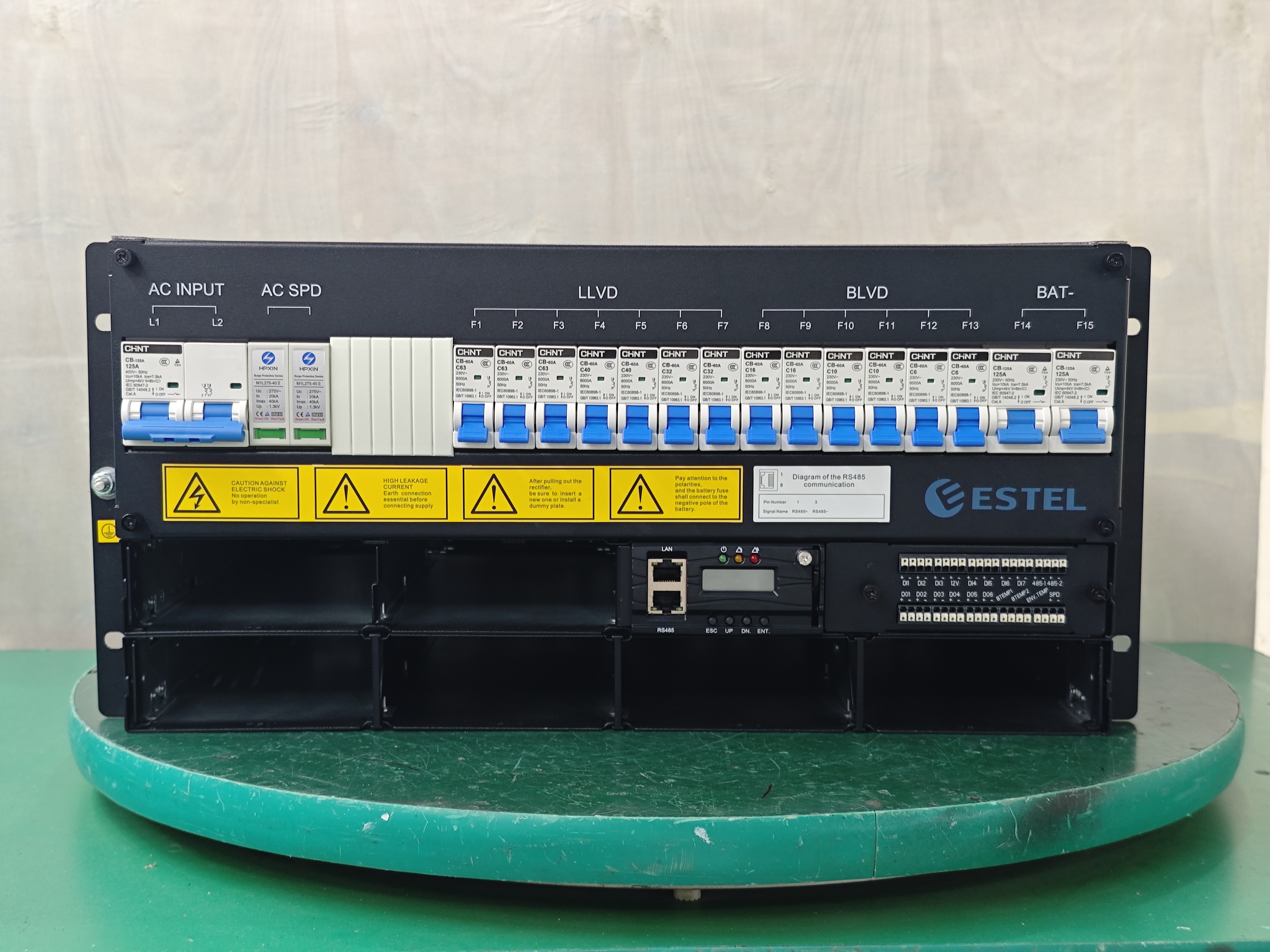
ESTEL stands out as a leader in telecom infrastructure solutions. You benefit from their commitment to quality, innovation, and customer satisfaction. ESTEL’s power systems, including the Telecom Rectifier System, offer high efficiency, modular design, and adaptability. These features ensure you get reliable power delivery, even in harsh outdoor environments. The Telecom Rectifier System supports a wide range of input voltages and provides consistent DC48V output, which is essential for telecom applications. You can trust ESTEL to deliver robust solutions that keep your field operations running smoothly.
Integration with Telecom Rectifier System
Technical Compatibility
You need to ensure that your UAV power supply works seamlessly with your Telecom Rectifier System. The connection process is straightforward. You link the UAV power supply to the input terminals of the rectifier system. This setup allows you to convert the incoming AC or DC power from the UAV supply into a stable DC48V output, which is essential for telecom equipment. The flexible input voltage range of the ESTEL system supports both AC220VAC and 380VAC, so you can use different types of UAV power sources without worrying about compatibility.
You benefit from this technical compatibility in several ways. You can deploy power quickly in remote or emergency locations. You do not need to make complex adjustments or use special adapters. The system’s design ensures that you get reliable power delivery, even if the field conditions change. This adaptability makes the ESTEL Telecom Rectifier System a strong choice for field operations.
ESTEL Rectifier System Integration
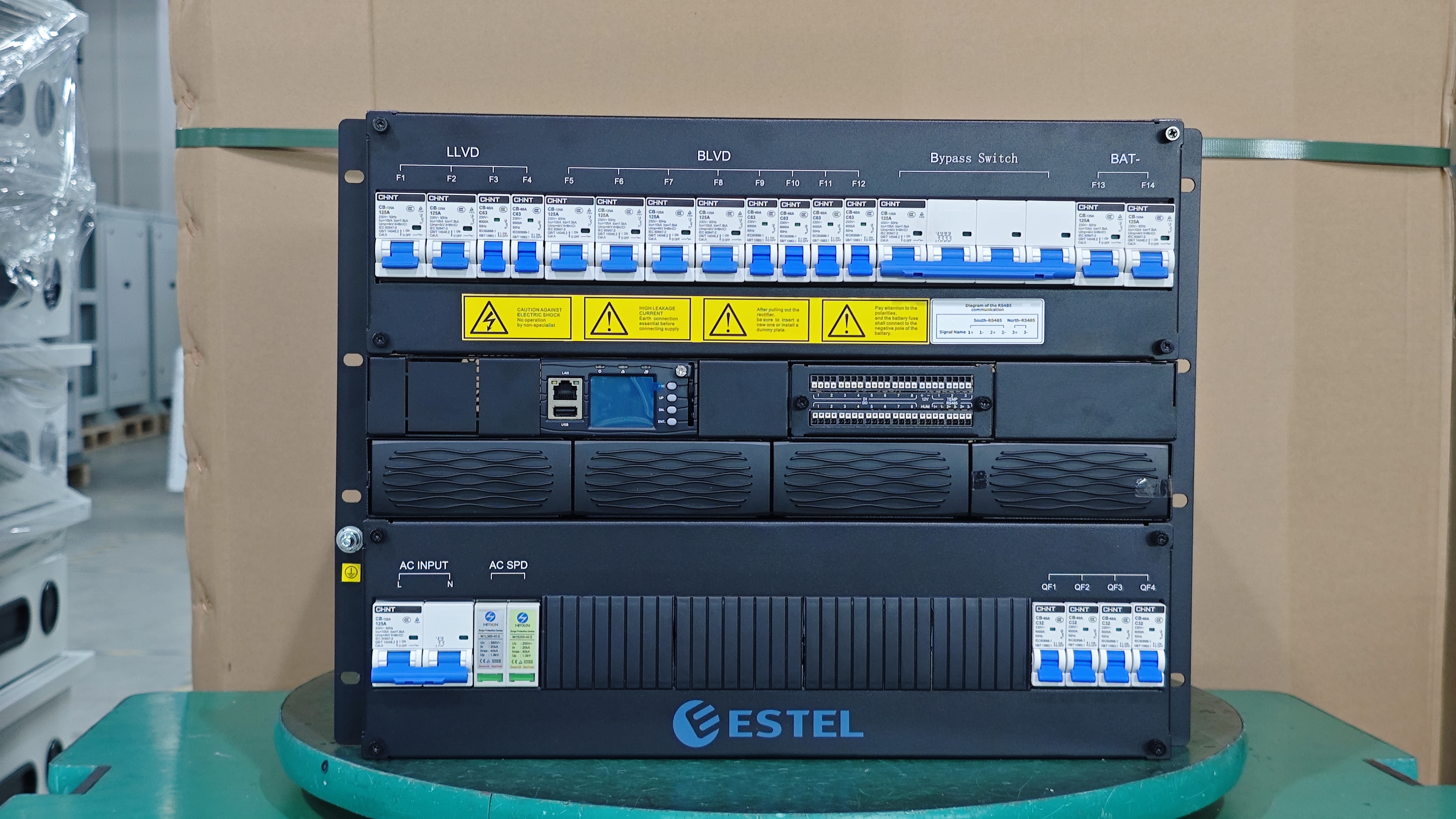
When you integrate a UAV power supply with the ESTEL Telecom Rectifier System, you gain more than just basic power conversion. The modular design of the system gives you flexibility and efficiency. You can add or remove modules based on your power needs. This means you can scale up for larger operations or keep things simple for smaller sites.
Here is a table that shows how the modular design features of the ESTEL system help you in the field:
Feature | Benefit |
|---|---|
Low Maintenance Requirement | |
Passive Cooling | Fewer mechanical failures due to natural cooling. |
Quick Replacements | Modular components allow for easy upgrades without system shutdown. |
Reduced Downtime | Keeps the network running during maintenance. |
You do not have to worry about long interruptions. If a module needs replacement, you can swap it out quickly. The passive cooling system means fewer moving parts, so you face fewer mechanical failures. The automated design reduces the need for constant manual checks, which saves you time and effort.
You also get high efficiency with the ESTEL Telecom Rectifier System. The system operates at efficiency rates above 96%. This means you lose less energy during conversion, which helps you save on operational costs. The system’s adaptability lets you use it in different environments, from urban sites to remote mountain locations.
You can trust the ESTEL system to deliver consistent performance. The modular approach, high efficiency, and flexible input options make integration with UAV power supplies simple and reliable. You keep your telecom network running smoothly, no matter where your field operations take you.
Rapid Deployment Steps
Workflow from Arrival to Power Delivery
You can achieve rapid power deployment in the field by following a clear workflow. When you arrive at a remote site, you first assess the location and identify the best spot for your UAV ground station. You then unpack your UAV power supply and check all components for damage. Next, you connect the UAV power supply to the input terminals of your Telecom Rectifier System. This step ensures that your telecom equipment will receive stable DC power.
You power on the UAV system and monitor the initial startup. You check the voltage and current readings to confirm that the system operates within safe limits. If you notice any irregularities, you troubleshoot using the system’s built-in indicators. Once you verify stable power delivery, you can activate your telecom equipment and begin network operations.
Tip: Always keep a checklist for each deployment. This practice helps you avoid missing important steps and ensures a smooth setup.
On-Site Setup and Activation
You can set up and activate your system quickly, even in challenging environments. For example, during an emergency response in a mountainous area, you may need to restore communication fast. You position the UAV ground station on stable terrain. You secure all cables and connections to prevent accidental disconnections.
You then install the rectifier modules into the rack or cabinet. You use the modular design to add or remove modules based on your power needs. You activate the cooling system and check for proper airflow. You monitor the system for a few minutes to ensure everything runs smoothly.
You can now provide reliable power to your telecom network. This process allows you to restore service in hours instead of days. You keep your team connected and your operations running, no matter where you deploy.
Benefits for Telecom Rectifier System
Speed and Flexibility
You need to respond quickly in the field. UAV power supply solutions let you deploy power in hours, not days. You can set up your equipment in remote or urban locations without waiting for traditional infrastructure. The modular design of your system means you can scale up or down based on your needs. You can add more modules for larger sites or keep things simple for smaller operations. This flexibility helps you adapt to changing conditions and unexpected challenges.
Note: Quick deployment keeps your network running during emergencies or planned maintenance.
Reliability and Cost Savings
You want reliable power for your telecom operations. UAV power supply systems use important reliability metrics to measure performance:
Failure In Time (FIT)
These metrics help you predict how long your system will run without problems. High MTBF and low FIT values mean fewer interruptions and less downtime.
Several factors influence the reliability of your power supply system. The table below shows what matters most:
Factor | Description |
|---|---|
Energy Efficiency | Reduces energy use and saves costs. |
Sustainability | Uses renewable energy to lower environmental impact. |
Operational Autonomy | Lets UAVs work longer without human help. |
Power Management Systems | Improves efficiency and reliability. |
Smart Grid Technologies | Manages energy better for stable supply. |
Real-time Monitoring | Gives instant feedback on power and system health. |
You can also benefit from future technologies. Fuel cells, solar cells, and advanced batteries may extend flight time. Hybrid systems with smart charging control can boost efficiency. UAVs can even share tasks with ground vehicles to save power.
ESTEL Value Proposition
You gain more with ESTEL’s Telecom Rectifier System. You get high efficiency, modular design, and strong adaptability. The system supports different input voltages and delivers stable DC48V output. You can trust the system to work in harsh environments. The modular approach means easy maintenance and quick upgrades. High efficiency saves you money on energy costs. You keep your network reliable and your operations smooth with ESTEL’s advanced solutions.
Use Cases, Challenges, and Best Practices
Real-World Applications
You can see UAV power supply solutions making a real difference in telecom field operations. Many leading companies use UAVs to improve network reliability and speed up deployment. The table below shows how major telecom operators apply UAV technology in different cities:
Company | Application Description | Location |
|---|---|---|
Verizon | Detailed network inspections using high-resolution cameras and sensors | New York City |
AT&T | Small-cell deployment to expedite planning and installation processes | Boston |
Comcast | Infrastructure surveys for efficient and accurate data collection | Philadelphia |
Crown Castle | Integrated drones into tower maintenance programs for improved safety | New Jersey |
Sprint | RF testing for precise network signal optimization | Rhode Island |
AT&T | Deployment of 5G network with faster site surveys and installations | Chicago |
Verizon | Routine tower inspections enhancing maintenance capabilities | Detroit |
T-Mobile | Network optimization using aerial data for coverage fine-tuning | Minneapolis |
American Tower | Extensive site surveys improving site selection and planning processes | Kansas City |
US Cellular | Expansion of rural network to overcome geographical challenges | Ohio |
You can use UAVs to perform inspections, deploy small cells, and optimize network coverage. These applications help you reduce downtime and improve service quality.
Common Challenges and Solutions
You may face several challenges when deploying UAV power supply systems. Harsh weather, limited energy storage, and unpredictable field conditions can disrupt operations. You can address these issues by integrating advanced energy storage solutions. For example, lead-acid UltraBattery technology can help you achieve fuel savings of up to 60% over several months. This technology ensures a stable power supply for your UAVs.
You can also use smart power management systems. Huawei’s Smart Site Solution uses real-time monitoring and predictive analytics to optimize energy usage. These systems help you reduce operational costs and improve efficiency. Many telecom operators now use IoT and AI technologies to manage energy and monitor system health. These tools let you respond quickly to problems and keep your network running.
Deployment Best Practices
You can follow best practices to ensure successful UAV power deployment:
Always assess the site before setup. Look for stable ground and clear airspace.
Use a checklist for each deployment step. This helps you avoid mistakes.
Monitor power levels and system health in real time.
Choose modular systems like the Telecom Rectifier System for easy maintenance and scalability.
Train your team on emergency procedures and troubleshooting.
Review and update your deployment plan after each operation.
Tip: Regular training and system checks help you maintain high reliability and safety in every field operation.
You can solve temporary power challenges in the field with UAV power supply solutions. ESTEL’s Telecom Rectifier System gives you fast setup, strong technical integration, and reliable performance. You keep your network running in emergencies or remote locations. Explore how ESTEL’s advanced solutions can support your next field operation. Visit the official website to learn more and connect with the ESTEL team.
FAQ
What is a UAV power supply in telecom field operations?
You use a UAV power supply to deliver temporary energy to telecom equipment. This system helps you restore service quickly in remote or emergency locations.
How do you connect a UAV power supply to the ESTEL Telecom Rectifier System?
You connect the UAV power supply to the input terminals of the rectifier system. The system then converts the incoming power to a stable DC48V output for your telecom devices.
Why should you choose a modular rectifier system for field deployment?
Modular systems let you:
Scale power up or down easily
Replace parts quickly
Reduce downtime during maintenance
You gain flexibility and reliability in the field.
What makes ESTEL’s Telecom Rectifier System reliable for outdoor use?
You benefit from high efficiency, strong adaptability, and robust design. The system works in harsh environments and supports different input voltages. You keep your network running with minimal interruptions.
See Also
Ensuring Consistent Power Supply for Telecom Equipment
Solar Energy Storage Solutions for Telecom Infrastructure
Essential Insights on Power Supply Characteristics for Telecom
Integrating Solar Inverters and Batteries for Telecom Cabinets
Calculating Power Systems and Battery Needs for Telecom Cabinets
CALL US DIRECTLY
86-13752765943
3A-8, SHUIWAN 1979 SQUARE (PHASE II), NO.111, TAIZI ROAD,SHUIWAN COMMUNITY, ZHAOSHANG STREET, NANSHAN DISTRICT, SHENZHEN, GUANGDONG, CHINA
