Compact Structure Design Telecom Rectifier System for Space-Constrained Telecom Equipment Room Deployment

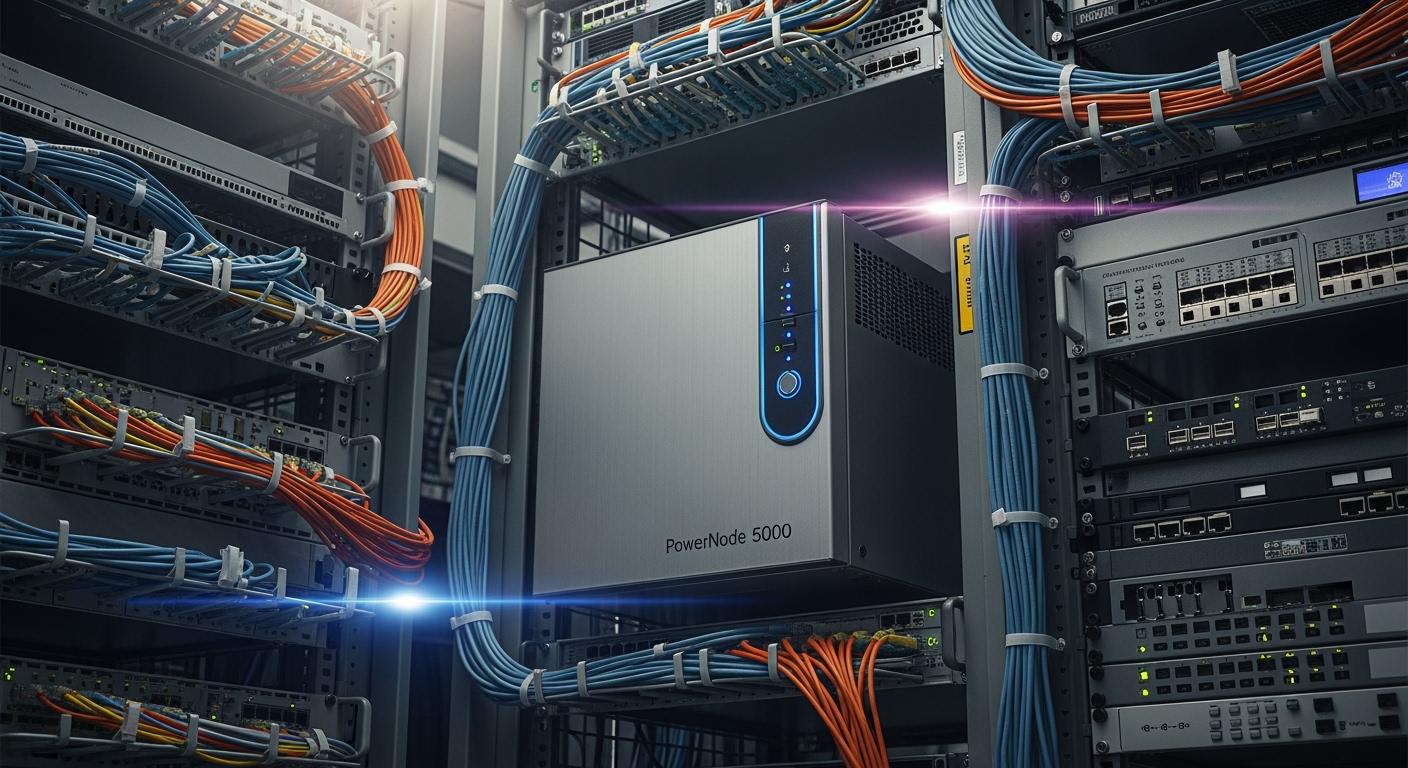
You face real challenges when deploying power systems in crowded telecom equipment rooms. A compact structure design lets you install a Telecom Rectifier System with up to 30% less footprint and 40% less weight, making it ideal for limited spaces or rooftop sites. Industry trends show that high-efficiency designs and advanced materials now support the need for smaller, lighter, and reliable solutions. ESTEL leads this shift, giving you proven, space-saving rectifier systems trusted by major operators.
Key Takeaways
Choose compact rectifier systems to save up to 30% in space and 40% in weight, making them ideal for crowded telecom rooms.
Utilize modular designs for easy upgrades and maintenance, allowing you to scale your power supply as your network grows.
Implement effective thermal management strategies to prevent overheating, ensuring reliable performance and extending equipment lifespan.
Leverage smart monitoring features for real-time system health tracking, reducing maintenance costs and downtime.
Select advanced semiconductor technologies to enhance efficiency and compactness, leading to lower energy bills and improved reliability.
Space Challenges in Telecom Equipment Rooms
Common Limitations
You often face tight spaces when working in telecom equipment rooms. These rooms usually have limited floor area and strict layout requirements. You must fit many devices, cables, and cooling systems into a small footprint. This situation creates several challenges:
You may see high costs and longer construction times if you use traditional power solutions with large footprints.
You need to manage complex cable routing and airflow, which can lead to overheating or maintenance issues.
You might struggle to add new equipment or upgrade existing systems because of space restrictions.
You can solve many of these problems by choosing compact and integrated designs. For example, modern systems combine multiple components into a single cabinet. This approach saves space and improves reliability. You can reduce installation and debugging time by nearly 40% and lower failure rates by over 60% with these new designs.
Impact on System Deployment
Space constraints do not just make your job harder—they also affect your project’s timeline and budget. When you have less room, you need to plan carefully and select equipment that fits your environment. The choice of a Telecom Rectifier System with a compact structure can help you avoid delays and extra costs.
You also face several operational challenges in limited spaces. The table below shows some of the most significant ones:
Challenge Type | Description |
|---|---|
You may find it hard to scale or upgrade because of a lack of harmonized rectifier designs. | |
Supply Chain Disruptions | You could experience delays and sourcing issues, especially for semiconductors. |
Environmental Resilience | You need robust systems that can handle harsh weather and temperature extremes. |
You can overcome these challenges by selecting advanced, space-saving solutions that support easy integration and reliable performance.
Compact Design Principles
Modularity and Scalability
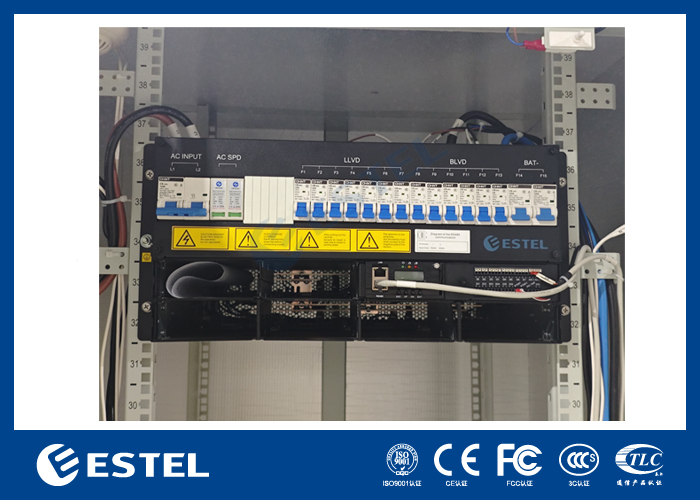
You need a system that grows with your network. The modular design of a Telecom Rectifier System lets you add or remove power modules as your needs change. This approach supports quick upgrades and easy maintenance, which is essential in tight spaces. You can scale your power supply without making major changes to your infrastructure.
Modular systems allow for plug-and-play scalability.
You can maximize space by adding only what you need.
This flexibility helps you keep up with rapid network growth, such as 5G and IoT expansion.
High Power Density
You want to deliver more power without increasing the size of your equipment. Modern compact rectifier systems achieve a benchmark power density of 400 kW/m². This means you can fit more power into less space, which is critical for space-constrained telecom rooms.
High efficiency modules reduce energy loss and heat.
Active power factor correction improves electricity usage and lowers costs.
Selecting rectifier modules with high power density ensures your Telecom Rectifier System meets growing demands without expanding cabinet size.
Thermal Management
You must keep your equipment cool to maintain performance and extend its life. Effective thermal management prevents overheating, which can damage your Telecom Rectifier System.
Tip: Regularly check and maintain your cooling systems to avoid costly repairs.
You can use ventilation, heat exchangers, and cooling units to control internal temperature. Proper airflow patterns prevent hot spots and keep temperatures even throughout the cabinet. In extreme climates, active cooling methods become essential for consistent operation. Choosing high-efficiency rectifiers and optimizing airflow will improve energy efficiency and reliability.
Telecom Rectifier System Technologies
Miniaturized Components
You benefit from recent advances in miniaturization when you choose a modern Telecom Rectifier System. Manufacturers now use advanced semiconductor materials, such as silicon carbide (SiC) and gallium nitride (GaN), to create smaller and more efficient components. These materials allow for higher power density and improved energy conversion. You also see modular designs that make it easy to scale your system or perform maintenance without major disruptions. Resonant circuits enable soft switching, which reduces the size of components and increases power density. AI-driven control systems further enhance energy management and efficiency.
Advanced semiconductor materials improve efficiency and compactness.
Modular designs support scalability and easy maintenance.
Resonant circuits allow for smaller components and higher power density.
AI-driven controls optimize energy use.
Miniaturization also makes your Telecom Rectifier System easier to deploy in different environments. You save on installation costs because smaller components simplify the setup process. The use of wide-bandgap semiconductors leads to higher efficiency and reliability, which is essential for telecom networks that must operate around the clock.
Advanced Cooling
You must manage heat effectively in compact power systems. Advanced cooling solutions play a key role in maintaining the reliability and lifespan of your equipment. These systems prevent overheating, which is a leading cause of malfunctions and failures. When you use efficient cooling, you ensure consistent performance and reduce the need for frequent replacements. This approach lowers your maintenance costs and extends the life of your Telecom Rectifier System.
Note: Proper cooling not only protects your investment but also supports stable operation in harsh environments.
Smart Monitoring
You gain a significant advantage with smart monitoring features in modern rectifier systems. Remote monitoring lets you track system health in real time, reducing the need for on-site visits. This capability leads to faster problem resolution and lower maintenance expenses. Predictive maintenance tools give you insights into energy consumption and system status, so you can schedule maintenance before issues become critical. Cloud-based management allows you to optimize your network from anywhere, adapting to changing conditions without sacrificing performance.
Integrated monitoring and predictive maintenance tools help you track system health continuously. This proactive approach reduces costs and extends the lifespan of your assets. Automated fault notifications minimize the need for on-site inspections.
Aspect | Contribution to Predictive Maintenance and Reduced Downtime |
|---|---|
Continuous Tracking | Enables identification of anomalies before they escalate. |
Early Fault Detection | Proactively identifies issues through real-time alerts. |
Proactive Issue Resolution | Allows for quick addressing of problems, minimizing service interruptions. |
Integration with Smart Systems | Supports predictive maintenance by forecasting failures. |
Remote Management | Facilitates rapid response to issues, enhancing system reliability. |
ESTEL Product Features
You find that ESTEL’s Telecom Rectifier System and Telecom Power System address the core needs of compactness, efficiency, and reliability. High power density enables you to maximize space utilization while maintaining efficient operation. Modular designs give you the flexibility to scale your system as your power demands grow. ESTEL uses advanced semiconductor technologies, including SiC and GaN, to enhance thermal performance and reduce energy losses.
High power density for efficient operation and space savings.
Modular design for easy scaling and maintenance.
Advanced semiconductors improve thermal management and efficiency.
Compact and scalable designs support high connection density.
Configurations can exceed 1MW capacity, preparing you for future expansion.
Smart DC link integration ensures compatibility with Battery Energy Storage Systems and DC microgrids.
You also benefit from a wide input voltage range, which means your system operates reliably even when grid conditions are unstable. The modular design allows you to integrate individual modules easily, making upgrades and maintenance straightforward. These features ensure that your Telecom Rectifier System remains adaptable and future-proof, supporting your network’s growth and changing requirements.
Tip: By choosing ESTEL, you invest in a solution that combines advanced technology, robust design, and operational flexibility for your telecom infrastructure.
Implementation Strategies
Site Assessment
You start every deployment by assessing the site. Measure the available space and check for obstacles that could affect installation. Look at the room’s airflow and temperature control. Stable temperatures between 20°C and 25°C help prevent battery degradation and keep your equipment running smoothly. Examine the power supply and grounding to ensure safety. You should also check for easy access to cable routes and maintenance points. Regular visual assessments help you spot damage early and avoid costly repairs.
Tip: Take photos and notes during your assessment. This record helps you plan the layout and future upgrades.
Installation Best Practices
You achieve the best results by following proven installation practices. Use optimized circuit design to select components like diodes with low forward voltage drop and fast recovery time. Proper layout reduces unwanted electrical effects. Filtering and smoothing techniques, such as using well-sized capacitors and inductors, improve output quality and reduce ripple. Always include protection measures like fuses and surge suppressors to guard against overvoltage and overcurrent.
Best Practice | Description |
|---|---|
Circuit Design | Choose efficient components and arrange them to minimize electrical issues. |
Filtering Techniques | Use capacitors and inductors to smooth output and reduce noise. |
Protection Measures | Install fuses and surge suppressors for safety and equipment protection. |
You should also keep cables organized and maintain clear airflow paths. This approach reduces clutter and helps with cooling.
Maintenance and Upgrades
You keep your Telecom Rectifier System reliable by scheduling regular maintenance. Inspect batteries for swelling or corrosion. Maintain a stable environment to extend battery life. The compact size and organized interior layout of modern systems make inspections and upgrades easier. User-friendly designs let you access critical components quickly. Integrated cable management reduces clutter and improves airflow, making maintenance safer and faster.
Conduct regular visual checks for damage.
Keep temperatures stable to protect batteries.
Use organized layouts for easy upgrades.
A durable construction ensures your system lasts longer, even in busy telecom rooms. You can upgrade modules without disrupting the whole system, keeping your network running smoothly.
Case Study: ESTEL Compact Rectifier Deployment
Project Overview
You manage a telecom site in a busy urban area. The equipment room has limited space and strict requirements for power reliability. The network supports thousands of users, so you cannot afford downtime. You need a solution that fits into a small footprint and delivers consistent power. The site also faces fluctuating grid conditions, which makes power stability a top priority. You decide to upgrade your power infrastructure to meet these challenges.
Note: Many telecom operators face similar constraints in cities, where every square meter counts.
Solution and Results
You select the ESTEL Telecom Rectifier System for your upgrade. The modular design allows you to install the system in a standard 19-inch rack, saving valuable floor space. You choose a configuration that matches your current power needs, but you know you can add more modules as your network grows. The system’s high efficiency—over 96%—reduces energy loss and lowers your operating costs. You benefit from the wide input voltage range, which keeps your equipment running smoothly even when the grid is unstable.
You notice immediate improvements after installation:
The compact structure frees up space for other critical equipment.
The advanced cooling and smart monitoring features keep the system running at optimal temperatures.
Maintenance becomes easier because you can access and replace modules without shutting down the whole system.
Benefit | Impact on Your Site |
|---|---|
Space Savings | More room for expansion |
High Efficiency | Lower energy bills |
Easy Maintenance | Less downtime and faster repairs |
Reliable Operation | Consistent service for users |
You see a reduction in both downtime and maintenance costs. The upgrade helps you deliver reliable service to your customers, even in a challenging environment.
Benefits and ROI
Operational Efficiency
You improve your network’s performance when you use a compact rectifier system. The modular design lets you add or remove power modules quickly. You can scale your power supply as your network grows. Smart monitoring tools give you real-time data, so you can spot issues before they become problems. You reduce downtime and keep your equipment running smoothly. You also make maintenance easier because you can access and replace modules without shutting down the whole system.
Tip: Regular system checks help you maintain high operational efficiency and avoid unexpected failures.
Cost Savings
You save money in several ways with a compact rectifier system. The high efficiency—over 91% in AC to DC conversion—means you lose less energy as heat. Lower energy loss leads to smaller electricity bills. The modular structure reduces installation time and labor costs. You do not need to buy extra cooling equipment because advanced thermal management keeps the system cool. You also cut costs on repairs and replacements because the system’s design makes maintenance simple.
Lower energy bills due to high efficiency
Reduced installation and labor costs
Fewer expenses for cooling and maintenance
Reliability and Future-Proofing
You ensure your telecom network stays reliable, even as technology advances. Compact rectifier systems operate well in extreme temperatures, from -25°C to +55°C. Advanced protection mechanisms guard against voltage spikes and short circuits. You can expand your system easily with hot-swappable modules, which means you do not need to shut down for upgrades. This flexibility supports the growing demands of 5G and future networks.
Performance Aspect | Measurement / Feature | Impact on 5G Infrastructure |
|---|---|---|
Energy Efficiency | Over 91% efficiency in AC to DC conversion | Reduces energy loss and operational costs |
Power Capacity | Nearly double power vs. previous generations | Supports increased power demands of 5G |
Protection Mechanisms | Advanced safeguards | Ensures uninterrupted power and reliability |
Environmental Range | -25°C to +55°C | Reliable in harsh and remote environments |
Scalability | Modular, hot-swappable design | Easy expansion, minimal downtime |
You get a Telecom Rectifier System that adapts to new technologies and keeps your network running, no matter the conditions.
You can solve space constraints in telecom rooms by choosing a compact structure design. The table below shows how you can match room size with power and cooling needs:
Room Size Category | Recommended Dimensions | Power Requirements | Cooling Requirements |
|---|---|---|---|
Small | 4’x6’ | 2 quad receptacles, 1 120V 20A per rack | Exhaust fan or louvered door |
Mid | 6’x8’ | 2 quad receptacles, 1 120V 20A per rack | Exhaust fan or louvered door |
Large | 8’x10’ | 2 quad receptacles, 1 120V 20A per rack | Exhaust fan or louvered door |
When you choose ESTEL’s compact rectifier systems, you gain several advantages:
You save energy with conversion rates over 96%.
You scale your system easily with modular design.
You get reliable performance in extreme conditions.
You enjoy simple installation and maintenance.
You benefit from cost-effective solutions.
Evaluate your current setup. Explore how ESTEL can help you create a more efficient and reliable telecom environment.
FAQ
What makes a compact rectifier system ideal for small telecom rooms?
You get more usable space and easier installation. Compact systems fit into standard racks. You can add or remove modules as needed. This design helps you manage limited room size and supports future upgrades.
How does ESTEL ensure reliable operation in harsh environments?
You benefit from robust construction and advanced cooling. ESTEL designs its systems to handle wide temperature ranges and unstable power. You can trust your equipment to run smoothly in challenging conditions.
Can you upgrade ESTEL rectifier systems without shutting down your network?
Yes. You can swap or add modules while the system runs. This hot-swappable feature lets you upgrade or maintain your system without interrupting service.
What input voltages do ESTEL rectifier systems support?
You can use a wide range of input voltages, including AC220VAC and 380VAC. This flexibility means you can deploy the system in many locations with different power sources.
See Also
Exploring Telecom Cabinet Design and Associated Costs
Design Guidelines for ESTEL Telecommunication Cabinet Structures
Telecom Cabinets Featuring Grid-Connected Solar Inverter Systems
CALL US DIRECTLY
86-13752765943
3A-8, SHUIWAN 1979 SQUARE (PHASE II), NO.111, TAIZI ROAD,SHUIWAN COMMUNITY, ZHAOSHANG STREET, NANSHAN DISTRICT, SHENZHEN, GUANGDONG, CHINA
