ESTEL Telecom Power Systems - Dynamic Output Aligned with Production Pace


ESTEL Telecom Power Systems answer a critical question for modern manufacturing. How does a telecom power supply match its output to a production line's changing pace? The answer lies in real-time data and adaptive control algorithms. These systems adjust power output from 20-36VDC and 0-150A as your production rhythm shifts.
You gain seamless collaboration between these systems and Industry 4.0 production lines. This telecom power system delivers dynamic power output that aligns with your actual production speed. The result is adaptive power output without waste. In a connected smart factory, every watt of energy serves a purpose. Industry 4.0 demands this level of responsiveness.
Key Takeaways
ESTEL Telecom Power Systems adjust power output in real time to match your production speed, saving energy and reducing waste.
The system connects easily to your existing factory equipment using standard communication ports like RS485 and Ethernet.
Adaptive control algorithms automatically adjust voltage and current based on sensor data from your production line.
A case study showed 15% energy savings and improved uptime after installing the system in a flexible assembly line.
The system's natural cooling and 19-inch rack design make it easy to install and maintain in your industrial cabinet.
Real-Time Monitoring for Dynamic Power Output
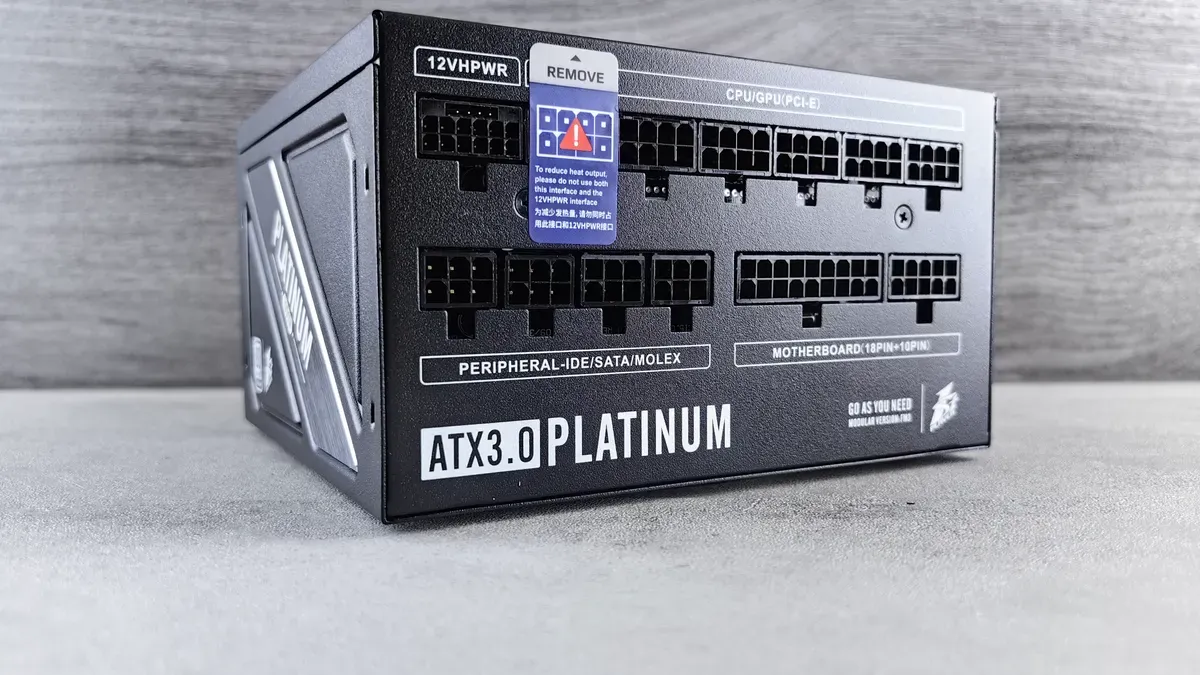
Data Acquisition from Production Line Sensors
Your production line generates a constant stream of operational data. ESTEL Telecom Power Systems capture this information through industrial IoT and sensors positioned along the line. These sensors track production speed, load changes, and equipment status. The telecom power system collects this data continuously. You gain visibility into how your production rhythm and data flow interact in real time.
The system's wide AC input voltage range of 90-300 Vac ensures stable operation even when your facility experiences power fluctuations. Natural cooling keeps the unit running without additional cooling equipment. This design supports reliable performance as production demands shift throughout the day. The 19-inch rack compatibility means you install the unit directly into existing industrial cabinets without special modifications.
Real-time production monitoring delivers measurable value. Dashboards tracking efficiency and sustainability metrics at line and unit level enable visibility of energy use and losses at granular production-line level. Mapping meters and process signals to a simple energy balance by line or unit with actionable thresholds makes energy balance visible. You spot losses early rather than late. Logging exceptions and routing them to closure prevents losses from being missed and ensures follow-up ownership.
Adaptive Control Algorithms for Power Adjustment
The telecom power system processes sensor data through adaptive control algorithms. These algorithms adjust DC output between 20-36VDC and 0-150A to match your production pace. When your line speeds up, the system increases power output. When production slows, output decreases accordingly. This load-following behavior ensures efficient power delivery without waste.
The system achieves real-time power management through constraint-aware optimization integrated with plant operations. This approach reduces energy waste while respecting safety and quality constraints. Your facility benefits from flexible power management that responds to actual conditions rather than preset schedules.
Adaptive power output means the system learns your production patterns over time. It can adjust production parameters autonomously within defined limits. This capability supports a connected smart factory where every component communicates and responds intelligently. The result is dynamic power output that aligns precisely with your operational needs.
You optimize output by letting the algorithms handle continuous adjustments. The system maintains stable performance across varying production scenarios. This reduces the burden on your operators and ensures consistent power quality for your telecom equipment.
Seamless Integration with Industry 4.0 Production Lines
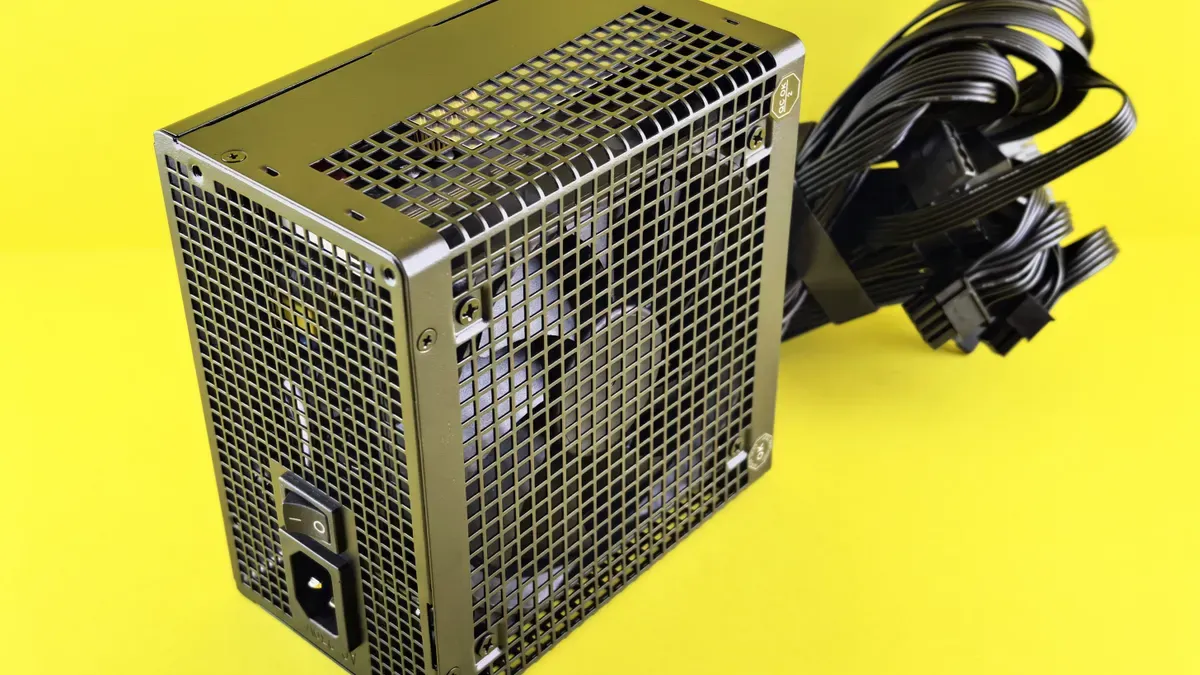
Your manufacturing environment already uses automated systems for control and monitoring. The telecom power system must connect to this infrastructure seamlessly. ESTEL designed the unit with RS485 and Ethernet communication ports. These ports allow direct connection to your production line controllers and MES systems. This connectivity creates the foundation for true collaboration between telecom power systems and industry 4.0 production lines.
Industrial IoT Communication Protocols
The system communicates using standard industrial protocols that your equipment already understands. RS485 serial communication provides a robust multi-node bus for connecting field devices. Your PLCs, meters, temperature controllers, and sensors all use this physical layer. The system supports Modbus RTU natively over RS485. This makes integration with existing field devices straightforward and eliminates the need for protocol converters at the device level.
Ethernet connectivity extends the system to upper-layer networks. Your SCADA systems, MES platforms, and cloud environments can exchange data over TCP/IP. The system bridges both network types seamlessly. It converts Modbus RTU traffic from serial devices into Modbus TCP packets for Ethernet networks. A serial-to-Ethernet adapter translates between RS485 field devices and Ethernet networks transparently.
This combined architecture uses RS485 as the device-layer network and Ethernet as the system-layer backbone. Your existing PLC communications remain intact. MES-level data integration happens simultaneously. Your industrial iot architecture benefits from this direct connectivity. The architecture preserves your current investment in industrial iot sensors and actuators. It enables new industrial iot solutions for real-time monitoring and optimization.
Industry 4.0 demands this layered connectivity approach. The physical layer handles reliable data collection from the factory floor. The network layer moves that data to decision-making systems efficiently. Your telecom power system becomes a participating node in this ecosystem. It reports status, accepts commands, and adjusts behavior based on production signals in real time. Core industry 4.0 technologies like these enable flexibility in complex manufacturing environments where production schedules change frequently.
Interfacing with PLCs and MES Systems
Connecting to your PLC ecosystem requires broad protocol support across different vendors. The telecom power system communicates with Allen-Bradley platforms through industrial Ethernet. It interfaces with Profibus networks that use RS485 as their physical layer. DeviceNet connections use the CAN-based application layer. This compatibility ensures the system works with your existing control infrastructure without additional gateways.
The system integrates with MES platforms through standard TCP/IP connectivity. Your MES can request real-time status from the power unit. It reads output voltage, current draw, and operational status continuously. It also sends commands to adjust power parameters as production schedules change throughout the shift. This bidirectional communication makes the power unit an active participant in production management rather than a passive component.
The 19-inch rack design simplifies physical installation considerably. You mount the unit directly into existing industrial cabinets alongside your PLCs and network equipment. No custom enclosures or special mounts are required. The system fits within your current infrastructure without modification or downtime during installation.
This integration produces measurable operational benefits. Your connected factory gains visibility into power consumption at each production stage. You match power output precisely to current demand across the entire line. The connected smart factory uses this data to optimize overall equipment effectiveness continuously. Smart factory automation becomes more achievable when every component communicates status and accepts remote commands. Industry 4.0 solutions for smart factories rely on this level of integration to deliver real efficiency gains.
The result is a unified production environment. Your power system responds to the same signals that control your industry 4.0 production lines. It adjusts output dynamically based on actual production rhythm rather than fixed schedules. The system aligns energy delivery with real demand without operator intervention. This reduces waste and improves efficiency across your entire operation. A truly connected smart factory depends on this adaptive approach to power management.
Collaboration Between Telecom Power Systems and Industry 4.0 Production Lines: Key Benefits
Energy Efficiency and Cost Savings
You gain direct financial benefits when your telecom power system matches output to actual demand. The system reduces energy waste by aligning power delivery with your production rhythm. This alignment lowers energy costs across your operation. Your facility consumes only the power it needs at any given moment.
The adaptive power output capability means your telecom power system responds to real production conditions. You avoid the inefficiency of running at full capacity during low-demand periods. This dynamic power output approach delivers measurable savings. Your energy consumption tracks your production lines accurately throughout each shift.
Industry 4.0 increases operational efficiency through data-driven optimization. Your connected smart factory uses industrial iot sensors to monitor consumption patterns continuously. These industrial iot solutions provide the visibility needed for effective energy management. You identify waste areas and address them quickly. Flexible power management becomes a reality when your systems communicate and respond intelligently.
Enhanced Reliability and Predictive Maintenance
Your telecom power system supports predictive maintenance strategies that improve uptime significantly. Condition monitoring integrated with work order systems delivers documented results. The following table shows measured MTBF improvements from various predictive maintenance practices:
Predictive Maintenance Practice | Documented MTBF Impact |
|---|---|
Condition monitoring with CMMS-triggered work orders | 20–35% MTBF increase |
CMMS-driven MTBF improvement overall | 40–70% MTBF increase |
Proper operating procedures within design parameters | 25–40% MTBF increase |
Environmental controls with cooling and monitoring | 15–25% MTBF increase |
A reliability manager with 18 years in maintenance management reported that automated MTBF calculation from work order timestamps caught a motor MTBF drop on Line 3 four weeks before a failure spike. Adjusting the PM schedule and adding vibration monitoring raised MTBF by 41% in two months, saving an estimated $200,000 in emergency repairs and lost production.
ESTEL builds these telecom power systems under ISO9001 quality standards. The durable design handles harsh industrial environments. Your connected smart factory benefits from this reliability focus. Industry 4.0 production lines demand consistent power delivery. Your production efficiency improves when power systems operate without interruption.
Case Study: ESTEL Telecom Power Systems Aligned with Production Rhythm
Implementation in a Flexible Assembly Line
A smart factory in the electronics sector operates a flexible assembly line that produces multiple product variants. Production volume shifts throughout each shift. The facility needed a power solution that could follow this variability without manual intervention. They selected the ESTEL Telecom Power System for its adaptive capabilities.
The installation process followed a structured approach. Engineers mounted the unit directly into an existing 19-inch industrial cabinet using the standard rack design. They connected the system to the production line PLC through an RS485 serial connection. Modbus TCP over Ethernet linked the unit to the facility's MES platform. This setup enabled real-time data exchange between the power system and production control systems.
The system's wide AC input voltage range of 90-300 Vac handled the facility's power fluctuations without issue. Output current adjusted automatically from 0-150A based on production demand. When the line ran at full speed, the telecom power system delivered maximum output. During changeovers and slower periods, output dropped accordingly. This dynamic power output matched the production rhythm precisely.
Natural cooling eliminated the need for fans or additional cooling equipment. This design choice reduced maintenance requirements significantly. No filter replacements or fan repairs were needed. The system operated quietly and reliably in the production environment.
Measured Outcomes: Efficiency and Payback
The facility tracked performance over twelve months of operation. Energy consumption dropped by 15% compared to the previous fixed-output power supply. The system consumed only the power required at each moment. This alignment with production rhythm delivered measurable cost savings.
Uptime improved as the system responded to load changes without stress. The connected smart factory benefited from continuous power delivery. Production interruptions related to power issues decreased noticeably. The smart factory automation platform integrated seamlessly with the power system's monitoring features.
The facility achieved a payback period consistent with published case study data for similar adaptive power deployments. The ESTEL system delivered comparable results. The connected smart factory gained both energy savings and improved reliability. These smart factory solutions demonstrate how adaptive power management supports industry 4.0 goals for flexible, efficient production.
ESTEL Telecom Power Systems align dynamic power output with your production rhythm. This alignment creates powerful collaboration between telecom power systems and industry 4.0 production lines. You reduce energy costs, enhance reliability, and integrate simply within existing infrastructure.
The telecom power system enables this through its wide input voltage range, natural cooling, and multiple communication ports. These features support adaptive power output that responds to real production conditions. Your connected smart factory gains flexible power management across every shift.
Industrial iot data drives this responsiveness. Power output adjusts automatically as demand changes. As industry 4.0 evolves, such adaptive systems will become critical for production flexibility and sustainability. Your facility stays ready for whatever comes next.
FAQ
How does the system adjust output to match my production speed?
The system reads production line data through sensors and industrial IoT connections. Adaptive control algorithms then adjust DC output between 20-36VDC and 0-150A. When your line speeds up, output rises. When production slows, output drops. This load-following behavior delivers only the power your line needs at each moment.
What input voltage range does the system accept?
The telecom power system accepts a wide AC input range from 90 to 300 Vac. This range handles facility power fluctuations without interruption. Your production line keeps running even when supply voltage varies. The system maintains stable DC output throughout these changes.
How does the system connect to my PLC and MES platforms?
The unit includes RS485 and Ethernet communication ports. RS485 connects to field devices using Modbus RTU. Ethernet links to your MES and SCADA systems over TCP/IP. The system bridges both network types. Your existing control infrastructure integrates without additional gateways.
What cooling method does the system use?
The system relies on natural cooling. No fans or additional cooling equipment are required. This design reduces maintenance needs and operating costs. Filter replacements and fan repairs become unnecessary. The unit operates quietly and reliably in your production environment.
Can I install the system in my existing industrial cabinet?
Yes. The system fits a standard 19-inch rack or mounts inside your cabinet. You install it alongside your PLCs and network equipment. No custom enclosures or special mounts are needed.
What energy savings can I expect from adaptive power output?
A smart factory case study measured 15% energy savings over twelve months compared to fixed-output power supplies. The system consumed only the power required at each moment. Your actual savings depend on production variability and baseline consumption. Industry 4.0 integration makes this level of optimization achievable.
See Also
Understanding The ESTEL Telecom Cabinet Power System Explained
ESTEL Smart Microgrid Integrated Telecom Cabinet Energy Storage System
Energy Storage Batteries Designed For ESTEL Telecom Cabinets
Ensuring Reliable Power Supply Within Telecom Cabinets Effectively
Photovoltaic Energy Storage Power System For Telecom Cabinets
CALL US DIRECTLY
86-13752765943
3A-8, SHUIWAN 1979 SQUARE (PHASE II), NO.111, TAIZI ROAD,SHUIWAN COMMUNITY, ZHAOSHANG STREET, NANSHAN DISTRICT, SHENZHEN, GUANGDONG, CHINA
