ESTEL Rectifiers Resist Grid Pollution, Deliver Purified Power

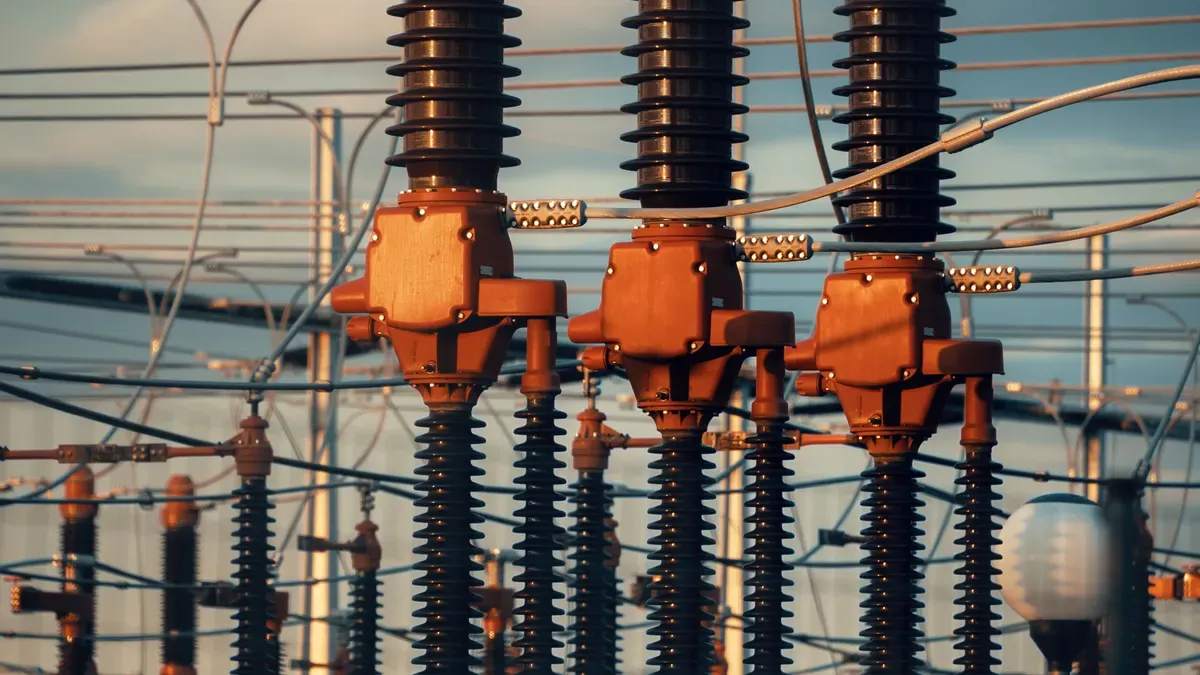
ESTEL rectifiers actively fight grid pollution and deliver clean power. They use advanced harmonic filtering that reaches 99% efficiency. Grid pollution—harmonics, voltage ups and downs, and electrical noise—is a growing problem in telecom networks. This pollution harms rectifier performance. It causes overheating, lower efficiency, and network downtime. Telecom Rectifier Systems must handle these conditions to keep service running without stops. ESTEL technology gives clean, steady DC48V output even in harsh electrical environments. Strong design features, like a wide input voltage range and modular architecture, allow reliable operation even when grid quality is unstable. The result is clean power that protects equipment and keeps the network running.
Key Takeaways
Grid pollution leads to overheating and network shutdowns. ESTEL rectifiers remove 99% of harmful harmonics.
A wide input voltage range and modular design provide steady DC48V power in unstable grids.
High efficiency above 96% reduces wasted energy and lowers the cost of running it.
Active harmonic filtering stops equipment from breaking down. It also makes the network 25% more reliable.
Grid Pollution and Telecom Rectifier Systems
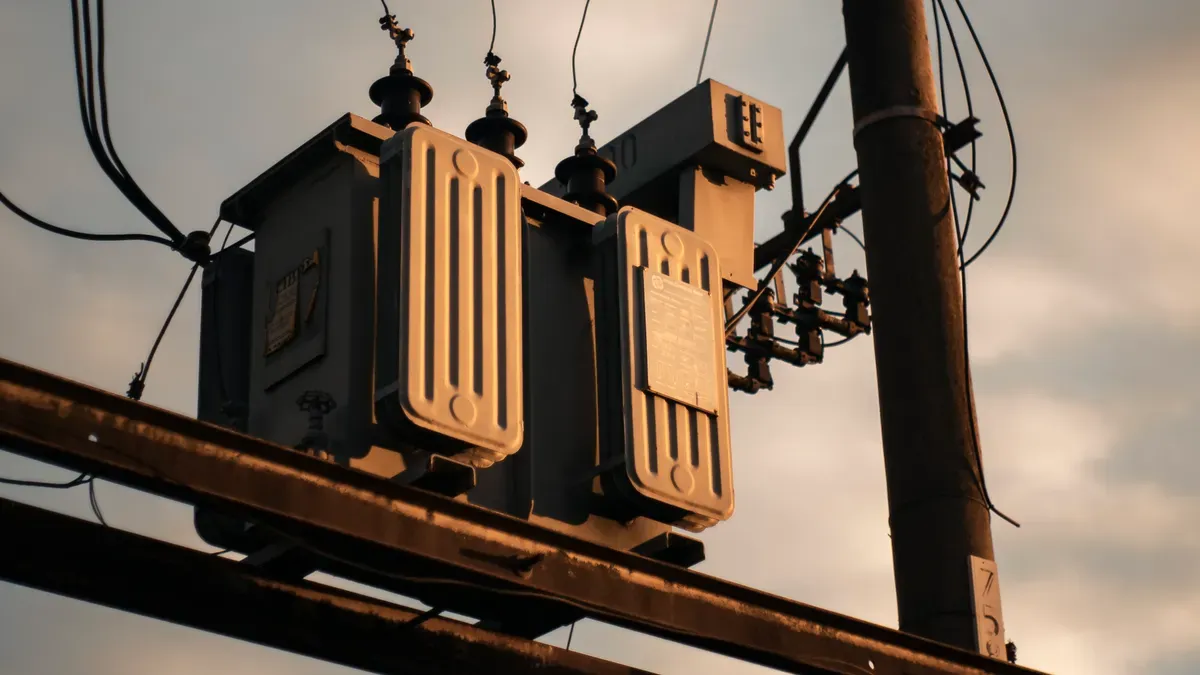
Grid pollution refers to the presence of harmonics, voltage fluctuations, and electrical noise that degrade power quality. Harmonics are current or voltage waveforms that deviate from the ideal sine wave. They originate primarily from non-linear loads—devices that draw current in abrupt pulses instead of smoothly. Switching equipment, such as variable frequency drives and power supplies, also injects harmonics. Additionally, poor grid quality in some regions exacerbates these distortions. Understanding the sources and consequences of grid pollution is essential for anyone responsible for maintaining reliable telecom power.
Causes of Grid Pollution
Three main groups of equipment generate harmonic currents in electrical distribution systems.
Semiconductor group: Devices like diodes, rectifiers, transistors, SCRs, and thyristors create non-linear loads. Switching power supplies, variable frequency drives, and electronic power converters cause abrupt impedance changes. These changes distort the current waveform and produce harmonics.
Ferromagnetic group: Power transformers and motor windings become non-linear when the magnetic core saturates. The required magnetizing current distorts the sine wave, adding harmonics to the system.
Arcing group: Arc furnaces and arcing lighting operate in cycles with open, shorted, and normal circuit states. Each state has a unique impedance, leading to severe waveform distortion and harmonic currents.
Furthermore, a wide range of equipment contributes to harmonic pollution. Power electronics like UPS systems, inverters for solar and wind energy, and SCR rectifiers draw pulsed current with high harmonic content. IT and consumer electronics—computers, servers, LED drivers—use switch-mode supplies that inject higher-order harmonics. Industrial control devices such as welding machines, induction heaters, and electroplating rectifiers generate severe harmonics. Even household appliances like inverter air conditioners and microwave ovens distort current and affect building networks.
Impact on Telecom Rectifier Systems
Harmonics and voltage fluctuations directly threaten Telecom Rectifier Systems. These distortions cause overheating in transformers and rectifier modules. Overheating reduces efficiency, often forcing the system to operate below its rated capacity. Over time, sustained harmonic stress can lead to premature component failure. The result is costly downtime and interrupted network service.
A critical insight from industry research states that large rectifiers cause significant distortion on the power line if left unmitigated. This effect can damage not only the rectifier itself but also neighboring equipment sharing the same electrical bus. In a telecom environment, where multiple sensitive devices depend on clean power, such cross-contamination is unacceptable.
Voltage fluctuations also stress the rectifier’s input stages. While many systems have a wide input range, repeated surges or sags accelerate wear on capacitors and switching transistors. Without proper filtering, these fluctuations pass through to the DC output, introducing electrical noise into the load. This noise can disrupt sensitive telecom hardware and reduce overall network reliability.
How ESTEL Telecom Rectifier Systems Resist Grid Pollution
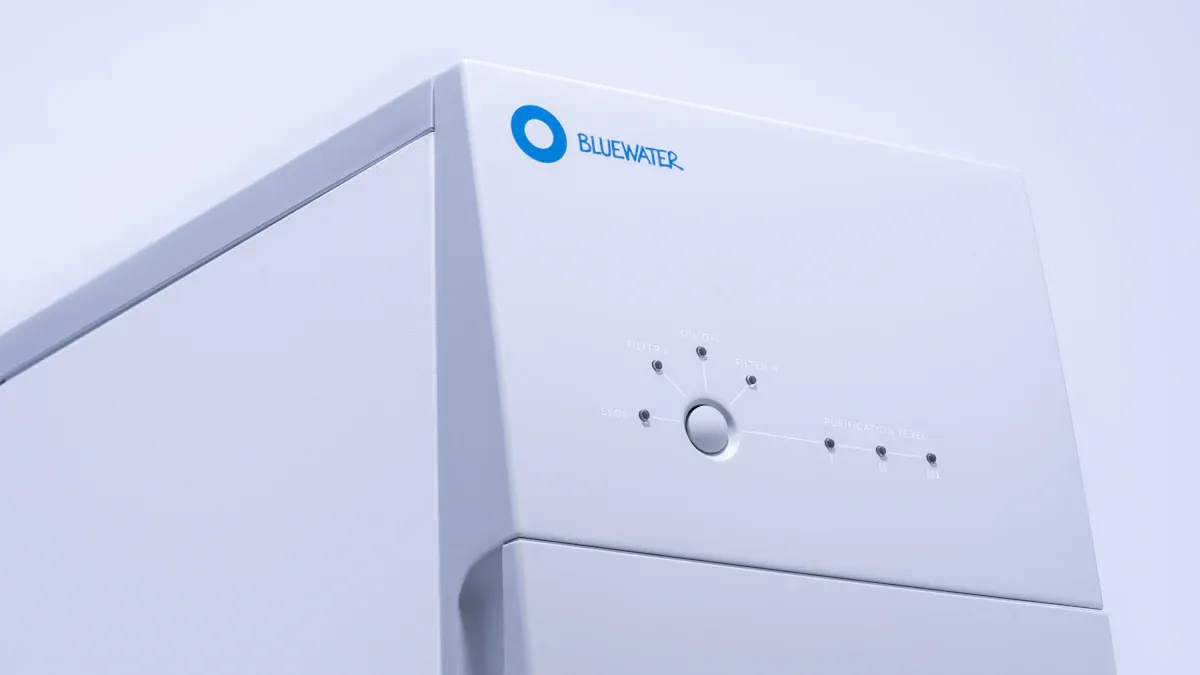
ESTEL is a China-based supplier with ISO9001 certification. It makes integrated outdoor telecom cabinets and power systems. The company builds its Telecom Rectifier Systems to handle tough electrical conditions. These systems mix strong physical design with advanced filtering technology. The result is clean, steady power even when the grid sends distorted or changing voltage.
Robust Design Features
The ESTEL Telecom Rectifier System has a modular architecture that makes scaling and maintenance easier. It supports a wide input voltage range, including AC220V and 380VAC. This range lets the system run reliably even when grid voltage swings beyond normal limits. The rectifier gives a steady DC48V output, which telecom equipment needs for stable operation. Output current options go from 6A to 125A, covering small remote sites and larger central offices. The system comes in 6U, 3U, and 2U rack-mount setups, fitting standard 19-inch racks. Grounding protection through a copper bar improves safety and cuts electrical noise. A flexible cable inlet design makes installation easier in different site conditions.
These design features directly fight grid pollution. The wide input voltage range absorbs surges and sags without passing them to the DC output. Modular construction lets technicians replace single modules instead of the whole system, which cuts downtime. Strong grounding through the copper bar drains stray currents and lowers electrical interference. Even when a controller fails, ESTEL rectifiers keep running, ensuring continuous power to critical loads.
Advanced Harmonic Filtering Technology
ESTEL uses both passive and active filtering methods in its Telecom Rectifier Systems. Passive filters use inductors and capacitors to block certain harmonic frequencies. Active power filters (APFs) take a more dynamic approach. They remove harmonics from the supply current, produce near-sinusoidal current, reduce total harmonic distortion (THD), and improve power factor. APFs absorb harmonic currents made by nonlinear loads, which improves overall power quality. The performance of an APF depends on digital signal processing speed, load type, reference generation methods, and control schemes.
The mix of passive and active filtering removes up to 99% of harmful harmonics from the power supply. ESTEL's Telecom Rectifier System reaches a THD of just 1.12%, compared with 3–5% for many industry standard systems.
Metric | ESTEL's Rectifier System | Industry Standard Systems |
|---|---|---|
Total Harmonic Distortion | 1.12% | 3–5% |
Other design elements support this filtering performance. Snubber circuits reduce voltage spikes and electromagnetic interference (EMI). EMI filters weaken high-frequency noise. Fast recovery rectifier diodes improve switching performance. Wide-bandgap semiconductors such as silicon carbide (SiC) and gallium nitride (GaN) offer better switching characteristics and may lower EMI and harmonic content. Advanced control algorithms and digital signal processing techniques actively suppress harmonics and reduce electromagnetic emissions.
The wide input voltage range ensures compatibility with changing power supplies, while the DC48V output design delivers steady power in critical scenarios. This combination matches the reliability performance of top brands.
The ESTEL 99% Harmonic Filtering Advantage
Achieving 99% Harmonic Filtering
ESTEL gets 99% harmonic filtering efficiency by using advanced active harmonic filter design and a high-efficiency rectifier architecture. Active power filters with real-time power quality monitoring adjust on their own to changing load conditions. Advanced control algorithms—like artificial neural networks, NARMA-L2, and PI with adaptive learning—push total harmonic distortion below 3%.
Claim | Value | Supporting Technology |
|---|---|---|
Harmonic elimination rate | Up to 99% | Active harmonic filtering technology in the Smart PDU |
Resulting THD level | Under 3% | Advanced control algorithms (ANN, NARMA-L2, PI with adaptive learning) |
Filtering mechanism | Automatic adjustment | Active power filters with real-time power quality monitoring |
Advanced harmonic filtering technology in the Smart PDU can remove up to 99% of harmful harmonics, so your telecom equipment gets stable, high-quality power.
Active harmonic filters help keep the power supply at high quality. They lower the risk of equipment failure and boost power system reliability. These filters send out harmonic currents 180 degrees out of phase with load-generated harmonics. This action cancels distortion and also provides reactive power compensation. When a facility runs large variable frequency drive loads—usually over 30% of total capacity—standard capacitors can create harmonic resonance. Active filters remove this risk and also improve power factor, cut neutral current, and ensure IEEE 519 compliance for harmonic voltage and current limits.
Regulatory compliance is another key benefit. Harmonic filters help power systems meet regulatory requirements and improve power supply quality. A utility can refuse permission to run a new system, or it may require an existing, non-compliant system to disconnect from the grid until harmonic issues are fixed. Mitigation often means installing costly harmonic filters or replacing equipment, which leads to major project delays and budget overruns. ESTEL Telecom Rectifier Systems help operators avoid these penalties by staying compliant from the start.
Why Near-Total Harmonic Elimination Matters
Near-total harmonic elimination protects nearby equipment, lowers the risk of equipment failure, boosts reliability, and ensures clean DC48V output for telecom applications. When harmonic filtering drops below 99%, several serious problems follow.
Harmonic distortion can cause overheating in transformers, motors, and generators by raising current, which shortens equipment life and increases maintenance costs.
It can raise copper and iron losses in transformers and machines, lowering overall power-system efficiency.
Sensitive electronic equipment, like computers and communication equipment, can malfunction when harmonic distortion prevents a clean and stable power supply, leading to errors or failures.
Harmonic currents can interfere with communication lines and cause operational problems in communication systems.
A 2 MW data center case shows what is at stake. The facility had ongoing power quality problems: power factor stayed below 0.88 and harmonic voltage distortion went above 8%, over the IEEE 519 limit of 5%. Investigation showed UPS and IT loads produced significant 5th and 7th harmonic currents totaling 42% THD. The existing APFC panel created resonance at the 5th harmonic, which made the problem worse. After replacing the standard APFC with a hybrid solution of detuned capacitors plus an active harmonic filter, power factor improved to 0.97, voltage THD dropped to 3.2%, current THD fell to 12%, neutral current decreased by 47%, and UPS efficiency improved by 3%. The data center avoided possible equipment failures, ensured utility compliance, and gained capacity for expansion without electrical service upgrades.
Optimizing harmonic performance cuts electrical noise and stress on transformers and connected devices. This supports steady and reliable operation in demanding environments. Power quality analysis finds and addresses harmonics that can degrade equipment performance or cause failures over time. Nonlinear loads generate harmonic distortion that raises heating and shortens transformer lifespan. Mitigating these harmonics preserves reliability and extends equipment life.
Real-World Benefits of Purified Power
Improved Power Quality and Reliability
Clean power from ESTEL rectifiers changes how telecom networks work every day. The steady DC48V output keeps sensitive equipment running without voltage spikes or sags. Less harmonic distortion means less stress on transformers, power supplies, and communication hardware. Equipment lasts longer because it runs within safe electrical limits. Network uptime gets better as a direct result.
Real deployments show gains you can measure. Smart monitoring systems cut downtime by 25% in one case study. A reliability table lists "Improved Reliability" with "25% less downtime." Harmonic filters steady voltage levels and stop unexpected outages. Facilities that install these filters stay online longer, with some reporting about 20% better reliability after installation. Every second of downtime costs money for businesses that depend on connectivity. Harmonic filters work as essential infrastructure that prevents service interruptions.
Cost Savings and Operational Efficiency
High efficiency rates above 96% cut energy waste and directly lower operational costs. A city provider using ESTEL rectifiers reported a 20% drop in energy consumption. GreenConnect's smart rectifiers cut energy use by 30% and CO2 emissions by 40% across 500 sites. Delta's IPack65 outdoor rectifier system reaches 97.7% efficiency, setting a benchmark for energy-efficient telecom infrastructure. Companies report a 20–30% drop in operational costs after upgrading to modular rectifier solutions. Hybrid power deployments can cut operational costs by 35%. IoT-enabled smart rectifier systems lower operational costs by up to 20%.
Modular design adds another layer of savings. Telecom Rectifier Systems with modular architecture allow easy capacity expansion without major redesign. Parallel connectivity enables incremental capacity additions as demand grows. THD reduction to below 3% protects electrical equipment from harmonics and improves power factor. An ultra-fast response time under 100 microseconds boosts system reliability and efficiency. System efficiency of at least 97% cuts energy losses and maintenance costs.
Eliminating harmonics greatly reduces how often facilities need maintenance and equipment replacement. Facilities using harmonic mitigation technology have seen maintenance bills drop a lot after implementation. Longer-lasting equipment means fewer replacements, saving money both by extending hardware lifespan and reducing spending on new parts. For facilities with severe harmonic distortion, payback periods often range from 1 to 3 years. Less energy consumption also helps sustainability goals. Telecom Rectifier Systems from ESTEL deliver a cost-effective solution for telecom networks, ensuring uninterrupted service and optimal performance.
Grid pollution brings real dangers to telecom networks. Harmonics, voltage swings, and electrical noise cause overheating, lost efficiency, and downtime. ESTEL Telecom Rectifier Systems meet this challenge with strong design and 99% harmonic filtering. The wide input voltage range, modular architecture, and steady DC48V output keep networks running in harsh electrical environments.
ESTEL provides purified power that protects equipment, extends its lifespan, and lowers operating costs. Efficiency above 96% cuts energy waste. Modular maintenance reduces downtime. These systems offer a cost-effective path to reliable, clean power.
Telecom professionals looking for resilient power should turn to ESTEL rectifiers. Clean power today means fewer failures tomorrow.
FAQ
What harmonic filtering level does the ESTEL rectifier achieve?
ESTEL filters out up to 99% of harmonics. Total harmonic distortion falls to only 1.12%. This keeps rectifiers and nearby equipment safe from power quality problems.
How does the wide input voltage range help telecom networks?
The system works with AC220V and 380VAC input. This range soaks up voltage surges and sags. Clean DC48V output reaches sensitive telecom hardware without any disruption.
What efficiency rate does the system reach?
The rectifier goes above 96% efficiency. Less energy turns into heat while power is processed. Lower energy waste cuts operating costs and helps environmental goals.
Does the rectifier operate when a controller fails?
Yes. The rectifier keeps delivering power even after a controller fails. This design ensures steady DC48V output to critical telecom loads.
How does harmonic filtering protect neighboring equipment?
Active harmonic filters cancel harmonic currents that would otherwise harm other devices on the same bus. Near-sinusoidal current stops overheating and failures.
See Also
How ESTEL Maintains Correct Voltage Levels For Telecom Communication Cabinets
ESTEL Smart Microgrid Integrated Energy Storage System For Telecom Cabinets
Energy Storage Batteries Designed For ESTEL Telecom Cabinet Systems
What Exactly Is The ESTEL Telecom Cabinet Power System?
What ESTEL Cabinet Cooling Solutions Provide For Various Industrial Applications
CALL US DIRECTLY
86-13752765943
3A-8, SHUIWAN 1979 SQUARE (PHASE II), NO.111, TAIZI ROAD,SHUIWAN COMMUNITY, ZHAOSHANG STREET, NANSHAN DISTRICT, SHENZHEN, GUANGDONG, CHINA
