ESTEL Telecom Rectifier Systems and Energy Storage Integration for Li-ion, Pb-acid, and Flow Batteries


Modern telecom networks depend on flexible, reliable backup power across diverse sites. You may operate Li-ion, Pb-acid, and flow batteries within the same network. Integrating these chemistries with one power platform presents a real challenge. Each battery type demands unique charging profiles and safety protocols.
ESTEL's advanced Telecom Rectifier Systems solve this problem. They support all three chemistries through intelligent closed-loop control. The system automatically adjusts voltage and current to match each battery's needs. You gain seamless switchover, optimal charging, and reduced operational complexity. This unified approach eliminates the need for separate power systems at each site.
Key Takeaways
One rectifier system manages Li-ion, Pb-acid, and flow batteries. You save space and simplify operations.
Closed-loop control adjusts charging in real time. This protects batteries and extends their life.
Modular design lets you add or replace modules without shutting down power. Your network stays online.
Predictive maintenance cuts costs by up to 40%. You fix issues before they cause downtime.
Scalable platform grows with your network. You invest once and adapt to new demands.
Closed-Loop Control with Telecom Rectifier Systems
A closed-loop architecture separates a smart power system from a simple power supply. The rectifier measures the battery's actual condition, compares it to the target state, and adjusts its output in real time. This feedback cycle repeats continuously. ESTEL's Telecom Rectifier Systems apply this principle to manage Li-ion, Pb-acid, and flow batteries on one platform. You no longer need to stock different rectifiers for different sites.
Modular Rectifier Architecture and Multi-Chemistry Support
The hardware foundation starts with a modular design. ESTEL offers rectifier systems in various rack-mount configurations. Each unit fits a standard 19-inch rack. You select the frame size that matches your site's power demand and available cabinet space.
Output current options cover a wide range to match the load. Every configuration delivers a consistent DC48V output. Input voltage options accommodate diverse grid conditions, which lets the same platform serve diverse grid conditions.
Efficiency exceeds 96 percent across the lineup. That figure matters at remote sites where every wasted watt becomes heat and operating cost. A grounding copper bar and flexible cable inlet simplify installation and safety compliance.
The modular structure also supports mixed deployments. You can run one rectifier shelf for a Li-ion string and another for a Pb-acid bank inside the same cabinet. Each module operates independently, yet the system controller coordinates them as one power plant. This design removes the need for separate power rooms or duplicate infrastructure.
Dynamic Charging Profiles and Real-Time BMS Feedback
Hardware alone cannot manage three chemistries. The control layer does the real work. ESTEL's system stores distinct charging profiles for each battery type. When you connect a battery, the controller identifies the chemistry and loads the correct profile.
For Li-ion strings, the rectifier communicates with the battery management system over standard protocols such as CAN and RS485. The BMS reports cell voltage, current, and temperature. The rectifier then fine-tunes its output to hold the battery within its safe window. This handshake prevents overcharge and reduces thermal stress.
Pb-acid batteries follow a different logic. The controller applies float voltage with temperature compensation and schedules boost charges when the battery needs them. Flow batteries require yet another approach, with charging curves tied to electrolyte state.
The closed loop never stops. The rectifier samples BMS data many times per second and corrects any drift immediately. If a battery approaches its voltage limit, the system tapers current smoothly instead of cutting off abruptly. If temperature rises, it reduces charge rate before damage occurs.
This continuous feedback delivers seamless transitions. You can swap a Pb-acid bank for a Li-ion string without reprogramming the rectifier. The system detects the change and adapts. Operators gain one interface for all sites, and technicians need training on a single platform rather than three.
The result is a power system that thinks ahead. It protects your batteries, extends their service life, and keeps your network running through grid failures and peak demands.
Li-Ion BMS Synchronization and Safety
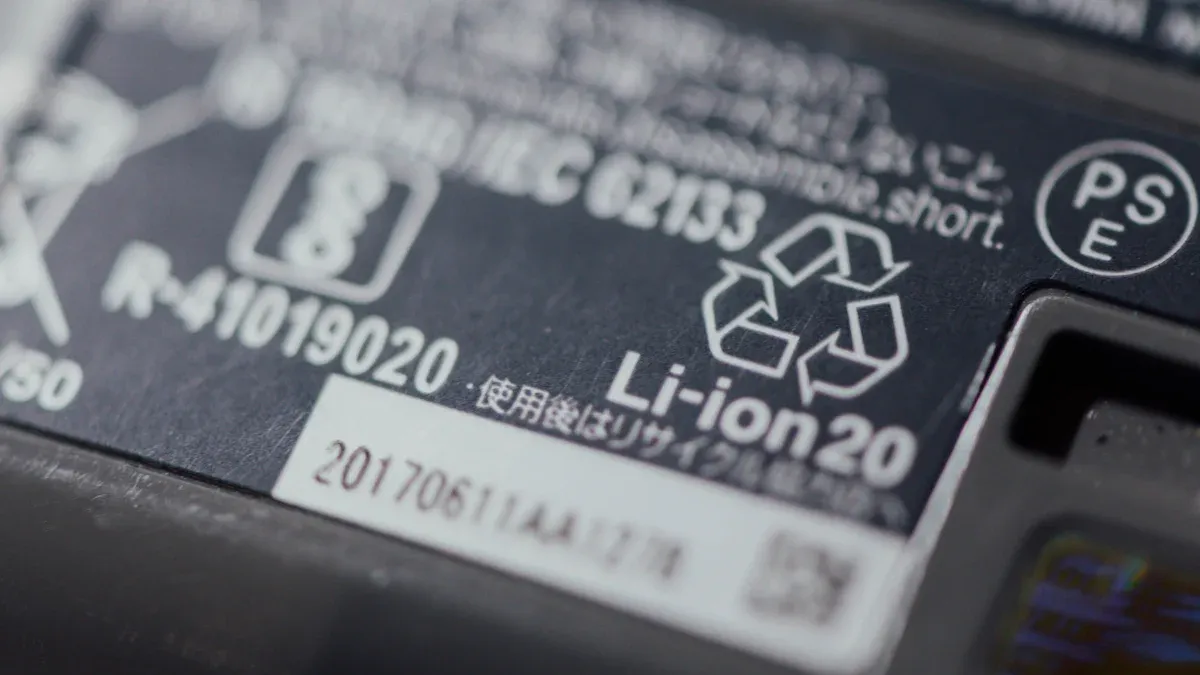
Li-Ion batteries demand strict voltage and temperature limits. Without precise control, overcharging can cause thermal runaway. ESTEL’s Telecom Rectifier Systems solve this by synchronizing directly with each battery’s BMS. This synchronization turns the rectifier into a chemistry-aware power source. You achieve safe, optimal charging for every Li-ion string in your network.
Handshake Protocols and State-of-Charge Accuracy
The rectifier and BMS establish a digital handshake through standard protocols such as CAN or RS485. When you connect a new battery, the rectifier sends a query. The BMS responds with its identity, rated capacity, and current state. This exchange takes only seconds. The rectifier then loads the correct charging profile.
Once the link is active, the BMS transmits real-time data: cell voltages, pack current, and temperature. The rectifier uses this data to adjust its output. For example, if the BMS reports a high state of charge, the rectifier reduces current to enter the absorption phase. This closed loop keeps the battery within its safe operating window. State-of-charge accuracy improves because the rectifier does not rely on simple voltage thresholds. It follows the BMS’s internal calculations. You reduce the risk of undercharging or overcharging significantly.
The protocol also supports startup. After a grid failure, the BMS may enter protection mode. The rectifier waits for the BMS to signal readiness. Only then does it resume charging. This prevents damage from sudden high currents on a deeply discharged pack.
Overcurrent and Temperature Protection
Safety extends beyond the normal charging cycle. The rectifier continuously monitors the BMS’s alarm outputs. If the BMS flags an overcurrent condition, the rectifier instantly limits output current. The system can reduce current to zero if needed. This response happens immediately, far faster than a bulk fuse.
Temperature protection works through the same fast feedback loop. The BMS reports cell temperature every few seconds. If temperature rises above a preset threshold, the rectifier lowers the charge current. If temperature continues climbing, the system disconnects the charging circuit entirely. This approach prevents thermal runaway before it starts. You gain an extra layer of safety beyond any passive fuse or circuit breaker.
The design also includes redundant monitoring. The rectifier’s own internal temperature sensors provide a backup. If the BMS communication fails, the rectifier can still reduce power based on its own measurements. This dual protection aligns perfectly with the high reliability you expect from ESTEL equipment. Your Li-ion batteries stay protected under all conditions.
Pb-Acid: Temperature and Maintenance Cycles
Pb-acid batteries remain the workhorse of telecom backup power. They tolerate a wide temperature range and cost less than Li-ion. However, they need careful voltage management to reach their rated service life. ESTEL's system handles this through temperature-compensated charging and scheduled maintenance cycles.
Float Voltage Compensation and Boost Charging
Standard charge voltages assume a battery temperature of 77°F (25°C). Your site rarely stays at that ideal. Colder batteries need higher charge voltages. Hotter batteries need lower voltages. The rectifier reads a Remote Temperature Sensor attached directly to the battery bank. It then adjusts float and boost voltages in real time.
The recommended compensation is about -3 mV per cell per °C rise. At 35°C, for example, float voltage should drop to 2.27 V per cell instead of 2.30 V per cell. For a 12V battery with six cells, this adjustment becomes significant across wide temperature swings.
This matters because lead-acid batteries perform best at 77°F. For every 15°F above that threshold, battery life drops by 50%. A large VRLA bank at a Southeast Asian telecom facility failed in barely two years. The float voltage had been set 0.4V too high per block. Continuous overcharge caused aggressive grid corrosion and thermal runaway. After recalibrating charge controllers and installing batteries with advanced grid alloy technology, the site achieved its intended 10-year design life.
Equalization Scheduling and End-of-Life Alerts
Equalization charging prevents sulfation and restores cell balance. The right schedule depends on operating conditions. Use the following guide:
Condition | Recommended Equalization Schedule |
|---|---|
Regular preventive maintenance (continuous float operation) | Approximately every 3 months of float operation, per manufacturer specifications |
Voltage imbalance (cell float voltage below ~2.17V–2.20V for a 2V cell) | Inspect string; equalization may be required |
Deep discharge event (>20% of rated capacity discharged) | Equalization recommended to restore cell balance |
After installation or long-term storage (>3 months) | Equalization recommended to ensure consistent charging conditions |
The system tracks these events automatically. It logs discharge depth, float voltage trends, and time since the last equalization. When a trigger condition appears, the controller schedules the cycle during low-traffic hours.
End-of-life alerts give you time to plan replacements. The rectifier monitors internal resistance and capacity trends. As the battery ages, these values drift. The system flags the string when performance falls below acceptable thresholds. You avoid unexpected failures and can budget for replacements in advance.
Flow Battery: Electrolyte and Long-Duration Support
Flow batteries store energy in liquid electrolytes held in external tanks. This design separates power from capacity. You scale energy by adding more electrolyte, not more battery cells. That trait makes flow systems attractive for long-duration backup at remote telecom sites. ESTEL's platform treats them as a distinct chemistry with its own control logic.
Charging Profiles for Redox Flow Systems
A redox flow battery charges by pumping electrolyte through a stack. The stack converts chemical energy to electrical energy. Charging reverses that process. The rectifier must supply current within a window the stack can handle. Push too hard and you trigger side reactions that degrade the electrolyte. Push too gently and charge times stretch beyond your backup window.
ESTEL's controller stores a dedicated charging curve for flow systems. The curve defines current limits across the state-of-charge range. Early charging accepts higher current. As the electrolyte approaches full charge, the rectifier tapers current smoothly. This taper protects the membrane and extends stack life.
Voltage limits also differ from sealed batteries. A flow system can tolerate deeper discharge without damage. The rectifier therefore sets a lower cutoff voltage. It also avoids the absorption phase used for lead-acid. Instead, it holds a steady finishing current until the system signals full charge.
State-of-Charge Monitoring and Pump Coordination
State of charge in a flow battery depends on electrolyte volume and concentration, not just voltage. Voltage alone gives a poor estimate. The rectifier therefore reads data from the flow battery's own management system. That system tracks electrolyte levels, temperature, and ionic concentration.
Pump coordination is the second half of the job. Pumps circulate electrolyte whenever the battery charges or discharges. They also run during idle periods to prevent stratification. The rectifier must not demand current before pumps reach full flow. ESTEL's controller sequences this correctly. It signals the pump controller, waits for flow confirmation, then applies charge current.
This sequence prevents hot spots in the stack. It also reduces pump wear. The controller runs pumps at the minimum speed needed for the requested current. Lower speeds save parasitic energy and extend pump service life. You gain a backup system that delivers long-duration support without constant maintenance attention.
Scalable Deployment with ESTEL Solutions
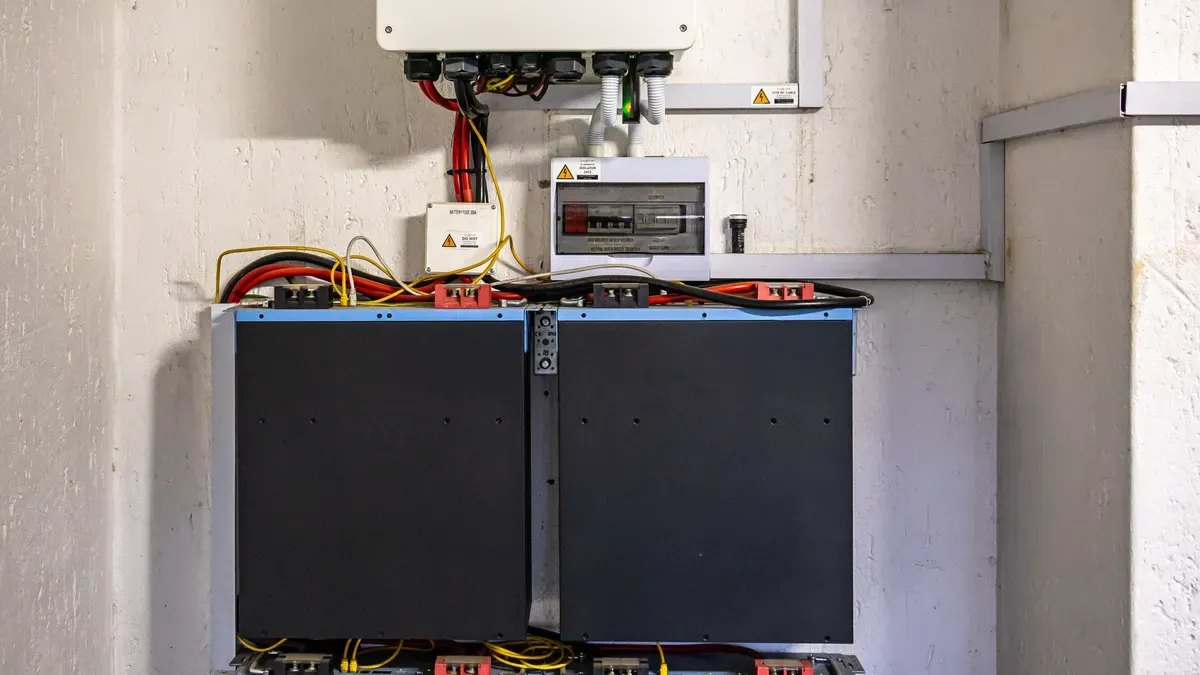
Your network grows. Traffic rises. New sites appear. You need a power platform that scales with you. ESTEL's outdoor cabinets and Telecom Rectifier Systems give you that flexibility. The rack-mount design lets you start small and expand as demand increases.
Modular Expansion for Site Growth
You begin with a compact rectifier shelf for a modest site. As 5G or IoT demand grows, you add modules. The plug-and-play architecture lets technicians add or replace modules quickly. You never disconnect the load. You never interrupt service. This hot-swappable design keeps your network online during upgrades.
Traditional rectifier systems require complete shutdowns for repairs or expansion. That approach costs you uptime. Modular systems reduce downtime significantly. You gain up to 25% downtime reduction compared to full system replacement. Your mean time to repair stays low because module swaps take minutes, not hours.
The same principle applies across your entire footprint. You can deploy identical rectifier modules in outdoor cabinets at remote mountain sites and in urban base stations. Spare parts inventory shrinks. Training simplifies. Your team masters one platform instead of many.
Remote Monitoring and Predictive Maintenance
ESTEL's cloud-based monitoring ties everything together. You see every site from one dashboard. The system tracks voltage, current, temperature, and battery health across all three chemistries. You spot trends before they become failures.
Predictive maintenance changes your cost structure. Proactive maintenance cuts overall maintenance costs by up to 30%. Repair costs drop by up to 40%. Predictive maintenance reduces maintenance costs by as much as 25%. AI-driven predictive maintenance pushes that figure to as much as 30%. Smart monitoring and predictive alerts lower operational costs by up to 20%.
The system's high efficiency—over 96%—reduces energy loss and lowers your operating costs.
These savings compound across a large network. You reduce truck rolls. You replace batteries on schedule, not in emergencies. You allocate staff where they matter most.
Measurable Value | |
|---|---|
Energy cost savings | up to 75% |
Operational cost reduction | up to 30% |
Maintenance cost reduction (predictive maintenance) | up to 40% |
Total cost of ownership reduction (scalable capacity) | up to 25% |
Downtime reduction | up to 50% |
Scalable deployment with ESTEL means you invest once and grow forever. Your power infrastructure adapts to new chemistries, new sites, and new demands without starting over.
ESTEL's Telecom Rectifier Systems give you one intelligent platform for Li-ion, Pb-acid, and flow batteries. You gain seamless switchover, optimal charging, and maximum uptime across every site. The closed-loop control adapts to each chemistry automatically. Your team manages one system instead of three.
You also lower your total cost of ownership. Spare parts inventory shrinks. Training simplifies. The modular design lets you scale as your network grows. Your power infrastructure stays ready for whatever chemistry comes next.
Visit ESTEL's website or contact their team today. Discuss your network's needs. Build a tailored integration strategy that keeps your sites running.
FAQ
How does one rectifier system manage three different battery chemistries?
The system stores distinct charging profiles for Li-ion, Pb-acid, and flow batteries. It identifies the chemistry through BMS communication or configuration. The controller then applies the correct voltage, current limits, and safety protocols automatically.
What happens if the BMS communication fails during charging?
The rectifier includes redundant internal temperature sensors. If the BMS link drops, the system reduces power based on its own measurements. This dual protection prevents overcharge and thermal runaway even without active BMS data.
Why does float voltage need adjustment for lead-acid batteries?
Battery voltage requirements change with temperature. For every 1°C rise above 25°C, float voltage should drop about 3 mV per cell. The rectifier reads a remote temperature sensor and adjusts output automatically. This compensation extends battery life by preventing overcharge.
Does a flow battery need special pump coordination during charging?
Yes. The rectifier must not apply charge current until pumps reach full flow. ESTEL's system signals the pump controller, waits for flow confirmation, then starts charging. This sequence prevents hot spots in the stack and reduces pump wear.
See Also
Powering ESTEL Telecom Cabinets With Advanced Energy Storage Battery Solutions
ESTEL Smart Microgrid Integrated Telecom Cabinet Energy Storage System Explained
Solar Photovoltaic Energy Storage Power Systems For Modern Telecom Cabinets
ESTEL Comprehensive Guide To Risk Analysis For Telecom Cabinet Batteries
Grid Connected Photovoltaic Inverter And Battery Systems For Telecom Cabinets
CALL US DIRECTLY
86-13752765943
3A-8, SHUIWAN 1979 SQUARE (PHASE II), NO.111, TAIZI ROAD,SHUIWAN COMMUNITY, ZHAOSHANG STREET, NANSHAN DISTRICT, SHENZHEN, GUANGDONG, CHINA
