Intelligent Current Sharing Technology Telecom Rectifier System for Multi-Module Parallel Expansion

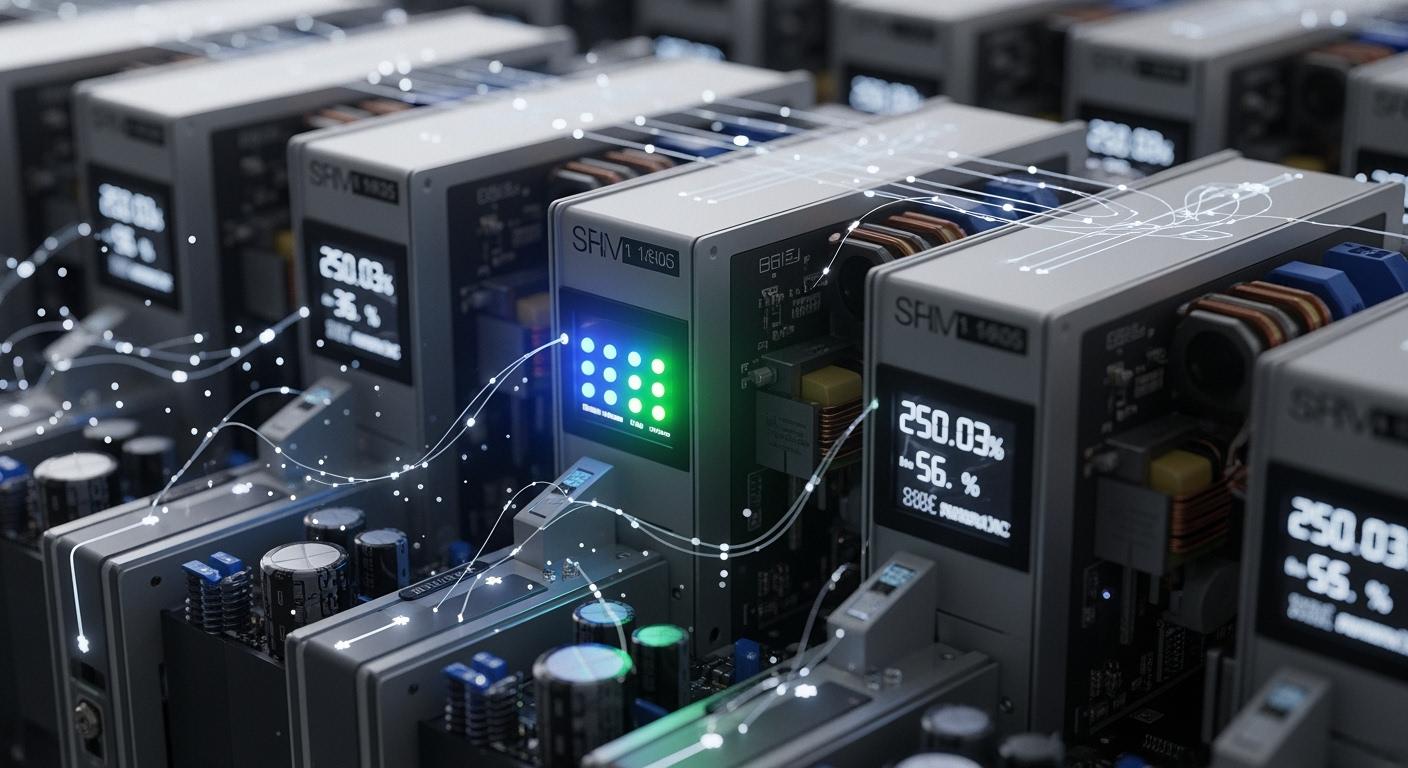
Imagine you manage a growing telecom network and need to add more power modules without risking overload or downtime. Intelligent current sharing technology lets you distribute electrical load evenly across each Telecom Rectifier System module. You avoid hot spots and make your power system safer and more efficient. ESTEL leads in this field with advanced solutions that help you keep your network reliable and ready for expansion.
Key Takeaways
Intelligent current sharing technology balances electrical load across telecom rectifier modules, preventing overloads and enhancing system efficiency.
Active current sharing provides precise load balancing, making it ideal for critical telecom applications and ensuring high reliability.
The modular design of ESTEL’s rectifier system allows for easy expansion and maintenance, enabling seamless addition or replacement of modules without downtime.
Real-time monitoring and control algorithms help maintain system stability, reduce energy costs, and extend the lifespan of each module.
Implement best practices like regular monitoring and using similar rated modules to maximize the benefits of intelligent current sharing in your telecom network.
Intelligent Current Sharing Technology Overview

Core Principles and Types
You need to understand the basics of intelligent current sharing before you can appreciate its impact. This technology uses advanced control methods to balance electrical current across multiple power modules. Each module senses its own output and communicates with others. The system then adjusts the current so that every module carries a fair share of the load.
There are two main types of current sharing:
Active current sharing: Each module uses real-time communication and control algorithms. You get precise load balancing, which is ideal for critical telecom applications.
Passive current sharing: Modules rely on their natural electrical characteristics. This method is simpler but less accurate.
Tip: Active current sharing works best when you want high reliability and efficiency in your power system.
Role in Telecom Rectifier Systems
You see the true value of intelligent current sharing when you use it in a Telecom Rectifier System. These systems often run in parallel with several modules to meet growing power demands. Without current sharing, one module might work harder than others, leading to overheating or failure.
With intelligent current sharing, you ensure that each module in your Telecom Rectifier System operates within safe limits. This technology helps you avoid overloads and extends the life of your equipment. You also make it easier to add or replace modules without disrupting service. As a result, your network stays reliable and ready for future expansion.
You benefit from lower maintenance costs and improved energy efficiency. Intelligent current sharing gives you the confidence to scale your telecom infrastructure smoothly.
Importance for Multi-Module Parallel Expansion
Reliability and Redundancy
You want your telecom power system to keep running, even when one module faces a problem. Intelligent current sharing technology helps you achieve this goal. When you use multiple modules in parallel, each module shares the electrical load. This setup reduces stress on individual units and extends their lifetimes. You also gain operational backup because the system keeps a lower voltage supply active. This reduces the risk of sudden failures during transitions.
Here is a summary of how intelligent current sharing improves redundancy:
Advantage | Explanation |
|---|---|
Extended supply lifetimes | Sharing the load reduces thermal stress, leading to longer lifetimes for each supply. |
Operational backup | The lower voltage supply is always active, reducing the risk of surprise failures during transitions. |
Enhanced efficiency | A load-sharing system can utilize smaller supplies in parallel, improving overall efficiency. |
Smoother recovery | Supply changes are gradual, leading to faster recovery during failures. |
Better conversion efficiency | Two supplies at half capacity are more efficient than one at full capacity. |
You can see that a Telecom Rectifier System with intelligent current sharing gives you a reliable and redundant power solution. You avoid downtime and keep your network stable.
Scalability and Performance
You need a power system that grows with your network. Intelligent current sharing technology makes it easy to add or remove modules as your needs change. You do not have to worry about overloading one part of the system. Each module adjusts its output to match the total demand. This flexibility means you can scale your power system without complex rewiring or long service interruptions.
You also benefit from improved performance. The system balances the workload, so no single module gets too hot or wears out too quickly. You save on maintenance and energy costs. As your network expands, you maintain high efficiency and reliability. Intelligent current sharing ensures your Telecom Rectifier System supports both current needs and future growth.
How Telecom Rectifier System Implements Intelligent Current Sharing
Control Algorithms and Real-Time Adjustment
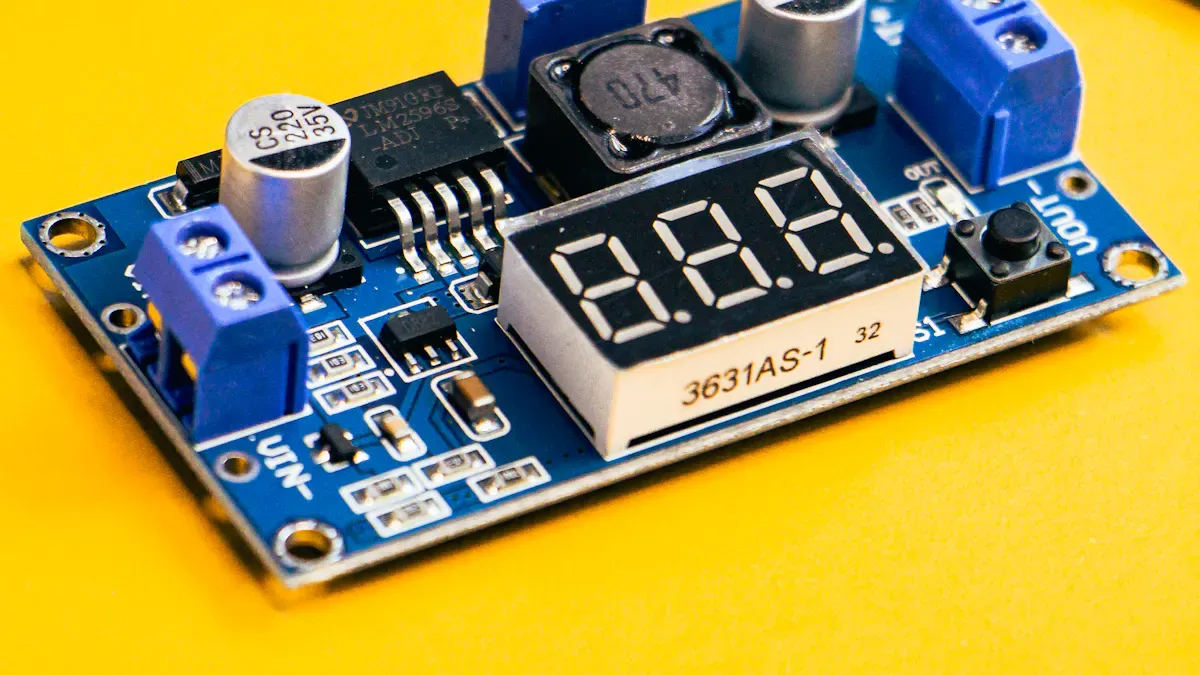
You need a power system that reacts quickly to changes in demand. Intelligent current sharing technology uses advanced control algorithms to make this possible. These algorithms monitor the output of each module and adjust the current in real time. This keeps your system balanced and prevents overloads.
You can see how these mechanisms work through several key strategies:
Dual-loop control schemes use two loops. The outer voltage loop keeps the DC bus voltage at the right level by creating a reference current that matches the load. The inner current loop adjusts the power electronics so the actual current follows this reference.
Feedforward paths help the system predict sudden changes. They act before the feedback loop can respond, which reduces large spikes or drops in current.
Model Predictive Control (MPC) looks ahead. It calculates the best actions for the system over a short period, keeping everything safe and stable during rapid changes.
Supervisory controllers oversee the whole system. They use models to predict how much power you will need and decide when to activate extra modules or use stored energy.
These real-time adjustments mean your Telecom Rectifier System can handle sudden load changes without interruption. You get a stable and efficient power supply, even when your network faces unexpected demands.
Tip: Real-time control keeps your power modules safe and extends their service life.
ESTEL’s Modular System Features
You want a system that grows with your needs. ESTEL’s modular design makes this easy. Each rectifier module supports auto current sharing, which means you can add or remove modules without worrying about uneven loads.
Here is a table that highlights the key features of ESTEL’s modular Telecom Rectifier System:
Feature | Description |
|---|---|
Current Sharing | Enables auto current sharing for parallel operation |
Modular Design | Supports easy expansion and maintenance |
High Efficiency | Reduces energy loss and operating costs |
Hot-Swappable | Allows module replacement without shutting down |
Flexible Input | Works with different voltage sources |
You benefit from seamless parallel expansion. The modular architecture lets you adapt to changing network demands. You can add new modules as your network grows. Hot-swappable modules mean you can perform maintenance without downtime. Auto current sharing ensures each module carries its fair share of the load, which keeps your system stable and efficient.
ESTEL’s Telecom Rectifier System gives you the flexibility to scale your power infrastructure. You maintain balanced current sharing and reliable operation, even as your network expands.
Benefits and Solutions with ESTEL
Efficiency and Maintenance Advantages
You want your telecom power system to run efficiently and require less maintenance. ESTEL’s intelligent current sharing technology helps you achieve both goals. When you use this technology, you reduce energy waste and lower your electricity bills. You also cut down on maintenance costs because the system balances the workload across all modules. This means no single module gets overloaded or overheated.
You can see the operational improvements in several ways:
Improvement Type | Description |
|---|---|
Enhanced Monitoring | Real-time data on power consumption helps you spot and fix inefficiencies quickly. |
Improved Energy Efficiency | The system uses less power, which lowers your electricity costs. |
Better Capacity Planning | You get insights into energy usage, so you can plan for future growth more effectively. |
Increased System Reliability | Load balancing and environmental monitoring reduce the risk of equipment failure. |
You benefit from real-time monitoring. This lets you track power usage and respond to problems before they cause downtime. You also gain better control over your energy budget. For example, some telecom operators have seen a 20% drop in electricity costs after switching to intelligent current sharing. Over five years, you could see up to a 30% reduction in total cost of ownership. These savings come from lower energy bills and less frequent repairs.
ESTEL provides access to advanced PDU technology that changes how you monitor and manage power. Their DC PDUs let you use renewable energy sources like solar and wind, which boosts your energy efficiency even more.
You also make maintenance easier. The modular design allows you to replace or add modules without shutting down the system. Hot-swappable modules mean you can keep your network running while you perform upgrades or repairs. This flexibility keeps your operations smooth and reliable.
Addressing Technical Challenges
You may worry about technical challenges like module mismatch or communication delays. ESTEL’s solutions address these issues with smart design and advanced technology. Each module in the system communicates with others in real time. This ensures that every module shares the load evenly, even if you add new modules or use different types.
You do not have to worry about one module working harder than the rest. The system uses active current sharing algorithms to balance the load. This prevents overheating and extends the life of each module. If a module fails or needs maintenance, the other modules automatically adjust to keep the system stable.
Communication delays can cause problems in some systems. ESTEL’s Telecom Rectifier System uses fast and reliable communication protocols. This keeps all modules in sync and prevents errors. You get a stable and efficient power supply, even as your network grows or changes.
You also benefit from better remote management. ESTEL’s intelligent PDUs let you monitor and control your power system from anywhere. This makes it easier to manage large or distributed networks. You can spot problems early and fix them before they affect your service.
Key advantages you gain with ESTEL’s intelligent current sharing:
Lower energy waste and costs
Easier maintenance and upgrades
Reliable operation during expansion or module replacement
Fast response to technical issues
Better use of renewable energy sources
You can trust ESTEL to deliver a Telecom Rectifier System that meets your needs for efficiency, reliability, and easy management.
Best Practices and Case Example
Deployment Guidelines
You can achieve the best results from intelligent current sharing by following a few key practices. Start by planning your system layout. Place your rectifier modules in a well-ventilated rack. This helps each module stay cool and operate efficiently. Use modules with similar ratings to ensure balanced load sharing. Connect all modules securely to the main DC bus. Check that each connection is tight and free from corrosion.
Monitor your system regularly. Use the built-in monitoring features of ESTEL’s Telecom Rectifier System. Track current, voltage, and temperature for each module. Set alerts for unusual readings. This lets you respond quickly to any issues. Schedule routine maintenance. Replace or clean connectors as needed. Update your system firmware to benefit from the latest control algorithms.
When you expand your system, add new modules one at a time. Let the system adjust and balance the load before adding another. Test the current sharing function after each addition. This ensures that all modules work together smoothly. Train your team on the system’s features. Make sure they know how to use the monitoring tools and respond to alerts.
Tip: Always keep spare modules on hand. You can swap them in quickly if a module fails, keeping your network running without interruption.
ESTEL Application Scenario
You can see the impact of ESTEL’s intelligent current sharing in real-world telecom networks. The table below shows how different operators benefited from deploying ESTEL’s solutions:
Case Study Description | Results | Impact |
|---|---|---|
Rural telecom company | Fewer replacements and less maintenance | |
City telecom provider | 20% energy savings | Thousands saved annually and environmental benefits |
Coastal telecom system | Maintained operation during heavy rain | Connectivity during adverse weather conditions |
You notice that rural operators reduced maintenance by extending battery life. City providers saved energy and money. Coastal systems kept running even in harsh weather. These results show that you can trust ESTEL’s intelligent current sharing to deliver reliable, efficient, and resilient power for your telecom network.
You see how intelligent current sharing technology changes telecom rectifier systems. You gain improved reliability, easy scalability, and better operational efficiency. With modular designs, you upgrade and maintain your network as demand grows. Remote monitoring gives you real-time diagnostics and predictive maintenance. ESTEL leads with innovative solutions that help you build a future-proof power infrastructure. You can expect ongoing advancements as the industry moves toward smarter, more efficient networks.
FAQ
What is intelligent current sharing in telecom rectifier systems?
Intelligent current sharing lets each module in your rectifier system balance its output. You avoid overloads and keep every module working efficiently. This technology helps you maintain a stable and reliable power supply for your telecom network.
How does ESTEL’s modular design help with system expansion?
You can add or remove modules easily with ESTEL’s modular design. The system automatically balances the load. You expand your power capacity without service interruptions or complex rewiring.
Can you replace a module without shutting down the system?
Yes, you can. ESTEL’s hot-swappable modules let you replace or upgrade a module while the system stays online. You keep your network running and avoid costly downtime.
What maintenance does an intelligent current sharing system require?
You should monitor system performance, check connections, and update firmware regularly. ESTEL’s real-time monitoring tools help you spot issues early. You keep your system efficient and reliable with routine checks.
See Also
Telecom Cabinets Powered By Grid-Connected Solar Inverter Systems
Innovative Energy Storage Solutions for Smart Telecom Cabinets
Solar-Powered Energy Storage Systems for Telecom Infrastructure
Ensuring Consistent Power Supply for Telecom Cabinet Operations
Calculating Power Systems and Battery Needs for Telecom Cabinets
CALL US DIRECTLY
86-13752765943
3A-8, SHUIWAN 1979 SQUARE (PHASE II), NO.111, TAIZI ROAD,SHUIWAN COMMUNITY, ZHAOSHANG STREET, NANSHAN DISTRICT, SHENZHEN, GUANGDONG, CHINA
