Modular Expansion of Smart PDUs: Seamless Upgrade for On-Demand Capacity in Telecom Cabinets

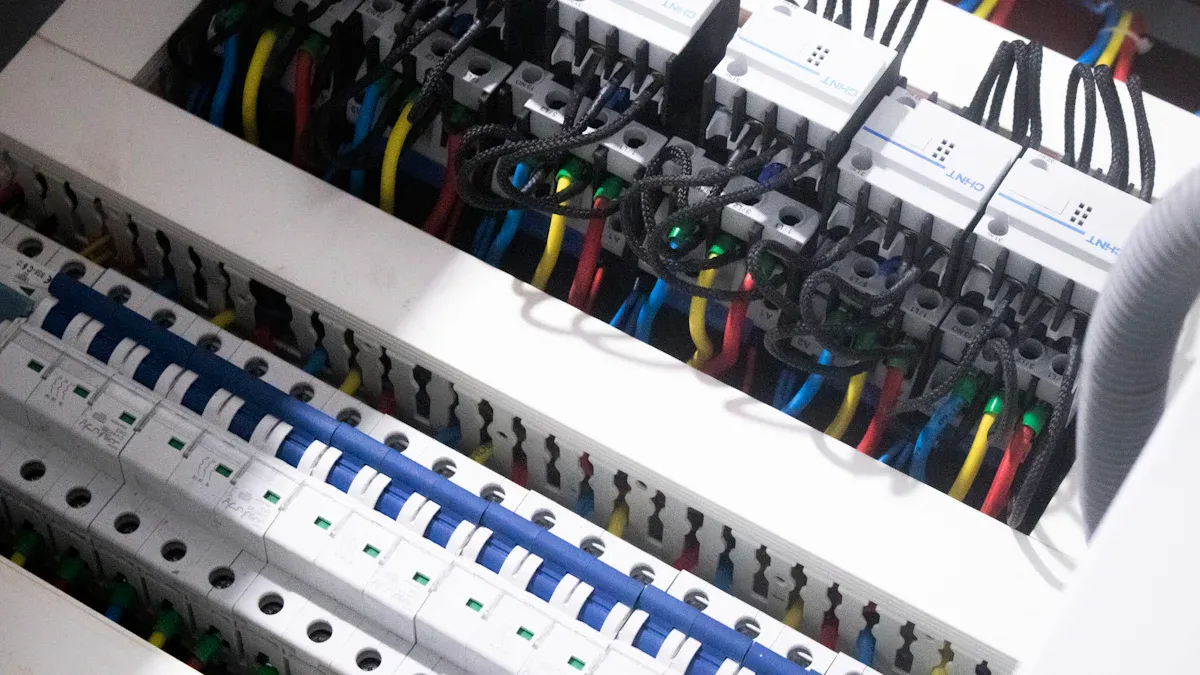
Power demand inside a telecom cabinet rarely follows a neat forecast. It climbs as you add radios, batteries, and monitoring gear, and traditional power distribution unit upgrades leave you two poor choices: replace the whole unit or accept downtime. You face the same squeeze at every site.
Modular smart PDUs solve this. You add power modules as load grows, so capacity rises without a full swap or a service interruption. A smart power distribution unit with a modular design turns expansion into a routine field task. ESTEL's Smart Power Distribution Unit shows how this works in practice. This article explains modular expansion, its cost and scalability benefits, how to compare smart power distribution units, and how to plan upgrades for telecom cabinets.
Key Takeaways
Add power modules as your load grows to avoid replacing the whole unit.
Modular smart PDUs cut downtime and cost by allowing hot-swaps.
Compare options by technical fit, compliance, and total cost of ownership.
Plan your upgrade by calculating load, applying the 80% rule, and reserving headroom.
Choose a smart PDU for remote monitoring and energy savings.
How Smart PDUs Expand Modularly
Building-Block Architecture
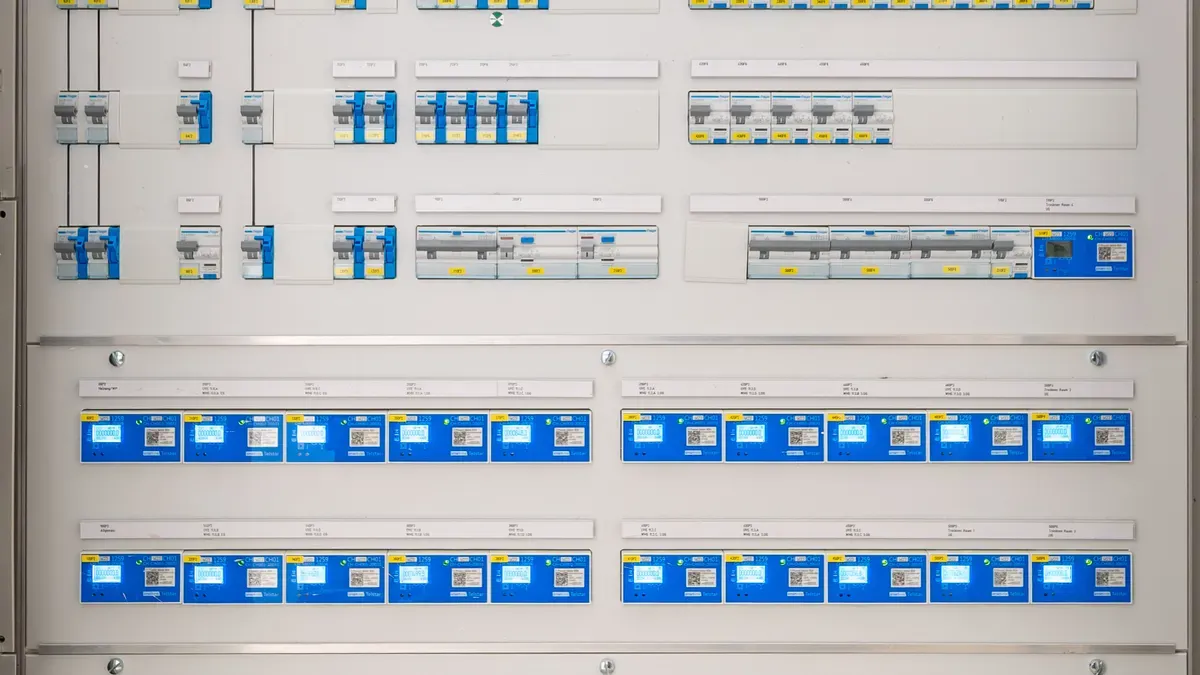
A modular design divides the power system into independent modules. You combine these modules as needed, so the unit grows with your site instead of ahead of it. Each module handles its own share of the load. You add a module when demand rises, and you leave the rest of the system untouched.
This building-block approach changes how you add capacity. You insert an additional power module rather than replacing the entire unit. A smart power distribution unit built this way treats each module as a self-contained block with its own input, protection, and outlet group. The modular and scalable design also supports a hot-swappable monitoring device, so you can upgrade intelligence without pulling the whole power distribution unit.
The modular design pays off in mixed-standard racks. Outlet modules come in regional standards, and you fit the ones your site needs. The table below shows the main options.
Region / Standard | Outlet Module Options |
|---|---|
China | Chinese-type sockets for 10A and 16A configurations |
USA | NEMA-style outlets, standard and lockable |
UK / Europe | UK, France, Germany, Italy, Denmark, Switzerland regional sockets |
Australia | AUS/NZ outlets for 10A and 15A |
Industrial | IEC 60309 for 16A/32A/63A |
IEC | C13, C19, lockable IEC, C14/C20 inputs |
One modular platform can therefore serve global and mixed-standard racks. You also customize color, line cord type and length, outlet layout, plug options, and overcurrent protection. A universal input accepts single-phase and three-phase cords on the same unit.
Hot-Swap and Plug-and-Play
Hot-swap capability lets you replace or add modules without downtime. Live equipment keeps running while you work. Plug-and-play architecture removes the need for tools when you swap or add core components. Plug-and-play RJ45 modules simplify installation and configuration further.
Monitoring follows the same pattern. You reach the unit through SNMP and Redfish, track power status at the outlet level, and connect environmental sensors. Multi-protocol support covers Modbus TCP, BACnet IP, and SNMP v3, so the unit integrates with BMS, EMS, and DCIM platforms. Web interfaces and centralized alert management complete the picture.
Safety features travel with each module. Overload protection, surge suppression, temperature monitoring, and grounding systems sit inside the building-block design. Redundant supplies and static transfer switches add resilience where your site needs it.
This is where scalability becomes practical. Easy expansion means you respond to equipment and capacity changes on site, not through a procurement cycle. Future expansion stays open because the platform accepts more modules later. The same logic serves any telecom cabinet, and it keeps every telecom cabinets deployment ready for the next load increase.
Scalability and Cost Benefits for Telecom Cabinets
On-Demand Capacity Growth
Scalability changes how you build out a site. You deploy in phases and add modules as demand arrives. No major structural change is needed, and the cabinet shell stays as it is. This phased approach suits operators who cannot predict load growth with confidence.
Installation time drops because you fit a module instead of rebuilding a power distribution unit. Maintenance becomes simpler too, since you service one block at a time. Future expansion needs no re-engineering of the cabinet. You keep the same footprint and the same wiring plan. That is scalability and future-proofing in practical terms.
Cost efficiency follows directly. You pay only for the capacity you need now. You avoid the full-unit replacement cost that a traditional upgrade forces on you. A modular smart power distribution unit spreads spending across the site's life instead of concentrating it in one capital event. Future-proof designs also protect earlier investment, because each added module works with the modules already in place.
Less Downtime, Lower Cost
Downtime is the hidden cost of any power upgrade. Modular smart PDUs cut it. Reported results show a 15–25% reduction in downtime, with up to 25% achieved through predictive maintenance. Uptime rises by 20–22%. Maintenance response time improves by 40%, and maintenance workload falls significantly.
Metric / Study Outcome | Reported Improvement |
|---|---|
Reduction in downtime | 15–25% (up to 25% via predictive maintenance) |
Improved uptime | 20–22% increase |
Energy waste reduction | Up to 20–30% |
Cooling cost reduction | 10–15% |
Energy cost avoidance | 28–50% |
Maintenance response time | 40% faster |
Energy efficiency | Up to ~98% |
Carbon emissions | 40% reduction |
Energy savings reinforce the case. One telecom company using intelligent PDUs with outlet-level power monitoring reported a 20% improvement in equipment uptime and significantly reduced maintenance expenses. An Asian data center adopting a 19-inch 8 C13 horizontal IP smart PDU cut energy consumption by 15%. The ESTEL GreenLine series, using real-time monitoring and outlet-level control, supports up to 30% energy savings.
Intelligent power monitoring and control delivers these gains through several mechanisms:
Outlet-level intelligent power management distributes optimal power to each device and prevents waste.
Real-time outlet monitoring tracks consumption per outlet and informs allocation decisions.
Load balancing spreads power evenly, prevents overloads, and cuts waste.
Scheduled power cycling runs equipment only when needed and stabilizes usage patterns.
Environmental monitoring supplies temperature and humidity data for optimal conditions.
Good power management and monitoring therefore pays for itself. Smart power distribution units turn energy data into lower bills and fewer emergency repairs. Plan your upgrades around these savings, and the business case for a smart pdu becomes clear in any telecom cabinet.
Comparing Smart Power Distribution Unit Options
Performance and Application Fit
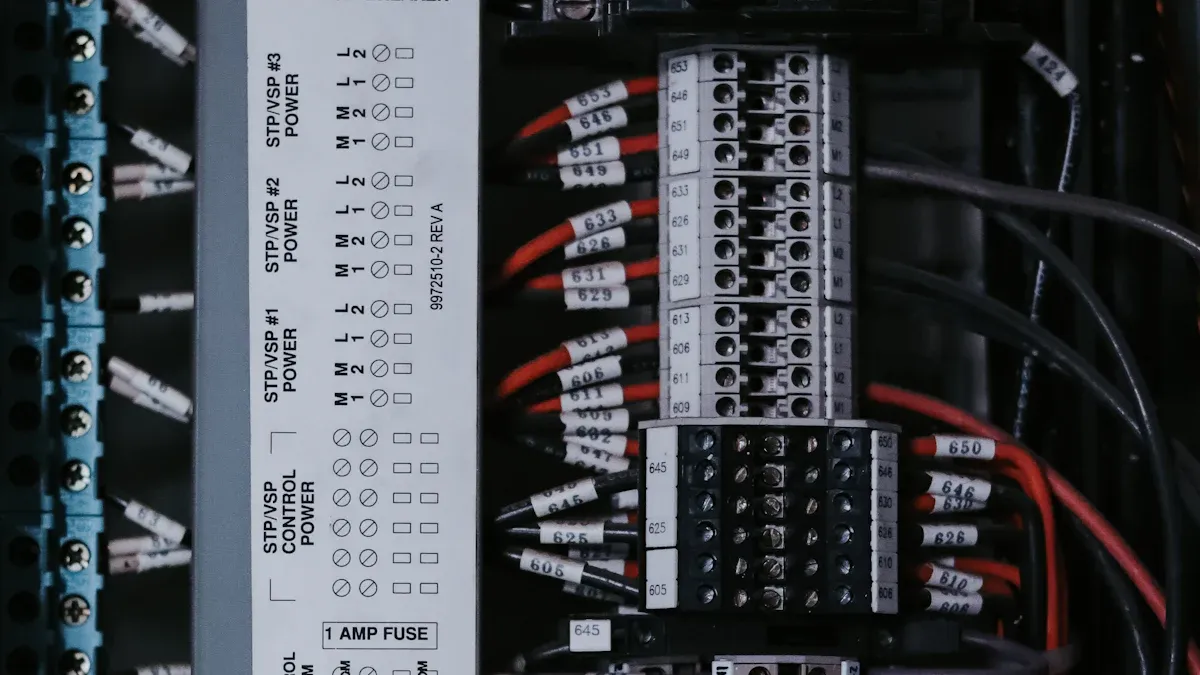
Start with the electrical basics. A smart power distribution unit comes in configurations from 8 to 19 outlets, with a rated voltage and current of 230VAC 32A and a maximum input current of 16A. Match outlet count to device density, then confirm the load capacity covers your peak draw with headroom.
Configuration | Outlet Count | Best Fit |
|---|---|---|
Compact | 8 outlets | Small cabinets with few active devices |
Mid-range | 12–16 outlets | Standard base station sites |
High-density | Up to 19 outlets | Growing sites with dense equipment |
Application fit matters as much as raw numbers. Telecom sites prioritize reliability, remote management, and redundancy, with multi-site control and continuous power. High-density outlet configurations maximize connectable devices for growing setups. Per-outlet power sensing lets you monitor individual outlet usage, optimize energy consumption, and plan expansions. A modular design lets you add or replace components as site conditions evolve. Outlet types tailored to regional standards, plus optional monitoring, surge protection, and filtering modules, adapt one platform to varied environments. Upgradable basic pdus suit stable, low-change sites; full smart power distribution unit solutions fit diverse or frequently changing power requirements.
Compliance and Total Cost
Compliance decides whether an option is even installable. IEC 60309 governs industrial plugs and socket-outlets for higher current and harsh conditions, and its weatherproofing part supports IP-rated connectors. In the U.S., UL 498A listing is required for acceptance under NEC Article 110.2. In the EU, CE marking must reference EN 60309-1. ISO9001 quality control and IP ratings such as IP67 on select models confirm build quality for outdoor telecom cabinets.
Then weigh total cost of ownership, not sticker price. Intelligent PDUs carry a higher upfront price, offset by energy-efficiency and remote-management savings. Budget installation kits and modules alongside hardware, and reserve at least 20% of the PDU budget for unforeseen accessories. Factor in labor savings from simpler maintenance and the extended lifespan that future proof design platforms deliver. Calculate TCO across installation, maintenance, and energy consumption before you commit.
Compare total cost of ownership across every option, balancing cost, reliability, and scalability.
Planning a Smart PDU Upgrade with ESTEL
Assessing Capacity Needs
Start with the load itself. Estimate the actual power draw of every device in the rack, including servers, storage, and networking gear. Check the upstream distribution system next, because the unit must match its voltage, phase, circuit, and current rating. For A/B feed racks, evaluate each power path separately instead of treating the rack as one undifferentiated load.
Then run the numbers in order. Calculate total connected load in watts, convert it to amperage by dividing watts by voltage, and apply the 80% rule: the rated amperage must be at least the calculated load divided by 0.80. Reserve 20–30% headroom beyond current draw to protect future expansion, and confirm the upstream breaker supports the rating you select. Decide on monitoring at this stage too. Choose a smart power distribution unit when you need real-time visibility, energy reporting, or remote power management across many racks.
Deployment and Support
A structured rollout keeps risk low. Follow these steps:
Survey the site and verify input voltage and existing receptacles.
Inventory rack devices to fix outlet type and quantity.
Select modules and confirm circuit, phase, and amperage.
Roll out in phases, configuring devices in batches.
Commission with a no-load test, then loaded tests.
During commissioning, use a MΩ/500V resistance meter to confirm insulation resistance between phases and ground exceeds 0.5MΩ. Only certified workers should perform installation, following the five safety rules for isolation.
ESTEL's Smart Power Distribution Unit supports this work with remote management, LCD real-time monitoring, surge protection, and a dehumidifying function. Its robust construction suits industrial environments and outdoor telecom cabinets. ESTEL assists with planning and smart power distribution unit deployment through installation guidance, technical support, training, and warranty coverage. That support reflects the company's focus on quality, innovation, and customer satisfaction. Plan your upgrades around these services, and each telecom cabinet stays ready for growth.
For expert guidance, contact ESTEL or explore their resources for your next project.
Modular smart PDUs give you a practical path to on-demand capacity. You add modules as load grows, so you avoid full replacement and keep live equipment running. That approach cuts downtime and cost in any telecom cabinet.
Weigh three criteria before you commit: technical fit, compliance, and total cost. Build a total-cost model that covers acquisition, installation, maintenance, and upgrades. Request current test reports and verify the exact model, because a certificate logo alone proves little. Planning before deployment protects your investment.
A smart power distribution unit from ESTEL supports this modular expansion with remote management and real-time monitoring. Contact ESTEL to assess your options and plan a seamless upgrade. Scalability starts with one honest conversation about your load, and a smart power distribution unit built for telecom cabinets keeps every future step simple.
FAQ
How many outlets does a smart power distribution unit offer?
Configurations range from 8 to 19 outlets. Match the count to your device density. A compact cabinet may need only 8, while a dense site benefits from up to 19. Confirm your peak load stays within the rated 230VAC 32A and the 16A maximum input current.
Can you add capacity without shutting down live equipment?
Yes. Hot-swap and plug-and-play design let you insert a module while equipment keeps running. You avoid a full replacement and the downtime it brings. This modular approach suits sites that cannot pause service for an upgrade.
What should you check before sizing a power distribution unit?
Calculate total connected load in watts, convert it to amperage, and apply the 80% rule. Reserve 20–30% headroom for growth. Verify the upstream breaker matches your rating. Confirm the unit fits your telecom cabinet footprint, since the standard enclosure measures 600×450×185mm.
Which standards should a power distribution unit meet?
Look for IEC60309 compliance on the cable plug system, plus ISO9001 quality control from the supplier. Ingress protection ratings matter for outdoor sites. Ask for current test reports and verify the exact model, because a certificate logo alone proves little.
Does a smart power distribution unit reduce energy costs?
Yes. Outlet-level monitoring tracks consumption per device, and load balancing prevents overloads. Real-time data supports scheduled power cycling and better allocation. These features turn energy visibility into lower bills and fewer emergency repairs across your telecom cabinet sites.
See Also
New Developments Shaping Outdoor Telecom Cabinet Designs Today
Understanding Telecom Cabinet Construction and Associated Expenses
Reasons Why Improved Telecom Cabinets Are Essential for 2025
Solar Energy Storage Power Systems Designed for Telecom Cabinets
Exploring ESTEL PDUs and Their Function in Data Center Cabinets
CALL US DIRECTLY
86-13752765943
3A-8, SHUIWAN 1979 SQUARE (PHASE II), NO.111, TAIZI ROAD,SHUIWAN COMMUNITY, ZHAOSHANG STREET, NANSHAN DISTRICT, SHENZHEN, GUANGDONG, CHINA
