How Read-Only Storage Design Secures ESTEL Telecom Rectifier Systems Against Firmware Attacks

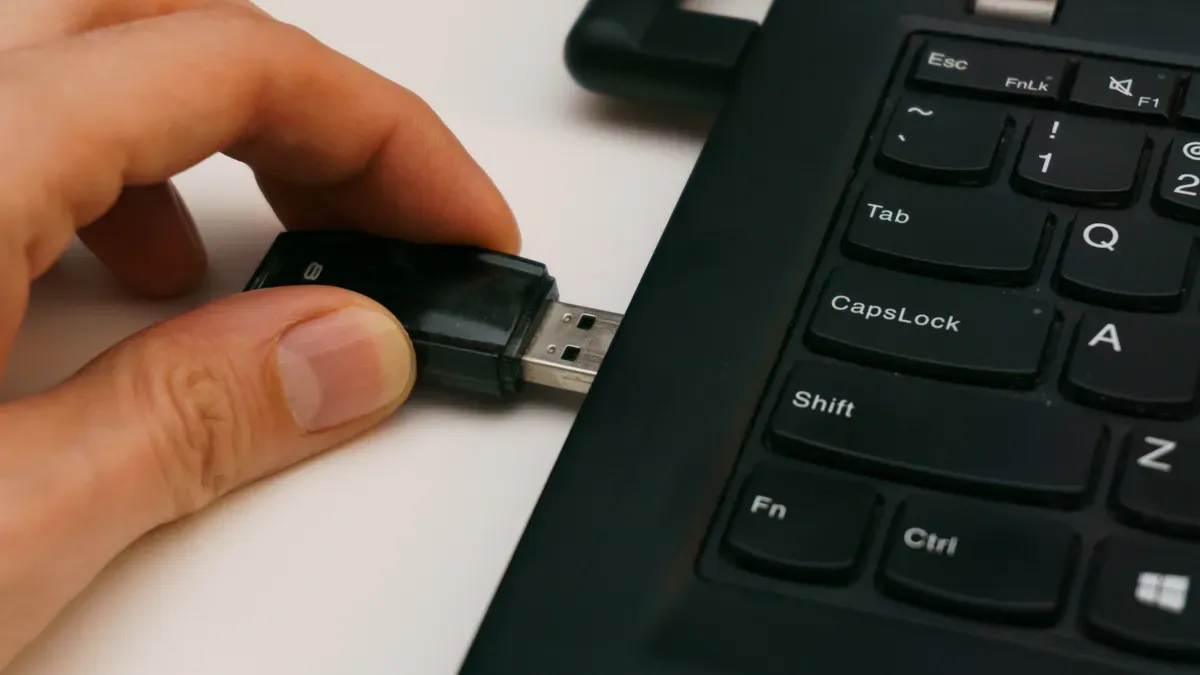
Firmware attacks on telecom power systems are happening more often. Bad code in the firmware runs before the operating system starts. This lets attackers have a secret, unseen advantage. Attackers put in this code using bad firmware files or wrong settings. How can read-only storage design protect ESTEL Telecom Rectifier Systems from these threats? This article explains the way it works step by step. You will learn about ESTEL's layered setup and steps you can use for your network. All this without giving up your ability to update firmware. Read-only storage stops unauthorized code at the hardware level. It makes a strong defense you can trust and put in place. You can count on this design to protect your equipment.
Key Takeaways
Read-only storage blocks firmware attacks right at the hardware level.
Multiple layers of security stop 99.9% of attempts to inject harmful code.
You can still update firmware safely using signed packages.
Regular checks and fast action keep your system secure.
Your rectifier system stays efficient and provides steady output.
Why Telecom Rectifier Systems Face Firmware Attacks
The Pre-Boot Execution Risk
Firmware is stored in non-volatile memory, like ROM, inside your rectifier system. This memory keeps its data even when the power is removed. The firmware runs first when the system starts up. It wakes up the hardware and gets the operating system ready. This happens before any antivirus tool or security software can load.
Attackers like this early window. They hide harmful code in the firmware. The code runs before the OS boots up. Your normal security tools never see it. The system looks fine on the surface. This gives attackers a secret edge. They can stay in control for a long time without being caught.
How Attackers Inject Malicious Code
Attackers use several ways to inject bad code into your equipment. One common way is a harmful firmware image. The attacker tricks an operator into loading a fake update file. Another way involves swapped Secure Boot values. The attacker changes these values to fake a secure boot process. The system then trusts code it should reject. A third way comes from credential-locked or read-only misconfigurations. Weak access controls let an attacker rewrite firmware settings.
Read-only storage design changes this picture. Firmware signing and secure boot processes, enabled by a read-only storage design, can block up to 99.9% of malicious code injection attempts. This number comes from industry reports. The design locks the firmware memory at the hardware level. No runtime process can change it. Attackers lose their main entry point. Your Telecom Rectifier Systems stay protected from unauthorized code changes. This defense works all day and night without your help.
Read-Only Storage Design Explained for ESTEL Systems

What Read-Only Storage Means
Read-only storage keeps firmware in a kind of memory that you cannot change during normal use. The hardware locks this memory at the chip level. No software command can overwrite it while the system runs. Masked ROM is one example. The maker writes data onto the chip during production. After that, the data cannot be changed. This design gives your equipment's core code a fixed, solid base.
ESTEL uses this idea in its Telecom Rectifier Systems. These systems come in modular 6U, 3U, and 2U sizes that fit in a rack. They give a steady DC48V output with efficiency over 96%. The systems fit standard 19-inch racks. Your power gear runs on firmware that stays exactly as it left the factory.
There are several types of read-only memory. Masked ROM stores data when the chip is made. You cannot change it later. Masked ROM is very cheap. Makers use it in devices that run for years without firmware updates. The downside is that no one can change the data on the chip. PROM can be programmed one time. You write data once, and then it stays forever. EPROM can be erased with ultraviolet light, but you need physical access and special tools. These memory types all block unauthorized changes at the hardware level.
Your rectifier systems hold boot instructions and key control code in this protected space. The system reads this code each time it starts up. No outside attack can change these instructions. The code runs exactly as planned. This gives you a known, trustworthy start for every boot cycle.
Security Advantages Over Writable Firmware
Writable firmware is flexible but brings big security risks. Flash memory stores a lot of data and reads fast at low cost. You can erase and rewrite it with electricity. But flash writes data one sector at a time. This makes it slower than EEPROM for small changes. Flash also has a limit on how many times you can write and erase it. EEPROM can erase and rewrite byte by byte. Yet EEPROM also wears out. Typical parts last about 10,000 write-erase cycles. Higher cost and slower writes are other drawbacks for big storage needs.
The main difference is security. Read-only storage stops changes at the hardware level. Attackers cannot put bad code into memory that refuses writes. Writable firmware needs extra safeguards. You have to manage keys for signing. You have to control access to updates. You have to check each update before installing it. Each step makes your job more complex. One mistake can let attackers in.
Read-only storage removes this whole attack area from your system. Your gear does not allow changes to its core code while running. No one can swap in unauthorized code. The firmware memory accepts no writes during normal use. This design blocks 99.9% of injection tries at the hardware level. You do not have to watch this protection. It works automatically every second of every day.
Think about reliability. Read-only memory has no write cycles to wear out. It gives a steady base for boot processes year after year without getting worse. Writable firmware degrades as you near its cycle limit. A system that boots from unchangeable code starts the same way every time. This consistency helps your Telecom Rectifier Systems keep high efficiency and steady DC48V output over their whole life.
ESTEL combines read-only storage with other design features. The secure boot chain checks each stage before it runs. Firmware signing uses cryptographic keys to confirm that code is real. Role-based access controls lock debug ports to stop physical tampering. Together, these layers create a defense that protects your gear without hurting performance. You get the security of unchangeable hardware and the confidence that your power system runs exactly as planned.
ESTEL's Layered Firmware Hardening Architecture

Hardware ROM and Secure Boot Chain
ESTEL builds its defense from the bottom up. The first layer begins with read-only memory built into the hardware. This memory holds the first boot code. The chip locks this code at the factory. No software command can change it afterward. You get a fixed, trusted starting point each time your system turns on.
The secure boot chain adds the next layer. This chain works like a set of checkpoints. Each stage of the boot process checks the next stage before it runs. The hardware ROM checks the first piece of firmware. That firmware then checks the next component. This pattern keeps going until the full system loads. If any stage fails its check, the system stops the boot process. Harmful code never gets a chance to run.
You can think of this chain as a relay race. Each runner must hand a baton to the next. If one runner fails, the race stops. The secure boot chain works the same way. One bad link breaks the whole chain. Your Telecom Rectifier Systems refuse to start with altered code. This design blocks attackers at the earliest possible moment.
Firmware Signing and Access Controls
The second layer uses cryptographic keys to sign firmware. ESTEL signs each firmware release with a private key. The system keeps the matching public key in its read-only memory. During boot, the system checks the signature against this stored key. A valid signature proves the firmware came from ESTEL and no one changed it. An invalid signature stops the boot process right away.
Role-based access controls form the third layer. These controls limit who can reach sensitive system functions. Debug ports stay locked during normal operation. Only authorized personnel with the right credentials can open them. This stops attackers who gain physical access from plugging in a device and rewriting firmware. The system simply rejects unauthorized commands.
ESTEL's outdoor cabinets add a physical layer of protection. These cabinets carry an IP55 rating. They resist dust and water spray from any direction. An anti-corrosion powder coating shields the metal surfaces from rust and chemical damage. This coating also makes the cabinet harder to break into. Your read-only storage sits inside this hardened shell. Attackers need to defeat the cabinet before they can even touch the firmware memory. Most never get that far.
These layers work together as one system. The hardware ROM provides an unchangeable base. The secure boot chain checks each step. Firmware signing confirms authenticity. Access controls lock the doors. The outdoor cabinet guards the physical hardware. No single layer carries the whole burden. Each layer covers the gaps in the others. This layered approach means an attacker must beat every layer at once. That task is nearly impossible. Your equipment stays secure through every boot cycle, every day, in any environment.
Operator Best Practices for Secure Deployment
Integration and Maintenance Steps
You are important in keeping your Telecom Rectifier Systems safe. Begin with a clean setup. Check the firmware signature before you turn on the unit. ESTEL sends each system with a signed firmware image. Compare this signature to the public key in your records. A good match proves the code is real. Reject any unit that fails this check.
Next, turn on secure boot in the system settings. This step starts the boot chain that checks each stage before it runs. Turn on all logging features. These logs record every boot event and mark any failed checks. Review them after each startup.
Limit access on two fronts. Lock the cabinet and control physical keys. Limit network access to trusted management systems only. Use role-based credentials for every user. Change default passwords before setup. These steps close the easy paths attackers use.
Safe Firmware Update Workflows
You can still update firmware without making security weaker. ESTEL uses signed update packages. Each package carries a cryptographic signature from ESTEL. The system checks this signature before it accepts the update. An unsigned or changed package gets rejected. This process keeps your defense strong while allowing legitimate upgrades.
Follow a controlled workflow for every update. Download the package from ESTEL's official channel. Check the hash value against the published record. Plan the update during a maintenance window. Back up your current setup first. Apply the update and watch the boot log for errors. If the system rejects the package, stop and contact ESTEL support.
Integrity monitoring works as your ongoing watchdog. The system checks firmware memory at each boot. Any mismatch triggers an alert. Tamper detection sensors inside the cabinet report physical intrusion attempts. You receive these alerts through your management platform. Act on every alert quickly. This habit keeps your Telecom Rectifier Systems secure over years of service.
You now see how read-only storage, firmware signing, secure boot, and access controls build one layered defense. Each layer blocks malicious code injection at a different point. Together, they leave attackers almost no path into your power equipment.
Read-only storage design gives ESTEL Telecom Rectifier Systems their strongest shield. Immutable firmware can block up to 99.9% of injection attempts. That protection runs every second without your help.
Strong security does not cost you update capability. Signed, controlled update workflows let you install legitimate firmware safely. You keep your systems current and protected at the same time.
Stay vigilant across your whole power fleet. Check boot logs, watch tamper alerts, and apply updates on schedule. Consistent habits keep your network secure for years.
FAQ
Can you update firmware on a system with read-only storage?
Yes. ESTEL uses update packages that are signed. The system checks each signature before it accepts the update. A package that is unsigned or changed gets rejected. This workflow lets you install real upgrades while keeping the read-only protection active.
What happens if an attacker tries to load a fake firmware image?
The secure boot chain stops the process. Each boot stage checks the next one before it runs. A bad signature breaks the chain. The system refuses to start with altered code. Your equipment stays safe.
Does read-only storage slow down your rectifier system?
No. Read-only memory has no write cycles to wear out. It gives a steady base for boot processes year after year. Your system keeps its DC48V output and efficiency above 96% without any performance loss.
How do ESTEL's outdoor cabinets protect the firmware?
The cabinets carry an IP55 rating. They resist dust and water spray. An anti-corrosion powder coating shields the metal. Attackers must break through this physical shell before they can touch the read-only storage inside.
What should you do if you receive a tamper alert?
Act quickly. Check the boot log for failed signature checks. Verify the cabinet has no physical damage. Contact ESTEL support if the alert repeats. Fast action keeps your power fleet secure.
See Also
Complete Guide To Analyzing Risks In Telecom Battery Cabinets
Safety Framework For Custom ESTEL Outdoor Telecom Cabinets
Power Storage Batteries Designed For ESTEL Telecom Cabinets
Intelligent Microgrid Integrated Telecom Cabinet Energy Storage Solution
Structural Engineering Design Specifications For ESTEL Telecom Cabinets
CALL US DIRECTLY
86-13752765943
3A-8, SHUIWAN 1979 SQUARE (PHASE II), NO.111, TAIZI ROAD,SHUIWAN COMMUNITY, ZHAOSHANG STREET, NANSHAN DISTRICT, SHENZHEN, GUANGDONG, CHINA
