How Smart PDUs Deliver Precise Micro-Power Supply for 5G Small Cells in Telecom Cabinets

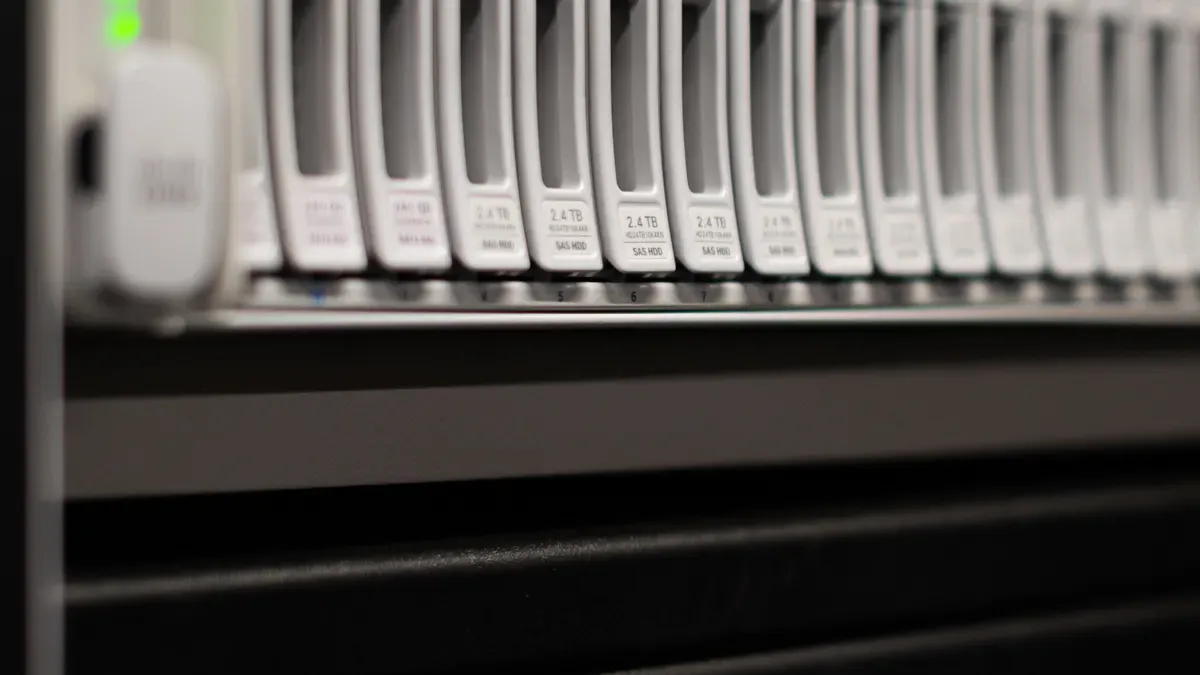
A smart pdu delivers precise micro-power supply through three linked capabilities: real-time monitoring of each outlet, dynamic voltage and current regulation, and remote management. Together, these functions let you match power delivery to the actual draw of every connected radio.
5G small cells make that precision essential. These dense, low-power radios pack computation-heavy loads into cabinets with limited space and thermal headroom, and simulation results show computation accounts for more than 50% of total energy consumed at 5G small cell base stations. Fixed-output distribution cannot see or adjust to that load profile.
You will learn the technical methods behind precise delivery, the reliability and cost benefits, the fit inside 48V rectifier cabinets, and how smart units compare with traditional PDUs.
Key Takeaways
Smart PDUs monitor each outlet in real time. You see exactly how much power each 5G radio uses.
Smart PDUs adjust voltage and current automatically. This keeps power steady as radio loads change.
Remote management lets you check and reset equipment from your desk. You avoid unnecessary site visits.
Smart PDUs protect against power spikes and moisture. This keeps your 5G network running reliably.
Smart PDUs cost more upfront but save money over time. Fewer site visits and longer equipment life pay you back.
Why 5G Small Cells Need Micro-Power
Power profile of small cells
5G small cells are low-power, short-range base stations. They offload macro cells and add capacity in dense areas such as transit hubs, stadiums, and city streets. Each unit draws modest power on its own. A cluster of them, however, creates a load pattern that shifts constantly as traffic rises and falls.
Computation dominates that load. Simulation results show computation consumes more than 50% of total energy at 5G small cell base stations. You therefore cannot treat power delivery as a fixed utility. Precise management of each radio's draw directly affects uptime and efficiency across the 5G network. As 5G networks densify, these loads multiply, and every wasted watt compounds across the site.
Limits of conventional distribution
Conventional distribution delivers fixed output. It offers no per-radio visibility, so you cannot see which unit is drawing more current or running hotter. It also provides no remote adjustment. A load change means a site visit, not a settings change.
These limits matter less on simple sites with steady loads. Traditional PDUs still fit those cases well. Precision-demanding 5G infrastructure is different. Dense 5G network equipment and other 5G telecom equipment reward granular control, and fixed distribution leaves that control on the table. The gap widens as 5G networks scale and 5G network capacity demands grow.
How Smart PDUs Deliver Precise Power
Real-time monitoring and control
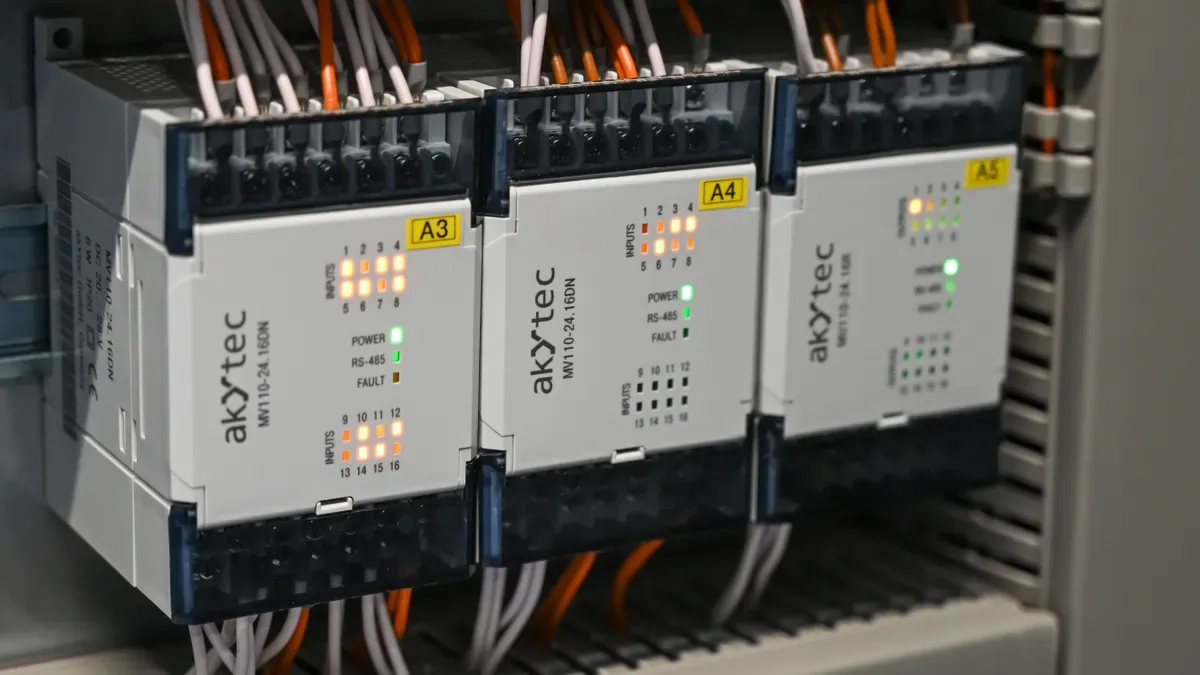
A smart pdu sees what a fixed unit cannot. It measures voltage, current, and load at each outlet, so you know exactly how much each radio draws at any moment. That visibility turns guesswork into data.
The monitoring stack typically includes:
Real-time current and voltage per outlet
Programmable trip curves
Event logging
Remote reset
A compact footprint for shallow cabinets
Granularity varies by model. Some units report per-outlet current only. Others add per-outlet voltage, power, and energy in kWh. Per-outlet voltage helps you spot cabling losses during troubleshooting. Energy data matters for billing and capacity planning.
An Intelligent PDU monitors per-outlet load in real time, enabling automatic non-critical load shedding if the generator approaches capacity.
Dynamic adjustment follows the same logic. When one radio's draw climbs, the unit rebalances delivery instead of letting a shared feed sag. You match supply to actual demand, outlet by outlet.
48V DC regulation and remote management
Small cell radios run on 48V DC, and rectifier-fed cabinets convert AC to a stable 48VDC power output. Regulation keeps that rail steady as loads swing. A stable 48V output protects radio uptime during traffic peaks and rectifier transitions.
Remote management completes the loop. A network interface, typically SNMP or Modbus, gives you per-outlet visibility through a DCIM platform. Intelligent models add environmental sensors, two-factor authentication, and LTE out-of-band management. That last feature lets you reboot equipment after storms or fiber cuts without a truck roll.
An Intelligent PDU (also marketed as Smart PDU) goes further: it integrates environmental sensors, supports two-factor authentication for remote access, and feeds structured data into broader Electrical Load Management workflows.
ESTEL's Smart Power Distribution Unit fits this role. It accepts a 16A maximum input and comes in configurations from 8 to 19 outlets. An LCD display shows conditions at the rack. Remote management, surge protection, and a dehumidifying function keep 48V power supply systems dependable in unattended cabinets. The plug system complies with IEC60309.
Benefits for 5G Small Cell Sites
Reliability and efficiency
Outdoor wireless infrastructure faces transient electrical events such as lightning surges and power-system disturbances. These events can damage sensitive electronics and take a working site offline. Surge protection built into the power path shields your radios from voltage spikes. It keeps the network operating while protecting expensive assets.
A smart unit adds three layers of defense to a 5G cabinet:
Surge protection that absorbs voltage spikes from lightning or grid fluctuations
Per-outlet monitoring that flags an abnormal draw before a radio fails
A dehumidifying function that keeps moisture away from sensitive boards
Efficiency follows the same principle. Matching supply to actual load reduces waste at every outlet. Remote management then cuts truck rolls, because you reset a tripped circuit or check a load reading from a desk instead of driving to the site. Backup power options such as battery or UPS systems maintain uptime during outages, and together these features meet 5G uptime expectations.
Cost and operational savings
Fewer site visits translate directly into lower operating cost. Each avoided dispatch saves fuel, labor hours, and scheduling overhead. Longer equipment life compounds the gain, because protected radios and dry cabinets fail less often.
Better energy accountability rounds out the case. Per-outlet data shows where power goes across your 5g telecom equipment, so you can plan capacity with evidence instead of estimates. That visibility supports denser 5g network equipment deployments without overbuilding the power side. As 5g networks grow, these savings scale with every cabinet you add. Operators building out 5g networks and 5g network capacity benefit most when power data feeds directly into planning. A 5g network built on measured load data runs leaner than one sized on assumptions.
Fit in 48V Telecom Rectifier Cabinets
Space, thermal, and installation
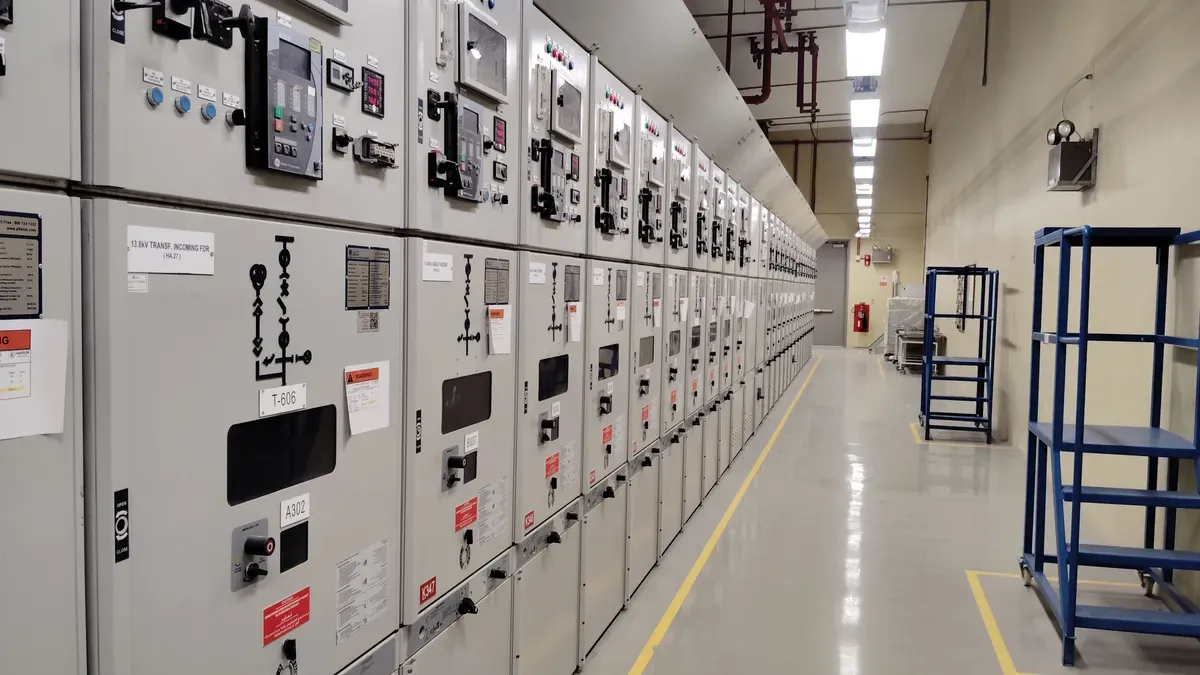
A 48v telecom rectifier cabinet leaves little room for error. Floor space is tight, cable routes are short, and every component competes for airflow. A smart PDU earns its place here because it measures 600×450×185 mm (W × H × D). That compact frame slides into shallow racks without crowding the radios beside it.
Installation stays simple. The flat plug seats against the cabinet wall, and the IEC60309 plug system gives you a standard connection point. You spend minutes on mounting, not hours on rewiring. Heat and humidity control then protect the investment. The dehumidifying function pulls moisture away from 48vdc terminals, and surge protection guards the 48vdc rail against grid spikes. Together they keep reliable power in telecom cabinets through summer heat and winter condensation.
Pairing with rectifiers and batteries
A smart PDU works best as one layer of a complete 48v power supply. Rectifier modules convert AC into a stable 48vdc power rail, and the PDU distributes that 48vdc to each radio with per-outlet control. Add lithium iron phosphate batteries, and you gain battery backup for outages. The chain holds: rectifiers feed the 48vdc bus, batteries hold it up, and the PDU meters it out.
ESTEL supplies the full chain. The portfolio includes outdoor telecom cabinets, IP55 base station cabinets with rectifier systems, telecom rectifier systems, and lithium iron phosphate batteries for energy storage. You can source the telecom cabinet power supply as one integrated package. That matters as 5g networks densify. Integrated 48vdc systems support cellular radio controls and absorb changing infrastructure needs without a cabinet redesign. For 5g small cell rollouts, this pairing turns a 48v telecom rectifier cabinet into a managed power node rather than a passive box.
Smart PDU vs. Traditional PDU
Performance and application fit
The two options differ most in monitoring granularity and remote control. A traditional unit distributes power and little else. A smart pdu measures load, reports conditions, and lets you act from a distance. The table below summarizes the gap.
Capability | Basic/Traditional PDU | Smart/Intelligent PDU |
|---|---|---|
Basic load measurement | Usually not available | Available |
Real-time monitoring | Not supported | Supported |
Outlet-level monitoring | Not supported | Model-dependent |
Remote outlet control | Not supported | Model-dependent |
Alerts | Not supported | Supported |
Environmental sensors | Not supported | Model-dependent |
Network connectivity | Not supported | Supported |
DCIM integration | Limited | Common on advanced models |
Application fit follows the same split. Traditional power distribution units suit simple, low-control sites with steady loads. Smart pdus suit precision-demanding small cells deployments, where each radio's draw shifts and remote adjustment saves a site visit. Metered, switched, and managed tiers let you scale control to the site. A metered unit gives rack-level visibility. A switched unit adds remote on/off. A managed unit adds sensors, alerts, and DCIM integration.
Compliance and cost
Both options can meet international standards. The IEC60309 plug system gives you a standardized connection point, and ISO9001 certification confirms quality management across production. ESTEL products meet ISO9001, and its Smart Power Distribution Unit uses an IEC60309-compliant plug system. Compliance matters most in 48v cabinets, where a standard plug and a certified build simplify inspection and spare-part planning.
Total cost of ownership tells the fuller story. A traditional unit costs less up front. A smart unit costs more initially, then recovers the difference through fewer truck rolls, longer equipment life, and measured energy data. On a simple site with stable load, the traditional unit wins on cost. On a dense 5g site, the smart unit's remote reset and per-outlet data pay back quickly.
Where each fits best is clear. Choose traditional distribution for simple, low-control sites. Choose smart distribution for precision-demanding 5g small cell deployments. In 48vdc systems, the smart option also supports 48vdc monitoring and -48vdc branch visibility, which helps you plan capacity across a growing 5g network. For 48v power supply systems feeding dense radios, that visibility turns a passive cabinet into a managed node. As 5g networks scale, the smart choice scales with them. A 48v power supply built on measured data serves a 5g network better than one sized on assumptions. Both options remain valid; the site's control needs decide.
Smart PDUs deliver precise micro-power supply for 5g through per-outlet monitoring, dynamic regulation, and remote control. That combination matches the low-power, high-density nature of 5g small cells. You gain reliability, efficiency, and lower cost. Each 48v telecom rectifier cabinet becomes a managed node. A second 48v telecom rectifier cabinet scales. Inside every telecom rectifier 48v cabinet, it meters 48vdc to each radio. A second telecom rectifier 48v cabinet follows. These 48vdc systems keep 5g visible down to the -48vdc branch. Traditional PDUs suit simple sites. Smart units fit precision-demanding small cells deployments. As 5g networks scale, 5g infrastructure rewards smart management. ESTEL supplies the 48v power supply for your 5g network, helping 5g networks grow.
FAQ
What makes a smart PDU precise for 5g small cells?
It monitors each outlet in real time and adjusts delivery to match each 5g radio's draw. That precision suits dense 5g small cells, where computation drives most of the load. You see voltage, current, and load per outlet. On 5g sites, this 5g visibility supports 5g planning.
Does a smart PDU regulate 48v DC output for 5g radios?
Yes. It distributes a stable 48v rail from rectifier-fed cabinets to each 5g radio. Regulation holds that 48v steady as loads swing. You get dependable 48vdc delivery, and the 48vdc branch stays visible. These 48vdc systems also support -48vdc monitoring.
How does it fit inside a 48v telecom rectifier cabinet for 5g sites?
The unit measures 600×450×185 mm, so it slides into shallow racks. A flat plug and an IEC60309-compliant connection simplify mounting. Surge protection and a dehumidifying function guard the 48vdc rail. You can pair it with 48v rectifiers and lithium iron phosphate batteries for 5g sites.
How does a smart PDU compare with a traditional PDU?
Traditional units deliver fixed output and suit simple, low-control sites. Smart units add per-outlet monitoring, remote reset, and dynamic regulation. Precision-demanding 5g small cell sites reward that control. Both options remain valid for 5g rollouts; your site's control needs decide.
Can remote management reduce site visits on 5g networks?
Yes. You check load readings and reset tripped circuits from a desk. That cuts truck rolls across 5g networks. Per-outlet data also supports planning as 5g traffic grows, and it keeps -48vdc branch visibility in view across your 48vdc plant. These 48vdc systems scale with your 5g rollout.
See Also
Ways to Guarantee Consistent Power for Telecom Cabinet Operations
Solar Energy Storage Power Systems Designed for Telecom Cabinets
Why Lithium Batteries Beat Other Options in Telecom Cabinets
ESTEL Smart Microgrid Energy Storage System for Telecom Cabinets
CALL US DIRECTLY
86-13752765943
3A-8, SHUIWAN 1979 SQUARE (PHASE II), NO.111, TAIZI ROAD,SHUIWAN COMMUNITY, ZHAOSHANG STREET, NANSHAN DISTRICT, SHENZHEN, GUANGDONG, CHINA
