How Smart PDUs Prevent Misoperation with Physical Keys and Software Confirmation Double Insurance


Smart PDUs use physical keys plus software confirmation as double insurance against misoperation. This design protects uptime and equipment safety when every second of power continuity counts. You know the risk: one wrong switch or one wrong command can take down critical loads. A single layer of protection cannot cover both human error and unauthorized access. A smart PDU therefore enforces both layers independently. Smart PDUs turn this principle into a working safeguard. Each layer works in its own way, and together they close the gaps that either one leaves open. You will see how each layer works, how they combine, and where each fits best.
Key Takeaways
Smart PDUs use two independent checks to stop mistakes and keep power on.
A physical key proves an authorized person is at the rack before any power change.
Software confirmation asks you to approve each command, preventing accidental actions.
Both layers must be present; if one is missing, the operation stops and loads stay safe.
This double insurance reduces downtime and makes power management more reliable.
Why Smart PDUs Need Double Insurance
PDU Misoperation Risks
You face several common paths to misoperation in a power distribution setup. An operator may switch the wrong outlet and cut power to a live server. An unauthorized user may log in through a weak credential and issue commands. Someone may trigger an accidental cycle command during routine work. A mislabeled rack can also send a technician to the wrong cabinet entirely. Each scenario is small on its own. Each one can still take down critical loads in seconds.
These risks share one trait: they arrive through different doors. Some come from human hands at the cabinet. Others come from remote sessions and shared credentials. A smart PDU must therefore watch both the physical and the logical side of every action. That is where double insurance earns its place.
Limits of Single-Layer Protection
One layer of protection covers only part of the risk. A physical key alone cannot stop a wrong command from an authorized user. The right person holds the key, turns it, and still selects the wrong outlet. Software confirmation alone cannot stop unauthorized physical access. Someone with cabinet access can unplug a cord or press a local button before any confirmation screen appears.
Neither layer is weak. Each one simply addresses a different threat. A key proves presence and authority at the hardware. Software confirmation proves intent at the command level. You need both proofs before power changes state. Smart PDUs combine them so that a mistake in one layer does not become an outage. This pairing supports proactive fault prevention rather than reaction after failure. It also lowers downtime risk in any data center or remote site.
Physical Key Layer: Hardware Authorization
Key-Based Access Control
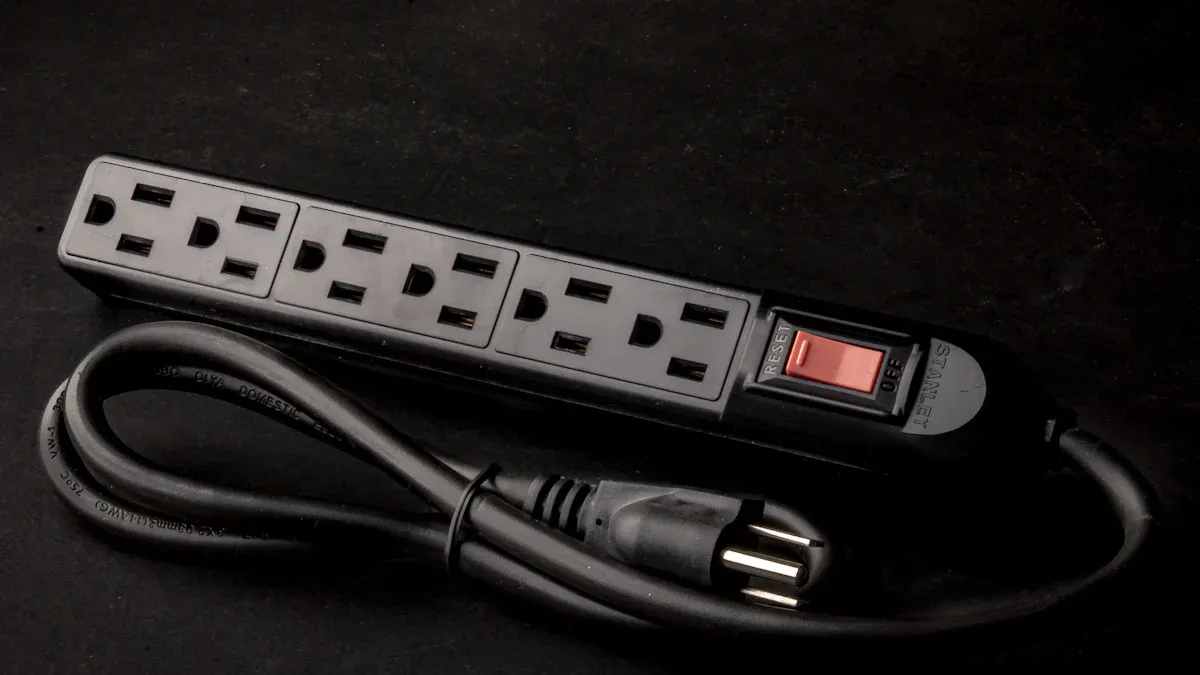
The physical key layer puts a hardware gate before every power operation. A key switch or keyed lock must be present and turned before the unit enables any switching action. You insert the key, rotate it, and only then does the control circuit allow a command to proceed. Without that turn, the front panel and remote interface stay locked out of power changes. This key-based access control proves presence and authority at the cabinet itself.
This approach mirrors physical security measures you trust. Intelligent door locks guard server rooms, and anti-theft locks protect outdoor cabinets. ESTEL outdoor cabinets use anti-theft locks for exactly this reason. The same logic applies to smart power distribution. A smart PDU treats the key as proof that an authorized person stands at the cabinet. That proof cannot travel over a network, and no credential can fake it. This smart hardware check costs little and returns a lot.
Technical Implementation and Fail-Safe
The fail-safe behavior matters most. With no key inserted, the PDU stays in a safe, non-operable state. Power continues to flow to loads, yet no one can switch a single outlet on or off. Each outlet keeps its current state until the key turns. The smart unit defaults to protection, not convenience. You lose no uptime, and you gain a hard stop against accidental changes.
ESTEL builds this layer into its smart PDUs as a standard hardware feature. The intelligent PDU family adds a keyed front-panel lock. These PDUs also support power control through the software layer. The keyed lock on these PDUs works alongside that layer, so the two checks never depend on each other. A lost key cannot expose the command set, and a stolen password cannot bypass the lock. This smart design keeps switched PDUs predictable in high-traffic sites. Teams that run many PDUs value this consistency, and remote sites with few PDUs benefit equally. Remote management teams appreciate that certainty. For any data center or remote site, the rule stays simple: no key, no change.
Smart PDU Software Confirmation

Controlled Command Approval
The software layer adds a deliberate pause before any power change. You issue a command, and the smart PDU asks you to approve it explicitly. Nothing executes until you confirm. This step stops accidental commands, such as a stray click on the wrong outlet or a mistyped cycle request.
This confirmation also supports remote outlet control. You can switch a socket from a browser, and the interface still requires your explicit approval. The same rule applies to outlet-level remote control on switched PDUs with outlet metering. A smart PDU therefore keeps intent visible at the moment of action. That visibility matters in any data center, where one wrong command can cascade.
Cybersecurity and Remote Management
This smart layer also guards the login path. Network-connected smart PDUs include an embedded firewall that defends against DDoS attacks. Login credential limits for multiple clients block brute-force attempts. Inactive sessions time out, so an unattended terminal cannot become an open door. Strong authentication completes the picture.
Security Feature | Description |
|---|---|
Configurable firewall | Controls inbound and outbound traffic |
Strong password policy | Sets minimum length and complexity |
Password history | Prevents reuse of old passwords |
Password expiration | Forces periodic refresh |
Secure Boot | Blocks boot sector viruses and rootkits |
Granular permissions | User and group level rules |
Remote management ties these features together. You reach the unit over a network interface or serial connection. An LCD shows real-time current, voltage, and power factor. You set alerts before an overload trips a breaker. One management interface covers the whole fleet of PDUs, which simplifies control across many PDUs. Smart PDUs in a large data center also support central management, so teams track every rack from one management platform.
ESTEL's Smart Power Distribution Unit shows this design in practice.
Specification | Value |
|---|---|
Maximum input current | 16 A |
Socket count | 8 to 19 |
Surge protection | Included |
Dehumidifying function | Included |
The intelligent PDU family from ESTEL pairs this layer with the physical key. Each ipdu supports remote outlet control and clear status views. The unit also includes surge protection for hardware safety. Operators gain full command of every action on switched PDUs without standing at the rack.
How Smart PDUs Integrate Double Insurance
Combined Workflow
The two layers form one sequence, and every power change follows it. You turn the physical key at the cabinet. The unit unlocks its command set. You then issue the command through the interface. The smart PDU presents a confirmation prompt. You approve the action explicitly. Only then does the outlet change state.
This order matters. The key proves an authorized person stands at the rack. The confirmation proves that person intends this exact action. Neither proof replaces the other. A technician with the key still cannot skip the prompt. A remote operator with valid credentials still cannot act without the key. Smart PDUs enforce the sequence on every operation, including controlled power sequencing across multiple outlets. You gain a repeatable path for routine work and a hard stop for mistakes.
Fail-Safe When One Layer Is Missing
The design assumes incomplete conditions will happen. If either layer is missing, the operation does not proceed. No key means the unit stays in its safe, non-operable state. Power keeps flowing to loads, and no outlet changes state. A confirmed command without the key goes nowhere. A turned key without confirmation also stops at the prompt. The unit waits, and the load stays protected.
This fail-safe logic extends to partial conditions. An expired session, a failed login, or an interrupted confirmation all end the same way: no execution. Smart PDUs default to protection, so an incomplete action never becomes an outage. Your team can plan maintenance around this certainty. Alerts flag unusual attempts, and management reviews the log afterward.
ESTEL's Smart Power Distribution Unit shows this double-insurance design in one unit. The keyed front panel gates every power operation. The software layer adds explicit approval and remote outlet control for authorized users. The unit also includes surge protection and a dehumidifying function, so hardware safety and environmental stability sit alongside the access safeguards. Teams running many PDUs in a data center can apply the same workflow across every rack. Each smart unit follows the same rule: key, command, confirmation, execution. That consistency makes training simple and audits straightforward. The double-insurance approach turns two independent checks into one dependable habit for your operators.
Smart Power Distribution: Performance and Fit
Where Each Layer Fits Best
Each layer suits a different environment. Physical keys fit high-security sites best. A colocation cage, a government facility, or a remote cabinet on a mountain road all benefit from a hardware gate at the rack. The key proves that an authorized person stands at the cabinet. Software confirmation fits remote operations best. Your team can approve a command from a browser, and the smart PDU still pauses for explicit consent. Remote outlet control stays safe because the prompt catches a stray click.
Neither layer wins outright. A rack-mounted power distribution unit in a busy data center needs both. The key stops a visitor at the aisle. The confirmation stops a tired engineer at 3 a.m. Smart pdus combine the two strengths, and each layer covers the other's blind spot. That balance makes the design practical for mixed sites.
Compliance, Reliability, and Cost
Compliance backs the hardware. The manufacturer obtained ISO 9001:2015 quality system certification in 2016. Production processes satisfy international standards including CCC, CB, ROHS, CE, VDE, GS, UL, and ETL. Every product undergoes full testing for polarity, insulation resistance, high-voltage dielectric strength, function, and thermal aging. The IEC 60309 standard defines industrial plugs and couplers for high-current use, with physical keying to prevent cross-connection. Surge protection adds another layer of hardware safety.
Standard | Category | Relevance |
|---|---|---|
ISO 9001 | Quality management | Mature manufacturing process |
IEC 60309 | Connector standard | Industrial high-current plugs |
UL / CE | Safety approval | Market access and safety |
Reliability comes from fault tolerance. A dual power PDU accepts two independent AC inputs and routes power intelligently. Internal transfer logic switches to backup automatically.
Automatic Transfer Switch (ATS) PDU: monitors input voltage and frequency; switches to backup within 10–16ms if primary fails.
Double insurance cuts downtime and maintenance cost. Fewer wrong commands mean fewer service calls. Your smart pdu fleet runs longer between interventions, and the total cost of ownership falls.
The physical key and software confirmation layers work as one system. The key proves an authorized person stands at the rack. The confirmation proves that person intends this exact action. Together they make misoperation far less likely, and each layer covers the other's blind spot.
When you evaluate smart PDUs, check that a unit enforces both layers independently. Ask whether the key gates every power operation and whether the software prompts for explicit approval. ESTEL offers this double-insurance approach across its smart PDU line. That design protects uptime and equipment in any data center, and it turns two simple checks into a dependable habit for your team.
FAQ
Why do pdus need two independent checks?
One check covers one risk. A key stops unauthorized physical access. Software confirmation stops a wrong command from an authorized user. Smart pdus enforce both, so a mistake in one layer never reaches your loads.
How does the key layer work on a smart pdu?
You insert and turn the key before any power operation. Without it, your pdus stay non-operable and every outlet keeps its state. This hardware gate proves an authorized person stands at the rack.
What does software confirmation add to a smart pdu?
The interface pauses and asks you to approve each command. Nothing executes until you confirm. Embedded firewalls and login limits guard the path, and one management interface covers remote control across your pdus and every outlet.
Where does a smart pdu fit best?
High-security sites gain from the key. Remote teams gain from confirmation. A data center needs both. A smart pdu combines them, and each pdu keeps outlet state safe when a layer is missing. Central management ties your pdus together across every rack.
Can I skip one layer on some pdus?
No. Pdus default to protection. A missing key or an unconfirmed command stops the operation. Units without both checks leave a gap. Choose a smart pdu that enforces each layer independently, and review your pdus after any incident.
See Also
Effective Methods to Enhance Anti-Theft Features for Communication Cabinets
Professional Advice for Protecting Communication Cabinets in Dangerous Locations
Understanding ESTEL PDUs and Their Function in Data Center Enclosures
Ways to Protect Outdoor Communication Cabinets Against Vandalism
CALL US DIRECTLY
86-13752765943
3A-8, SHUIWAN 1979 SQUARE (PHASE II), NO.111, TAIZI ROAD,SHUIWAN COMMUNITY, ZHAOSHANG STREET, NANSHAN DISTRICT, SHENZHEN, GUANGDONG, CHINA
