Modular Parallel Architecture Telecom Power System for Elastic Power Supply in Distributed Base Stations


You need a power solution that adapts to changing network demands. Modular parallel architecture gives you elastic, reliable, and scalable power for distributed base stations. ESTEL leads the field with advanced innovation and strict quality standards. You can count on improved uptime, quick adaptation to load changes, and better operational efficiency. Modularity and parallelism help you meet unpredictable power needs with confidence. The Telecom Power System supports your network’s growth and stability.
Key Takeaways
Modular parallel architecture allows you to easily add or remove power modules, adapting to changing network demands without replacing the entire system.
This system enhances reliability by allowing continued operation during maintenance, ensuring your network stays online even in tough conditions.
Real-time monitoring and predictive analytics help prevent outages, improving service quality and network availability.
Using modular designs reduces maintenance costs and downtime, leading to long-term savings and efficient operations.
Integrating renewable energy sources with ESTEL’s systems supports sustainability while boosting energy independence and efficiency.
Modular Parallel Architecture Overview
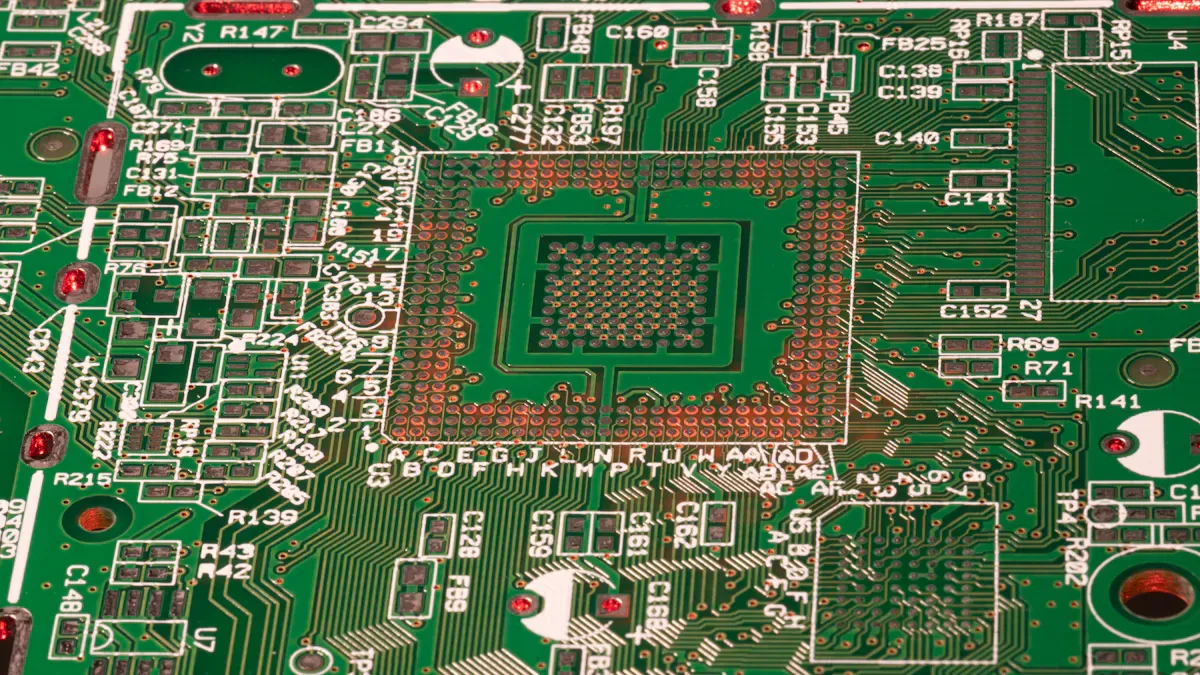
Principles of Modularity and Parallelism
You can think of modularity as building with blocks. Each block works on its own, but together, they create a strong system. In a Telecom Power System, modularity means you can add or remove power modules based on your needs. Parallelism lets these modules work side by side. This setup gives you flexibility. If one module needs maintenance, the others keep running. You do not have to shut down the whole system. This approach increases reliability and makes it easy to expand your network.
Scalability for Distributed Base Stations
Distributed base stations often face changing power demands. You need a solution that grows with your network. Modular parallel architecture lets you scale your Telecom Power System quickly. You can add more modules as your site expands. This method saves time and money. You do not need to replace the entire system when your needs change. The industry supports this trend because it boosts energy efficiency, improves maintenance, and supports green initiatives.
Here is a quick look at industry trends that drive the adoption of modular parallel architecture:
Trend Description | Benefits |
|---|---|
Increasing energy efficiency requirements | Overall conversion efficiency reaches 96%–98%, saving operators 3,000–5,000 RMB per site annually. |
Modular systems allow for quick replacement of faulty modules and real-time monitoring, improving O&M efficiency by over 80%. | |
Emphasis on green power supply initiatives | Integration of lithium battery storage and solar PV interfaces supports the green transformation of infrastructure. |
ESTEL’s Approach to Modular Power Systems
You benefit from ESTEL’s focus on robust construction and reliability. Their Telecom Power System stands out in tough environments. You get essential safety features like overload protection, which shields your equipment from electrical surges. The compact design fits easily into standard racks, saving space. High capacity means you can power multiple devices at once. Installation and operation stay simple, even if you are new to telecom equipment. ESTEL’s modular power systems help you keep your network running smoothly and efficiently.
Elastic Power Supply Needs in Telecom
Challenges in Distributed Base Stations
You face unique challenges when managing power for distributed base stations. These sites often operate in remote or harsh environments, making them vulnerable to unexpected events. The table below highlights the main challenges you may encounter:
Challenge Type | Description |
|---|---|
Vulnerability to Natural Disasters | Increasing frequency of extreme natural disasters exposes the weaknesses in distribution networks. |
Energy Resource Coordination | Need for coordinated optimization of energy resources, including 5G base stations and energy storage. |
Critical Load Loss Reduction | Proposed strategies reduce critical load loss by 84.6% during extreme conditions. |
Economic Loss Mitigation | Economic losses decreased by 76.9% through coordinated operations. |
Comprehensive Objective Improvement | Overall objective improved by 89.1% by integrating mobile energy storage with 5G base stations. |
You must address these issues to ensure your network remains reliable and cost-effective.
Importance of Elasticity for Network Reliability
Elasticity in your power supply means you can adapt quickly to changing demands. This flexibility helps you maintain high network reliability. You benefit from advanced power monitoring systems that boost your Network Availability Rate (NAR). Real-time monitoring of power parameters helps you prevent outages caused by voltage fluctuations or battery failures. Predictive analytics can alert you to early signs of power system problems, so you can act before issues grow. Integration with network management systems allows you to take corrective actions fast, improving your service quality. Partnerships between telecom operators and utility providers, along with clear service agreements, also help you avoid delays in power acquisition and maintenance. Hybrid power systems further support uptime, especially during environmental disruptions.
Real-World Scenarios in Telecom
Imagine a rural base station hit by a severe storm. You need a Telecom Power System that can switch to backup energy sources instantly. In urban areas, sudden spikes in data usage require your power system to scale up without delay. You might also face planned maintenance or unexpected equipment failures. In each case, an elastic power supply ensures your network stays online. You keep your customers connected, even when conditions change rapidly.
Telecom Power System Design and Features
Key Components and Specifications
You need a power system that adapts to your network’s demands. ESTEL’s Telecom Power System and Telecom Rectifier System use modular designs that let you add or remove modules as your needs change. This flexibility supports both small and large base stations. You can rely on redundant modules to keep your network running, even if one module fails. The systems use robust thermal protection and surge immunity to protect your equipment from overheating and voltage spikes.
Here is a table that summarizes the main components and features:
Component/Feature | Description |
|---|---|
Modular Designs | Add or remove modules for easy upgrades and maintenance. |
Redundant Modules | Ensure continuous service during module failure. |
Flexible Setups | Support N+1 or parallel configurations for changing requirements. |
Thermal Protection | Prevent overheating and safeguard equipment. |
Surge Immunity | Protect against voltage spikes for reliable operation. |
Operate reliably in unstable grid conditions (90–300 Vac, 220/380VAC). | |
Maintain stable temperatures and reduce energy use. | |
Compliance Standards | Meet UL, CE, IEC, and ISO safety and reliability standards. |
You benefit from natural cooling, which keeps the system quiet and energy-efficient. This feature reduces maintenance and lowers operational costs. The systems fit standard 19-inch racks or cabinets, making installation simple and space-efficient. You can use these systems in harsh environments, knowing they meet strict international standards.
Advanced Control and Monitoring
You need to monitor your power system in real time. ESTEL’s Telecom Power System includes advanced control and monitoring features that give you instant access to data from any location. Remote monitoring lets you check system status and performance without being on-site. Predictive analytics help you forecast power needs and optimize distribution, so you can prevent outages before they happen.
The following table highlights the main control and monitoring capabilities:
Feature | Description |
|---|---|
Remote Monitoring | Access data instantly from any location. |
Predictive Analytics | Forecast power needs and optimize distribution. |
Automation | Intelligent PDUs adjust power settings dynamically. |
Enhanced Reliability | Prevent interruptions and ensure consistent performance. |
Energy Efficiency | Reduce waste and lower operational costs. |
Scalability | Support infrastructure growth without disruptions. |
You can integrate sensors in your telecom cabinet for real-time monitoring of temperature, humidity, and power distribution. These insights help you improve operational performance and energy efficiency. Automation features adjust power settings as your network load changes, keeping your system reliable and efficient.
Integration with ESTEL Solutions
You want your power system to work seamlessly with your existing infrastructure. ESTEL’s Telecom Power System and Telecom Rectifier System offer easy integration with distributed base stations. You should confirm that your equipment meets industry voltage and power standards for compatibility. Regular checks help you balance loads and extend equipment lifespan. Routine maintenance, such as inspecting physical components and monitoring performance metrics, keeps your system running smoothly.
Follow these steps for effective integration:
Confirm compatibility between your base station and ESTEL’s solutions.
Schedule regular load balancing checks.
Perform routine maintenance and monitor key metrics.
Troubleshoot issues using real-time monitoring data.
Plan for future growth by evaluating current power loads and space.
Choose modular PDUs for flexibility and easy upgrades.
You may face challenges when integrating modular parallel architecture into older telecom networks. Traditional systems often rely on manual processes and lack automation. You can overcome these challenges by using ESTEL’s advanced control features and planning for gradual upgrades. Real-time monitoring and automation help bridge the gap between legacy systems and modern infrastructure.
You gain a reliable, scalable, and efficient power supply for your distributed base stations. The modular design, wide input voltage range, and natural cooling all support elastic power supply and easy integration, helping you keep your network online and ready for future demands.
Benefits and Implementation Strategies
Uptime and Service Continuity
You need your network to stay online, no matter what happens. Modular parallel architecture gives you strong uptime and service continuity. Redundant modules keep your system running, even if one part fails. Hot-swappable modules let you replace faulty units without shutting down the system. Distributed load sharing means the system keeps working during maintenance or unexpected issues. Many telecom operators have achieved 99.999% system availability with this approach. The table below shows how these features support your network:
Feature | Benefit |
|---|---|
Redundant architecture | Ensures continuous operation without downtime, using N+1 or N+2 setups. |
Hot-swappable modules | Allows you to replace modules while the system stays operational. |
Distributed load sharing | Prevents interruptions during maintenance or failures. |
Achieved system availability | Demonstrates 99.999% uptime for high service continuity. |
You can trust this architecture to keep your distributed base stations online, even during upgrades or repairs.
Cost Efficiency and Maintenance
You want to save money and reduce maintenance headaches. Modular parallel architecture helps you do both. You can reuse components across different projects, which lowers development costs. Isolated updates mean you only need to fix or upgrade one module at a time. This approach avoids delays and extra costs. Organized systems reduce technical debt and prevent unexpected bugs. Maintenance becomes easier because a fix in one module can improve the whole system. The table below explains these benefits:
Benefit | Description |
|---|---|
Cost Efficiency | Reuse components to lower development costs. |
Faster Updates | Update modules without system-wide delays or extra costs. |
Reduced Technical Debt | Organized design prevents long-term maintenance issues. |
Simplified Maintenance | Fixes in one module help the entire system, reducing downtime. |
You also gain long-term savings. Quick component replacement reduces downtime. Hot-swappable modules lower the mean-time-to-repair. Right-sizing your system and minimizing running costs lead to a lower total cost of ownership.
Tip: Modular systems help you control costs and keep your network reliable for years.
Deployment Best Practices
You want your deployment to go smoothly. Follow these best practices to get the most from your modular parallel architecture:
Evaluate your current infrastructure and identify essential features for integration.
Check compatibility with existing systems, smart PDUs, and environmental sensors.
Set up secure network configurations and select communication protocols like SNMP or MQTT.
Configure the system to collect telemetry from sensors and visualize key metrics for proactive management.
Assess power needs for each telecom cabinet.
Confirm energy efficiency and monitoring features meet requirements.
Check compliance with safety standards, including surge protection and circuit isolation.
Implement remote power control at the outlet level for flexibility.
Use clear naming conventions for PDUs and outlets to simplify management.
Ensure strong network security for all connected devices.
Schedule regular load balancing checks to optimize performance.
Perform routine maintenance to keep the system reliable.
You should also plan for future growth. Measure your current power loads and leave room for expansion. Use modular PDUs for easy upgrades. Always keep your network secure and monitor performance regularly.
Note: Careful planning and regular checks help you avoid problems and keep your Telecom Power System running at its best.
Case Example: ESTEL in Action
Imagine you manage a network of distributed base stations in a region with frequent storms. You choose ESTEL’s modular parallel architecture for your power system. When a module fails during a storm, you swap it out without shutting down the site. Your network stays online, and your customers never notice a problem. You reuse modules across different sites, saving money on new equipment. You monitor all your sites remotely, using real-time data to spot issues before they cause outages.
You also support environmental sustainability. Modular systems optimize energy use, which lowers your operational costs. You minimize electronic waste by upgrading only the parts you need. The longer lifespan of your equipment reduces your carbon footprint. These benefits help you meet both business and environmental goals.
The table below shows how you can measure your return on investment after deploying modular parallel architecture:
Factor | Description |
|---|---|
High-priority systems justify greater investment in redundancy. | |
Service Level Agreements (SLAs) | Strict uptime requirements support robust redundancy. |
Risk Assessment | Identifying failure points helps determine the right redundancy level. |
Budget Constraints | Balancing redundancy with available funds is essential. |
Growth and Scalability | Planning for expansion can improve long-term ROI. |
You see improved uptime, lower costs, easier maintenance, and a greener network. ESTEL’s solutions help you build a future-proof telecom infrastructure.
You can solve elastic power supply challenges in distributed base stations with ESTEL’s modular parallel architecture. The system gives you easy upgrades, stable performance, and lower energy costs. See how the main benefits compare:
Aspect | Evidence |
|---|---|
Scalability | You can upgrade without replacing the whole system. |
Reliability | You get stable power, even in tough conditions. |
Efficiency | Advanced technology cuts energy loss and saves money. |
Choose ESTEL’s solutions to future-proof your network. You gain high energy efficiency, low maintenance, and seamless integration with modern equipment. Integrating renewable energy sources boosts your energy independence.
FAQ
What makes ESTEL’s modular power systems suitable for distributed base stations?
You get flexible, scalable solutions. You can add or remove modules as your network grows. The system fits standard racks and cabinets. You can trust it to work in harsh environments.
How do you maintain ESTEL’s Telecom Power System?
You perform routine checks on modules and connections. You monitor system status using remote tools. You replace faulty modules without shutting down the system. This approach keeps your network reliable and reduces downtime.
Can you integrate renewable energy sources with ESTEL’s power systems?
Yes. You can connect solar panels or lithium batteries. The system supports green energy initiatives. You improve energy efficiency and reduce operational costs.
What input voltage ranges do ESTEL’s systems support?
You can use a wide AC input voltage range from 90 to 300 Vac. The rectifier system also supports 220VAC and 380VAC. This flexibility ensures stable operation in different regions.
See Also
Innovative Energy Storage Solutions for Telecom Cabinet Systems
Integrated Solar Inverter and Battery Solutions for Telecom Cabinets
Calculating Power Systems and Battery Needs for Telecom Cabinets
Strategies for Maintaining Reliable Power in Telecom Cabinets
CALL US DIRECTLY
86-13752765943
3A-8, SHUIWAN 1979 SQUARE (PHASE II), NO.111, TAIZI ROAD,SHUIWAN COMMUNITY, ZHAOSHANG STREET, NANSHAN DISTRICT, SHENZHEN, GUANGDONG, CHINA
