How Telecom Power Systems Keep Intelligent Traffic Signals Running 24/7 Without Interruption


Telecom power systems keep intelligent traffic signals running 24/7 by combining intelligent power management, battery backup, and remote monitoring and control into one coordinated supply chain. You depend on these systems every time you drive through busy intersections. A dark signal means collisions, congestion, and delayed emergency response. Power continuity is a public safety requirement, not a convenience.
Cities now demand 24/7 power supply solutions that never fail. This article explains the components, architecture, features, and smart-traffic integration that make uninterrupted power possible for traffic signals and other critical roadside equipment.
Key Takeaways
Telecom power systems keep traffic signals running 24/7 with smart power management and battery backup.
Battery banks switch to backup power in milliseconds during outages, so signals never go dark.
Remote monitoring gives real-time alerts and control, helping you fix problems before they cause downtime.
Modular design lets you add power capacity as your intersection grows, protecting your investment.
Uninterrupted signals mean safer roads, less congestion, and lower maintenance costs for your city.
Core Components of Telecom Power Systems
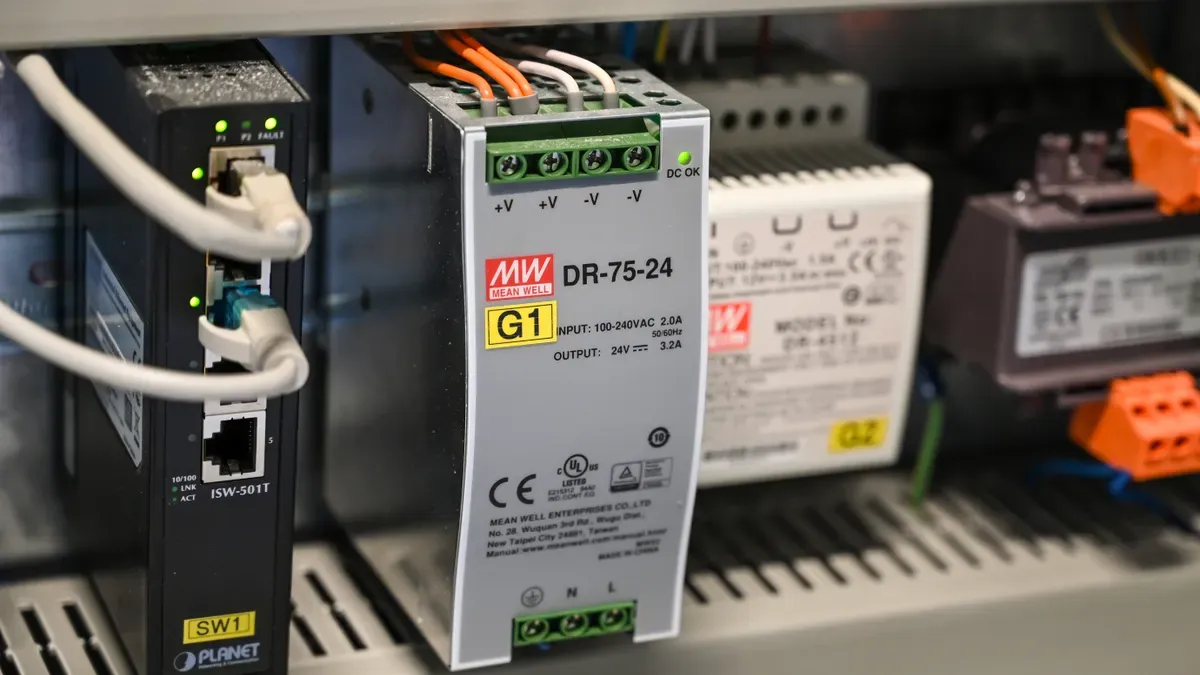
A reliable traffic signal power supply depends on several core components working together. Each part plays a specific role in maintaining continuous power.
Core Component | Function |
|---|---|
Intelligent Power Management System | Integrates power sources, conditions incoming power, and provides redundancy |
Battery Banks | Store energy for outages and reduce service loss |
Rectifiers | Deliver stable DC voltage for signal controllers |
Automatic Failover Mechanism | Switches power sources during main power failure |
Remote Monitoring and Control | Provides real-time alerts and centralized control |
Power Distribution and Load Balancing | Handles wide input ranges and prevents overheating |
Cabinet and Rack Design | Protects equipment in harsh outdoor conditions |
Intelligent Power Management
Intelligent power management systems coordinate every part of the power chain. These systems integrate utility AC, solar panels, batteries, and generators into one unified supply. UPS units condition incoming power and provide redundancy. This architecture ensures that your traffic signals receive steady, clean electricity at all times.
The telecom rectifier system converts AC power into stable DC output. Modular rectifiers allow easy expansion as your intersection grows. A DC48V output provides the essential voltage that signal controllers need to operate. Power distribution and load balancing deliver electricity evenly across all connected devices. This prevents overheating and extends equipment life.
Adaptive power management adjusts power delivery based on real-time traffic needs. The system prioritizes critical devices like signal controllers and cameras during limited power conditions. Modern battery backup units employ several techniques to optimize energy efficiency. UPS technology enables instant detection of power loss and seamless switching to backup mode. Intelligent monitoring features allow you to track battery health and receive alerts for maintenance or faults.
Backup Systems for Traffic Signals
Backup systems for traffic signals rely on battery banks that switch from utility to battery power automatically. You will not notice any interruption at the intersection. The automatic failover mechanism handles this switch without manual intervention.
Engineered solutions can sustain a standard four-legged intersection for 15–20 hours. Many configurations often last more than nine hours. Extended runtime capabilities exceed nine hours on a single battery module pack. Fast recovery times ensure batteries recharge quickly once power restoration occurs.
Advanced battery technologies improve performance in extreme conditions. Nickel-Zinc batteries offer high energy density, longer cycle life, and quicker recharge times compared to lead-acid batteries. Graphene-based supercapacitors provide ultra-fast response and up to one million charge and discharge cycles. These components operate across a wide temperature range with no derating.
Econolite's battery back-up power systems and UPS solutions incorporate cutting-edge technologies like NiZn batteries, Graphene-based supercapacitors, and highly efficient traffic cabinet solutions that support a variety of off-grid power sources, including solar. Their systems offer modular, scalable, and hot-swappable designs, seamless integration with Smart City infrastructure, and environmentally responsible components. By integrating the UPS system with Centracs ATMS, cities gain system monitoring, control, configuration, management, and report generation capabilities through an interactive user dashboard, with specific triggers set for power failures and restoration.
These backup power strategies protect your intersections from dark signals. The reliability of your traffic signals directly affects public safety. A well-designed backup system keeps traffic flowing and emergency vehicles moving.
Intelligent Traffic Signal Power Supply Architecture
The outdoor cabinet is the physical backbone of power systems at busy intersections. You will find it near the curb, exposed to rain, road spray, heat, and vibration. Its design determines whether the electronics inside survive years of harsh roadside conditions.
Cabinet and Power Distribution
A traffic signal cabinet must protect its contents from more than just weather. It also guards against dust, pests, condensation, and vandalism. The table shows common enclosure ratings and materials used for roadside installations.
Specification | Harsh-roadside capability |
|---|---|
NEMA 3R | Rain and sleet protection for general outdoor roadside enclosures |
NEMA 4 | Protection against windblown dust, rain, and hose-directed water |
NEMA 4X | Corrosion-resistant protection for coastal highways and road-salt environments |
IP55/IP66 | Internationally recognized dust-tight and water-resistant ratings |
Galvanized steel with powder coating | Cost-effective strength, impact protection, and corrosion resistance |
Marine-grade aluminum | Lightweight, corrosion-resistant option for coastal and high-humidity sites |
Foamed-in-place polyurethane gaskets | Long-lasting watertight sealing that helps achieve IP66 protection |
Thermal management matters just as much as ingress protection. Thermostatically controlled heaters, outdoor-rated AC units, and filtered ventilation maintain an acceptable internal temperature range for power electronics and battery banks. Sun shielding and north/east-side siting minimize direct solar heat gain.
Power flows through the cabinet in a clear sequence:
Utility voltage enters from a small 240V single-phase distribution transformer, with one 120V leg powering the cabinet.
Surge suppression squelches transients and sub-cycle voltage excursions.
A UPS provides backup during brief interruptions.
The traffic signal controller, the primary load, provides all timing and switching logic.
The Malfunction Management Unit (MMU) detects conflicting signals and locks the intersection into a safe mode until manually reset.
Network routers, motion sensors, and video camera servers draw power from the same internal distribution network.
Telecom Power System Integration
Telecom power systems fit into this architecture. The system supports a wide AC input voltage range from 90 to 300 Vac, so it tolerates fluctuating utility power without dropping your traffic signals. It uses natural cooling, eliminating the need for fans or air conditioners. Installation is flexible: you can mount it on a standard 19-inch rack or inside the cabinet.
The system's specifications match the demands of modern intersections. It delivers stable DC48V output. That capacity feeds signal controllers, sensors, and communication gear through the same distribution network. Multiple communication ports connect the unit to central traffic management systems.
The telecom rectifier system converts incoming AC into regulated DC for continuous operation. Its rectifiers work in parallel to share load and provide redundancy. This stable voltage supply keeps the signals operating without flicker or interruption. The system's backup batteries take over seamlessly during an outage. You can add rectifier modules or battery capacity as the intersection grows. This scalability provides reliable power delivery today and room for tomorrow's cameras, V2X equipment, and adaptive control hardware.
Together, the weatherproof cabinet, surge protection, and smart power architecture create an intelligent traffic signal power supply you can trust. Every component works as one coordinated chain: the cabinet shields the electronics, the power system conditions the input, and the distribution network feeds every device on site. That coordinated chain keeps traffic signals green, yellow, and red on schedule — through storms, heat waves, and utility failures alike.
7×24h Uninterrupted Power Features and Benefits
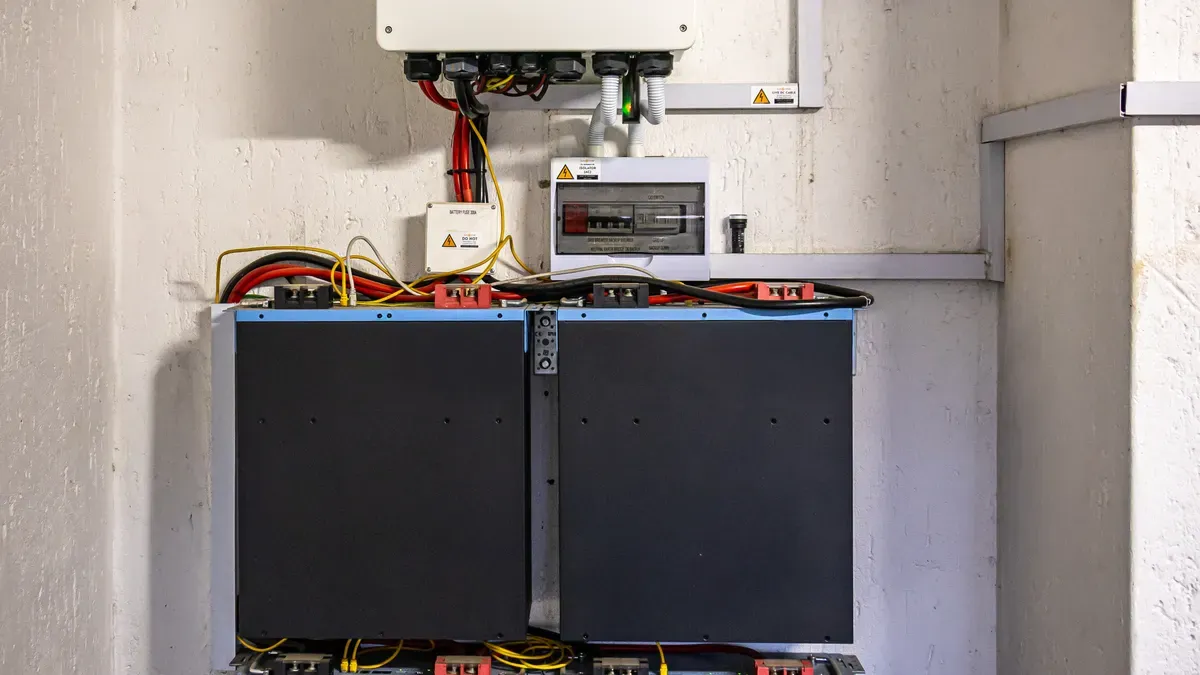
Adaptive Management and Emergency Failover
Adaptive power management adjusts power delivery based on real-time traffic flow and signal activity. The system prioritizes critical devices like signal controllers and cameras during limited power conditions. This intelligent power management approach reduces waste and extends equipment life. Wide input voltage tolerance lets the system accept fluctuating utility power without dropping your traffic signals. When power outages strike, automatic failover switches power sources without manual intervention. Battery banks and rectifiers activate automatically during main power failure. This emergency backup and failover mechanism prevents signal downtime at your intersections.
The table below shows how these features support intelligent traffic signal control.
Operational Benefit | How It Supports Intelligent Traffic Signal Control |
|---|---|
Adaptive Power Management | Adjusts power delivery based on real-time traffic flow; prioritizes critical devices; reduces waste and extends equipment life |
Emergency Backup and Failover | Battery banks and rectifiers activate automatically; automatic failover prevents signal downtime |
Enhanced Safety and Efficiency | Uninterrupted signal operation reduces accident risk; natural cooling lowers energy use and overheating |
Improved Traffic Flow | Reliable signals enable smoother movement; reduced congestion and delays |
Real-Time Data Connectivity | Connects to ITS, sensors, cameras, and controllers; supports multiple communication ports |
Scalability for Urban Growth | Modular rectifier design allows capacity expansion without replacing the entire system |
Reliability and Lower Maintenance Costs
Uninterrupted traffic signals create safer intersections and reduce congestion. You avoid the truck rolls that come with troubleshooting dark signals. Fewer site visits mean lower lifecycle costs for your city. Natural cooling eliminates fans and air conditioners, which reduces maintenance needs and operational cost. This design supports 7×24h uninterrupted power without adding complexity.
Multiple backup power paths provide redundancy for continuous operation. Your intersections maintain reliable operation through storms, heat waves, and utility failures. The system delivers continuous power to every connected device. Real-time data connectivity links to ITS, sensors, cameras, and controllers through multiple communication ports. You receive alerts on power status and equipment health. This visibility enables proactive maintenance before problems escalate. Modular rectifier design and 19-inch rack compatibility allow capacity expansion for new intersections, cameras, and sensors. You add capacity without replacing the entire system. This scalability protects your investment as your city grows. The combination of adaptive management, emergency backup, and remote monitoring creates a supply you can trust for years.
Traffic Signal Power Supply and Smart Integration
Real-Time Data and Remote Monitoring
Remote monitoring and control transforms how you manage traffic signals at your intersections. Communication ports on the telecom rectifier system deliver continuous status updates to your traffic control center. You see voltage levels, battery health, and equipment performance in real time. This visibility enables proactive maintenance before small issues become dark signals.
Real-time monitoring provides continuous visibility into the health of field devices. The system detects faults, performance issues, and power outages instantly. Remote diagnostics let your engineers assess problems before arriving on-site. Automated alerts generate work orders from predefined thresholds like voltage drops or communication losses. Your field crews receive notifications and can access asset data from mobile devices.
Communication systems are an important element of traditional ATSPM frameworks because real-time information about intersection performance cannot be easily retrieved without reliable communication. These systems enable automated retrieval of data from the field to the traffic management center.
Platforms like central traffic signal systems and advanced traffic management systems integrate field data to monitor conditions and send alerts. This integration supports your intelligent traffic signal power supply with data-driven decisions. You reduce downtime and improve reliability across your network.
Scalability for Growing Intersections
Your intersections will grow. You will add sensors, cameras, and V2X equipment over time. A scalable traffic signal power supply accommodates this growth without replacing the entire system. You add rectifier modules to increase capacity as power demands rise. The modular design of rectifiers lets you expand output current without new cabinets.
Battery capacity expands to match your backup requirements. You add battery modules to extend runtime during power outages. Additional cabinets house new equipment as your intersection footprint grows. This approach protects your investment and supports automatic failover for all connected devices.
NEMA enclosure ratings and IP standards serve as benchmarks for intelligent traffic signal power supply design. These ratings ensure your equipment meets environmental protection requirements. They also guide scalability decisions as you plan for future smart city infrastructure. Your signal controllers, detection systems, and communication gear all benefit from a platform designed for growth.
You now see how intelligent power management, battery backup, and remote monitoring and control layer together into one dependable supply. Each layer covers the others, so your traffic signals stay live through outages and storms.
For traffic engineers and city planners, the payoff is clear. You get safer intersections, fewer outages, and lower lifecycle costs across your network.
Scalable telecom power systems support the next generation of smart city traffic infrastructure. You can add capacity as your city grows, and your telecom power systems will keep pace with every new sensor and camera.
FAQ
How long can a telecom power system keep traffic signals running during an outage?
Engineered solutions sustain a standard four-legged intersection for 15–20 hours. Many configurations exceed nine hours on a single battery module pack. You extend runtime by adding battery modules, so your traffic signals stay live through longer utility failures.
What happens when utility power fails at one of your intersections?
Battery banks switch from utility to battery power automatically. You see no interruption at the intersection. The automatic failover mechanism handles the transfer without manual intervention, and the batteries recharge once utility power returns.
Why does natural cooling matter for roadside power equipment?
Natural cooling removes fans and air conditioners from the design. Fewer moving parts mean fewer maintenance visits and lower operational cost. This reliability supports 7×24h uninterrupted power at intersections exposed to heat, dust, and vibration.
Can you expand the power system as your intersections add new equipment?
Yes. You add rectifier modules to raise output current and battery modules to extend backup runtime. The modular design and 19-inch rack compatibility let you grow capacity without replacing the entire system as you add cameras, sensors, and V2X gear.
Which standards guide intelligent traffic signal power supply design?
NEMA enclosure ratings and IP standards serve as benchmarks. They cover environmental protection requirements. Designing to these ratings helps you meet expectations at intersections and plan for future smart city infrastructure.
See Also
Essential Features You Should Know About Telecom Power Supplies
How to Maintain Reliable Power Supply Within Telecom Cabinets
Beginner's Guide to Understanding Telecom Power Supply Systems Easily
Calculation Methods for Telecom Cabinet Power Systems and Batteries
Photovoltaic Energy Storage Power Systems for Modern Telecom Cabinets
CALL US DIRECTLY
86-13752765943
3A-8, SHUIWAN 1979 SQUARE (PHASE II), NO.111, TAIZI ROAD,SHUIWAN COMMUNITY, ZHAOSHANG STREET, NANSHAN DISTRICT, SHENZHEN, GUANGDONG, CHINA
