How a Smart PDU-Energy Storage Interface Optimizes Power for Telecom Cabinets Under Peak-Valley Pricing


A smart PDU-energy storage interface optimizes power for telecom cabinets by automatically shifting energy use from expensive peak periods to low-cost valley periods. It coordinates storage charging and discharging with PDU load management, so your site draws less grid power when rates climb.
Peak-valley pricing creates a real cost burden for always-on telecom equipment. A peak-valley electricity price can multiply your energy bill, and peak-valley price differences reward sites that move consumption to cheaper hours. You can capture these savings through peak shaving and TOU arbitrage, with time-of-use price auto-switching handling the timing automatically. This article explains the components, the switching mechanism, the benefits, and deployment considerations for telecom site energy storage.
Key Takeaways
A smart PDU-energy storage interface automatically shifts energy use from expensive peak hours to cheaper valley hours, cutting your electricity costs.
The system charges the battery during low-rate periods and discharges during high-rate periods, capturing savings through peak shaving and TOU arbitrage.
Remote monitoring and control let you manage power and reboot equipment without site visits, improving reliability and reducing maintenance costs.
Size the battery based on a week of measured load data to cover peak windows and avoid wasting money on oversized or undersized batteries.
Check compatibility and compliance before deployment to ensure the PDU, battery, and monitoring platform work together safely and effectively.
Smart PDU and Telecom Site Energy Storage Components

Smart PDU Functions
A smart PDU sits at the power entry point of the cabinet. It distributes AC power to rectifiers, fans, and monitoring gear. It also balances loads across circuits and phases, so no single breaker carries too much current. Surge protection shields rectifiers and radios from grid transients. Real-time metering tracks voltage, current, and power factor at the inlet and at each outlet.
Remote access turns these readings into action. You log in through a web portal, check load levels, and power-cycle a frozen radio without driving to the site. This matters for isolated towers, where every maintenance trip costs time and money. Live energy data also exposes idle equipment that wastes power.
What It Enables | |
|---|---|
Monitored PDU | Tracks voltage, current, and load through a web portal and flags potential failures early |
Switched PDU | Toggles individual outlets remotely to reboot frozen equipment |
Intelligent PDU |
ESTEL's Smart Power Distribution Unit illustrates the category. It accepts a 16A input, offers 8 to 19 outlets, shows readings on an LCD display, includes a dehumidifying function, and uses an IEC60309-compliant plug. Smart power distribution units like this one collect the data that peak shaving and tou arbitrage depend on.
Storage and Control Layer
The telecom site energy storage system supplies the energy that the PDU manages. Lithium iron phosphate (LFP) batteries form the core. LFP cells deliver 3,000 to 10,000+ cycles and tolerate 80 to 100% depth of discharge. They also resist thermal runaway to roughly 270°C, which suits indoor and rooftop sites. A battery management system (BMS) protects the pack. It estimates state of charge, balances cells, manages temperature, and trips protection on overcharge, over-discharge, short circuits, or excess heat.
The control interface links storage to the PDU. It reads tariff schedules and load data, then decides when the battery charges and discharges. Smart power distribution units feed live consumption figures into this loop. The energy-management system then executes the schedule. In practice, the interface turns separate devices into one coordinated unit for telecom cabinets.
Telecom site energy storage depends on this coordination. The battery stores cheap valley energy. The smart PDU controls where that energy flows. Together they support peak shaving and tou arbitrage without manual intervention. Smart power distribution units also report battery-side load, so the control layer sees the full picture. For telecom cabinets in remote locations, this integrated layer reduces site visits and keeps backup capacity ready.
How Time-of-Use Price Auto-Switching Works
Valley Charging and Peak Discharge
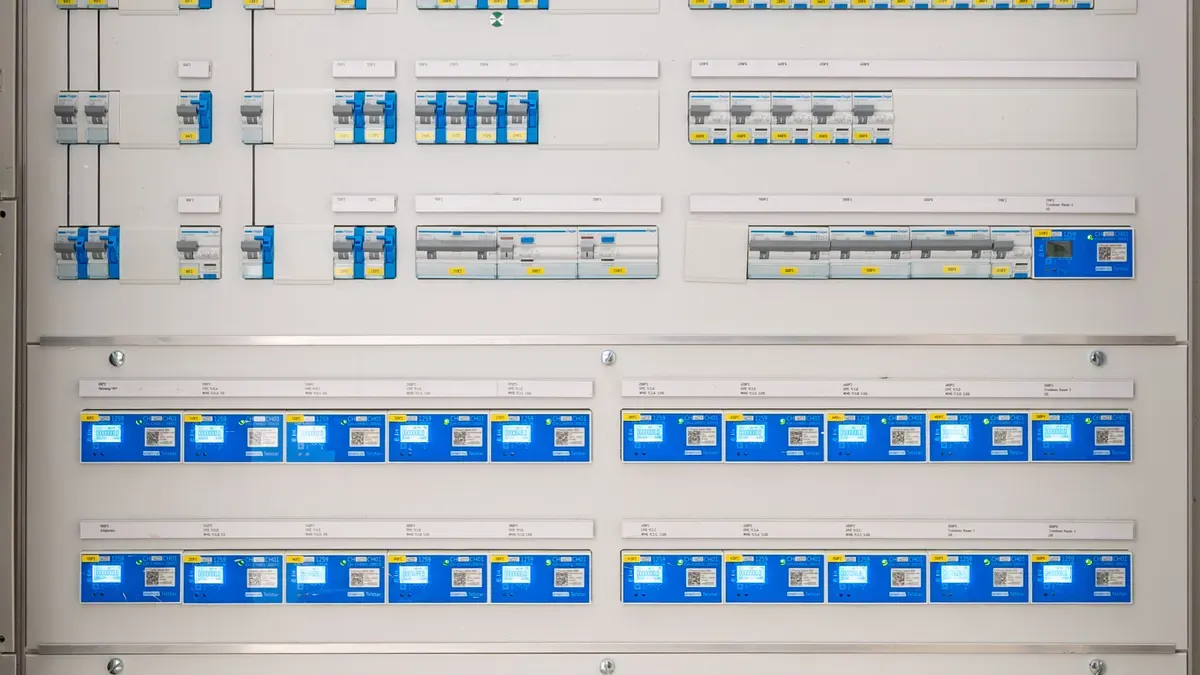
Time-of-use price auto-switching follows a fixed sequence. You enter your utility tariff schedule into the energy-management system. The schedule lists each rate window, including the tou electricity rate for every hour. The controller then runs a time-of-use arbitrage strategy. Under this strategy, the battery buys electricity when prices are low and discharges when prices are high.
The cycle runs in four steps:
The battery charges during valley periods, when grid power costs the least.
The battery holds that charge until the peak window opens.
The battery discharges during peak periods, and stored energy offsets grid draw.
The controller repeats the cycle daily against the programmed schedule.
This is classic tou arbitrage. Each avoided peak unit carries outsized value, because the price gap between valley and peak is wide. A demand charge also shrinks when the battery clips brief spikes before they reach the meter. Peak shaving delivers this benefit, and load shifting moves the rest of the consumption into cheap hours. Effectiveness depends on your tariff, battery efficiency, load profile, capacity, and the peak-to-valley gap.
LFP chemistry supports this duty well. Round-trip efficiency often exceeds 95%, and the cells hold that efficiency through most of their service life. Cycle life reaches 3,000 to 10,000+ cycles, so daily cycling does not wear the battery out quickly.
Automated Load and Switching Logic
Automation carries the schedule, and reliability guards it. The smart power distribution unit monitors real-time current at the inlet and at each outlet. It balances loads across circuits, so no breaker trips during a discharge event. The smart pdu also reports consumption to the controller, which adjusts discharge depth on the fly. This feedback loop makes peak shaving safe inside busy telecom cabinets, where a tripped breaker would cut power to live radios.
Fail-safe behavior protects continuity. When AC power is absent, rectifiers stop and the battery takes over immediately. This seamless switchover keeps loads running. When AC returns, rectifiers power the loads and recharge the battery. Protection features — over-voltage, over-current, short-circuit, and over-temperature — prevent damage during any transition. Peak shaving never compromises this path.
A backup reserve first rule keeps capacity in hand. The controller holds a floor of charge for outage backup and never spends it on tou arbitrage. Programmable rules, such as no-export-to-grid, further constrain dispatch. The smart power distribution unit executes these rules without a site visit, and peak shaving continues through the night.
Consider how the pieces fit for telecom site energy storage. A tariff-aware telecom storage setup reads the schedule, then applies time-of-use electricity optimization across the whole site. The smart power distribution units pass load data upward, and the controller converts that data into dispatch decisions. Time-of-use price auto-switching handles the timing, so time-of-use pricing never catches you off guard. Under tou pricing, the battery discharges at the right hour. Tariff-based load shifting then trims the remaining draw. This is how time-of-use price auto-switching serves telecom cabinets day after day. Telecom site energy storage earns its place when the price gap is wide, and load shifting keeps the savings steady. Each tou arbitrage cycle also protects the backup reserve.
Benefits Under Peak-Valley Pricing for Telecom Cabinets
Cost Savings and Reliability Gains
Peak-valley pricing rewards you twice. First, peak shaving cuts the energy you buy at the high rate. Second, tou arbitrage captures the gap between valley and peak. Together they lower electricity costs at every telecom cabinet in your network. Peak shaving also trims the demand charge, and demand charge management keeps that saving stable month after month. Demand-charge reduction matters most where the utility bills your highest interval. Peak shaving handles that interval before it reaches the meter.
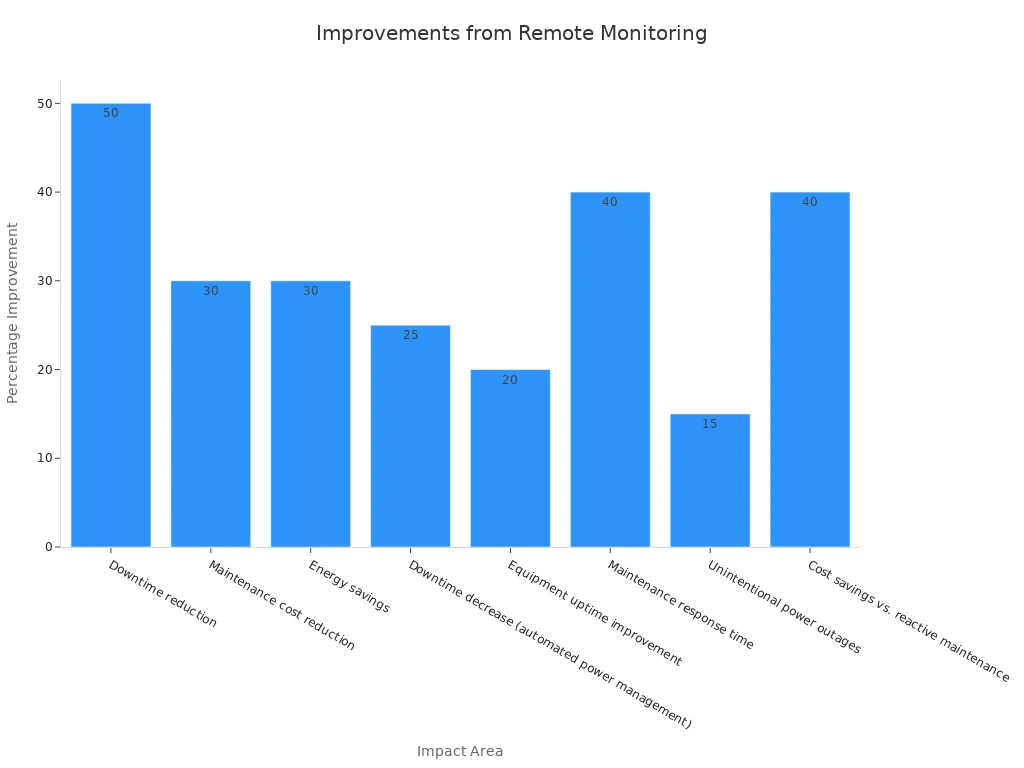
Reliability improves alongside the savings. A smart power distribution unit watches every outlet and reports faults in real time. Remote monitoring replaces slow manual checks with automated detection. When a device stops responding, the smart pdu power-cycles the affected outlet remotely, and the device restarts without a site visit. Documented results show downtime reductions up to 50% and maintenance cost reductions of 30%. Energy savings reach up to 30%, and maintenance response time improves by 40%.
Efficiency and Footprint Advantages
An integrated interface saves space inside telecom cabinets. The smart power distribution unit combines distribution, metering, and switching in one chassis. You avoid separate metering boxes and extra wiring. Energy visibility then shows you where every kilowatt goes. That visibility supports load shifting and keeps peak shaving accurate.
Right-sizing follows from the same data. You size the battery to your real load profile, not a rough estimate. A smaller battery lowers capital cost and cabinet footprint. Telecom site energy storage then fits tighter sites without crowding the rectifier bay. Compare options on technical performance, application fit, compliance, and cost. Smart power distribution units suit dense cabinets with remote sites. Simpler distribution fits small, attended sites. Each choice has a place.
Implementation Considerations for Telecom Cabinets
Compatibility and Storage Sizing
Check your existing power infrastructure before you buy. The smart power distribution unit must match your cabinet's input current, outlet count, and plug type. Confirm that your remote monitoring platform accepts the unit's data protocol. A mismatch here forces manual readings and defeats the automation.
Size the battery from measured data, not guesswork. Log your load profile for a full week, then map it against your tariff windows. A battery that covers the whole peak window with margin supports peak shaving and tou arbitrage reliably. An undersized battery exhausts early and leaves the peak exposed. An oversized battery wastes capital and cabinet space. The energy-management system can then schedule charging and discharge around your real consumption.
Regulatory and Safety Compliance
Compliance starts with the standards your equipment must meet. Look for IEC compliance on the distribution and protection components. Ingress protection matters for outdoor sites, where dust and water intrusion destroy electronics. Surge protection must cover the AC inlet and the battery path. Local grid interconnection rules also apply, especially where the site exports power or interacts with utility equipment.
Safety design protects both people and uptime. Over-current, over-voltage, and over-temperature protection belong in every battery path. A backup reserve rule keeps capacity for outages, so peak shaving never drains the last charge. ESTEL's outdoor cabinet and power system portfolio can support integrated deployments of this kind. Verify local rules with your utility before commissioning, and document every protection setting for future audits.
A smart PDU-energy storage interface delivers value by automating peak-to-valley energy shifting. The smart PDU meters and balances load. The battery stores cheap valley energy. The control layer then switches battery discharge at peak hours. You gain lower costs, steady peak shaving, and reliable battery backup. Peak shaving also trims the demand charge, and tou arbitrage captures the price gap. Battery sizing and compliance decide whether these gains hold in real telecom cabinets.
Evaluate fit against your load profile and tariff windows. Confirm the battery, PDU, and monitoring platform work as one system. ESTEL offers an integrated interface example for telecom sites. A careful review of telecom cabinets before deployment keeps peak shaving and tou arbitrage working for years.
FAQ
How much can peak-valley pricing save on a telecom cabinet?
Savings depend on your tariff gap, load profile, and battery size. Peak shaving cuts high-rate energy and trims demand charges. Time-of-use arbitrage captures the valley-to-peak difference. Documented deployments show energy savings up to 30%. Measure your own load for a full week before you estimate returns.
How do I size a battery for peak shaving?
Log your load profile for a full week. Map that data against your tariff windows. Size the battery to cover the whole peak window with margin. An undersized battery exhausts early and leaves the peak exposed. An oversized battery wastes capital and cabinet space.
Does the battery still back up the site during an outage?
Yes. A backup reserve rule holds a floor of charge for outages. The controller never spends that reserve on arbitrage. When AC power fails, rectifiers stop and the battery takes over immediately. When AC returns, rectifiers power the loads and recharge the battery.
Can I monitor and control the system remotely?
Yes. The smart PDU reports voltage, current, and load through a web portal. You can power-cycle a frozen device without a site visit. Remote monitoring supports telecom cabinets in remote locations. Documented results include downtime reductions up to 50% and maintenance response time improvements of 40%.
What should I check before deployment?
Confirm the PDU matches your input current, outlet count, and plug type. Verify IEC compliance, ingress protection, and surge protection on the AC inlet and battery path. Check local grid interconnection rules with your utility. Document every protection setting for future audits.
See Also
Solar Energy Storage Power System Designed for Telecom Cabinets
ESTEL Smart Microgrid Integrated Energy Storage System for Telecom Cabinets
How to Guarantee Reliable Power Supply for Telecom Cabinet Operations
Grid Connected Solar Inverter and Battery System for Telecom Cabinets
Understanding ESTEL PDUs and Their Role in Data Center Cabinets
CALL US DIRECTLY
86-13752765943
3A-8, SHUIWAN 1979 SQUARE (PHASE II), NO.111, TAIZI ROAD,SHUIWAN COMMUNITY, ZHAOSHANG STREET, NANSHAN DISTRICT, SHENZHEN, GUANGDONG, CHINA
