How Smart PDUs Distribute Power Load to Prevent Single-Cabinet Overload

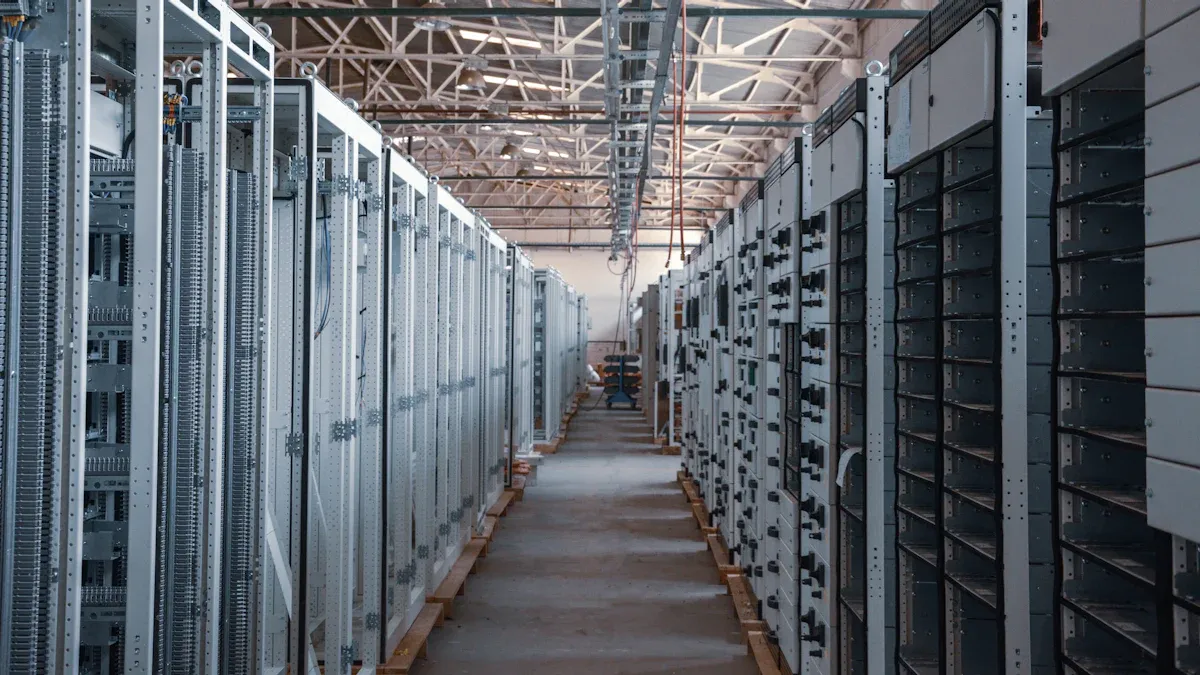
Smart PDUs prevent single-cabinet overload by continuously monitoring per-cabinet power draw and using distributed scheduling to shift loads across cabinets in real time. The stakes are high. A tripped breaker on one rack can take down an entire cabinet, and power remains the leading cause of impactful data center outages, responsible for 45% of incidents in 2025 according to Uptime Institute reports cited by CoreSite. Static limits alone cannot stop every overload. This post explains where fixed caps fall short, how the scheduling loop works, and how to implement it with a smart power distribution unit such as ESTEL's. Distributed scheduling turns passive distribution into active protection that helps you prevent overloads before they strike.
Key Takeaways
Smart PDUs prevent single-cabinet overload by monitoring power and shifting loads in real time.
Static power caps cannot handle variable workloads and may cause slowdowns.
The load balancing algorithm continuously monitors, predicts, and shifts power to avoid overloads.
Set alert thresholds at 70% and capacity baseline at 80% for safe power management.
Regularly check phase balance and rebalance after equipment changes to maintain protection.
Why Smart PDUs Beat Static Limits on Single-Cabinet Overload
The Cost of an Overloaded Cabinet
Single-cabinet overload creates a chain of failures. An overload trips the breaker and cuts power to every device on that circuit. Downtime follows at once. One overload can take down a whole cabinet. Repeated overloads also damage equipment and raise thermal stress inside the rack. Every overload carries a cost you can avoid. Smart pdus address this risk directly. They watch the total load on each circuit and act before the breaker trips.
Breaker current and status monitoring shows how overload detection works in practice. A smart power distribution unit tracks current on each branch circuit. You watch the load climb toward the breaker rating. The system flags the overload and can shed non-critical loads. Good power management depends on this visibility. This early warning stops single-cabinet overload from becoming an outage.
Where Fixed Power Caps Fail
Static power capping suits predictable, low-density racks. A fixed cap holds draw inside a known envelope. That approach works well when workloads stay steady. High-density and variable workloads need more flexibility. Dynamic balancing fits those environments better. Both options remain valid for their own scenarios. Static caps cannot stop every single-cabinet overload.
Fixed caps struggle with modern AI workloads. In large-scale synchronous training, the slowest worker sets job performance. Throttling one GPU creates a straggler and degrades throughput for the whole job. Hardware heterogeneity across racks also causes uneven power imbalances. Power capping tools often act only on CPUs or GPUs. They ignore network adapters, storage, and conversion losses. A static per-node cap cannot adapt to jobs with different power profiles. High-power FP16 training jobs that needed more than the static allocation saw average runtime increases of up to 40%. Smart pdus beat static limits here. A smart power distribution unit feeds live data into distributed scheduling. Real-time monitoring drives load balancing across racks. Modern power distribution units report per-outlet data, so you can shift loads across circuits. Preventing overloads starts with live data, not a fixed number. That is how you prevent overloads instead of merely capping them.
Inside the Power Load Balancing Algorithm
Monitor, Analyze, Predict, Shift
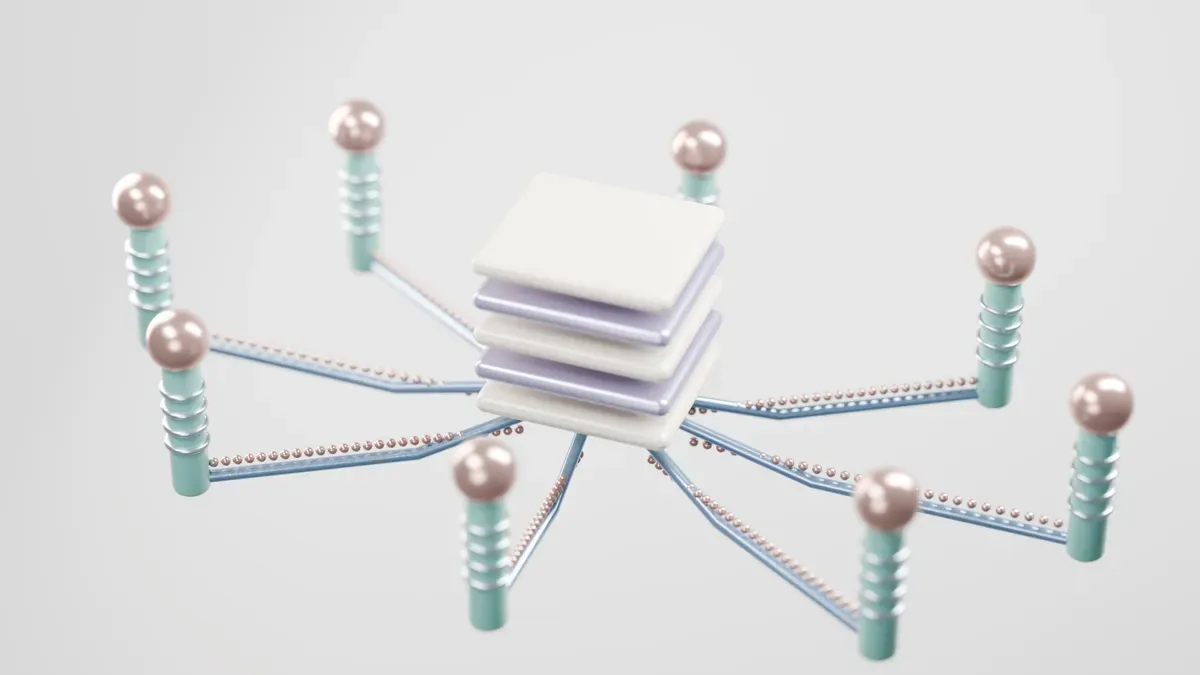
The power load balancing algorithm runs as a continuous control loop. Each pass moves through five stages, and the system repeats them without pause.
Real-time monitoring — each unit tracks the power consumption of connected devices, with live data visible on the LCD display or through remote management tools.
Data analysis — the system studies usage patterns and flags cabinets that approach their maximum safe load.
Predictive adjustment — the algorithm forecasts future demand from current trends and prepares to shift loads before an overload occurs.
Automated load shifting — the PDU redistributes power on its own, moving non-critical loads to underutilized cabinets without manual intervention.
Continuous optimization — the system repeats the process and learns from new data, which sustains overload protection and improves energy efficiency.
In the third step of the smart PDU load balancing algorithm, a predictive adjustment phase forecasts upcoming demand by extrapolating from present usage trends. This allows the system to proactively redistribute loads ahead of time, preventing an overload from occurring rather than reacting after it happens.
Real-time power data gives you immediate insight into consumption. The smart power distribution unit tracks voltage and current for each cabinet, and you can monitor these parameters remotely to spot issues before they escalate. Per-cabinet thresholds alert operators when loads approach unsafe levels. You can adjust those thresholds to match your equipment and workload patterns.
Load Shifting in Practice
Consider a demand spike on one rack. Cabinet A climbs toward its breaker rating during a batch job. The algorithm predicts the breach, then moves non-essential tasks to Cabinet B, which sits at low utilization. This distributed scheduling flattens the demand curve and reduces peak loads. Automated load shifting also reschedules non-essential tasks to low-demand periods, which supports renewable energy integration and turns the data center into a flexible resource for the power grid.
Phase and circuit-level balancing matter just as much. In a three-phase PDU with a single input breaker, the A and B sides are separate breakers downstream of the main input breaker. Phase distribution follows breaker position: breakers 1 and 2 on phase A, breakers 3 and 4 on phase B, breakers 5 and 6 on phase C, then breakers 7 and 8 back on phase A. Count out the breaker positions to place load on the correct phase. Do not assume side A or B maps to a phase. Feeding both sides does not provide redundancy. Keep the current on each line nearly equal, and hold the load on every phase within 10% of the others. Metered PDUs report inter-phase differences and raise an alert when those differences exceed a set threshold. This load distribution practice catches unbalanced loading early. Alternating outlet groups by breaker spreads load balancing across the PDU width, and smart load balancing keeps single-cabinet overload from taking hold.
Load Balancing Features in a Smart Power Distribution Unit
Metering, Analytics, and Remote Switching
Real-time data collection forms the base of every balancing decision. A smart power distribution unit meters each outlet and branch circuit, then streams that data to your management platform. Predictive analytics turn the stream into forecasts. The system spots a cabinet trending toward its limit and schedules a correction before the breaker reacts.
Remote outlet switching gives you the control layer. Switched power distribution units support SNMP-based remote control, so you can turn outlets on or off without entering the hall. Active power distribution lets the unit cycle power on a schedule or on operational conditions. Automated power management then handles power sequencing and load balancing, which redistributes loads across outlets dynamically. This is how distributed scheduling reaches individual receptacles. You shift draw away from a hot circuit and prevent overloads at the source.
ESTEL Smart PDU Capabilities
ESTEL's Smart Power Distribution Unit packages these functions for rack-level power distribution and management. The unit provides real-time monitoring through its LCD display, surge protection, and a dehumidifying function for rack-level power distribution and management.
Feature | Risk Addressed | Contribution to Load Balancing and Reliability |
|---|---|---|
LCD display | Lack of visibility into power usage | Enables at-a-glance tracking of power and environmental conditions to schedule load balancing checks |
Surge protection | Power disturbances | Protects equipment so balanced loads are not disrupted by electrical events |
Dehumidifying function | Humidity | Extends equipment lifespan and maintains stable conditions for consistent power delivery |
The LCD display shows real-time power status, alerts, and environmental readings, so you can make informed balancing decisions on the spot. Surge protection preserves balanced operation through electrical spikes. The dehumidifying function keeps moisture under control for stable delivery in high-density cabinets. Together these features support overload prevention and steady load balancing across your racks.
Implementing Load Balancing and Measuring the Payoff
Assess, Integrate, Monitor
Start with an honest audit of what each rack actually draws. Follow these steps:
Calculate the total current draw of every device in the rack. Check each datasheet against the real input voltage in use. Measure at full load with a metered unit when datasheet values are missing.
Confirm the combined draw stays below 80% of the current rating of each PDU.
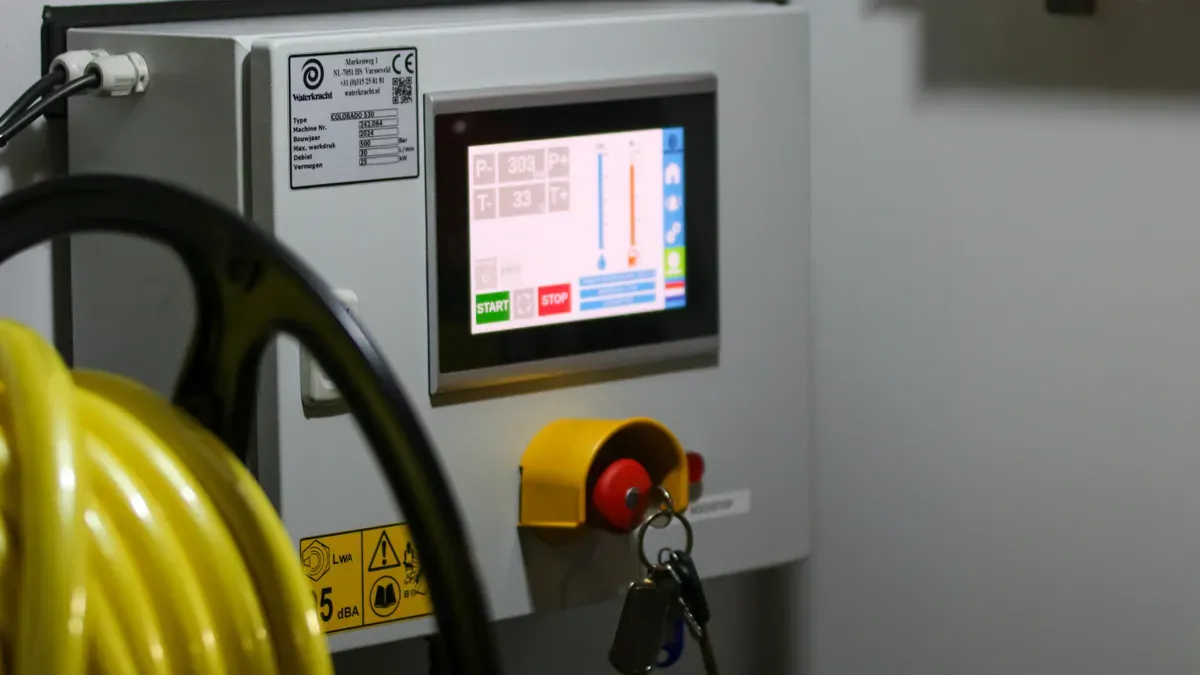
Next, integrate smart PDUs such as ESTEL's into each cabinet. Configure three thresholds — Overload Alarm, Near Overload Warning, and Low Load Warning — to one decimal place. Set the alert point at 70% and the capacity baseline at 80% per NEC. In redundant pairs, divide thresholds by two to preserve failover headroom. Then monitor continuously. A smart power distribution unit with real-time monitoring exposes surges and wasteful patterns before they become overloads.
Reliability, Energy, and Scalability Gains
The payoff shows up in three places. Reliability improves because automated shifting keeps any single cabinet from carrying too much load. Energy savings follow: PDUs with high-efficiency transformers run 2% to 3% more efficient overall than units with generic transformers.
Smart PDUs with real-time power monitoring expose power-hungry equipment, surges, and wasteful consumption patterns.
Scalability matters as densities climb. AI and HPC workloads raise rack power densities and pressure existing distribution infrastructure. Intelligent power distribution units supply granular data so you can spot abnormal loads and plan capacity. Review breaker status on a schedule — daily dashboards, weekly phase balance checks, monthly reviews against the 80% rule. Rebalance after major equipment changes, since balanced schedules drift once racks change. That discipline sustains overload protection as your power load grows.
Distributed scheduling turns passive power distribution into an active balancing system. It keeps any single cabinet from carrying too much load. The path runs from real-time monitoring to prediction to automated shifting. Implementation starts with assessing current loads and integrating smart PDUs such as ESTEL's Smart Power Distribution Unit. That unit gives you the visibility and control to prevent overloads before a breaker trips.
Rack densities keep climbing. AI-driven rack-level orchestration now manages workload distribution and rebalances thermal loads across aisles. Real-time load balancing is becoming the baseline for power management, not a nice-to-have. Smart pdus that support distributed scheduling will keep single-cabinet overload out of your risk column as your power envelope tightens.
FAQ
How does a smart power distribution unit stop an overload before the breaker trips?
It meters each circuit continuously and compares live draw against your thresholds. When a cabinet trends toward its limit, the unit shifts non-critical loads elsewhere. This early action prevents overloads that would otherwise cut power to the whole rack.
Can static power caps replace dynamic balancing?
Static caps work for steady, low-density racks. Variable and high-density workloads need real-time adjustment. Dynamic balancing catches overloads that a fixed number cannot anticipate, so treat static caps as a fit for predictable environments only.
What thresholds should you configure first?
Set the alert point at 70% and the capacity baseline at 80% per NEC guidance. In redundant pairs, divide both by two to keep failover headroom. Review these values after any major equipment change, since balanced power schedules drift over time.
How do you confirm that distributed scheduling works?
Check phase balance weekly and keep every phase within 10% of the others. Watch daily dashboards for cabinets nearing their limits. A steady curve with no alarms confirms that power management is holding each load inside its safe envelope.
Does balancing still matter as rack density rises?
Yes. Higher density tightens your power envelope and leaves less room for error. Real-time balancing becomes the baseline for protecting equipment as AI and HPC workloads push rack demand upward.
See Also
Understanding ESTEL PDUs and Their Function in Data Center Cabinets
Methods to Guarantee Reliable Power Supply for Telecom Cabinet Systems
Enhancing Outdoor Cabinets Through Integrated Power Cooling and Monitoring Solutions
Examining Amperage Requirements for Communication Cabinet Power Supply Units
Solar Energy Storage Power Systems Designed for Telecom Cabinet Applications
CALL US DIRECTLY
86-13752765943
3A-8, SHUIWAN 1979 SQUARE (PHASE II), NO.111, TAIZI ROAD,SHUIWAN COMMUNITY, ZHAOSHANG STREET, NANSHAN DISTRICT, SHENZHEN, GUANGDONG, CHINA
