How Telecom Power Systems Can Help Enterprises Apply for Green Energy Incentives

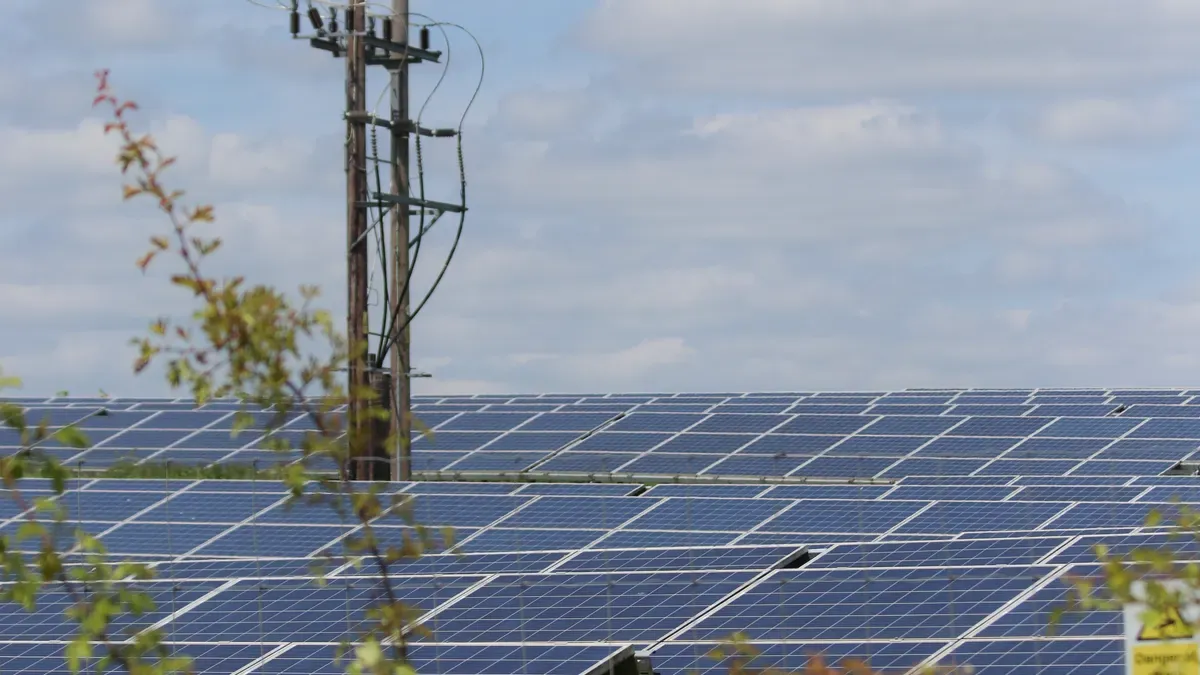
Telecom power systems help enterprises apply for green energy incentives by delivering measurable energy efficiency, renewable integration, and compliance data that subsidy programs require. Modern high-efficiency rectifier systems achieve 96–98% efficiency, compared to roughly 92% for older designs. That gap produces power loss reductions up to 75% and saves more than 6,000 kWh annually for a 10 kW load. Many businesses overlook telecom power infrastructure as a lever for solar grants and subsidies. ESTEL's Telecom Power System provides the certifications and performance records you need. If you manage energy, sustainability, or operations for your company, this guide is for you. You will learn which features matter, how they align with subsidy criteria, the application process, and the financial benefits.
Key Takeaways
High-efficiency rectifiers cut energy waste and lower your power bills.
Natural cooling reduces maintenance and saves extra energy.
Smart monitoring provides data for grant applications.
Green energy incentives can shorten your payback period.
ESTEL offers tools and support to help you apply.
Key Features of Telecom Power Systems for Green Energy
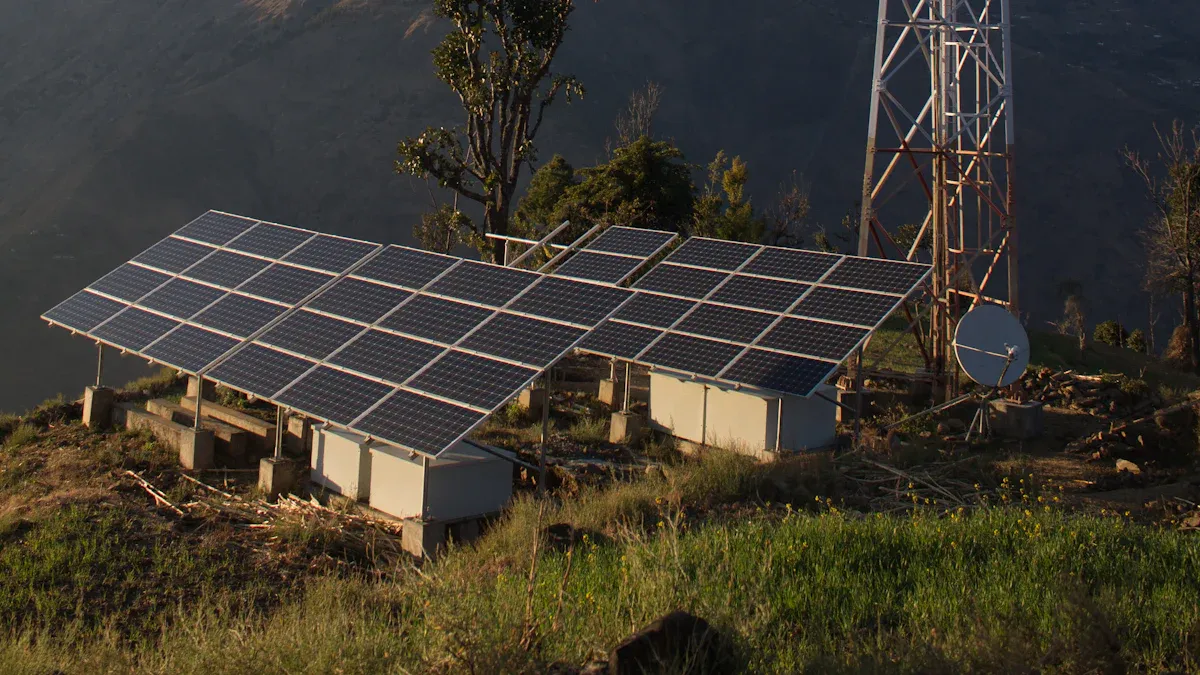
High Efficiency and Natural Cooling
High-efficiency rectifiers sit at the heart of any modern telecom power system. These units convert AC power to the DC voltage your equipment needs, and they waste far less energy as heat than older designs. ESTEL's Telecom Power System uses this rectifier architecture to cut standby loss and lower your daily operational energy use. You draw less power from the grid for the same workload, and that reduction shows up directly in your electricity bills.
Natural cooling removes another hidden cost. Instead of running fans or air conditioning to keep the rectifier modules within their safe temperature range, the system relies on passive heat dissipation. This design choice reduces maintenance needs, because there are no fans to replace and no filters to clean. It also lowers your total energy consumption, since cooling equipment itself consumes power. For enterprises preparing a subsidy application, this combination of efficient conversion and passive thermal management creates a clear, documentable efficiency story.
Renewable Compatibility and Smart Monitoring
Flexible AC input lets the system accept power from unstable or varied sources. That flexibility matters when you pair the rectifier with solar arrays, batteries, or hybrid setups. You can install the unit on a standard rack or inside a cabinet, which simplifies integration into existing sites. Multiple communication ports then connect the power system to your energy storage systems and monitoring platforms, so solar microgrids and other clean energy solutions feed power smoothly into your telecom load.
Smart monitoring turns these features into evidence. The system logs performance data and generates efficiency reports you can attach to a grant submission. Real-time monitoring also helps you detect inefficiencies and optimize operations over time. When a reviewer asks how your project reduces energy use, you can point to actual records rather than estimates. That data trail supports both energy storage planning and the documentation that subsidy programs expect.
Aligning with Solar Grants and Subsidies Criteria
Energy Savings and Carbon Reduction Metrics
Reviewers for solar grants and subsidies look for two core numbers: kilowatt-hour savings and carbon reduction. Your telecom power system's efficiency determines both. A system at 96–98% conversion efficiency wastes little energy as heat. That efficiency gap produces documented electricity savings each month. You can cite those savings in your application to prove your project meets program thresholds. Reviewers treat these numbers as primary evidence.
The DSIRE database catalogs available programs nationwide. You will find state rebates, utility programs, and the federal solar tax credit. Many incentives require a calculation of expected power savings before approval. Your system's efficiency data provides that calculation. It also demonstrates reduced demand for grid electricity. Each kilowatt-hour saved avoids upstream emissions, so your carbon metric improves. This connection makes your financial incentives application more persuasive. State tax credits also reward measurable energy reductions.
Natural cooling strengthens your savings profile. Fans and air conditioners consume extra electricity on site. Removing them eliminates that parasitic load. Your site energy use drops without sacrificing performance. Some applications ask whether your site can integrate solar or battery storage. ESTEL's flexible input design and communication ports confirm that readiness. This aligns with programs that fund clean generation and storage technologies. It positions you for solar subsidies targeting storage readiness.
You can turn your efficiency data into a carbon reduction estimate. Multiply your annual kWh savings by your regional grid emission factor. The result is the metric your grant application needs. Reviewers accept this method because it comes from measurement. This clarity matters for solar incentives reviewers. This number forms the backbone of your sustainability report. Accurate data strengthens your credibility during the review process.
Documentation and Certification Readiness
A strong application depends on documentation. Reviewers want independent proof of your equipment's performance. ESTEL's Telecom Power System answers this need with built-in smart monitoring. The system logs operational data continuously and generates efficiency reports. Those reports show real conditions, not projected lab values. You can attach them directly to your application. Reviewers of financial incentives value documented proof.
Quality certifications also matter. ESTEL's production follows recognized quality standards. Every unit ships with consistent performance and traceable test records. These records match grant reviewers' expectations: precise specifications, input ranges, output ratings, and cooling methods. The rack-mount compatibility and input flexibility become documented facts. You can list them on application forms without extra testing.
Reviewers check eligibility against a checklist. Does your project lower energy use? Does it support renewable integration? Does it include monitoring? Your system answers yes to each question. This alignment simplifies the application process. You already hold the required data and certifications. You do not need a separate energy audit or engineering study.
That preparation shortens your path to funding. Federal, state, and local sources accept the same evidence. You can submit the same reports to multiple programs. Once you match your system's data to solar grants and program criteria, you move forward with confidence. DSIRE helps you identify grant funding opportunities.
Step-by-Step Guide to Apply for Solar Incentives
The application process follows a clear sequence. Audit your current telecom power systems first. Then extract efficiency data from built-in monitoring and smart reports. Finally, map those numbers to the criteria of each incentive program and submit your paperwork.
Collecting Performance Data and Efficiency Reports
Begin with an audit of your existing power infrastructure. Walk through each telecom site and identify which rectifiers are in service and what load they support. ESTEL's Telecom Power System simplifies this step by recording operational history automatically. Pull efficiency logs from the unit's multiple communication ports without manual measurement.
Resource | What it provides | Relevance for your project |
|---|---|---|
DSIRE | Comprehensive online database of U.S. renewable-energy incentives | Lists federal, state, and utility programs and allows filtering by location, technology type, or project size |
State energy offices | State-level program guidance | Can verify federal, state, and utility program requirements alongside DSIRE |
Federal clean-energy tax credits (BIL/IRA) | Roughly $390 billion in clean-energy tax credits; over 40% for deployment | Provides current funding combinable with state and utility programs |
Start with DSIRE to see which programs apply to your location. Then confirm details with your state energy office. The Bipartisan Infrastructure Law and the Inflation Reduction Act together supply roughly $390 billion in clean-energy tax credits, with more than 40 percent directed to deployment. Check both levels to boost your financial incentives.
Once you identify the right programs, gather the required documentation. ESTEL provides product specifications, test reports, and configuration details reviewers expect. The flexible AC input, natural cooling design, and rack-mount compatibility appear on the official datasheet. Attach these documents to your file alongside the efficiency reports from your smart monitoring system.
Submitting Applications with Certified System Data
Next, map your collected data to each program's criteria. Subsidies demand proof of kilowatt-hour savings, carbon reduction, and renewable integration readiness. Your efficiency reports cover every point. Solar grants reward the same evidence. ESTEL's production follows recognized quality standards, so the product data carries quality backing that reviewers recognize.
Resource | What it provides | How it helps with the application process |
|---|---|---|
IREC | Technical advice and program navigation | Helps you understand complex program structures |
NREL | Research and technical guidance | Provides objective analysis of renewable technologies and program options |
IREC and NREL offer technical advice for complicated programs. Use them as a second opinion after you shortlist your target programs.
The submission depends on accuracy. Review each form carefully and confirm your eligibility before you apply. Match your system's serial numbers, test dates, and efficiency logs to the language the program requires. Some reviewers ask for monthly data; others want annual projections. Provide exactly what they request, nothing extra.
Financial incentives come in several forms, including upfront grants, tax credits, and performance-based payments. Each has distinct timing and documentation rules. Upfront grants pay early but require complete proof. Tax credits reduce your liability during filing season. Performance-based subsidies pay over time and require ongoing monitoring data.
The entire process becomes manageable when you treat your telecom power system as an evidence source. Smart monitoring logs give real numbers. Certified product records give credibility. DSIRE research gives the right targets. Combine those three pieces, and you can complete your filing with confidence.
Financial Benefits and Solar Grants for Enterprises
Cost Savings, ROI, and Tax Incentives
You gain three financial wins when you upgrade to a high-efficiency telecom power system. First, your energy bills drop because efficient rectifiers waste less power. Second, natural cooling removes fan and air-conditioning maintenance costs. Third, you unlock subsidies, solar grants, and tax credits that lower your upfront cost.
The payback picture varies by site type and region. Reviewers of financial incentives care about this timeline, so document it clearly.
Scenario | Net CAPEX | Annual Net Savings | Estimated Payback |
|---|---|---|---|
U.S. telecom shelter (solar + battery backup) | Project-specific after eligible incentives (gross CAPEX $150,000–$220,000) | $25,000–$45,000 | 3.5–7 years |
Rural off-grid telecom site (Kenya) | $55,000–$75,000 | $16,000–$24,000 | 2.5–4.5 years |
Weak-grid telecom site (Nigeria) | $75,000–$100,000 | $18,000–$28,000 | 3–5 years |
Urban telecom site (Germany/Italy/Spain) | $60,000–$100,000 | $10,000–$18,000 | 4–7 years |
Investment tax credits and accelerated depreciation shrink these payback periods further. South Africa's Section 12BA once offered a 125% first-year capital allowance on qualifying renewable assets. For 2026, Section 12B allows 100% accelerated depreciation for qualifying sub-1MW solar PV. Ethiopia directed 40% of a $150 million renewable subsidy allocation to mobile solar solutions. Kenya exempts wind turbines and solar cells from import duties and VAT. These programs turn a solar incentive into real capital relief.
Case Example of a Telecom Power System Upgrade
Measurable results from enterprises that upgraded their telecom power systems are clear. IHS Towers Nigeria recorded $18,000 per site per year in fuel savings and 85% lower generator runtime across 600+ hybrid solar sites. Airtel Africa cut energy costs by 35% and saved 12,000 liters of diesel per site per year across 1,200+ hybrid renewable sites, with payback ranging from 2.8 years in Kenya to 3.5 years in Uganda.
MTN South Africa achieved 100% uptime during Stage 6 load shedding and a 28% energy cost reduction across 500+ advanced storage sites. The company used South Africa's Section 12BA allowance to cut net capital cost by roughly 30%. These results show how funding programs and efficient hardware work together. You can pursue upfront grants, performance-based payments, or tax credits depending on your region. Each option shortens your payback and strengthens your business case.
How ESTEL Supports Your Telecom Power Systems Application
Built-In Compliance and Reporting Tools
ESTEL's Telecom Power System ships with the features that subsidy reviewers want to see. The flexible AC input, natural cooling design, rack-mount compatibility, and multiple communication ports all appear on the official datasheet. You can attach that datasheet directly to your application. The system also logs performance data through its communication ports. Those logs become your efficiency reports. You do not need to install separate monitoring equipment or hire a third-party auditor.
ESTEL backs every unit with documented quality records. These records give reviewers independent proof of consistent manufacturing and traceable test results. When a program asks for certified system data, you already hold the documents. The same evidence supports applications for energy storage projects and other clean energy solutions. You submit real numbers from real equipment, not projections.
End-to-End Assistance from Audit to Approval
ESTEL supports you through every stage of the application. The process starts with an audit of your current telecom power systems. ESTEL's team helps you identify which rectifiers to replace and what load each site carries. Next, you extract efficiency data from the built-in monitoring tools. ESTEL provides product specifications, test reports, and configuration details that match the language reviewers expect.
You then map your data to each program's criteria. ESTEL's technical team answers questions about input ranges, output ratings, and cooling methods. They help you confirm eligibility before you file. This support reduces the risk of rejection and shortens your path to funding. Many enterprises qualify for multiple incentives at once. ESTEL helps you identify which programs fit your project and which documents each one requires.
Contact ESTEL through the official website at outdoortelecomcabinet.com or by business phone. The team works during Beijing business hours. They can walk you through the application process and connect your system data to the right subsidy programs.
Start by auditing your telecom power systems. Identify high-efficiency rectifiers, natural cooling, and monitoring ports. Those features align with solar grants and subsidies criteria. Collect efficiency reports from built-in logs. Map your kilowatt-hour savings and carbon metrics to program requirements. Submit certified performance data with your application.
Treat your telecom power system as a strategic asset. It provides more than backup power. It opens doors to green energy incentives. Many businesses overlook these opportunities. Yet your data secures financial incentives and funding. Accurate reports speed approval.
Review your current telecom power system and contact ESTEL to start your solar incentives application today.
FAQ
What qualifies a telecom power system for green incentives?
Reviewers reward measurable efficiency, renewable readiness, and documented performance. A system like ESTEL's with 96–98% conversion efficiency, natural cooling, and flexible AC input satisfies those criteria. Your efficiency data becomes the evidence for incentives applications.
Can the system integrate with solar and battery storage?
Yes. The flexible AC input accepts solar array power. Multiple communication ports connect to energy storage systems and monitoring platforms. You can use that readiness to satisfy funding programs supporting hybrid deployments.
What documents do you need to apply for subsidies?
Prepare efficiency reports from smart monitoring, product datasheets, and documented quality records. These show real kilowatt-hour savings and carbon reduction. DSIRE helps you locate applicable programs. Certified data speeds approval for subsidies. The same documents support multiple incentives.
How fast can an upgraded power system pay back?
Payback varies by site and region. U.S. telecom shelters typically reach payback in 3.5–7 years. Adding energy storage can extend your savings. Those timelines shorten with tax credits and financial incentives. Solar grants reduce your upfront cost further.
Does ESTEL help with the application process?
Yes. ESTEL provides product specifications, test reports, and configuration details. Their team supports you from audit to approval. Contact them through the official website or business phone. Strong documentation unlocks more funding for your project.
See Also
Key Points You Should Know About Telecom Power Supply Features
Solar Power Storage Solution Designed For Telecom Cabinets
Methods For Calculating Telecom Cabinet Power And Battery Requirements
Guidelines For Guaranteeing Dependable Power Delivery In Telecom Cabinets
Utility-Interactive Solar Inverter And Storage Setup For Telecom Cabinets
CALL US DIRECTLY
86-13752765943
3A-8, SHUIWAN 1979 SQUARE (PHASE II), NO.111, TAIZI ROAD,SHUIWAN COMMUNITY, ZHAOSHANG STREET, NANSHAN DISTRICT, SHENZHEN, GUANGDONG, CHINA
